Marketing leaders cannot afford a mediocre website in 2026. Buyers expect intuitive journeys, instantaneous load times, and content tailored to their needs. WordPress has evolved into a flexible, enterprise-grade platform that can deliver all three when architected correctly. The path to better outcomes starts with a disciplined plan and advanced execution. This article outlines how to enhance user experience this year using modern patterns, data, and governance supported by high-caliber WordPress development services. For organizations that compete in complex B2B and B2G markets, the stakes are even higher, and the payoff is faster, with stronger pipeline growth, higher public-sector engagement, and measurable ROI.
What does exceptional WordPress UX look like in 2026?
Exceptional UX is not a single feature. It is the coordinated outcome of architecture, content, design systems, performance engineering, and analytics. For B2B and B2G, that experience should deliver four capabilities on day one. First, speed that exceeds Core Web Vitals across devices and networks. Second, accessibility that meets WCAG 2.2 and Section 508 standards. Third, relevance through clear information architecture, smart search, and contextual personalization. Fourth, trust reinforced by secure engineering, transparent privacy practices, and clear governance. The right WordPress development services bring these pieces together in a way that business stakeholders can manage and scale.
When to choose headless, hybrid, or classic architecture
Architecture drives user experience more than any single plugin. Classic WordPress with modern block patterns remains the right answer for many marketing teams that need speed to market and streamlined authoring. A hybrid approach works when you need to keep the WordPress CMS but deliver select experiences with headless frameworks for dynamic catalogs, dashboards, or high-traffic landing pages. Fully headless shines for complex front ends, micro front ends, or multichannel delivery to kiosks and native apps. The best WordPress development services weigh traffic profiles, content complexity, editorial maturity, security posture, and budget, then recommend the lightest architecture that achieves performance and maintainability.
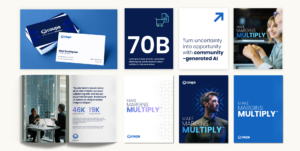
Discover how we brought Coupa’s vision to life
How the block editor powers consistency and scale
Gutenberg blocks and Full Site Editing support modular UX at enterprise scale. A robust block library translates your design system into reusable components with built-in accessibility, analytics events, and guardrails for content authors. Editors can assemble pages quickly without breaking layout or diluting brand standards. Advanced pattern locking prevents rogue formatting while enabling agility for campaigns. Investing in a block-driven design system is one of the highest ROI moves available through modern WordPress development services because it improves time to publish, reduces QA cycles, and protects user experience across the site.
Personalization that respects privacy and drives conversion
In 2026, personalization should be consent-aware, first-party data led, and fast. Segment by firmographics, user role, or referrer intent, then use lightweight decisioning at the edge to swap hero messages, resources, or CTAs. Server-side rendering keeps pages indexable and fast, while contextual blocks keep authoring simple. For B2G audiences, tailor content by mission area, procurement path, or compliance needs. For enterprise tech buyers, surface industry case studies and relevant integration guides. To go deeper on dynamic content, explore website personalization models that can be layered into your publishing workflow without adding fragility to the stack.
Accessibility and compliance as non-negotiable UX pillars
Accessibility increases reach, reduces legal risk, and improves usability for every visitor. Bake WCAG 2.2 AA standards into your components rather than auditing after launch. That means clear focus states, sufficient color contrast, structured headings, ARIA support only where appropriate, descriptive links, and consistent keyboard navigation. For B2G programs, align Section 508 requirements and create a Voluntary Product Accessibility Template that maps how the site meets criteria. Enterprise-grade WordPress development services include automated testing in CI, manual assistive technology testing, and governance checklists so accessibility remains a continuous practice, not a one-time task.
Performance engineering for Core Web Vitals
Speed is table stakes for user satisfaction and SEO. Start with a performance budget that sets strict weight targets per page type. Optimize the critical rendering path with server-side rendering, HTTP/3, and early hints. Adopt AVIF and WebP images with adaptive sizing, native lazy loading, and next-gen responsive attributes. Defer noncritical scripts, tree-shake unused code, and inline critical CSS. Use a CDN with edge caching and stale-while-revalidate strategies for resilience during traffic spikes. Measure with RUM data rather than synthetic tests alone. A mature approach from experienced WordPress development services correlates these improvements to engagement and conversion, not just Lighthouse scores.
Search that accelerates discovery
When prospects arrive with a specific problem, on-site search must deliver precise, ranked answers. Configure synonyms, business-rules boosting for product or solution pages, and scoping filters that match buyer language. Implement query understanding, typo tolerance, and guards against empty results. Expose search analytics to marketing and product teams so they can see what users cannot find and respond with new content or taxonomy tweaks. For enterprise catalogs and documentation, consider a headless search service with instant results and structured snippets. The most effective WordPress development services design search as a product with ongoing tuning, not a one-time widget.
Security and reliability that protect brand equity
Trust is an essential part of user experience. Harden WordPress with principle of least privilege, SSO for administrators, and scoped API keys. Enforce MFA, set strong content approval workflows, and log activity with anomaly alerts. Use a Web Application Firewall and rate limiting, and separate build, staging, and production environments. Automate backups and perform restore drills quarterly. For public-sector work, align to organizational policies and hosting controls that support compliance. Mature WordPress development services integrate these controls without slowing editors, which ultimately leads to a site that is both safer and more productive to operate.

Go behind our build for SecurityScorecard
Localization and multilingual experiences at scale
Global B2B brands and federal contractors need precise localization. Build a language architecture that supports shared components and localized content while preserving SEO via hreflang and localized sitemaps. Define translation workflows with glossaries, tone guides, and change tracking to maintain consistency. Prioritize market-specific content instead of 1:1 translation for every page. Ensure forms, PDFs, and error messages are all localized. Performance should remain stable despite added languages, which is why efficient media handling and caching strategies matter. WordPress development services that understand enterprise localization can reduce overhead and accelerate regional launches.
Data, analytics, and the feedback loop
Your analytics model should mirror your funnel and your navigation, not the other way around. Define clear events for micro conversions like resource downloads, email signups, search refinements, and product video views. Map content groupings to buyer stages and track scroll depth, dwell time, and click paths that predict conversion. Pipe events into your warehouse or CDP for audience building and nurturing. Maintain privacy-first consent management that toggles nonessential tags and keeps your audit trail clean. The most valuable output of advanced WordPress development services is a site that teaches you what to build next, every week.
SEO fundamentals that compound growth
UX and SEO are partners. Fast pages, structured content, strong internal links, and clear headings deliver a better experience and higher rankings. Use schema for products, FAQs, events, and reviews to earn richer results. Align pillar pages with solution areas, then cluster related articles and case studies. Control cannibalization with canonical tags and prune content that no longer serves intent. Redirect maps are essential during redesigns to preserve equity. If you need help modernizing your roadmap, our search engine optimization work demonstrates how technical and content improvements compound performance over time.
Migrations that protect traffic and improve UX
Replatforming is an opportunity to simplify, not simply to move. Start with a content audit to identify what to keep, consolidate, or retire. Rewrite information architecture based on real query data and stakeholder goals. Build migration scripts that normalize metadata, image alt text, and redirects. Validate at scale with automated link checking and manual QA on high-value flows like pricing, partner portals, and RFQ submissions. The best WordPress development services treat migration as an integrated product, not a bolt-on task, ensuring that launch day maintains search visibility while unlocking the new experience.
Governance, training, and design systems that last
UX fails when governance fails. Codify roles, editorial standards, and review workflows. Document what a good page looks like, with required components, quality bars, and accessibility checks. Tie the design system to a block library so teams work from one source of truth. Run enablement labs for marketers that simulate real publishing scenarios and reinforce good patterns. Governance also includes deprecation plans for content and components so the site gets leaner, not heavier, as it ages. Sustainable impact from WordPress development services depends on these human systems as much as the code.
Evaluating a partner for WordPress development services
Choosing the right partner is pivotal. Look for a track record delivering measurable outcomes in B2B and B2G, not just aesthetic redesigns. Ask for architecture rationales rather than tool lists. Review how they operationalize accessibility, Core Web Vitals, and security hardening within sprints. Inspect their block libraries and documentation quality. Confirm how they approach analytics, tagging, and experimentation from day one. Seek transparent roadmaps and change management plans. A seasoned WordPress development agency should align to your operating model and build your team’s capacity to sustain the site long after launch.
A 100‑day roadmap to elevate user experience
A disciplined 100‑day plan creates momentum and reduces risk. Days 1 to 30 focus on discovery and strategy: stakeholder interviews, analytics review, content inventory, technical audit, and an initial information architecture. Days 31 to 60 move into design systems and proofs of concept: component definitions, accessibility patterns, performance budgets, and search configuration. Days 61 to 90 shift to build and migration: block library development, page templates, integrations, and automated migration scripts. The final 10 days are for hardening and enablement: security reviews, load testing, accessibility manual testing, editor training, and go-live rehearsal. This is the cadence elite WordPress development services use to ship quality at speed.
Integrations that streamline buyer journeys
UX extends beyond pages. Map and integrate the systems that shape conversion. Connect CRM forms with progressive profiling, synchronize gated content with marketing automation, and trigger nurture flows based on on-site behavior. For customer portals, use SSO to reduce friction and tailor content for authenticated users. Align product feeds, partner directories, and event listings with structured data and caching. The most reliable WordPress development services do not treat integrations as afterthoughts. They model the data, design for failure states, and ensure the journey remains smooth even when an upstream system lags.

Read why LMI turned to Bluetext for a brand refresh
Content operations that keep sites fresh
Even the best UX decays without a healthy content engine. Establish an editorial calendar tied to audience needs, lifecycle stages, and key sales motions. Define reusable content types like solution briefs, implementation guides, and mission narratives for public-sector visitors. Automate related content modules and keep them tuned through analytics. Invest in clear, jargon-free copy and visual narratives that make complex topics digestible. Modern WordPress development services emphasize content operations because fresh, well-structured material is the fastest way to sustain rankings and conversions.
Proving value with metrics that matter
Executives need proof, not promises. Track a balanced scorecard that ties the experience to business outcomes. Leading indicators include Core Web Vitals, SERP visibility, on-site search success rate, and form completion rates. Lagging indicators include sourced pipeline, influenced revenue, and public-sector RFI engagement. Use cohort analysis to see how performance improvements correlate with conversion over time. A credible program for WordPress development services establishes these measures before the first line of code, then reports progress against them at each milestone.
Why Bluetext for enterprise-grade WordPress
Marketing and communications leaders choose partners who reduce complexity and deliver results. Bluetext brings strategy, design, and engineering together under one roof, with a focus on measurable outcomes in complex B2B and government markets. Our teams architect for speed, accessibility, security, and scale, then enable your editors to move faster with confidence. Learn more about our approach to WordPress development services and how we tailor each engagement to your governance model and growth objectives.
What success looks like
When organizations adopt the practices in this guide, the results are consistent. Bounce rates drop as pages load faster and navigation becomes clearer. Organic traffic rises as technical SEO aligns with authoritative content. Qualified conversions increase as personalization and frictionless forms meet buyers where they are. Public-sector engagement improves when accessibility and compliance are built in. Most importantly, marketing teams gain agility with a component system and analytics model that turn insights into action without long development cycles. These are the outcomes you should expect from advanced WordPress development services in 2026.
Next steps to move from vision to execution
If you are planning a replatform, consider a phased approach that addresses performance, accessibility, and architecture early. If your site is already on WordPress, start with a diagnostics sprint that benchmarks Core Web Vitals, accessibility, search, governance, and analytics. Use those findings to prioritize the highest-impact fixes and to roadmap future enhancements. Evaluate partners through pilot projects that prove value before full-scale commitments. The right investment in WordPress development services will reduce total cost of ownership, accelerate time to market, and elevate the user experience that drives growth.
Bluetext is ready to help you plan, build, and optimize a website that works as hard as your brand. Explore our capabilities as a WordPress development agency, see how personalization models can scale with your team, and bring your analytics to a level that informs every decision. To start a conversation about strategy, branding, or campaigns that connect, contact Bluetext and let’s design an experience your buyers will remember.
Marketing leaders face constant pressure to turn budgets into predictable pipeline. That is why data-driven planning sits at the core of modern B2B and B2G growth. When every channel, message, and touchpoint is instrumented for insight, teams can prioritize the programs that accelerate revenue and sunset what does not. The most effective B2B marketing campaign strategies blend rigorous analytics, pragmatic experimentation, and tight alignment with sales operations. This article outlines how to architect that engine, which metrics to track, and how to iterate toward better ROI without adding unnecessary complexity.
Build a reliable data foundation that decisions can trust
Every strong program begins with dependable data. Without clean pipelines and consistent taxonomy, even the smartest B2B marketing campaign strategies degrade into guesswork. Start with first-party data quality inside your CRM and MAP. Standardize account hierarchies, buying roles, and fields for industry, size, and technology stack. Enforce UTM governance for all paid and owned media. Connect site analytics, ad platforms, and offline events to a common identity graph. A lightweight customer data model enables accurate attribution and clearer cohort analysis across the full funnel.
Leaders often unlock value quickly by consolidating reporting through a single source of truth. That can be as simple as a data warehouse and a standardized dashboard that maps impressions and clicks to MQL, SQL, pipeline, and revenue. Robust tagging frameworks and server-side tracking reduce signal loss, while privacy controls protect consented users. If your team needs help designing the measurement corpus, Bluetext’s research and analytics capabilities can establish the instrumentation and taxonomy that futureproof decision making. With that base layer in place, B2B marketing campaign strategies can run faster and scale with confidence.

Define the KPIs that matter to revenue, not vanity metrics
Executives do not invest in clicks or impressions. They invest in pipeline conversions, deal velocity, and revenue predictability. Align on a concise KPI set that ladders to commercial outcomes and reflects the stages you can influence. For B2B marketing campaign strategies, that typically includes cost per high-quality MQL, conversion rate to SAL, SQL acceptance rate, opportunity win rate, and CAC payback. Add channel-level ROAS and lead-to-opportunity cycle time to spot where friction lives. Make each metric time bound and segmentable by audience, product, and region to enable root-cause analysis.
Standardize your definitions and source of truth
Teams drift when MQL, SAL, and SQL mean different things across regions or products. Lock definitions with sales leadership and marketing ops, document them, and enforce them through automation. Decide how to handle multi-threaded accounts, SDR-sourced leads, and partner influence. When everyone shares the same scorecard, B2B marketing campaign strategies can be compared objectively and optimized with far less debate.
Segment smarter with ICPs, buying committees, and intent
High-ROI programs start with a precise Ideal Customer Profile and clear buying committee maps. Blend firmographic, technographic, and behavioral signals to prioritize accounts that look like your top cohorts. Layer third-party intent data to detect in-market momentum. The goal is fewer, better, targets with higher propensity to buy. In practice, this is where many B2B marketing campaign strategies unlock step-change efficiency because outreach focuses on accounts with existing need and authority.
Operationalize ICPs in your stack
ICPs only drive value when they power segmentation inside your platforms. Build audiences in your MAP and ad tools using consistent attributes and scoring thresholds. Align content and offers to each buying role and funnel stage. Map keywords and creative to use cases rather than product features. With a shared audience spine, B2B marketing campaign strategies deliver more relevant experiences and lift conversion rates across channels.

Watch the nShift brand come to life
Calibrate your channel mix with experiments that prove causality
Optimized channel allocation is not a one-time decision. It is a continuous test-and-learn process that weighs reach, intent, and cost dynamics. Start with a performance baseline for paid search, paid social, programmatic, content syndication, and events. Then run clean experiments to understand incrementality. Holdout tests, geo splits, and matched-market designs reveal what is truly additive. The strongest B2B marketing campaign strategies invest where marginal dollars produce new qualified demand rather than cannibalized conversions.
- Paid Search: Capture active demand and protect brand terms with efficient bidding and negative keyword hygiene.
- Paid Social: Use LinkedIn and industry networks for matched audience ABM and mid-funnel education.
- Programmatic: Scale reach to ICP accounts using firmographic targeting and frequency caps that respect user experience.
- Content Syndication: Contract for quality controls, verify leads against ICP, and enforce strict data rights.
- Events and Webinars: Score engaged attendees differently and orchestrate fast, relevant sales follow up.
Treat SEO as a compounding demand engine
Search is often the most capital-efficient channel over time. Technical hygiene and authoritative content compound into sustained visibility. Build topic clusters around your customers’ problems, not your product catalog. Align content with buyer stages and integrate strong internal linking. Align keyword intent to offers that progress the conversation. See how Bluetext approaches search engine optimization to make organic growth a predictable contributor to pipeline, and fold those learnings into your broader B2B marketing campaign strategies.
Creative and message testing that lowers Customer Acquisition Cost
Media buying finds the audience. Creative earns the response. Treat message and offer testing as a quarterly discipline, not an ad-hoc exercise. Develop hypotheses by persona and stage, then test at the concept level before iterating tactics. Rotate new value propositions, social proof, and proof-of-outcome narratives. Shorten forms and experiment with progressive profiling. The right creative system improves resonance across B2B marketing campaign strategies and directly reduces cost per qualified lead.
Personalize responsibly at scale
Personalization should clarify value, not feel intrusive. Use dynamic creative, modular landing pages, and tailored CTAs that reflect industry and role. Personalize the experience for accounts in active cycles while maintaining respect for privacy choices. A disciplined approach to website personalization can lift engagement without risking trust. When these techniques support buyer progress, they become a force multiplier for b2b marketing campaign strategies that must perform across long, complex cycles.
Full-funnel attribution that sales leadership trusts
Attribution is a means to better decisions, not an end in itself. Use a hybrid approach that blends multi-touch models with incrementality testing to cross-check conclusions. Report at the account level wherever possible, since buying happens collectively. Attribute influence to channels that created net-new engagement within target accounts, while crediting last-touch conversions fairly. Transparently communicate model limitations. With this balanced view, B2B marketing campaign strategies can be funded based on demonstrated contribution to opportunity creation and progression.
ABM measurement essentials
Executives want to know if account-based investments are winning the right conversations. Track account coverage, reach into the buying committee, meeting creation, stage progression, and deal size uplift for targeted cohorts versus controls. Add qualitative signals like executive alignment and use case clarity. By framing success at the account level, B2B marketing campaign strategies gain credibility and shield high-value programs from short-term cuts.
Budget allocation and scenario planning for resilient growth
Budgets should shift in response to evidence. Build quarterly scenario models that project pipeline and revenue given changes in spend, conversion rates, and cycle time. Set thresholds for reallocation, such as minimum expected ROAS or CAC payback limits. Score opportunities by upside, risk, and time-to-impact. This discipline helps B2B marketing campaign strategies ride out macro volatility while maintaining momentum in the channels that compound.
Governance, privacy, and data ethics as competitive advantage
Trust sits at the center of enterprise buying. Treat privacy and consent as design requirements, not compliance checkboxes. Maintain data minimization practices and clear retention rules. Deploy server-side tagging and robust consent management to reduce signal loss while honoring user choices. Document data flows and access policies, then review them quarterly. Responsible data practices reduce legal exposure and reinforce brand credibility, which supports B2B marketing campaign strategies that depend on multi-threaded engagement across long cycles.

Dig deeper into our work with FireEye
A 90-day plan to operationalize data-driven ROI
Turning vision into action requires a disciplined, time-bound plan. Here is a pragmatic sequence to move from strategy to impact in three months while setting the stage for long-term gains. Each step strengthens your operating system and accelerates the performance of current B2B marketing campaign strategies.
- Weeks 1 to 2: Align on definitions and KPIs. Finalize ICP and buying committee maps. Audit tracking, UTMs, and consent status. Establish a single reporting dashboard for funnel and pipeline metrics.
- Weeks 3 to 4: Clean critical CRM fields, dedupe high-value accounts, and enrich with technographic and intent data. Establish channel baselines with current ROAS and conversion rates.
- Weeks 5 to 6: Launch two controlled experiments in your largest channels. Example: incrementality test on paid search non-brand and a geo split on LinkedIn ABM. Document hypotheses, success criteria, and sample sizes.
- Weeks 7 to 8: Stand up a creative testing program with three concept variants per key persona. Refresh landing pages with modular components and clear offer-paths. Tighten SDR follow-up sequences to reflect buyer role.
- Weeks 9 to 10: Deploy an organic content sprint aligned to top problem themes and buyer stages. Connect it to your demand and lead generation plays with contextual CTAs and progressive profiling.
- Weeks 11 to 12: Review experiment results, reallocate 15 to 20 percent of budget to proven winners, and update your scenario model. Summarize learnings for sales leadership with clear recommendations for the next quarter’s B2B marketing campaign strategies.
If this plan sounds heavy for current staffing, consider partnering with a B2B marketing agency that can augment in-house teams with specialized strategy, creative, and analytics resources. A partner accelerates implementation and brings independent rigor to measurement, which sharpens B2B marketing campaign strategies and compresses time to value.
How Bluetext helps teams move from insight to impact
Data alone does not produce growth. Impact happens when the right strategy meets disciplined execution and compelling creative. Bluetext brings proven expertise across research, positioning, visual identity, content systems, media planning, and analytics. Our teams align stakeholders around a clear growth thesis, then ship the assets and orchestration that operationalize it. Whether you need a new narrative, a modular website, a performance media overhaul, or advanced measurement, we build programs designed to lift ROI and give executives confidence in their B2B marketing campaign strategies.
Clients lean on Bluetext to stand up clean measurement frameworks, run structured experimentation, and convert findings into playbooks their teams can scale. From ABM orchestration to content engines and performance media, we design and optimize the components that turn strategy into predictable pipeline. If you want the clarity and confidence that come with a data-driven system, and you are ready to operationalize smarter B2B marketing campaign strategies, our team can help.
Key takeaways for executive leaders
To summarize the programmatic shifts that matter most for ROI, keep these principles top of mind as you evolve your B2B marketing campaign strategies.
- Invest first in the data foundation and shared definitions that enable credible decisions.
- Design KPIs around pipeline, velocity, and revenue, not surface-level engagement metrics.
- Focus segmentation on ICPs and active intent, then reflect that in channel targeting and creative.
- Prove channel contribution with incrementality tests, and let results reallocate budget.
- Operationalize creative testing and responsible personalization to raise conversion rates.
- Use hybrid attribution with account-level views to earn sales leadership trust.
- Guard privacy and ethics to strengthen brand trust across long enterprise cycles.
Each principle compounds in value when executed together. The result is a system where data clarifies direction, experiments reduce risk, and investment flows to what works. That is the cadence behind the highest performing B2B marketing campaign strategies, and it is achievable with pragmatic planning and the right expertise.
Next step
If you are ready to transform how your organization plans, measures, and optimizes for growth, connect with a partner who has done it across industries and the public sector. Explore how Bluetext strengthens analytics, messaging, and performance media to elevate ROI, then contact Bluetext to discuss your goals and build a roadmap for data-driven B2B marketing campaign strategies that deliver measurable pipeline and revenue impact.
Cyber threats are escalating in speed, scale, and sophistication, and the buying committee is expanding just as quickly. That reality raises the bar for marketing leaders in security. Winning requires relevance to CISOs, clarity for practitioners, and credibility with the board. Working with a cybersecurity marketing firm that understands both the technology and the enterprise sale is the difference between incremental results and market leadership. The following insights distill what leading firms are doing right so you can elevate strategy, accelerate pipeline, and strengthen brand authority.
What separates top cybersecurity marketing partners today
The best programs begin with an unflinching focus on the audience reality. A high-performing cybersecurity marketing firm internalizes how risk, compliance, architecture, and budget decisions are actually made. That means moving from feature-first messaging to evidence-led value narratives tied to operational outcomes like mean time to detect, dwell time reduction, and policy enforcement at scale. The firm’s job is to translate deep technical differentiation into stories that de-risk the decision for executives while equipping champions to drive consensus.
- Precision positioning rooted in market structure. Leading teams map competitors, substitutes, and adjacencies to carve out a defensible lane. A cybersecurity marketing firm then defines proof points and customer language that neutralize “good enough” alternatives.
- Program architecture aligned to the full buying committee. Security engineers want hands-on depth, finance leaders want cost predictability, and agencies require compliance clarity. A single plan must satisfy all without diluting the core idea.
- Relentless emphasis on credibility. Analyst relations, third-party validations, and quantified case studies are nonnegotiable. Trust is earned through substance and consistency.
How to craft a category narrative that buyers and analysts remember
A category narrative should make complex concepts immediately graspable. The goal is not to describe everything your platform does. The goal is to frame the problem and your point of view so succinctly that buyers can retell it inside their organizations. A seasoned cybersecurity marketing firm builds a narrative that aligns to pain, risk, and urgency across three tiers: macro threats, organizational impact, and role-based priorities. Done well, this narrative becomes the spine for campaigns, content, and sales tools.
Message architecture that scales across roles and channels
Start with a one-sentence promise that is anchored to a measurable outcome. Support it with three pillars that connect to platform capabilities and use cases. Translate each pillar into executive, practitioner, and partner proof points. A cybersecurity marketing firm then operationalizes the architecture across website pages, enablement decks, demo scripts, and PR talking points to maintain signal consistency while allowing depth where needed.
Which channels deliver pipeline in cybersecurity right now
Security buyers need a reason to reallocate constrained budgets. That means showing proof early, not after the gated form. ABM and field marketing work when they provide value in the first interaction. A high-performing cybersecurity marketing firm leans into technical content, peer validation, and tactical tools that help teams move an initiative forward this quarter. Events, communities, and intelligence briefings continue to convert when they are built around practitioner utility rather than product promotion.
Paid, owned, and earned tactics calibrated for intent
Start by using search and review platforms to harvest late-stage demand and direct it toward differentiated assets. Bolster credibility with earned media on real issues such as SaaS misconfigurations, software supply chain risks, and OT exposure. On owned channels, invest in explainers, frameworks, and sample policies that practitioners can deploy immediately. A cybersecurity marketing firm should unify these threads through a simple conversion path that prioritizes demos, proofs of concept, and risk assessments tied to business outcomes.
How to market security solutions to the public sector without risk
Public sector innovation cycles and buying processes differ meaningfully from enterprise norms. Compliance, certifications, and mission alignment matter as much as features. A strong cybersecurity marketing firm knows how to position capabilities for federal, state, and local requirements while respecting rules around procurement-sensitive claims. It is critical to balance thought leadership with precise language that aligns to contract vehicles, cybersecurity frameworks, and zero trust mandates.
Map campaign themes to mission outcomes such as resilience, continuity of operations, and cross-agency collaboration. Translate technical claims into acquisition-ready language that references control families and policy directives without overstepping. For B2G programs, align messaging to role-specific triggers for CIO, CISO, and program executive stakeholders. A cybersecurity marketing firm will also synchronize content release cycles with budget timelines and period-of-performance realities to improve win probabilities.
Proof builds trust: assets that convert security skeptics
Security decision makers have learned to ignore marketing claims. Instead, they respond to proof they can interrogate. Anchor campaigns in artifacts that reflect the rigor of your program and the maturity of your customers. This is where a cybersecurity marketing firm can unlock disproportionate impact by shifting your content mix toward evidence and practitioner utility.
- Quantified customer outcomes. Build repeatable case study formats with before-and-after metrics like time to remediate and alert fatigue reduction.
- Technical validation. Commission red team exercises or third-party pen tests and publish summarized findings with sufficient technical fidelity.
- Economic framing. Translate risk and controls into financial terms, making it easier for CFOs to support the plan.
- Hands-on experiences. Host guided labs and simulations that replicate real attack paths and defensive workflows.
Video and interactive experiences that reduce time to conviction
Video is often the fastest route to comprehension when products span identity, data, and network layers. Create short explainers that visualize control points along the kill chain, then drive to a deeper interactive lab. An expert cybersecurity marketing firm will sequence formats for progressive discovery, starting with an animated overview, bridging to a narrated demo, and culminating in a hands-on challenge. This structure compresses time to conviction for technical buyers and simplifies storytelling for executives.

Check out our video work with SecurityScorecard
Search, content, and AEO strategies for technical audiences
Search behavior in cybersecurity is fragmented across roles and stages, which demands precision. Rather than chasing generic keywords, define intent clusters that reflect real jobs to be done, such as exposure management, least privilege, or secure software development. An experienced cybersecurity marketing firm leverages content depth, structured data, and answer-engine optimization to win zero-click and long-tail moments while feeding ABM programs with context-rich leads.
- Answer real questions succinctly. Build FAQ-style hubs that resolve tactical needs like “how to implement just-in-time access” and “what is SBOM attestation.”
- Use structured data. Mark up definitions, product comparisons, and how-tos so answers surface quickly in rich results.
- Connect content to conversion. Each page should point to hands-on proof such as a lab, PoC, or calculator.
- Instrument relentlessly. Tie rankings to pipeline metrics to keep efforts focused on revenue.
Analytics is the glue. Mature teams bring together keyword universe mapping, competitive gap analysis, and content testing in one operating rhythm. For deeper audience intelligence and testing frameworks, explore Bluetext’s approach to research and analytics and how it informs channel and content decisions that drive measurable impact.
Metrics that matter to the CMO and the board
Security buyers reward rigor, and your measurement model should follow suit. Move beyond traffic and MQL counts to metrics the board values. A cybersecurity marketing firm will benchmark marketing-sourced pipeline, stage-by-stage conversion, velocity, and win-rate differentials for ABM accounts relative to the total addressable market. CAC payback, expansion rates, and multi-product attach are the trailing indicators that prove durable advantage. Align executive dashboards to these measures and ensure quarterly business reviews connect activities to revenue outcomes.
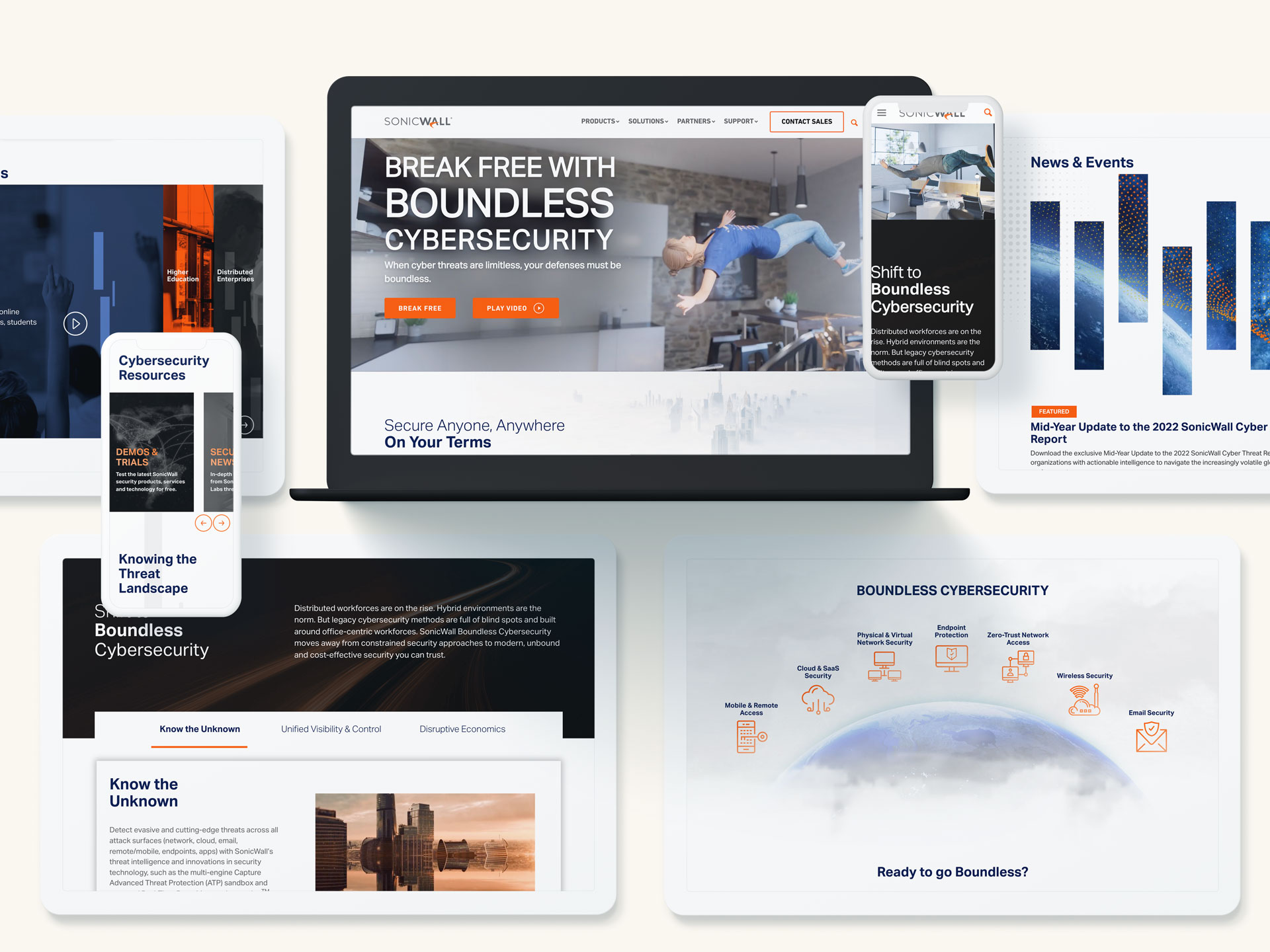
Dig into how we partnered with SonicWall
Selecting the right partner is a force multiplier. Look for a cybersecurity marketing firm that can work across both B2B and B2G motions with credibility. Evaluate their ability to simplify complex architectures without softening the technical truth. Review how they translate emerging trends like identity-first security, CNAPP, and software supply chain integrity into narratives that resonate with both analysts and end users. Ask to see measurement frameworks that tie positioning, content, media, and sales enablement together.
- Category experience. Your partner should have a portfolio that spans endpoint, cloud, identity, data, and OT security so they can anticipate objections and recommend accelerators.
- Brand-to-demand integration. A cybersecurity marketing firm must be equally fluent in brand strategy and demand generation, not one or the other.
- Speed and discipline. Cyber markets move quickly. You need agile sprints and editorial rigor to keep messages current and accurate.
- Public sector fluency. For sellers into government or contractors, ensure the team understands procurement sensitivities and accreditation pathways.
Finally, assess cultural fit. The ideal cybersecurity marketing firm will challenge assumptions, bring fresh creative energy, and embed with your sales and product leaders. They should complement your internal strengths and add the signal you do not have in-house, whether that is research depth, creative scale, or channel specialization.
Accelerating execution with an agency that knows the terrain
Turning strategy into market impact takes cross-functional alignment and polished execution. A specialized cybersecurity marketing agency brings planners, creatives, technologists, and media strategists to the same table so programs launch with momentum and sustain over time. Expect a planning cadence that translates category narrative into quarterly campaign themes, content roadmaps, and field plays. Insist on a creative process that makes complex ideas intuitive for buyers without sacrificing accuracy for speed.
When you evaluate creative, judge it on clarity, memorability, and technical integrity. Ask how the team will tailor core concepts to each route to market, from direct enterprise to channel and OEM relationships. A high-caliber cybersecurity marketing firm will build for modularity so assets repurpose across web, demand gen, events, and sales motions without creating inconsistency or rework.
From brand to proof: where Bluetext adds leverage
Bluetext has partnered with cybersecurity innovators across growth stages to build brands, launch categories, and drive measurable pipeline impact. Our teams synchronize research, positioning, visual identity, content strategy, and activation to deliver a coherent market presence. Explore examples of our work in cybersecurity to see how brand storytelling and technical depth come together in practice. When a cybersecurity marketing firm aligns narrative, creative, and channels, prospects understand your value faster and with more conviction.
We also prioritize the operational realities of enterprise and public sector buyers. From enablement kits that arm sales with objection handling to campaign architectures built for multi-quarter pursuits, the right cybersecurity marketing firm creates systems that scale. That includes structured governance for content accuracy, cross-functional review processes, and analytics models that attribute revenue appropriately across long cycles and complex deals.
A practical 90-day plan to elevate your program
To build momentum quickly, establish a 90-day sprint with clear outcomes and owners. A skilled cybersecurity marketing firm will help you focus on the moves that compound.
- Clarify the promise. Pressure test your one-sentence value proposition with customers and sales. Lock messaging, proof points, and a three-pillar framework.
- Fix the conversion path. Align top-performing pages, demos, and sales handoffs to a single storyline. Reduce friction to the two actions that best predict revenue.
- Publish proof. Release two quantified case studies and one technical validation asset. Promote across search, email, and community channels.
- Stand up intent harvesting. Launch a focused paid search program around your most defensible solution plays. Instrument from click to close.
- Enable the field. Deliver a concise enablement pack with talk tracks, ROI framing, and competitive traps. Train champions to retell the story faithfully.
Within this window, your teams should see higher demo acceptance rates, improved pipeline quality, and faster consensus among buying committees. These are the signals that your narrative, creative, and channel choices are resonating. A data-driven cybersecurity marketing firm will turn those early wins into an operating model that sustains results through the fiscal year.
Ready to elevate your cybersecurity narrative and pipeline
The stakes in security are too high for guesswork. Progress comes from message clarity, credible proof, and disciplined execution. If you are ready to sharpen positioning, strengthen creative, and launch programs that convert complex value into measurable growth, Bluetext can help. Begin the conversation today and see how an experienced cybersecurity marketing firm can turn ambition into market impact. To get started, review our approach, explore relevant case studies, and contact Bluetext to build a plan tailored to your objectives and timelines.
Video is now the most efficient way to compress complex ideas, proof points, and emotion into a format decision makers remember. For enterprise and public sector brands, the stakes are high and attention is scarce. Strategic video design services align creative storytelling with business goals to move audiences from awareness to action. When executed with rigor, these programs turn brand narratives into tangible outcomes, including pipeline growth, stakeholder trust, and accelerated consensus across buying committees.
Why video design services matter for B2B and B2G brands
Executives evaluate dozens of vendors, platforms, and policies every quarter. They need clarity, not clutter. Effective video design services map your value proposition to the moments that influence evaluation criteria and mitigate perceived risk. Instead of presenting features in isolation, the right narrative architecture positions a brand as a guide through industry change, regulatory complexity, and operational pressures.
For B2B organizations, video can unify the buyer’s journey across sales cycles that stretch for months. For B2G teams, video can clarify mission impact, security postures, and compliance readiness in formats that resonate without oversharing sensitive details. In both cases, integrated video design services reduce friction, align internal stakeholders, and create consistent visual language across channels.
What falls under modern video design services
Today’s video ecosystem spans far beyond basic filming and editing. Comprehensive video design services include narrative strategy, scripting, storyboarding, motion design, 3D visualization, live action direction, sound design, and post production optimization. The best programs connect each discipline back to brand standards and campaign objectives, ensuring stylistic choices support measurable outcomes.
Motion graphics simplify abstract concepts. 3D renders showcase products or architectures that are hard to film. Live action interviews and documentary-style content humanize leadership and customers. Animated explainers introduce platforms and workflows with clarity. Each of these formats benefits from video design services that standardize typography, iconography, color grading, and transitions, so the full library feels like a single brand system.

Watch what helped CBIZ stand out in a crowded market
Translating brand strategy into a visual narrative
Winning videos start with intentional story structure. A disciplined process grounds creative in business proof. High performing video design services typically follow this sequence:
- Brief alignment. Define audience, desired action, distribution channels, and success metrics. Validate the problem statement and any constraints.
- Message hierarchy. Distill three to five core points with supporting proof such as quantitative outcomes, security credentials, or third-party validations.
- Visual system. Establish motion rules, on-screen text styles, and graphic metaphors that connect back to the master brand.
- Storyboard and animatic. Pressure test timing, pacing, and comprehension before production investment.
- Production and post. Capture or create assets, design soundscapes, and refine edits against the original brief.
When video design services link narrative beats to specific viewer objections, the story anticipates questions that typically stall deals. This is especially valuable in consensus-driven sales where legal, finance, and IT each require different proof points.
Formats that perform across the funnel
Executives do not watch every video the same way, and distribution channels reward different lengths and hooks. A diversified plan for video design services improves reach and relevance across the full funnel.
- Brand anthem. A 60 to 90 second piece that articulates mission, market context, and differentiation. Ideal for site homepages, event openers, and board briefings.
- Product explainer. Two to three minutes using motion graphics or 3D to illustrate value drivers, integrations, and outcomes. Designed to shorten technical onboarding.
- Customer story. Two to three minutes mixing interview clips with b-roll and motion graphics to show before and after states. Prioritize metrics and decision rationale.
- Thought leadership. 30 to 90 second insights or longer-form moderated conversations that frame issues executives already care about, such as security resilience or AI governance.
- Social cutdowns. Six to 20 second teasers with bold typography and subtitles for autoplay-in-feed environments.
- Sales enablement snippets. 15 to 45 second clips tailored to common objections, sent by reps as follow-ups.
Strong video design services produce a master asset and a suite of derivatives so your team can test, learn, and personalize without starting from scratch for each channel.
How to optimize video for channel, search, and performance
Even the best creative underperforms if it is not engineered for each environment. This is where disciplined video design services prove their value. A channel-smart approach includes:
- Aspect ratios:16:9 for YouTube and web, 1:1 or 4:5 for LinkedIn and Facebook feeds, 9:16 for vertical placements.
- Silent comprehension: Use kinetic typography, iconography, and captions so the story lands without sound.
- Front-loaded value: State the problem and promise in the first five seconds to beat scroll fatigue.
- Metadata and structure: Title, description, chapters, and tags aligned to your message map and target queries.
- Calls to action: Clear, visual CTAs that reflect the next best step, such as booking a demo or downloading a brief.
For brands investing in search visibility, partner with a team that blends SEO with video design services. File naming conventions, schema markup, and structured chapters influence discoverability. On owned channels, tie video engagement to marketing automation, then segment follow-up based on viewing thresholds and topics viewed.
Measurement that proves business impact
Leadership teams want evidence. Go beyond vanity metrics to show contribution to growth. A mature analytics framework for video design services might include:
- Top of funnel: Reach by audience type, average watch time, and video completion rates by channel and topic.
- Mid funnel: Form fills, demo requests, meeting bookings, and content progression tied to specific videos.
- Bottom of funnel and post sale: Opportunity acceleration, influenced revenue, reduction in onboarding time, and customer education outcomes.
Dashboards should ladder up to quarterly objectives and budget accountability. With consistent tagging and UTMs, you can compare the efficiency of different formats produced under your video design services program.
Balancing quality, speed, and cost
Not every initiative requires cinematic production. The decision criteria should be strategic, not arbitrary. Build a tiered model for your video design services:
- Tier 1, Flagship. High production value for tentpole campaigns, product launches, and investor or mission communications. Longer lead times, complex motion design, and multi-day shoots.
- Tier 2, Core. Polished animated explainers, customer stories, and modular content with brand-consistent motion templates.
- Tier 3, Agile. Fast-turn clips, social teasers, and internal communications using approved graphics, music beds, and lower thirds.
This approach maximizes impact where it matters most while maintaining quality and speed across routine needs. It also ensures creative assets and templates from premium projects cascade into agile deliverables, improving return on your video design services investment.
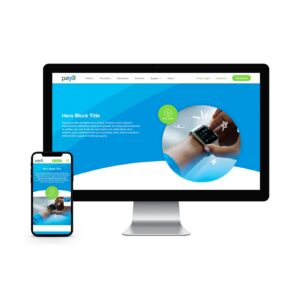
Get the full story on our video work with Paya
Accessibility, compliance, and security for public sector work
Public sector communications require extra diligence. Ensure your video design services address accessibility with accurate captions, audio description when relevant, color contrast standards, and readable on-screen text. Compliance with Section 508 and WCAG prevents costly rework and expands audience reach. Security teams may also review storyboards and scripts to avoid sensitive details in b-roll or animations. A partner with public sector experience and a track record as B2G marketing experts can streamline approvals and protect program integrity.
Common pitfalls and how to avoid them
Consistent success depends on operational discipline. Look out for these traps when deploying video design services:
- Unclear brief: Without a crisp audience and action, teams create beautiful assets that do not move the needle.
- Script drift: Late-stage changes balloon timelines. Lock the message hierarchy early and test it with sales or program leads.
- Inconsistent visual language: Ad hoc styles dilute brand memory. Maintain a shared motion toolkit and typography rules.
- Excess length: Long is fine when it earns attention, but every second must carry value. Use chaptering and derivatives to respect time.
- Weak distribution: Even great work fails without a plan. Treat distribution as part of your video design services scope, not an afterthought.
How to select the right partner
Look for a team that fuses strategic rigor with creative excellence and operational reliability. Review their category fluency, from cybersecurity and AI to healthcare and federal. The most capable partners showcase a wide range of narratives and aesthetics in a single, coherent system. To see this in action, explore Bluetext’s video portfolio and broader our work in video to evaluate range and relevance across formats.
In addition, consider whether your agency can connect video to integrated programs that include PR, content, and demand generation. If your priority is a cohesive growth engine, partnering with a seasoned B2B marketing agency ensures your video investment is reinforced by supporting channels and analytics infrastructure.
View the video that helped SecurityScorecard stand out from the crowd
A proven workflow blueprint
Reliable delivery comes from a transparent process. Best-in-class video design services follow a repeatable blueprint that still leaves room for innovation:
- Discovery and alignment: Stakeholder interviews, audience analysis, and goal setting.
- Message and mood: Script drafting, tone alignment, and references that reflect brand voice and audience expectations.
- Visual development: Style frames, iconography, and motion tests to lock the look and feel.
- Storyboard and animatic: Narrative flow and timing validated before production.
- Production: Live action capture and asset creation with clear shot lists and contingency plans.
- Post production: Edit, motion builds, color, mix, and quality assurance, with checkpoints mapped to the brief.
- Localization and accessibility: Subtitles, translations, and compliance checks.
- Activation and measurement: Channel-specific versions, tracking, and performance dashboards.
This approach reduces risk, accelerates delivery, and ensures the final product fulfills the purpose of your video design services program.
Putting AI and new production models to work
AI and virtual production have expanded what teams can achieve on practical budgets. Style-consistent title cards, lower thirds, and transitions can be generated or versioned quickly with template-driven tooling. AI-assisted rough cuts shorten edit cycles, while 3D engines and LED volumes unlock environments that once required travel and permits. The key is governance. Responsible video design services deploy AI under clear brand and security guidelines, with human creative oversight to protect originality and accuracy.
Building a distribution plan from day one
Distribution planning should shape story structure and deliverables, not follow them. Align with sales enablement, channel leads, and PR early so the output of your video design services lands where it can drive action. A durable plan includes:
- Owned channels: Website hero placements, product pages, and resource libraries with SEO structured data.
- Paid amplification: Targeted campaigns to reach buying committees with tailored messages per role.
- Sales and partner ecosystems: CMS or DAM folders mapped to common objections and verticals.
- Events and briefings: Short openers and loopable interstitials that set tone and context.
When content is planned for repackaging, you can meet multiple channel requirements in one production run. This multiplies the value of your video design services and accelerates proof of impact.

Check out the visuals we created for Inovalon
A quick-start checklist for your next initiative
Use this summary to launch an efficient, high-impact program:
- Define the audience, the single action you want next, and how success will be measured.
- Select the format mix across funnel stages, with derivatives for social and sales enablement.
- Lock a message hierarchy that addresses stakeholder objections and proof points.
- Approve a motion and graphic system aligned to brand standards.
- Plan distribution, metadata, tracking, and accessibility from the start.
- Set tiered production levels to balance quality, speed, and cost.
- Instrument analytics to attribute influence on pipeline and retention.
When each step is owned and sequenced, your investment in video design services compounds across campaigns and fiscal years.
Why Bluetext
Bluetext pairs strategy, creative, and analytics to deliver video libraries that drive measurable growth for enterprise and public sector clients. Our teams understand complex categories, security requirements, and multi-stakeholder sales. We build systems that scale, from flagship brand films to agile social cutdowns, all anchored in rigorous message frameworks. For a preview of our creative range, you can also view our agency reel to see storytelling translated into outcomes across industries.
Move from story to impact
The brands that win in the next market cycle will communicate with speed and clarity, not just style. They will equip sales with precision videos that answer hard questions, energize employees with mission-first narratives, and help policy makers or procurement teams understand risk and reward. Strategic video design services make that possible. If you are ready to turn your brand story into business impact, contact Bluetext to discuss how our strategy, branding, and campaign teams can activate your narrative at scale with a system built for measurable results.
Digital transformation is no longer a technology project. It is an operating mandate for growth-minded CMOs and CROs. As buying journeys fragment across channels and stakeholders, the winners will be those who modernize data, tools, and processes to deliver outcomes at scale. In this environment, b2b marketing campaign strategies are the connective tissue between vision and revenue. They translate transformation into pipeline, accelerate sales velocity, and create measurable customer value. This post outlines how leaders can navigate the complexity with clear priorities, pragmatic frameworks, and a roadmap to ROI.
What digital transformation means for B2B marketers today
For marketing leaders, digital transformation spans more than a new martech platform or a redesigned website. It is the disciplined integration of data, technology, content, and talent that improves speed to market and precision. It creates the foundation for personalization, analytics-driven decisions, and cross-functional collaboration with sales, product, and finance. Most importantly, it elevates b2b marketing campaign strategies from isolated tactics to orchestrated programs that move markets.
Three shifts define the moment. First, first-party data is now the strategic asset, requiring consent frameworks, robust governance, and interoperable systems. Second, AI augments teams with faster insights and creative acceleration, provided guardrails and QA are in place. Third, buying committees expect consumer-grade experiences, which demands frictionless digital journeys and consistent brand narratives at every touchpoint.
How to modernize your marketing operating model
Technology does not fix a broken operating model. Start by aligning people and processes to outcomes. Build cross-functional pods around target segments or solutions. Pair marketing operations, content, performance, and sales counterparts in agile sprints with clearly defined SLAs. Establish a revenue operations cadence that prioritizes pipeline coverage, stage conversions, and lagging velocity, not vanity metrics.
Codify decision rights. Your governance model should specify who sets audience strategy, who owns data standards, and who can approve changes to campaigns and budgets. This clarity reduces cycle time and allows b2b marketing campaign strategies to move from planning to launch in days, not months.
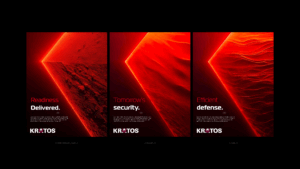
Pull back the curtain on our work with Kratos
Building a future-ready martech stack
A resilient stack is modular, integrated, and focused on the use cases that matter. Many organizations carry overlapping tools and underused features. Define the business questions first, such as which audiences to prioritize, what journey friction exists, and how to allocate spend. Then map capabilities across CRM, MAP, CDP, CMS, analytics, and collaboration layers. Integrations should serve data unification, identity resolution, lead routing, and content activation, not tool accumulation.
Prioritize capabilities that immediately improve buyer experience. For example, website personalization can increase relevance across industries, roles, and account tiers without waiting for a full CDP rollout. Connect that experience to your MAP for triggered nurture and to your CRM for sales context. Align taxonomy across platforms to simplify reporting and experimentation.
Practical checklist to rationalize tools
- Inventory every platform by owner, cost, contract term, and key features actually in use.
- Define no more than five core use cases per quarter that the stack must enable.
- Consolidate overlapping functionality to reduce cost and cognitive load on teams.
- Implement standardized UTM, naming conventions, and audience schemas across channels.
- Automate governance tasks like permissioning, lead deduplication, and enrichment.
Data strategy that powers precision and privacy
Data is the engine of transformation, but only when it is accurate, consented, and actionable. Establish a single definition of the customer that links accounts, contacts, and opportunities. Use progressive profiling to capture missing attributes while minimizing form friction. Apply validation on intake to protect quality, and schedule regular hygiene to reduce decay. Define how signals like content engagement, intent data, and product usage scores combine to qualify opportunities.
Privacy is a brand advantage. Treat consent, retention rules, and data minimization as core brand promises. Document data lineage and access policies, especially in complex B2G environments. When data confidence is high, b2b marketing campaign strategies can target precisely, measure cleanly, and scale globally without rework.
AI in b2b marketing campaign strategies: where it adds real value
AI helps teams work smarter across the lifecycle when applied with discipline. Use it to synthesize market research and identify whitespace. Speed content development with on-brief ideation, modular copy generation, and metadata optimization, followed by human editing and governance. Improve media performance with predictive audiences and budget allocation that responds to real-time signals. Deploy AI for QA on tagging, broken links, and accessibility compliance to protect experience quality.
Establish guardrails. Maintain a human-in-the-loop for brand voice, claims, and regulated content. Keep training data clean and permissioned. Track model outputs with the same rigor you apply to campaign reporting. When AI augments skilled practitioners, it enables b2b marketing campaign strategies to reach market faster and learn at scale.
From ABM to ABX: orchestrating the full journey
Account-based marketing is evolving into account-based experiences. Start with a tight ICP and a signals strategy across intent, technographics, and relationship strength. Coordinate outbound, paid media, and content syndication to open doors, while product trials, analyst proof, and executive briefings progress deals. Align sales and marketing around joint plays with clear entry and exit criteria. Document the full customer lifecycle from acquisition to expansion so that programs serve renewal and advocacy, not just net-new.
Translate these design choices into b2b marketing campaign strategies with channel-specific plays. For example, a tier-one program might blend executive events, custom content, and 1:1 ads, while a tier-three cohort receives industry-specific nurture and retargeting. Unify creative and offers so that every touch reinforces the same value story and next step.
Tiered programs that scale
- Tier one: bespoke content, leadership outreach, solution workshops, and customer references.
- Tier two: dynamic web experiences, role-based nurture, and coordinated SDR sequences.
- Tier three: programmatic display, partner co-marketing, and curated thought leadership.
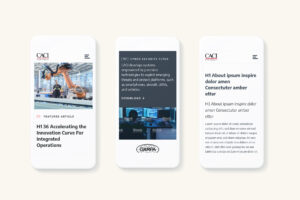
See how we helped CACI transform
Creative and content as transformation catalysts
Transformation succeeds when your story is clear and compelling. A differentiated narrative turns features into outcomes and enables sales to sell higher and faster. Invest in a modular content system that reuses core assets across formats and funnel stages. Thought leadership should frame a problem space, quantify business impact, and offer a practical path forward. Align content to journey stages, from problem identification to solution selection, with explicit calls to action that advance momentum.
For executional excellence, collaborate with specialists in content marketing who can connect brand, narrative, and channel activation. Pair strong visuals with crisp messaging, and test variations against priority segments. Creativity and consistency are force multipliers that make b2b marketing campaign strategies memorable and trusted.
Paid, owned, and earned media working as one
Channel choice matters less than orchestration. Blend search, social, display, and events around the same audience hypothesis and offer strategy. Use paid to generate qualified attention, owned to deepen engagement, and earned to accelerate trust. Maintain message discipline across placements so that repetition builds meaning. Implement testing frameworks that compare offers, creative, and landing experiences by segment and buying stage.
Optimize discoverability. Technical and on-page search engine optimization strengthens your owned foundation, lowers cost per acquisition, and compounds results over time. Map content to high-intent queries that align with your solutions. A strong organic base turns b2b marketing campaign strategies into durable growth engines beyond paid spikes.
Measurement framework executives can run
- Business outcomes: pipeline contribution, revenue, average deal size, and win rate.
- Leading indicators: engagement depth, sales acceptance rate, and stage-by-stage conversion.
- Channel metrics: CAC and payback by program, informed by clear attribution rules.
- Cadence: weekly operational dashboards, monthly optimization reviews, and quarterly strategy resets.
Governance, security, and compliance for B2G realities
Public sector and regulated markets introduce additional requirements for content claims, data handling, and procurement processes. Build compliance reviews into creative and media workflows. Segment workspaces and permissions to isolate sensitive data. Maintain documentation that accelerates due diligence when partnering with agencies or vendors. For organizations selling to government buyers, partner with a public sector digital marketing agency that understands procurement cycles, mission priorities, and stakeholder dynamics. These capabilities strengthen b2b marketing campaign strategies in complex stakeholder environments.

View how we brought the BlueHalo branding from an idea to reality
Seven moves to accelerate value in the next 90 days
- Audit and align. Run a rapid maturity assessment across data, tech, content, and measurement. Choose three use cases that will materially improve b2b marketing campaign strategies this quarter.
- Rebuild the dashboard. Replace channel-first views with revenue-centric KPIs. Make it easy to see how b2b marketing campaign strategies affect pipeline, velocity, and expansion.
- Tighten the ICP. Use sales feedback, intent signals, and win-loss insights to refine target accounts. Focus b2b marketing campaign strategies on segments with the highest propensity to buy.
- Speed the website. Fix performance, accessibility, and journey friction. Launch high-impact experiments that support b2b marketing campaign strategies, like simplified forms and contextual offers.
- Unify naming conventions. Harmonize UTMs, campaigns, and audience taxonomies. This single step improves reporting fidelity and the agility of b2b marketing campaign strategies.
- Activate AI responsibly. Pilot AI for content variation, QA, and budget pacing with human oversight. Measure lift to validate inclusion in future b2b marketing campaign strategies.
- Strengthen sales alignment. Align SLAs, messaging, and follow-up plays. Jointly review accounts weekly to refine b2b marketing campaign strategies based on real buyer signals.
Invest in analytics and intelligence for confident decisions
Transformation stalls without credible insight. Establish a data layer that captures anonymous and known behaviors, enriches profiles, and supports predictive scoring. Standardize models for lead and account qualification so that sales trusts what marketing delivers. Implement test-and-learn plans with clear hypotheses and success thresholds. Equip teams with scenario planning tools to reallocate spend in response to market shifts.
When teams can see signal early and measure impact clearly, they improve b2b marketing campaign strategies with confidence. Consider partnering on advanced attribution, forecasting, and optimization through specialized marketing analytics technology implementations that fit your stack and budget.
Why Bluetext is a proven partner for digital transformation
Digital transformation succeeds when strategy, creativity, and execution stay aligned to revenue outcomes. Bluetext brings integrated capabilities across brand, content, media, and technology to help leaders modernize faster. As a specialized B2B marketing agency, we design b2b marketing campaign strategies that connect narrative, data, and channels into performance systems. We solve for the near-term wins that build momentum, while laying the long-term foundation for durable growth.
Our teams operationalize insights into action, from segment strategy to agile production and optimization. We activate modular content across paid, owned, and earned, and we embed measurement frameworks that fund what works. We also remove friction across martech and workflows, using proven playbooks and accelerators. If you need help turning digital transformation goals into b2b marketing campaign strategies that deliver pipeline and revenue, explore how our specialists in website personalization and content marketing support faster time to value.
Now is the time to simplify, focus, and scale what works. If you are ready to sharpen your vision, modernize your stack, and build b2b marketing campaign strategies that move the market, contact Bluetext to discuss your goals and opportunities.
Marketing leaders in the nation’s capital face a unique mandate: deliver measurable growth while addressing complex buying committees, security expectations, and procurement rules. In this environment, web design in Washington DC is not a cosmetic exercise. It is a strategic lever that informs positioning, supports capture and growth, and turns complicated value propositions into clear actions. The organizations that treat their digital front door as a performance system, not an online brochure, gain an immediate edge over competitors who still design by opinion rather than evidence.
Why web design matters now for B2B and B2G growth
Decision cycles are faster, attention is scarcer, and expectations set by consumer platforms spill into enterprise and public sector journeys. Effective web design in Washington DC becomes the connective tissue between brand promise, thought leadership, and sales enablement. It fuels pipeline by clarifying value, proving credibility, and making the next step obvious. This is especially true across federal and regulated markets, where stakeholders must quickly confirm that vendors meet security, compliance, and mission needs. When your website removes friction and builds trust in the first 30 seconds, everything downstream gets easier.
What does high-performing web design in Washington DC look like?
High performers treat the site as a growth platform built around the buyer. Their web design in Washington DC is grounded in user research across key personas such as program managers, procurement officers, CISOs, CTOs, and business executives. These teams map questions to content, streamline pathways to conversion, and reinforce expertise with proof. The experience is fast, secure, accessible, and measurable. Every feature and pixel has a job to do, from navigation labels that mirror RFP vocabulary to performance budgets aligned to Core Web Vitals.
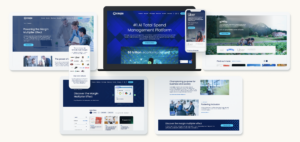
See how we partnered with Coupa
Trend 1: Personalization that respects privacy and accelerates clarity
Modern web design in Washington DC increasingly relies on modular content and light personalization to meet stakeholders where they are. A federal program manager might need contract vehicles and past performance, while a CTO wants architecture diagrams and integration specifics. Modular components allow the same page to adapt contextually based on referrer, industry, or user intent signals. The result is faster relevance without overwhelming visitors with irrelevant paths.
How to implement personalization without overreach
Adopt a consent-first, value-forward mindset. Begin with segment-level experiences that align calls to action with known priorities in Washington, such as mission outcomes, compliance, and risk reduction. Use progressive profiling in forms to reduce friction for repeat visitors. Make every personalized element explainable and genuinely helpful. The most effective web design in Washington DC balances helpful context with clear privacy controls, which is critical for public sector audiences.
Trend 2: Accessibility, compliance, and trust as design requirements
Accessibility is not optional in the capital. Successful web design in Washington DC meets WCAG standards, aligns to Section 508 where relevant, and treats inclusive design as both a moral and commercial imperative. Color contrast, keyboard navigation, semantic headings, and readable typography benefit all users while signaling quality. Compliance readiness, from privacy disclosures to content archiving practices, increases confidence among risk-conscious stakeholders who evaluate vendors on responsibility as well as capability.
Trend 3: Speed and Core Web Vitals as table stakes
Fast beats fancy. Sites that nail search visibility and engagement typically prioritize performance budgets, modern image formats, and lean, component-based front ends. Strong web design in Washington DC bakes Core Web Vitals into definition of done and continually monitors real user metrics. The payoff is immediate: faster page loads, higher organic reach, better conversion rates, and improved user satisfaction across mobile and desktop.
Trend 4: AI-powered findability and site search
Stakeholders expect precise answers fast. Enterprise-grade site search, improved taxonomy, and structured content allow users to self-serve with confidence. Leading web design in Washington DC now incorporates AI-assisted search that understands intent, ranks content by credibility, and suggests next steps such as booking a briefing or downloading a solution guide. When your website answers the top 20 buyer questions better than anyone else, you set the frame for every sales conversation that follows.
Trend 5: Security-first UX for public sector confidence
Security is both a technical and experience issue. Visitors take cues from execution details, such as clean form design, clear data practices, and minimal third-party bloat. Web design in Washington DC often integrates secure single sign-on for resource portals, uses content security policies, and limits unnecessary scripts that introduce risk. Trust badges and case evidence matter, but the frictionless, secure feel of the site communicates even more about how your team handles sensitive information.
How to align content with DC buyer journeys
For both commercial and government audiences, the shortest route to consideration is valuable content packaged for scan-ability. The best web design in Washington DC organizes content by use case, mission outcome, and role-based needs. Executive pages lead with outcomes and differentiation. Technical pages move quickly into architecture, integrations, and documentation. Procurement pages make contract vehicles, NAICS codes, and performance highlights easy to find. Clear, outcome-driven storytelling reduces cognitive load and raises the signal-to-noise ratio.
Take a look at what we built with Kratos
Search visibility remains the quiet force multiplier
Strong information architecture and technical SEO expand qualified reach. Optimize for topic clusters tied to your solutions and the language decision makers use, not just branded terms. Structured data, internal linking, and clean component-based templates improve crawl efficiency. Web design in Washington DC that treats organic search as a core channel often outperforms peers who rely too heavily on paid to mask discoverability gaps. Teams that integrate search engine optimization from the beginning avoid costly retrofits and ship faster-performing experiences.
Choosing the right CMS for scalability and control
Select a platform that matches governance, security, and speed requirements. For many organizations, WordPress balances ease of authoring with enterprise-grade performance through modern hosting and composable stacks. Others prefer Drupal for granular permissions and content modeling flexibility. The most effective web design in Washington DC adopts a CMS that enables non-technical teams to publish quickly while maintaining brand and security standards.
Platform guidance for DC-centric needs
Organizations that require rapid content updates and campaign agility often benefit from WordPress development services with a component library and robust role-based workflows. Enterprises and public sector teams with complex editorial and access control needs lean into Drupal development for its strength in structured content and governance. In both cases, build for performance from the outset and standardize reusable components to ensure consistency across campaigns.
Measurement: connect digital to pipeline and programs
Your website should prove its impact. High-performing web design in Washington DC defines a measurement model tied to sales stages, capture targets, and program goals. Track assisted conversions, content-influenced opportunities, and velocity. Combine product interest signals with account identification to surface relevant plays for business development. Dashboards that translate digital activity into revenue language give executives the clarity they need to invest confidently.
A 180-day roadmap to a high-performing redesign
Leaders often ask how to move fast without sacrificing quality. A disciplined, sprint-based approach allows teams to ship value early while laying a scalable foundation. The following blueprint has helped many organizations modernize web design in Washington DC on time and within budget:
- Weeks 1 to 3: Stakeholder interviews, competitive scan, analytics review, and buyer journey mapping. Define KPIs and success metrics.
- Weeks 4 to 6: Information architecture, content model, and component inventory. Prioritize templates for launch vs. backlog.
- Weeks 7 to 10: UX/UI design for core templates. Validate with rapid user testing that reflects DC personas.
- Weeks 11 to 16: Front-end build, CMS configuration, performance budgets, and content migration plan.
- Weeks 17 to 20: QA for accessibility, Core Web Vitals, and security controls. UAT with sales, BD, and compliance teams.
- Weeks 21 to 24: Content finalization, SEO readiness, and phased launch. Monitor and optimize against KPI dashboards.
Local context matters: why DC familiarity gives you an edge
Teams experienced in web design for government clients understand the cadence of the federal calendar, the importance of contract vehicles, and the expectations of technical buyers who manage risk at scale. They anticipate scrutiny around accessibility and privacy, reflect mission language accurately, and design proof points for complex procurements. This local fluency shortens cycles and prevents costly missteps that can stall launches or weaken credibility.
Integrating brand, messaging, and conversion paths
Design is the expression of strategy. The strongest web design in Washington DC is anchored in a clear positioning platform that scales across product lines, capture initiatives, and thought leadership. Messaging frameworks turn into page templates and component copy standards. Calls to action are specific to buyer stage, such as booking a demo, requesting a capabilities briefing, or downloading a contracting guide. Consistent brand execution reinforces authority, while conversion design turns that authority into meetings and revenue.
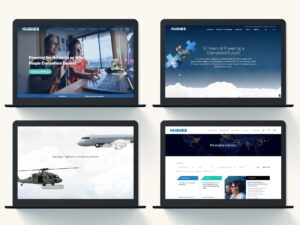
Get a closer look at our work with Hughes
Common pitfalls to avoid in Washington DC redesigns
Missteps are predictable and preventable. Resist the urge to design by internal preference rather than user evidence. Do not defer performance until the end. Avoid navigation labels that mirror your org chart instead of buyer language. Do not launch without a content governance model that keeps pages fresh and compliant. Above all, do not treat web design in Washington DC as a one-and-done project. Treat it as a living program that evolves with the market and your pipeline priorities.
Criteria for selecting a DC-ready web partner
Choosing the right collaborator can compress timelines and magnify outcomes. When evaluating partners, look for:
- Proven success delivering web design in Washington DC across B2B and B2G audiences.
- Expertise in accessibility, compliance, and performance monitoring.
- Demonstrated ability to translate complex value propositions into clear, modular content.
- SEO, analytics, and conversion optimization embedded in the process.
- A component-driven design system that accelerates future campaigns.
Local expertise is a differentiator. A DC digital web design agency understands the regional procurement landscape and can shape journeys that reflect how real stakeholders search, evaluate, and decide.
When to upgrade your web platform and design system
Signals include stagnant organic traffic despite content investments, rising paid media dependence to hit targets, dated templates that cannot express new offerings, or governance gaps that slow publishing. If your team cannot answer the top 20 buyer questions in two clicks or less, it is time to modernize. Strong web design in Washington DC closes these gaps with speed, structure, and credibility.
From traffic to trust: orchestrating the full journey
Websites do not win alone. Surround the experience with targeted demand programs that put the right people into the right paths. Integrate LinkedIn, ABM, and public sector events with landing pages that mirror campaign messaging. Nurture visitors with value-first follow-ups rather than generic blasts. The most effective web design in DC turns earned attention into confidence through consistent storytelling, fast answers, and frictionless conversion points.
Partnering with Bluetext for measurable outcomes
Bluetext helps brands translate complex stories into digital experiences that move markets. As a full-service website design agency, we build component-driven platforms that meet the demands of enterprise and public sector buyers. Our team aligns strategy, content, UX, and performance to the KPIs that matter: qualified pipeline, win rates, and time to value. For agencies and contractors that compete in government markets, our public sector digital marketing agency expertise elevates compliance and credibility from the first click.
Take the next step
If you are ready to transform web design in Washington DC into a competitive advantage, Bluetext can help. Whether you need a modernization roadmap, a component library that scales, or a full redesign anchored in measurable growth, our team is built for outcomes. Contact us to discuss your goals and see how an evidence-driven approach can accelerate your pipeline and brand authority. Reach out through our contact form to start the conversation.
Marketing leaders in complex B2B and B2G categories are navigating longer buying cycles, stricter compliance environments, and higher expectations for digital experiences. The firms winning market share are not just executing more campaigns. They are reimagining engagement with the rigor of product design and the precision of revenue operations. Creative digital marketing agencies bring that blend of creativity and accountability to the table, translating strategy into experiences that move buying groups from interest to intent to purchase. This article outlines the innovative strategies these partners deploy and how modern brands can put them to work now.
Why B2B and B2G leaders are turning to specialized partners
Most enterprise teams have the talent to run programs. What is missing is the cross-functional orchestration that ties brand, content, media, and sales motions together. Creative digital marketing agencies fill that gap with integrated teams across strategy, design, technology, and analytics. For executives who need outcomes instead of activities, this model compresses time to value and creates accountability from brief to board deck.
The most effective partners operate like growth architects. They assess markets, clarify positioning, design measurement frameworks, and ship experiments that scale when they work and sunset when they do not. That approach is why many organizations select a B2B marketing agency as a force multiplier for in-house resources, especially when entering new verticals or consolidating portfolios after M&A. In parallel, public sector vendors often require the nuanced understanding that only seasoned B2G teams can provide.
From disconnected campaigns to connected experiences
Campaigns remain useful, but they should sit inside a larger experience architecture that anticipates each interaction in the buying journey. Creative digital marketing agencies map that architecture across owned, earned, and paid environments. The goal is not just to serve more impressions, but to choreograph a sequence of helpful interactions that reduce friction and build preference.
Three principles define this shift. First, design for buying groups, not personas in isolation, because consensus buying dominates complex purchases. Second, replace sporadic handoffs with automated signal sharing across platforms so intent data from one touchpoint improves the next. Third, keep brand consistency while tailoring message depth by role so champions, influencers, and approvers each see value framed in their language.
From ABM 1.0 to buying group design
Account-based marketing once meant firmographic targeting with broad messaging. Creative digital marketing agencies now structure buying group design at the outset. They identify decision makers, map information needs by stage, and align content to expected objections. The result is less waste and more velocity. When a technical evaluator engages, the next touch offers detail. When a budget holder responds, the next step sharpens business outcomes and risk mitigation.
Data, privacy, and precision audience strategy
Precision targeting and privacy can coexist. The best creative digital marketing agencies operate with governance-first data practices while still unlocking competitive advantage through analytics. They prioritize first-party signals, build consented data models, and reduce dependency on rented audiences that can vanish with a policy change.
The most mature programs unify media, web, CRM, and product usage data in lightweight clean rooms or privacy-safe clouds. This creates a single view of buying group engagement without exposing sensitive information. With that foundation, teams can segment by propensity and recency, not just industry and company size, which increases efficiency at any budget level.
First-party value exchanges that people welcome
Executives are more willing to share information when content provides real value. Creative digital marketing agencies craft offers people actually want, such as diagnostic tools, ROI calculators, and executive briefings. They also refine forms and progressive profiling so each subsequent ask is smaller and more contextual. Value exchanges become a trust signal rather than a barrier when done right.
Brand platforms that travel across channels
Brand is not a veneer placed on top of campaigns. It is the operating system for every growth motion. Modern brand platforms include market position, narrative architecture, visual and verbal systems, and a library of proof points and stories. Creative digital marketing agencies develop these platforms so they can scale across channels without losing clarity or distinctiveness.
Executives should insist on three outputs: a differentiated promise that anchors the value proposition, a set of narrative lanes for each audience, and a proof engine that continuously harvests customer evidence. With these in place, performance teams stop reinventing headlines and start extending a consistent story across search, social, email, web, and sales enablement.
Messaging architectures that enable speed
Long review cycles kill agility. The cure is a messaging architecture that aligns legal, compliance, and product teams on claims and disclaimers in advance. Creative digital marketing agencies bring facilitation and documentation disciplines to reach alignment early, then publish guidance that enables faster creative approvals without compromising accuracy.

Check out our work with BlueHalo
Personalization that respects compliance and elevates UX
Personalization earns trust when it is helpful and transparent. The most effective programs avoid creepy tactics and focus on utility. For example, they tailor navigation to role, surface relevant case studies by sector, and pre-populate resource centers with content aligned to the last interaction. Strategic partners rely on modular design systems so personalization does not balloon production costs.
Leading teams also implement website personalization frameworks that start small and scale. They pilot clear hypotheses, like whether a security buyer converts faster when seeing industry-specific validation, then expand only when the data supports it. This keeps resources focused and stakeholder confidence high.
Search discoverability and the rise of answer engines
Organic search remains a high-intent channel, and answer engines are reshaping how buyers discover solutions. Creative digital marketing agencies build content that wins zero-click experiences, featured snippets, and high-visibility panels. They structure pages for clarity, adopt schema where appropriate, and align topic clusters to the way executives ask questions, not just how marketers want to answer.
Technical excellence matters as much as content quality. Site speed, accessible design, and crawl-friendly architecture influence visibility. Experienced partners perform gap analyses and create roadmaps that combine quick wins with foundational improvements. Teams that want a deeper assessment often engage focused search engine optimization programs to accelerate results.
Content formats that move committees to consensus
Consensus is a content problem as much as a sales problem. Stakeholders need to digest the same story through different lenses. Creative digital marketing agencies plan content portfolios that compress time to understanding. Executive briefs translate complexity into outcomes. Solution guides answer deep technical questions. Benchmark reports and customer evidence neutralize risk objections. When each piece connects to the next, committees converge faster.
Video, interactive demos, and virtual briefings
Video shortens the distance between awareness and comprehension. It demonstrates outcomes, humanizes expertise, and scales executive access. Creative digital marketing agencies use modular production to atomize shoots into chapters, clips, and social cuts that feed multiple channels. For inspiration on how versatile modern productions can be, review a curated video portfolio that spans explainers, product demos, and customer storytelling.
Interactive demos extend attention and collect intent signals. Virtual briefings and micro-events add intimacy at scale. Each asset should have a clear role in the journey and measurable next steps. The best teams treat content like software, with versioning, telemetry, and continuous improvement.
See our video work with nShift
Demand orchestration and revenue accountability
Performance marketing is no longer a media-only discipline. It is an orchestration challenge that spans creative, data, and sales enablement. Creative digital marketing agencies align tactics to business outcomes with transparent attribution and clear service level agreements between marketing and sales. That means committing to pipeline goals, not just MQL counts, and building dashboards executives can trust.
Core practices include stage-based scoring that aligns to opportunity health, suppression logic that protects customer experience, and creative testing plans that rotate offers without fatiguing audiences. As teams mature, they adopt predictive models to prioritize accounts and time outreach. The unifying thread is shared accountability for revenue, renewal, and expansion.
What differentiates top creative digital marketing agencies
Not all partners operate the same way. The strongest performers share attributes that matter to executive buyers. They translate strategy into shippable programs quickly. Their design systems are built for scale without sacrificing craft. Their analytics separate correlation from causation. They develop clear points of view on markets instead of waiting passively for briefs. Most importantly, they create conditions for internal teams to win by building processes and assets that endure.
For B2G sellers, depth in public sector narratives is non-negotiable. Contracting cycles, mission outcomes, and acquisition pathways shape both content and channels. Working with B2G content and digital marketing experts ensures stories resonate with federal, state, and local audiences while staying compliant with procurement and privacy requirements.
Practical roadmap to implement these strategies
Leaders do not need a twelve-month overhaul to see impact. A focused 90-day roadmap can unlock momentum while laying the groundwork for scale. Creative digital marketing agencies often start with a sequence like the one below to deliver visible wins and organizational confidence.
- Clarify the growth thesis. Align on where growth will come from by segment, product, and geography. Pressure test with sales leaders and customer success.
- Audit the journey. Identify friction points from first touch to opportunity. Document gaps in content, proof, and handoffs.
- Stand up a measurement baseline. Define north-star metrics and diagnostic KPIs. Instrument a minimal dashboard and agree on definitions.
- Ship a pilot. Choose one buying group and one priority segment. Build a connected experience across three to five touchpoints with tailored content and clear next steps.
- Analyze, learn, and scale. Socialize the results, refine creative and targeting, and apply the model to adjacent segments.
Within that plan, select additional accelerators that address your most urgent constraints. If discovery is weak, invest in technical and content SEO. If the story is fragmented, refine your brand platform and message hierarchy. If conversion lags, improve page design, offers, and follow-up sequencing. The right creative digital marketing agencies will help you prioritize for maximal impact.
Check out our work with BlueAlly
Innovative tactics executives can greenlight now
The following moves are practical, budget-aware, and proven in complex markets. Each is designed to deliver measurable results while informing longer-term strategy.
- Launch an outcomes library. Package concise customer stories anchored in measurable impact. Build role-specific summaries for quick executive review.
- Deploy micro-segmentation in paid media. Replace broad targeting with tiered clusters that converge by role, industry, and current pain points.
- Modernize landing experiences. Use modular blocks to tailor value propositions, proof, and CTAs without creating endless one-off pages.
- Upgrade intent qualification. Blend behavioral and firmographic signals to route leads with precision, and suppress those still early in research.
- Institutionalize creative testing. Commit to weekly or biweekly variations of headline, visual, and offer, then elevate winners into evergreen assets.
How to align teams and budget without disruption
Change succeeds when leaders frame it as a capability upgrade rather than a reset. Establish a simple operating cadence. Weekly working sessions to unblock tasks. Monthly reviews to align on performance insights. Quarterly planning to refresh hypotheses and funding. Creative digital marketing agencies often embed with internal teams to accelerate knowledge transfer and reduce reliance on external resources over time.
Procurement becomes easier when the business case is explicit. Tie investments to pipeline coverage, opportunity velocity, and win rate. Highlight the cost of delay in markets with aggressive competitors or consolidation pressure. With a shared scorecard and a clear plan, budget shifts from cost to growth investment.
Measuring what matters and proving value
Executives want clarity, not dashboards for their own sake. The best measures answer three questions.
- Are we reaching the right audiences?
- Are we changing behavior at each stage?
- Are we creating profitable revenue?
Creative digital marketing agencies ensure instrumentation supports those questions and that insights translate into action. They also establish counter-metrics to protect customer experience, like frequency caps and suppression lists for active opportunities.
Proof does not have to wait for a full sales cycle. Early indicators include qualified meeting rates, content completion, demo requests by segment, and influenced pipeline with clear attribution logic. As momentum builds, track conversion by buying group, average deal value, and contribution to renewal and expansion.
The opportunity ahead for B2B and B2G brands
Markets are shifting, but the fundamentals remain. Distinctive brand, useful content, and respectful personalization win attention and trust. What has changed is the level of coordination required to deliver them at enterprise scale. Creative digital marketing agencies help leaders operationalize that coordination. They combine strategic clarity, exceptional creative, and rigorous analytics to create experiences that shorten decisions and strengthen relationships.
If your team is ready to advance its marketing architecture, bring in a partner that builds for impact and longevity. From portfolio positioning and narrative development to integrated media, content, and analytics, a aligned partner can transform how your brand shows up across channels and how revenue teams execute day to day.
Bluetext works with complex B2B and B2G organizations to do exactly that, across strategy, branding, and integrated programs. Explore our methodology in depth, or move straight to a focused assessment that identifies the fastest path to measurable gains. To get started, contact Bluetext for a conversation about where you are today and how we can help you build the foundations for sustained growth across your next quarter and your next horizon.
Sustainable branding has moved from a niche talking point to a board-level mandate for organizations that serve both commercial and public sector buyers. Executives are under pressure to prove environmental and social value, not just financial performance. In this context, Washington DC marketing firms have emerged as pioneers in aligning purpose with measurable outcomes. Positioned at the intersection of federal policy, regulated industries, and mission-driven organizations, Washington DC marketing firms bring a rigor and credibility to sustainability narratives that is difficult to replicate elsewhere. For leaders who need sustainability to translate into pipeline growth, procurement readiness, and enterprise value, the region offers a distinctive blend of strategic discipline, policy fluency, and creative excellence.
Why sustainability now sits at the center of B2B and B2G brand strategy
Sustainability is no longer a peripheral CSR initiative. It influences how contracts are awarded, where investors deploy capital, how employees choose employers, and how citizens judge progress. Washington DC marketing firms see this shift every day across federal RFP criteria, state and local procurement guidelines, and enterprise buyer shortlists. For B2B and B2G organizations, sustainability confers competitive advantage when it is integrated into brand architecture, customer experience, and sales enablement. That is why Washington DC marketing firms build sustainability into positioning and messaging from the outset rather than treating it as a campaign add-on.
There is also a trust imperative. Claims that lack substantiation can backfire quickly with procurement officials, analysts, and technically sophisticated buyers. The best Washington DC marketing firms treat sustainability like any performance attribute. They establish a baseline, agree on metrics, and craft communications that explain both progress and tradeoffs without overpromising results.
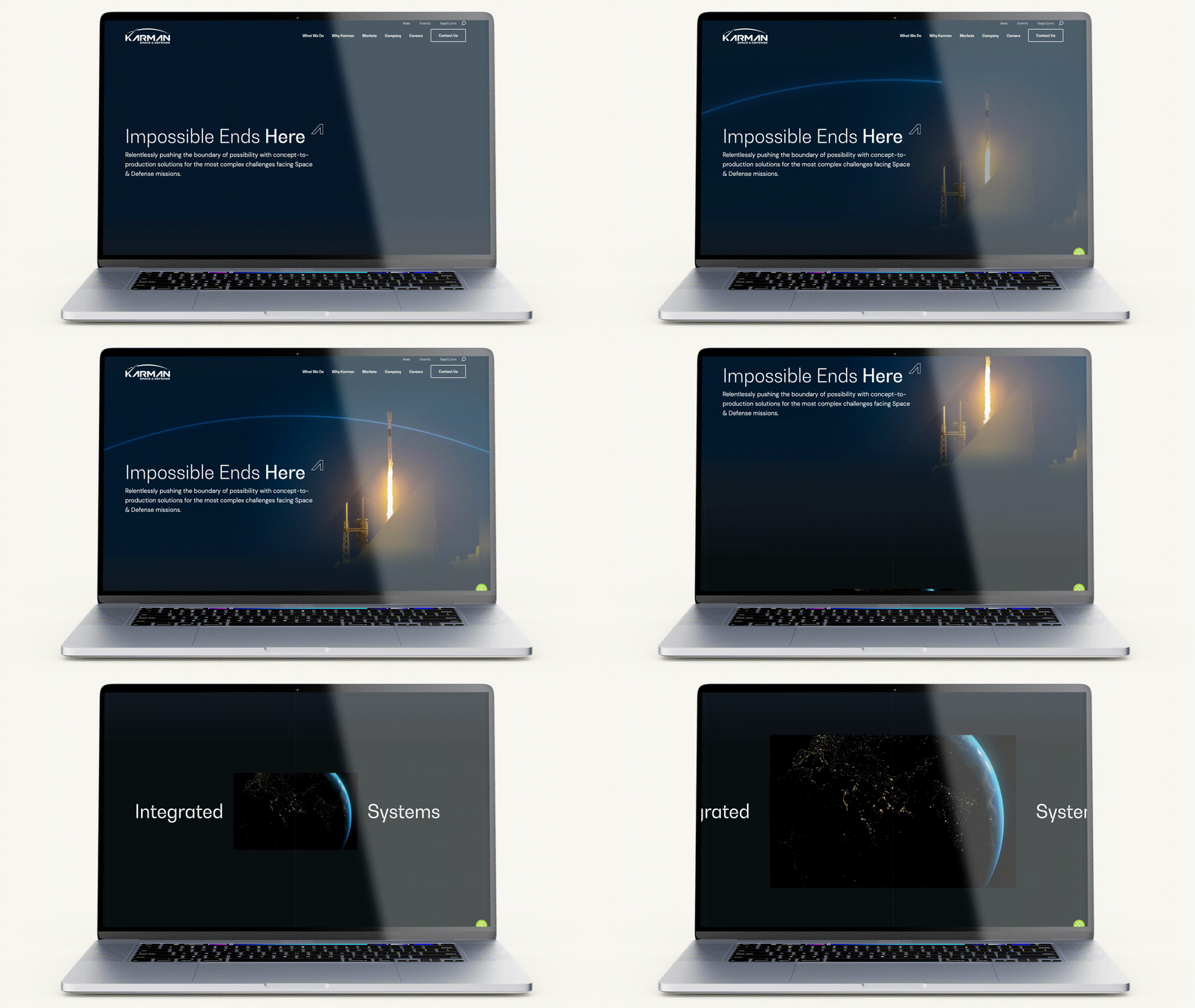
Check out our work with Karman Space & Defense
What sets Washington-based agencies apart in sustainable branding
The region’s ecosystem blends government, NGOs, think tanks, and global enterprises. That mix cultivates a practical understanding of policy timelines, compliance language, and stakeholder engagement. When sustainability ambitions collide with operational reality, Washington DC marketing firms can translate complex requirements into simple, compelling value propositions. They recognize how federal frameworks such as climate resilience, supply chain transparency, and energy efficiency ripple through sourcing, vendor risk, and program oversight. They also understand how to brief senior stakeholders, from agency program managers to C-suite leaders, in ways that maintain credibility.
Another differentiator is speed with substance. Tight windows for RFP responses and budget cycles demand rapid synthesis of technical material. Washington DC marketing firms specialize in building clear narratives from dense documentation, engineering data, and policy memos. That means sustainability proofs can be advanced in weeks rather than months, with messaging ready for capture teams, partner alignment, and field marketing.
Building a sustainable brand platform that wins buyers and budgets
Effective sustainability programs begin with a strong brand foundation. A defined purpose, crisp positioning, and a disciplined visual and verbal system provide consistency across channels and contracts. Leaders often start by stress-testing their value proposition against sustainability use cases, then codify the results inside a formal platform. Teams that need a proven framework partner look to expert branding capabilities that organize complex claims into category-defining platforms.
Washington DC marketing firms typically guide clients through a sequenced approach: align executive intent, assess stakeholder expectations, prioritize initiatives with clear ROI, and codify simple proof points. Those proof points should be both outcome oriented and attributable. For example, instead of saying a solution “reduces emissions,” quantify expected reductions over a defined timeframe and specify the mechanism. Washington DC marketing firms hardwire these details into messaging playbooks so the story scales across teams and partners without drift.

Messaging that resonates with policymakers, procurement, and technical buyers
Sustainability messaging must work on three levels at once: regulatory alignment, operational value, and human impact. The best frameworks synthesize these layers without jargon. Washington DC marketing firms often structure narratives around three questions: what policy requirement is at stake, how the solution satisfies or exceeds that requirement, and what quantifiable benefits accrue to the mission. That format delivers confidence to acquisition officials while remaining persuasive to end users and citizens.
Proof hierarchy matters as well. Lead with the most verifiable, contract-relevant evidence first. Use data visualizations to compress complex metrics into a single glance. Support claims with independent validations when possible. Washington DC marketing firms build libraries of vignettes that map specific features to sustainability standards and program outcomes so that capture and solution engineering teams have a common language.
Translating ESG ambition into measurable outcomes and KPIs
Sustainability performance is only as strong as the metrics behind it. Begin with a baseline and define a limited set of KPIs that correlate with growth, cost reduction, or risk mitigation. Executive teams benefit from a measurement plan that connects data collection to storytelling and sales. Washington DC marketing firms typically establish quarterly checkpoints to validate progress, refine targets, and update content. Leaders who want analytical rigor often partner with teams skilled in research and analytics to set the right benchmarks and attribute impact to the right levers.
Dashboards should be built for different audiences. Executives need trend lines and forecasts. Program managers need leading indicators and alerts. Sales needs simple fact packs and case snapshots. Washington DC marketing firms reduce friction by automating data ingestion where possible and creating modular content that can be updated without full redesign.
How to avoid greenwashing and build durable trust
The surest way to avoid greenwashing is to align claims with auditable evidence and to communicate progress with humility. If a target is aspirational, label it as such and pair it with interim milestones. If there are tradeoffs, explain them. Washington DC marketing firms coach clients to stress test their language under regulatory scrutiny and to ensure that visuals do not imply benefits the data cannot support. They also bake in governance so that sustainability content has a clear owner and review cycle.
Partner selection matters too. Validate suppliers, verify certifications, and pressure test the chain of custody for claims that depend on third parties. Washington DC marketing firms often help clients institute a content provenance process so that data sources are tracked, updated, and ready for due diligence.
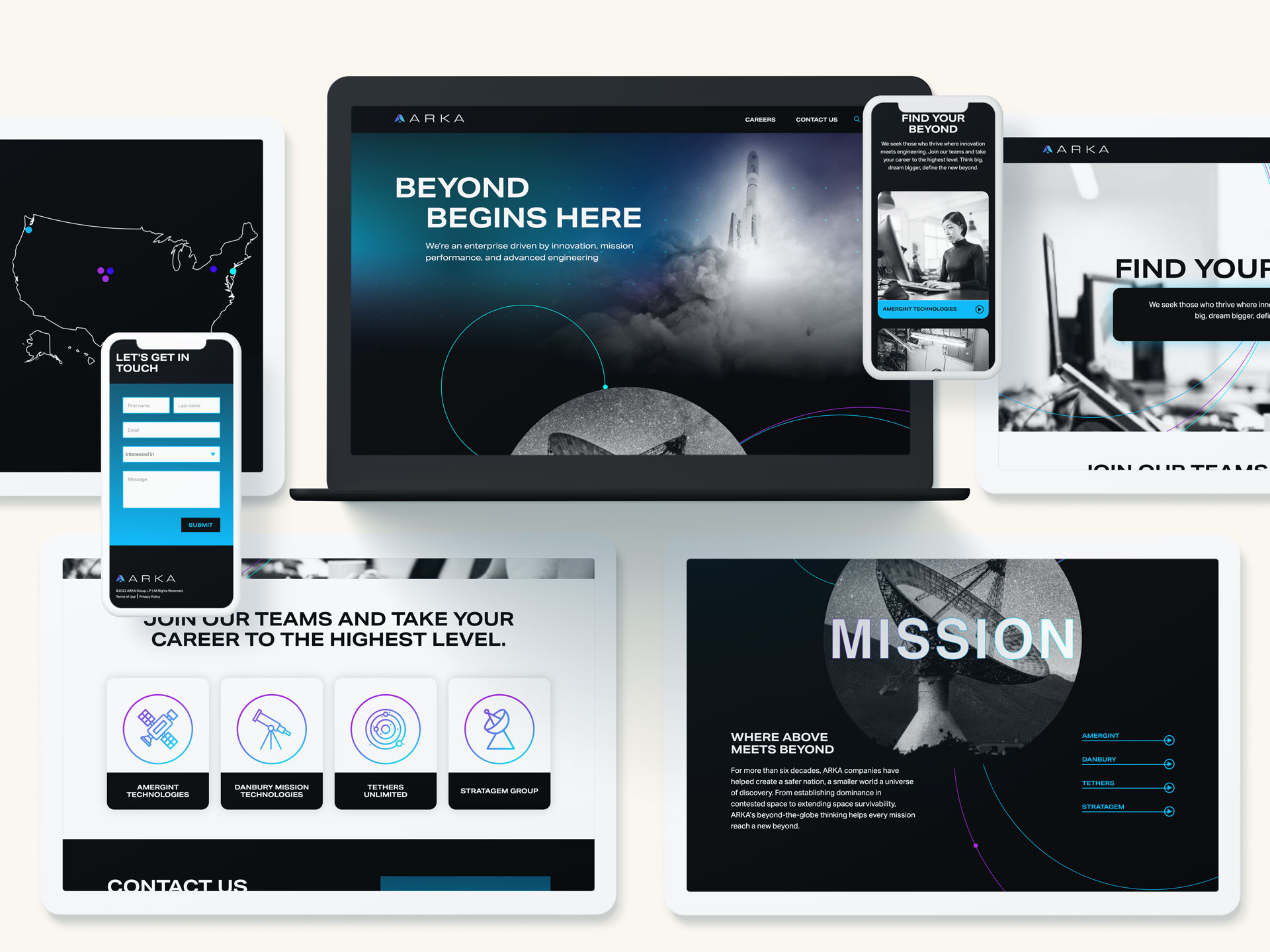
Digital experiences that encode sustainability into the user journey
For B2B and B2G brands, sustainability should live in the product experience and the website, not just on a corporate responsibility page. Start with information architecture. Make sustainability benefits discoverable by role, use case, and compliance need. Provide calculators or estimators that let buyers model outcomes. Washington DC marketing firms integrate these elements into design systems so that sustainability communicates by default rather than by exception. Organizations that are evolving their digital footprint often look to specialized website design and development programs to embed these features efficiently.
Site performance also matters. Faster pages and efficient media delivery can reduce digital carbon footprints while improving conversion. Washington DC marketing firms optimize media, adopt modular component libraries, and create content governance models that prevent bloat.
Search and content strategies that scale sustainability reach
Executives expect sustainability to support demand generation, not just reputation. That starts with thoughtful topic modeling, entity optimization, and authoritative content that anticipates buyer and policy queries. Washington DC marketing firms plan editorial calendars around regulatory milestones, budget cycles, and industry events. They pair leadership perspectives with practical guides, ROI models, and customer stories that show how sustainability delivers operational value. The result is a durable content engine that compels both discovery and conversion.
Organic search is not only about keywords. It is about intent and authority. Washington DC marketing firms balance technical SEO with human-centered narratives so that sustainability pages rank and resonate. They build internal linking structures that surface proof where and when it is most persuasive, and they equip sales with content derivatives tailored to capture timelines.
Industry lenses: where sustainable branding moves markets
Different sectors require distinct approaches. In energy and utilities, sustainability is the proposition itself. In aerospace and defense, it must align with mission assurance and life cycle cost. In logistics and manufacturing, it shows up in supply chain visibility and efficiency. Washington DC marketing firms frame these nuances in sector playbooks that map benefits to the metrics buyers value most. Leaders building strategies across energy transition and resilience turn to partners with deep energy experience to translate complex engineering into market momentum.
Public sector priorities also evolve quickly. Electrification, grid modernization, climate resilience, and sustainable procurement are accelerating. Washington DC marketing firms help clients anticipate budget narratives and tailor solutions to agency missions. They translate sustainability into better citizen outcomes, smoother program delivery, and lower total cost of ownership, which is how proposals win.
Public sector marketing considerations for sustainable brands
Success in B2G requires fluency in procurement language, contract vehicles, and pre-award influence. Sustainability claims should map to evaluation factors and be woven into management plans, staffing approaches, and quality control narratives. Washington DC marketing firms excel at aligning sustainability messages with acquisition strategies while maintaining traceable proof paths. For organizations expanding their government footprint, experienced public sector marketers help convert complex sustainability stories into compliant, competitive content.
Industry partnerships can amplify credibility. Teaming with suppliers that bring verified environmental performance, or universities that contribute research, can strengthen the offer. Washington DC marketing firms orchestrate these ecosystems so that the joint story is seamless and defensible.
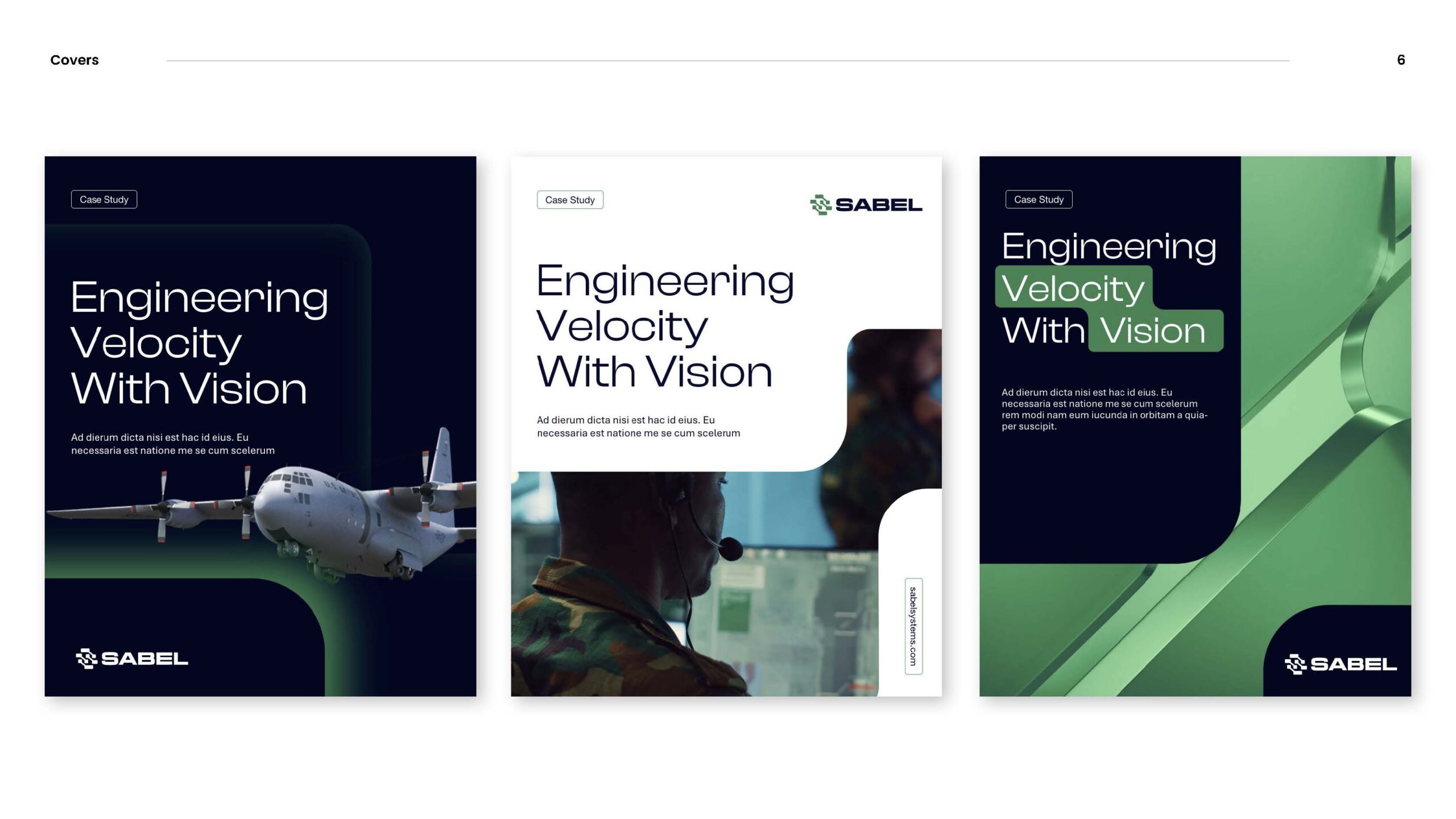
Check out our work with Sabel Systems
Creative that makes sustainable stories memorable
Data earns trust, but creativity earns attention. Visual systems, motion graphics, and interactive tools can translate technical sustainability benefits into intuitive understanding. Washington DC marketing firms invest in concept development that connects purpose to performance in a single frame or headline. The most effective creative distills complex engineering truths into symbols and narratives that executives recall in the next budget meeting.
Content should scale across touchpoints. Think briefing center screens, capture decks, proposal graphics, social thought leadership, and product UI. Washington DC marketing firms maintain a common design language across channels so that sustainability looks and feels consistent whether it is a one-to-many keynote or a one-to-one procurement conversation.
Operating model: standing up a sustainable brand newsroom
To keep pace with policy shifts and stakeholder expectations, treat sustainability like a newsroom. Establish a cross-functional team that includes marketing, product, legal, and operations. Define beats such as policy updates, customer outcomes, and R&D milestones. Washington DC marketing firms often serve as an extension of this newsroom, providing editorial direction, creative production, and analytics to keep content accurate and timely.
Governance is critical. Create approval workflows that balance speed with accuracy. Maintain a source-of-truth repository for metrics and references. Washington DC marketing firms reinforce these processes with templates, asset libraries, and content calendars that keep teams aligned and compliant.
Measuring the commercial impact of sustainable branding
Executives want to see sustainability move the numbers. Identify commercial indicators that correlate with sustainability engagement such as RFP shortlisting rates, deal cycle time, cross-sell velocity in energy-efficient product lines, and premium win rates for solutions with verified impact. Washington DC marketing firms link content engagement to these indicators and report the story in business terms. That reporting earns continued investment and refines the playbook over time.
Do not ignore internal metrics. Employee advocacy, recruiting efficiency, and retention can all benefit from a credible sustainability platform. Washington DC marketing firms help HR and communications teams align messages so that the internal story is as strong as the external one.
How to select the right DC partner for sustainable branding
Look for four attributes. First, evidence of policy and procurement fluency for your sector. Second, a track record of turning complex technical material into clear narratives. Third, a measurement mindset that treats sustainability like a performance KPI. Fourth, creative excellence that brings the story to life without exaggeration. Washington DC marketing firms that embody these traits will accelerate your strategy and reduce execution risk.
Request examples that show before-and-after brand impact, not only beautiful deliverables. Ask how they structure stakeholder interviews, validate claims, and manage content governance. The strongest Washington DC marketing firms will welcome this scrutiny and show how they have applied the same rigor to their own operations.
Why Bluetext: a practical partner for purpose and performance
Bluetext helps growth-minded organizations build sustainable brands that win in complex markets. Our team pairs policy and procurement fluency with world-class creative and digital execution. We translate ambitious sustainability goals into positioning, narratives, and experiences that withstand due diligence and speed decisions. Whether your growth strategy is enterprise, channel, or federal, we design programs that connect sustainability to pipeline and performance. Washington DC marketing firms thrive on outcomes, and Bluetext is built to deliver them with clarity and speed.
If you are ready to advance your sustainable brand, align your executive team, and scale a content engine that drives measurable impact, contact Bluetext to discuss strategy, branding, or campaign support. We partner with leaders to build durable, credible platforms that convert sustainability from promise into competitive advantage across the markets that matter most.
Local expertise changes outcomes. For B2B and B2G leaders, selecting a Washington DC marketing agency is not just about proximity to Capitol Hill. It is about tapping into a culture that understands policy, procurement, and public opinion, and can translate those dynamics into growth. A Washington DC marketing agency combines policy fluency with performance marketing, delivering brand strategies and demand programs that resonate with officials, program managers, industry analysts, and enterprise buyers across the Beltway and beyond.
What makes a Washington DC marketing agency different?
A Washington DC marketing agency sits at the intersection of policy, power, and press. That vantage point means faster pattern recognition on regulatory shifts, market access programs, and funding priorities, as well as sharper instincts for how to position complex solutions for skeptical decision makers. The best teams have daily contact with associations, think tanks, and congressional staff, which shortens the distance between message development and market traction.
Unlike generalist firms, a Washington DC marketing agency like Bluetext is built for complexity. It knows how to distill long sales cycles into measurable milestones, how to shape narratives that satisfy compliance while still converting, and how to orchestrate campaigns that reach targets inside and outside of government. This blend of policy literacy, enterprise-tech depth, and performance rigor creates a strategic advantage for companies operating in regulated sectors or selling into the federal market.

Check out our work with Aechelon
How local insight improves B2G and regulated-industry campaigns
Executives often ask why a Washington DC marketing agency drives stronger results in public sector and adjacent markets. The answer is access and context. Access to subject matter experts enables fast-turn content that aligns with current policy debates and budget windows. Context about agency structures, acquisition timelines, and oversight boards refines targeting, creative, and channel mix.
For organizations navigating federal, state, or municipal environments, a Washington DC marketing agency can act as an interpreter. It maps customer journeys that include program offices, integrators, and primes, then designs campaigns to influence each touchpoint. It equips sales teams with compliant enablement materials, and it aligns brand credibility with mission outcomes. That is difficult to replicate without an on-the-ground team that understands the nuances of appropriations cycles, RFI responses, and vehicles like GWACs and IDIQs.
What does a Washington DC marketing agency bring to B2G go-to-market?
Winning in B2G requires synchronized strategy, creative, and capture support. A Washington DC marketing agency is adept at integrating brand positioning, persona-driven messaging, and account-based marketing into a cohesive program that aligns with procurement horizons. The work starts with stakeholder mapping and messaging frameworks tailored to mission, risk, and value realization. It continues with channel plans that blend paid, earned, shared, and owned to reach decision makers where they are, from industry publications to committee briefings.
If your organization sells to public sector buyers, partnering with a public sector digital marketing agency ensures that demand programs reflect the real structure of government decision making. That alignment pays off in higher response rates, stronger thought leadership placements, and more credible sales conversations. It also speeds internal approvals since content and creative are built with compliance and clearance in mind.
How case experience accelerates execution
Experience in mission-critical categories compresses time to value. A Washington DC marketing agency that routinely collaborates with primes, emerging tech vendors, and systems integrators understands the language of cybersecurity, data analytics, logistics, and critical infrastructure. The ability to translate technical depth into policy-centric outcomes is a competitive advantage.
Reviewing examples is instructive. See how Bluetext approaches sector challenges through our work with government contractors, where brand modernization and demand generation drive differentiation at the edge of innovation. Patterns repeat across programs, which means insights gained in one engagement often strengthen the next.
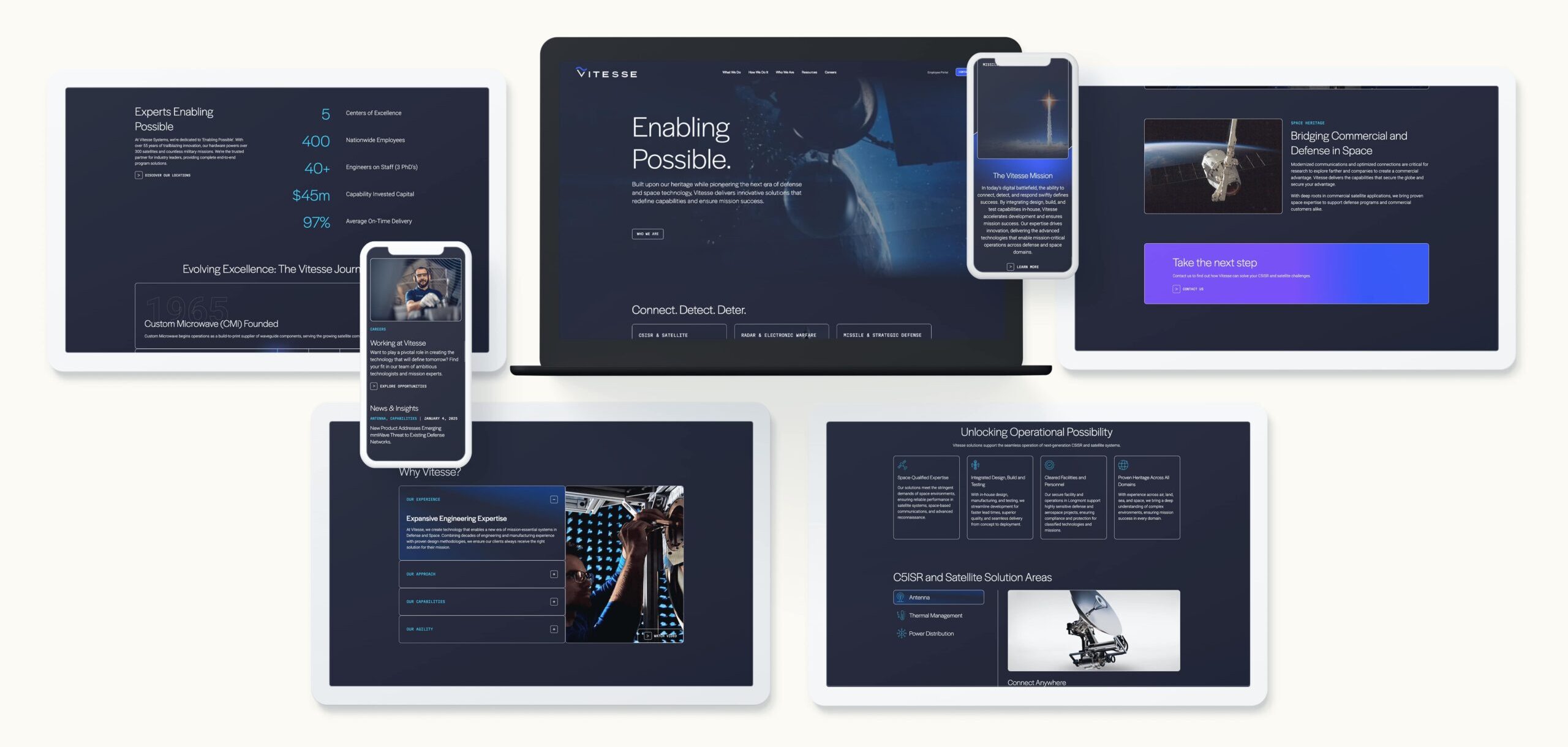
Check out our work with Vitesse
How a Washington DC marketing agency improves SEO and AEO
Executives increasingly prioritize answer-engine optimization for buying groups that begin with research questions, not product names. A Washington DC marketing agency has a distinctive edge in SEO because it can embed policy terms, funding priorities, and compliance queries into content that actually answers what officials and evaluators are searching for. It knows how to build topic clusters around mission outcomes, how to structure pages that resolve intent, and how to measure visibility among niche audiences.
Effective SEO is not just metadata. It requires keyword strategies tethered to federal calendars, schema markup aligned to thought leadership, and a publishing cadence that reflects legislative and budget cycles. Bluetext’s search engine optimization work is built to win in these conditions, with on-page technical rigor and editorial strategies that surface qualified traffic ready for sales engagement. When executed correctly, a Washington DC marketing agency can convert policy-driven searches into pipeline by meeting intent with substance.
How proximity to policymakers sharpens thought leadership
Thought leadership cuts through when it connects policy to practical outcomes. A Washington DC marketing agency can validate topics with former officials, association leaders, and academic experts, which elevates credibility and relevance. That proximity also fosters timely commentary when hearings, reports, or directives change the conversation. Rapid response content, paired with earned media outreach, positions brands as trusted advisors to both government and industry.
This is particularly critical for categories like cybersecurity, healthcare, energy, and transportation, where legislation and standards heavily influence buyer priorities. A Washington DC marketing agency can help executives frame perspectives that are both visionary and grounded in how agencies evaluate risk and readiness.
Creative that understands the Beltway audience
Creative effectiveness depends on context. Inside the Beltway, visuals, language, and stories must align with mission, stewardship, and trust. A Washington DC marketing agency builds campaigns that respect the public mandate while still commanding attention. It uses policy-aware language, avoids overstatement, and focuses on outcome storytelling that resonates with program goals.
If you are evaluating partners, review what it means to be a top creative agency in DC. Look for work that demonstrates brevity without simplification, distinctive design without theatrics, and a clear line from creative concept to measurable performance. Those traits reflect a team that knows how to persuade discerning audiences who must justify every dollar spent.
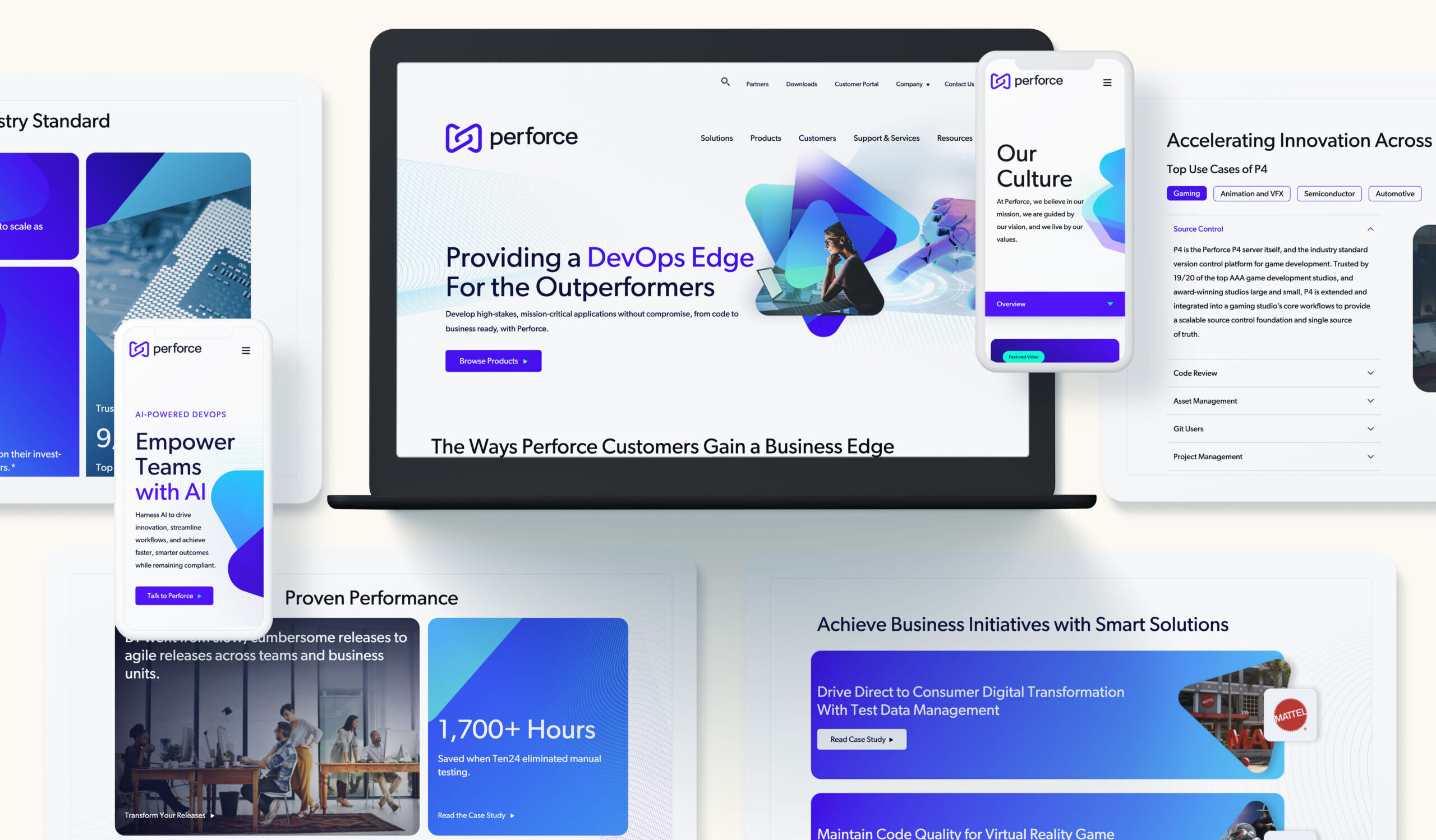
Check out our work with Perforce
Event, trade show, and ABM activation inside the Beltway
The DC region hosts a dense calendar of policy forums, industry gatherings, and agency-specific events. A Washington DC marketing agency turns these moments into performance engines through pre-event ABM outreach, on-site experiences, and post-event nurture. The goal is not just foot traffic. It is orchestrated engagement that moves targeted accounts from awareness to conversation to capture support.
For in-person and hybrid programs, strong activations rely on message discipline and flawless logistics. If events are a core growth lever, examine how an agency approaches trade shows and events. You should see integrated creative, interactive demos designed for complex buyer journeys, and intelligence loops that convert booth interactions into sales-ready signals.
What to look for when selecting a Washington DC marketing agency
Choosing the right partner requires more than a portfolio review. Use the criteria below to evaluate fit and impact:
- Policy fluency: Can the team explain how current directives and funding priorities affect your pipeline, and reflect that in messaging and creative?
- Category depth: Does the agency have repeatable success in your sector, including regulated industries and B2G?
- Go-to-market integration: Will strategy, brand, content, media, and analytics operate as one program with shared KPIs?
- Executive access: Can they put senior strategists and creatives in the room with your leadership and SMEs when it matters?
- Measurement maturity: Are they prepared to connect brand and demand to attributable revenue and contract wins?
- Speed to value: Do they have proven processes for discovery, approvals, and production that accommodate stakeholder complexity?
A Washington DC marketing agency that excels in these areas can reduce risk, accelerate outcomes, and strengthen cross-functional alignment between marketing, sales, and capture teams.
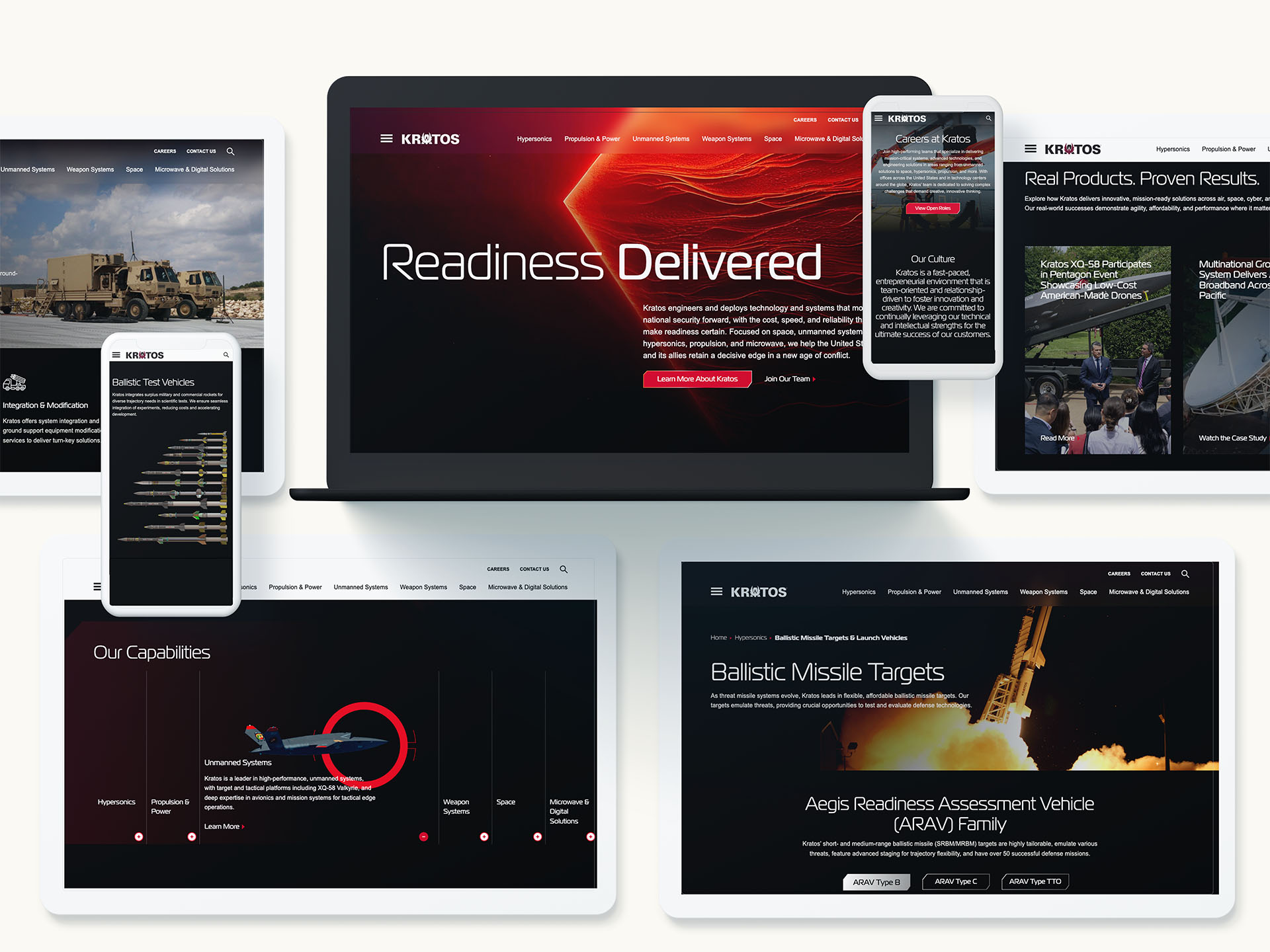
Check out our work with Kratos
Measurement that ties brand to pipeline
Local expertise should show up in the numbers. A Washington DC marketing agency brings a measurement plan that reflects long sales cycles and multi-stakeholder influence. That includes tracking influence across executive briefings, thought leadership readership among policy audiences, account progression in ABM programs, and qualified lead conversion against target vehicles and contract timelines.
Executives should expect clear dashboards and decision support. That means attribution models that balance first-touch and multi-touch realities, reporting that aligns with capture milestones, and insights that guide budget reallocation without waiting for quarter-end. The right Washington DC marketing agency will stand up this infrastructure early so performance signals inform strategy throughout the engagement.
Brand architecture for complex portfolios
Many organizations serving the public sector manage intricate portfolios created through M&A or multi-solution growth. A Washington DC marketing agency like Bluetext can rationalize brands, rename products to fit mission narratives, and redesign identity systems that scale across business units and contract vehicles. This is not just visual refinement. It is a way to reduce confusion in the market and to give sales teams simple, credible stories that align with how government buyers evaluate vendors.
Clarity pays dividends in credibility. When solutions map cleanly to mission outcomes, when value propositions read like answers to program requirements, and when visuals reinforce trust, you shorten the distance from first impression to shortlist. A Washington DC marketing agency, informed by the rhythm of federal buying, will prioritize that clarity.
Content strategies that mirror the buyer’s path
High-performing content strategies start with audience intent. A Washington DC marketing agency knows how to design editorial calendars that parallel solicitations, compliance checkpoints, and executive policy cycles. It balances cornerstone thought leadership with agile commentary, and pairs educational assets with conversion paths designed for capture support.
For B2B audiences adjacent to government, the same rigor applies. Strategy documents, technical briefs, and case stories need to speak to governance, risk, and workforce impact. A Washington DC marketing agency builds content that proves credibility without overwhelming the reader, then packages it for distribution across owned, earned, and paid channels.
Check out our work with Sabel Systems
Media relations and public affairs integration
Media relationships in Washington are shaped by substance. Reporters and editors expect clear expertise and original insights supported by data. A Washington DC marketing agency cultivates those relationships with consistent, high-value interactions, not sporadic pitches. The result is a media program that complements demand generation, reinforces leadership positioning, and mitigates risk when issues arise.
Public affairs integration matters as well. The line between marketing and policy conversations is thin in this market. A Washington DC marketing agency can coordinate message calendars, ensure compliance, and maintain alignment between external communications and government relations. That alignment protects brand equity and strengthens trust with stakeholders.
Operational advantages of a DC-based team
There are practical benefits to geography. A Washington DC marketing agency can convene stakeholders quickly for workshops and approvals. It can staff events, capture executive video content, and facilitate analyst or media meetings with less lead time. For fast-moving campaigns tied to hearings, releases, or budget decisions, that responsiveness is a force multiplier.
A DC-based team also knows the venues, vendors, and processes that keep production smooth. From secure facilities for executive briefings to specialized photographers familiar with federal sites, the logistical network improves quality and speed. In a market where timing is often decisive, these operational advantages translate directly into performance.
Common use cases that benefit most from local expertise
While nearly any growth initiative can gain from local insight, certain programs see outsized returns with a Washington DC marketing agency:
- Brand relaunches and repositioning tied to a shift into public sector or regulated industries
- ABM programs aimed at agencies, integrators, and primes with complex buying committees
- Content and thought leadership built around policy milestones or standards adoption
- Event-centered growth tied to federal trade shows, executive roundtables, and policy forums
- Search strategies that require precise alignment with mission, compliance, and funding terms
In each case, a Washington DC marketing agency brings speed, relevance, and credibility that elevate outcomes over national generalists.

Why Bluetext
Bluetext has earned its reputation by solving complex growth challenges for global brands, innovators, and government-focused enterprises. We combine strategy, brand, creative, and performance with a deep understanding of the DC ecosystem. Whether you need to enter the public sector, scale account-based programs, or modernize your brand for a regulated audience, a Washington DC marketing agency with Bluetext’s track record delivers results that stand up in the boardroom and on the capture plan.
Next steps
If your organization is ready to turn proximity into performance, partner with a Washington DC marketing agency that understands policy, procurement, and pipeline. Explore how Bluetext can support your strategy, branding, and campaign needs, then contact Bluetext to start a conversation with our leadership team. We will meet you where you are, define a path to measurable impact, and build programs that move markets across the Beltway and beyond.
Technology is rewriting the rules of market differentiation, sales velocity, and stakeholder trust. Strategy still determines where to play and how to win, but execution increasingly depends on data pipelines, connected platforms, and creative that adapts in real time. This is why Washington DC marketing firms have become catalysts for growth across B2B and B2G. They sit at the crossroad of policy, procurement, and product innovation, pairing enterprise-grade strategy with the tools to deliver measurable outcomes. For executive teams tasked with capturing share in complex ecosystems, Washington DC marketing firms like Bluetext offer a pragmatic path to align positioning, pipeline, and performance.
Check out our work with Kratos
What sets DC-based firms apart in B2B and B2G
While many agencies claim integrated capabilities, Washington DC marketing firms are built around realities that other markets rarely face. They operate in sectors where credibility is a currency, compliance is a given, and purchase decisions involve committees with technical, legal, finance, and mission stakeholders. That environment demands a discipline that blends category expertise, analyst-informed messaging, and marketing operations that can withstand scrutiny from procurement and security teams.
Proximity matters. Washington DC marketing firms track shifts in regulation, funding cycles, and agency priorities, then translate them into audience insights and demand plays. The result is strategy that connects big themes like modernization, cybersecurity resilience, or AI governance to tightly defined solution narratives and programs that move pipelines forward.
Understanding procurement cycles and buying committees
Federal and regulated market opportunities often move through long cycles with hard gates. Washington DC marketing firms design content, events, and outreach that match each step, from early market research and draft RFPs to post-award adoption. Instead of generic nurture, you get precise engagement plans aligned to program milestones, teaming dynamics, and influencer maps inside agencies or Fortune 1000 buyers.
Compliance, accessibility, and security by design
Trust is nonnegotiable in public sector and critical infrastructure. Leading Washington DC marketing firms build creative and digital experiences with accessibility and privacy in mind. That includes Section 508, WCAG conformance, data minimization, and tight governance for marketing tech stacks. Content is vetted for factual rigor and defensible claims, reducing risk while accelerating approvals.
Check out our work with Sabel Systems
How DC firms bridge technology and strategy
Bridging technology and strategy starts with the operating model. Washington DC marketing firms connect executive positioning with the pipelines, dashboards, and creative systems that turn strategy into outcomes. The work spans insight, architecture, activation, and optimization.
From data strategy to activation
Strong programs start with an evidence base. Audience segmentation leverages intent data, CRM signals, and program performance to isolate segments that match growth priorities. Washington DC marketing firms then map those segments to message frameworks, content architectures, and channel mixes. Activation plans coordinate paid, owned, earned, and field motions so each touch speeds consensus across technical and business buyers.
Integrating martech with sales orchestration
Campaigns perform when tech stacks are aligned. Washington DC marketing firms support their clients by standardizing taxonomies, defining UTM governance, and integrating marketing automation with CRM. That creates reliable attribution and shortens time to insight. The best partners can pivot budgets within a quarter based on real performance, feeding wins back into content and creative for compounding returns.
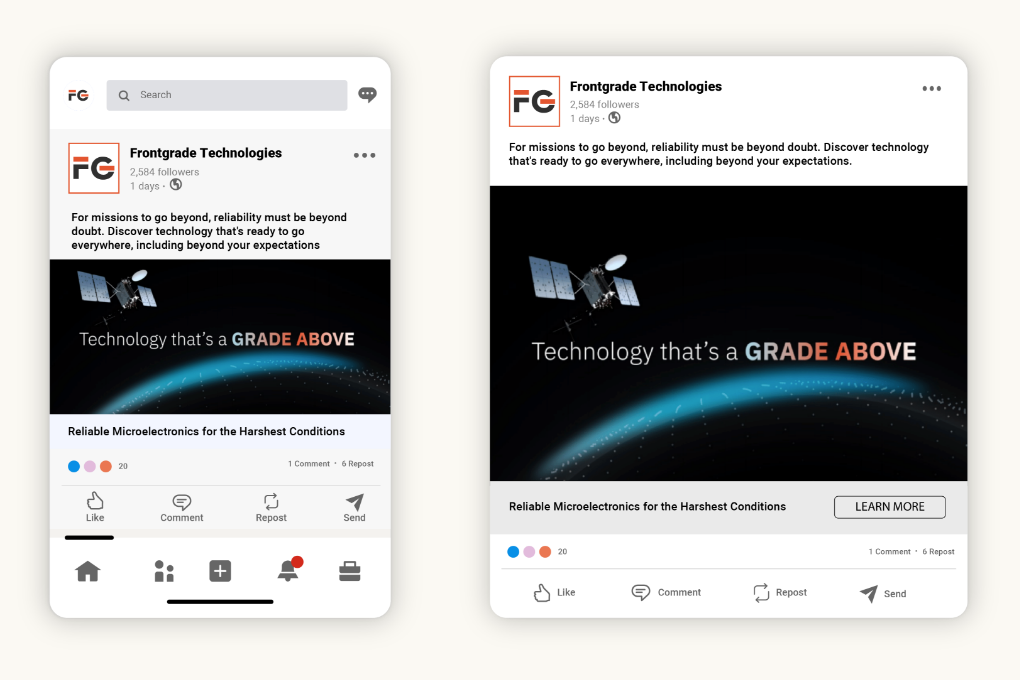
Check out our work with Frontgrade
Positioning that accelerates complex deals
In categories like cybersecurity, data platforms, logistics, healthcare, and national security, differentiation is not about louder claims. It is about clarity, use cases, and proof. Washington DC marketing firms develop messaging that speaks to mission outcomes and business impact, then show the math with case stories, demos, and third-party validation. Executives see the connection between the brand promise and pipeline progression in high-value accounts.
Thought leadership that earns trust
Senior audiences do not want product brochures dressed up as insights. Washington DC marketing firms build editorial programs that tackle policy shifts, technical tradeoffs, and operational realities. The approach often includes research-backed reports, C-level roundtables, and targeted media programs that position leaders as stewards of change. Over time, this thought leadership becomes a flywheel for account-based marketing and partner enablement.
Account-based marketing for enterprise and public sector
ABM succeeds when strategy, content, and operations move in unison. Washington DC marketing firms help their clients orchestrate tiered programs from one-to-one to one-to-few motions. Each account’s strategy aligns to the opportunity landscape, decision criteria, and competitive dynamics. Content is personalized at the problem level, not just the logo level, so every touch adds substance and momentum.
Field, events, and briefing centers
In-person engagement still drives trust in high-stakes markets. Washington DC marketing firms design executive briefings, roadshows, and tradeshow strategies that amplify thought leadership and turn meetings into next steps. Tight coordination with SDR and capture teams ensures fast, relevant follow-up. The output is pipeline, not just presence.
Search visibility as a revenue lever
Organic visibility is the first conversion for many decision makers. Washington DC marketing firms treat SEO and AEO as a strategic capability, not a checklist. Work includes intent-aligned keyword portfolios, technical audits, and content hubs that answer executive questions and practitioner needs. Measurement ties rankings and traffic to meaningful conversions and late-stage influence, not vanity metrics. For organizations investing in this capability, rigorous search engine optimization discipline becomes a compounding growth asset.
Digital experiences built for conversion
Websites must serve analysts, procurement officers, engineers, and C-level buyers at once. Washington DC-based marketing firms define information architectures that guide each visitor type to proof, demos, and next steps quickly. Design and copy collaborate to reduce friction across journeys. On the backend, experimentation frameworks validate changes with real data. A conversion-optimized foundation for website design and development often unlocks efficiencies across the entire funnel.
Measurement that earns board confidence
Executives need to see the line from investment to impact. Washington DC marketing firms implement measurement frameworks that segment outcomes by market, product line, and account tier. Multi-touch attribution is balanced with cohort analysis for long cycles. Dashboards roll up to a simple narrative: what worked, what did not, and what to do next. The precision helps marketing defend budgets and inform product, pricing, and route-to-market decisions.
Attribution in long buying cycles
Attribution is never perfect, but it can be fit for purpose. Washington DC marketing firms use hybrid models that weight executive content, events, and partner influence alongside digital conversions. The key is governance and consistency, so trend lines guide real budget shifts rather than opinion. Over time, the organization builds institutional memory that de-risks decisions.

Check out our work with Aechelon
How to evaluate Washington DC marketing firms
Choosing a partner is a high-stakes decision. Use this checklist to separate rhetoric from readiness.
- Category fluency: Ask for examples in your exact segment and buyer type. The best Washington DC marketing firms bring nuanced understanding of procurement, compliance, and competitive dynamics.
- Strategy-to-ops linkage: Look for teams that connect positioning to channel plans, content architectures, and sales orchestration. Ask how they will operationalize your story within your stack.
- Measurement plan: Require a clear methodology for targets, attribution, and reporting cadences. Washington DC marketing firms should define KPIs that the board respects.
- Security and compliance: Validate processes for accessibility, privacy, and data governance. Public sector and regulated buyers will ask. Your partner must answer.
- Change management: Assess how the firm leads workshops, aligns stakeholders, and trains your team. Great ideas die without adoption.
Common pitfalls to avoid
Even strong programs stall when basic risks are ignored. Washington DC marketing firms help clients avoid these traps, but internal alignment is still required.
- Strategy without enablement: Messaging guides nothing if sales and partners cannot use it. Build toolkits and train relentlessly.
- Content that misses the buyer: Executive priorities differ from practitioner needs. Segment topics, depth, and tone to match each audience.
- Fragmented data: Inconsistent taxonomies and loose tracking cripple insights. Establish governance on day one.
- Underpowered creative: Regulated markets do not require boring work. Washington DC marketing firms use bold but credible creative to break through safely.
- Short-term bias: Complex markets reward compounding investments. Balance demand sprints with brand and SEO programs that pay for years.
Emerging trends DC leaders are operationalizing
Marketing sits at the center of transformational themes. Washington DC marketing firms convert these trends into practical playbooks.
- AI augmentation: From audience modeling to creative iteration, AI speeds cycles and expands testing. Governance and human oversight keep outputs on brand and on brief.
- Privacy-centric growth: Signal loss requires new data strategies. First-party data capture and contextual programs replace over-reliance on third-party cookies.
- Accessibility as advantage: Inclusive design is both compliance and conversion. It increases reach while protecting the brand.
- Partner ecosystems: Alliances and integrators influence big deals. Programs must co-market and co-sell with clarity on joint value and pipeline impact.
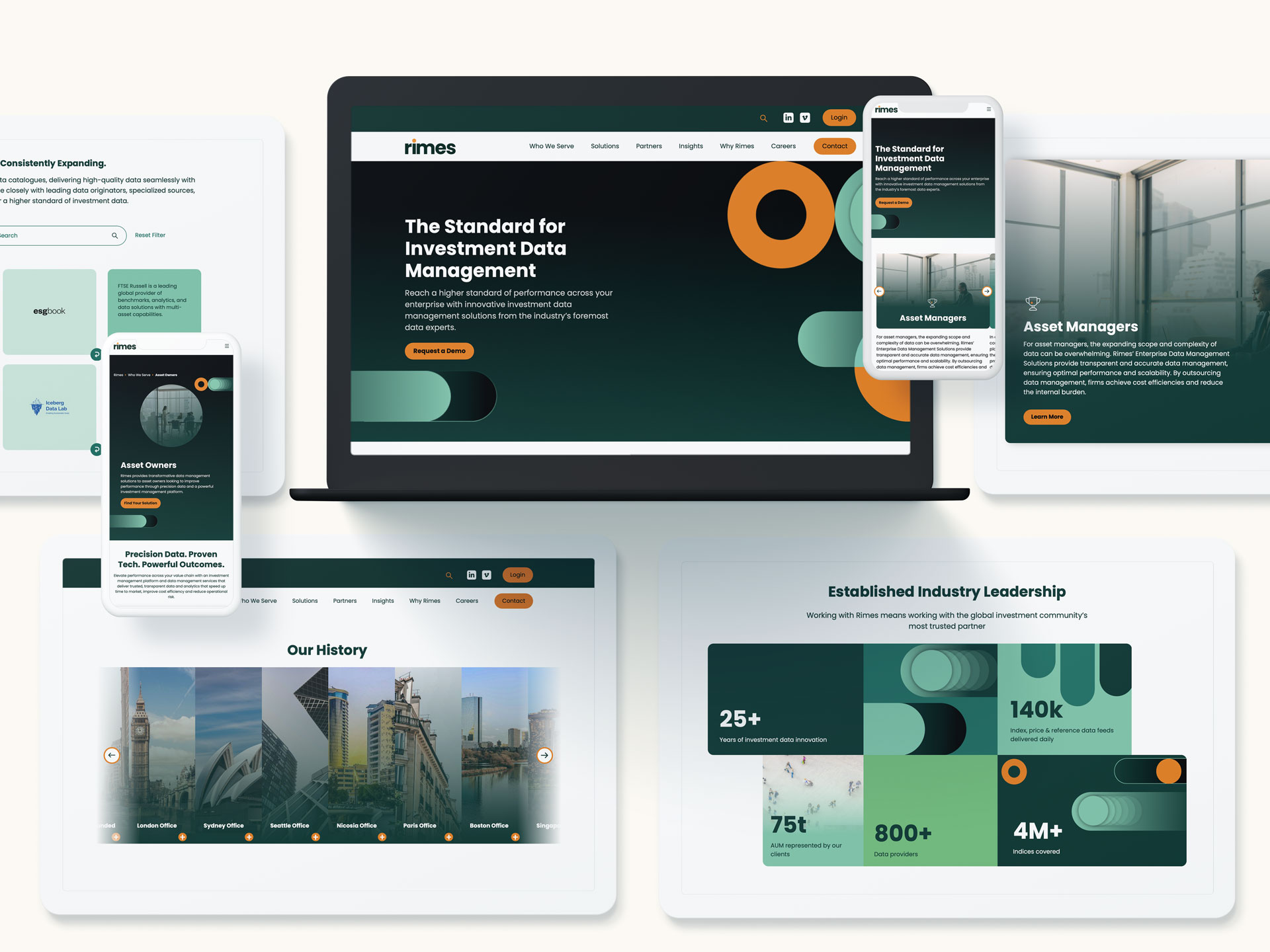
The DC advantage for integrated campaigns
Integrated programs demand program management and creative agility. Washington DC marketing firms build strategies that mirror your operating model and run sprints with clear owners. They anticipate legal review cycles, compliance checks, and leadership visibility. Most important, they protect momentum by staging workstreams so creative, media, web, and sales enablement move in lockstep rather than wait on one another.
From brand to pipeline in one roadmap
Executives want both long-term brand value and near-term revenue. Washington DC marketing firms like Bluetext create roadmaps that start with positioning, then immediately translate the story into ABM plays, web upgrades, and media flights. This flow eliminates internal lags and produces early wins that fund further transformation.
Why partner with Bluetext
Bluetext has helped growth-stage innovators, enterprise leaders, and mission-driven organizations turn complex narratives into momentum. As a full-service B2B marketing agency that lives at the intersection of brand, demand, and digital, our teams bring the rigor of Washington DC marketing firms to every engagement. We pair research-driven messaging with creative that earns attention and operations that scale. Our specialists in B2G marketing understand the nuances of the public sector, while our digital teams deliver the platforms and workflows that convert.
Clients choose us for launch programs that reposition categories, ABM that moves enterprise deals, and digital ecosystems that align product, sales, and partner motions. Whether you need to modernize your web presence, unlock demand through media and content, or operationalize analytics across regions, we bring a playbook proven in the most demanding markets. If you want the strategic discipline and executional horsepower of Washington DC marketing firms in one partner, we are ready to help. Contact us to align your brand, campaigns, and digital experience around growth. Reach out to Bluetext to discuss strategy, branding, or campaign support that bridges technology and strategy and turns your goals into measurable results.