In today’s digital landscape, inbound marketing has become a cornerstone strategy for engaging both business-to-business (B2B) and business-to-government (B2G) audiences. Leading inbound agencies are leveraging innovative tactics to drive government engagement, creating impactful campaigns that resonate with public sector decision-makers. For marketing leaders, understanding how these agencies operate is crucial for developing effective strategies that address the unique challenges and opportunities within government sectors.
Understanding Inbound Marketing for Government
Inbound marketing is a methodology that focuses on attracting, engaging, and delighting audiences through valuable content and experiences tailored to them. In the context of government engagement, it involves crafting messages and content that address the specific needs and interests of government officials and agencies. This approach contrasts with traditional outbound marketing tactics, which often involve direct advertising and broad messaging.
Leading inbound agencies excel at customizing content to align with government priorities, such as compliance, transparency, and efficiency. By creating content that speaks directly to these concerns, agencies can build trust and establish authority within the public sector. This strategy is particularly effective when combined with data-driven insights that help agencies understand the unique landscape of government operations.

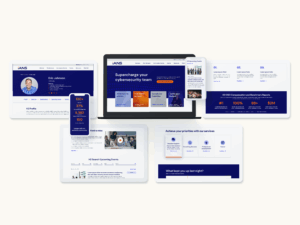
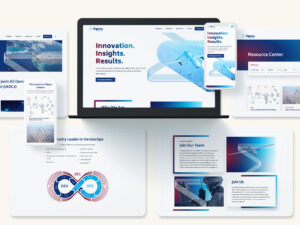
Break down the build behind Squadra’s new brand identity
The Role of Digital Channels in Government Engagement
Digital channels play a pivotal role in inbound marketing strategies aimed at government engagement. Platforms such as LinkedIn, industry-specific forums, and government-focused publications offer opportunities for agencies to connect with key decision-makers. These channels enable the dissemination of thought leadership content that can influence policy discussions and purchasing decisions.
Moreover, digital channels provide a measurable way to track engagement and adjust strategies in real-time. Agencies can analyze metrics such as click-through rates, engagement levels, and audience demographics to refine their approach. This level of insight is crucial for optimizing campaigns and ensuring that messaging resonates with government audiences.
Content Marketing as a Key Driver
Content marketing is at the heart of successful inbound strategies for government engagement. By producing high-quality content that addresses the pain points and goals of government entities, agencies can position themselves as valuable partners in problem-solving. This content may include white papers, case studies, webinars, and blogs that provide actionable insights and solutions.
The most effective content marketing strategies are those that are informed by deep industry knowledge and current trends. Agencies that stay ahead of the curve by understanding emerging issues in government sectors can craft content that not only informs but also influences decision-making processes. This proactive approach to content development is what sets the best inbound marketing agencies apart.

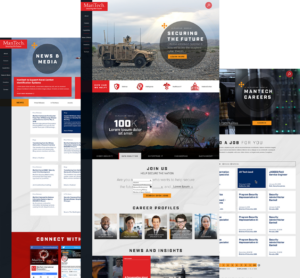
Trace the strategy we crafted for Detroit Defense that changed the game for their brand
Building Trust and Credibility
Trust and credibility are paramount when engaging with government audiences. Inbound agencies build these crucial elements by delivering consistent, accurate, and valuable content. Establishing a reputation as a reliable source of information can open doors to more meaningful interactions and partnerships with government agencies.
Furthermore, agencies can enhance their credibility by showcasing their expertise through thought leadership. Publishing articles, speaking at industry conferences, and contributing to policy discussions are ways agencies can demonstrate their understanding of government challenges and opportunities. By doing so, they can reinforce their position as leaders in the field of government marketing.
Innovative Campaign Strategies
Leading inbound agencies are continually exploring new and innovative campaign strategies to drive government engagement. From personalized email marketing campaigns to interactive webinars, these agencies are finding creative ways to capture the attention of government officials. By leveraging technology and data analytics, they can tailor their campaigns to specific government needs and objectives.
One such strategy involves the use of virtual events, which have become increasingly popular in recent years. These events offer a platform for agencies to showcase their solutions and engage with government audiences in a dynamic and interactive manner. Virtual events can be tailored to address specific topics or challenges, providing a valuable forum for discussion and collaboration.
Partnering with a Leading Inbound Agency
For organizations looking to enhance their government engagement efforts, partnering with a leading inbound agency can be a game-changer. Agencies like Bluetext offer a wealth of experience and expertise in crafting campaigns that resonate with government audiences. By leveraging their knowledge and resources, organizations can achieve greater impact and reach within the public sector.
At Bluetext, we specialize in developing customized inbound marketing strategies that address the unique needs of B2G audiences. Our team of experts is dedicated to helping clients navigate the complexities of government marketing, ensuring that their messages are heard by the right people at the right time. To learn more about how we can support your government engagement efforts, contact us today.
“`
As digital transformation continues to reshape industries, the future of website design and development is increasingly critical for B2B and B2G organizations. In today’s fast-paced digital landscape, a company’s website is not just a digital storefront but a powerful tool for engagement, conversion, and growth. For marketing leaders, understanding the evolving trends in website design and development is essential to staying competitive. This blog explores the future of web development and what B2B and B2G organizations need to know to remain at the forefront.
Embracing Responsive and Adaptive Design
The need for responsive and adaptive design has never been more pressing. With a growing number of users accessing websites via mobile devices, B2B and B2G companies must ensure their websites are fully optimized for all screen sizes. Responsive design ensures that a website’s layout automatically adjusts based on the user’s device, while adaptive design offers different layouts for different devices. These approaches improve user experience and increase engagement and conversion rates.
For organizations looking to optimize their digital presence, partnering with a leading website design agency can provide the expertise needed to implement these design strategies effectively.
![]()
Check out how we unified BigBear.ai’s brand identity
Integration of AI and Machine Learning
Artificial intelligence (AI) and machine learning are revolutionizing website design and development. These technologies enable personalization at scale, allowing websites to offer tailored content and experiences to individual users. AI-driven chatbots, predictive analytics, and dynamic content are becoming standard features that enhance user interaction and satisfaction.
B2B and B2G companies should consider integrating AI tools to analyze user behavior, predict future trends, and deliver a more customized experience. By leveraging these technologies, organizations can stay ahead of the competition and meet the ever-changing expectations of their audiences.
Prioritizing Website Security
With cyber threats on the rise, website security is a top priority for B2B and B2G entities. Secure Socket Layer (SSL) certificates, two-factor authentication, and regular security audits are essential components of a robust security strategy. Moreover, with increasing regulations such as GDPR, organizations must ensure compliance to avoid legal repercussions and build trust with their users.
Engaging with a specialized cybersecurity marketing agency can help organizations develop a comprehensive security framework that protects both the company and its clients.
The Rise of No-Code and Low-Code Platforms
No-code and low-code platforms are democratizing website development, allowing non-technical users to create and manage websites without extensive coding knowledge. These platforms accelerate the development process and reduce costs, making them attractive options for many B2B and B2G organizations.
While these platforms offer significant advantages, it’s crucial to evaluate their limitations and ensure they meet the specific needs of your organization. Collaborating with a professional Drupal development agency can provide the necessary expertise to balance ease of use with advanced functionality.

Dig into the work that helped Noblis own their space
Focusing on Accessibility and Inclusivity
Accessibility and inclusivity in web design are no longer optional; they are essential. Websites must be designed to accommodate users with disabilities, ensuring that all users have equal access to information and services. This includes implementing features such as screen reader compatibility, keyboard navigation, and text-to-speech options.
By prioritizing accessibility, B2B and B2G companies not only comply with legal requirements but also expand their audience reach. Engaging with an agency that understands the nuances of website localization and multilingual support can further enhance inclusivity and global reach.
The Importance of User Experience (UX) Design
User experience design is at the heart of successful website development. A well-designed UX can significantly impact user satisfaction and retention. This involves understanding user behavior, creating intuitive navigation, and ensuring fast load times.
For B2B and B2G organizations, investing in UX design translates into better engagement and higher conversion rates. Collaborating with a DC interactive web design firm can help refine the user experience, ensuring that websites are both functional and enjoyable to use.
Bluetext’s View
The future of website design and development is dynamic and filled with opportunities for innovation. B2B and B2G organizations that stay ahead of these trends will enhance their digital presence and drive business success. As technology continues to evolve, so too must the strategies employed by marketing leaders. For those looking to leverage the latest in design and development, partnering with experts is key. Contact Bluetext to explore how our strategic insights, branding expertise, and campaign support can elevate your organization’s digital strategy.
As the digital landscape continues to evolve, branding companies in DC are at the forefront of identifying and leveraging new market trends. These agencies are not only shaping the future of branding but also setting benchmarks for the industry. For marketing leaders, understanding these trends is crucial to maintaining a competitive edge. This post delves into insights from some of the top branding agencies in Washington, DC, shedding light on the current and emerging trends that are redefining the market.
Embracing Digital Transformation
Digital transformation is more than a buzzword—it’s a necessity. Leading branding agencies in DC are pioneering innovative strategies that integrate digital solutions into traditional branding practices. This transformation involves the use of advanced technologies like artificial intelligence and machine learning to enhance customer engagement and streamline operations. By adopting these technologies, brands can offer personalized experiences that resonate with their audiences. For more on how technology is shaping branding strategies, explore our insights on artificial intelligence.

We took on Octo’s branding challenge. See how it went.
The Rise of Purpose-Driven Branding
Today’s consumers are more socially conscious than ever, seeking brands that align with their values. Purpose-driven branding has become a critical component for businesses aiming to build trust and loyalty. Branding companies in DC are helping organizations articulate their mission and values in ways that resonate with consumers. This involves crafting narratives that highlight a brand’s commitment to social responsibility and sustainability. For companies looking to refine their messaging, our expertise in messaging and positioning can be invaluable.
Data-Driven Decision Making
The ability to harness data effectively is a game-changer in the branding world. DC’s leading agencies are leveraging data analytics to gain insights into consumer behavior and preferences. This data-driven approach allows brands to make informed decisions, optimizing their strategies for maximum impact. Whether it’s through targeted advertising or personalized content, the use of data ensures that brands remain relevant and competitive. Discover how data analytics can enhance your branding efforts by visiting our marketing data analytics firm page.

Discover how we brought CBIZ’s midwest roots to both coasts
Integrating Augmented Reality
Augmented reality (AR) is revolutionizing the way consumers interact with brands. Branding agencies in DC are at the cutting edge, creating immersive experiences that engage audiences on a deeper level. From virtual try-ons to interactive advertisements, AR offers endless possibilities for brands to captivate and convert their audiences. As this technology becomes more accessible, its integration into branding strategies will only grow. Learn more about our work in digital innovation by exploring our 3D design projects.
The Importance of Authentic Storytelling
In an age where consumers are inundated with content, authentic storytelling stands out. Branding companies in DC emphasize the importance of crafting genuine narratives that connect emotionally with audiences. This involves understanding the core essence of a brand and communicating it in a way that is both compelling and relatable. Authentic storytelling not only enhances brand perception but also fosters a deeper connection with consumers. For a glimpse into how storytelling can elevate your brand, see our branding portfolio.
Looking Ahead
The branding landscape is continuously evolving, driven by technological advancements and shifting consumer expectations. DC’s leading agencies are not only adapting to these changes but are also setting new standards in the industry. By staying informed about these trends, marketing leaders can position their brands for success in a rapidly changing environment. Whether you’re looking to enhance your digital presence or refine your brand’s narrative, Bluetext is here to guide you. Contact us today to explore how we can support your branding strategy.
“`
As the aerospace industry evolves, so too does the marketing landscape that surrounds it. Emerging technologies are reshaping how aerospace companies engage with their audiences, creating new opportunities for innovation and growth. For an aerospace marketing company, staying ahead of these trends is crucial to maintaining a competitive edge. This article explores how these emerging technologies are impacting aerospace marketing and why modern marketing leaders need to pay attention.
Revolutionizing Communication with AI
Artificial Intelligence (AI) is at the forefront of transforming aerospace marketing strategies. By leveraging AI, companies can analyze vast datasets to gain insights into customer behavior and preferences. This allows for highly personalized marketing campaigns that resonate with specific audience segments. AI-driven chatbots and virtual assistants also enhance customer interaction by providing real-time support and information. For an aerospace marketing company, these tools streamline communication and improve customer satisfaction.

See how we took BlueHalo’s brand to the next level
Harnessing the Power of Data Analytics
Data analytics is another powerful tool reshaping aerospace marketing. With the ability to process and interpret complex data, aerospace companies can make informed decisions about their marketing strategies. Predictive analytics help in forecasting market trends and customer needs, enabling proactive adjustments to campaigns. This data-driven approach ensures that marketing efforts are not only efficient but also effective in reaching the target audience.
Integrating Virtual and Augmented Reality
Virtual Reality (VR) and Augmented Reality (AR) are revolutionizing how aerospace products are showcased. These technologies provide immersive experiences that allow potential customers to interact with products in a virtual environment. For example, a potential buyer can explore the interior of an aircraft through a VR simulation. Such experiences can be pivotal in decision-making processes, offering a tangible sense of the product before purchase. An aerospace marketing company can leverage these technologies to create engaging and memorable brand experiences.
Leveraging Social Media and Digital Platforms
Social media and digital platforms have become indispensable in aerospace marketing. These platforms offer a direct line of communication with audiences, facilitating engagement and feedback. By utilizing targeted advertising and content marketing strategies, aerospace companies can reach specific demographics with precision. Engaging content that highlights innovation and expertise can position a company as a thought leader in the industry. With the right approach, social media can be a powerful tool for brand building and audience expansion.

Uncover the transformation that made Stellant impossible to ignore
The Role of Influencer Marketing
Influencer marketing has gained traction in the aerospace sector as well. Collaborating with industry experts and influencers can amplify a company’s reach and credibility. These influencers often have a loyal following that trusts their recommendations, making them ideal partners for promoting aerospace products and services. An aerospace marketing company can strategically select influencers whose values align with the brand, ensuring authentic and impactful campaigns.
Embracing Sustainable Marketing Practices
As sustainability becomes a key concern for consumers, aerospace companies are increasingly incorporating eco-friendly practices into their marketing strategies. Highlighting sustainable innovations and practices can enhance brand reputation and appeal to environmentally conscious consumers. By transparently communicating sustainability efforts, aerospace companies can build trust and foster long-term relationships with their audience. This shift towards sustainable marketing is not only beneficial for the environment but also aligns with the growing consumer demand for ethical business practices.
Strategizing for Future Growth
To thrive in this evolving landscape, aerospace companies must adopt a forward-thinking approach. By investing in emerging technologies and staying abreast of industry trends, they can develop marketing strategies that are both innovative and effective. Partnering with a specialized aerospace marketing company can provide valuable insights and expertise, ensuring that marketing efforts are aligned with business goals and market demands.
In conclusion, emerging technologies are reshaping the aerospace marketing landscape, offering new avenues for engagement and growth. By leveraging AI, data analytics, VR/AR, and sustainable practices, companies can create impactful marketing strategies that resonate with modern audiences. As the industry continues to evolve, staying ahead of these trends will be crucial for success. For tailored strategies and support, contact Bluetext to enhance your marketing initiatives and drive your business forward.
Government buyers demand a different level of relevance, rigor, and results. That is why partnering with experienced marketing agencies in DC is a strategic advantage for B2G leaders who need to influence complex buying committees, shape requirements early, and accelerate pipeline against multi-year procurement timelines. From nuanced messaging that maps to mission outcomes to compliant digital experiences and stakeholder-driven campaigns, the right DC partner gives you proximity, insight, and execution power where it matters most.
Why DC proximity matters for B2G initiatives
Washington is the center of gravity for federal decision-making. Marketing agencies in DC operate in daily contact with policymakers, program executives, and industry influencers who shape the agenda. This proximity translates into faster learning cycles, more precise messaging, and smarter timing. It also fosters a deep understanding of interagency dynamics, budget windows, and how priorities cascade from OMB and the Hill to program offices and acquisition teams.
For commercial companies entering the public sector, marketing agencies in DC help shorten the ramp. They know which associations matter for a given mission set, how to navigate agency-specific language, and where to place content for maximum credibility. For mature contractors, DC partners refine category leadership, interpret the impact of evolving guidance, and ensure outreach aligns with capture and BD activity. The result is a more resilient, opportunity-aligned go-to-market that meets federal buyers where they are.

What a DC-based partner understands about federal buying cycles
Effective B2G execution respects the stages of federal procurement and the roles of the individuals who influence each gate. Marketing agencies in DC build programs that parallel the acquisition lifecycle and match content to decision points. A best-practice framework includes the following checkpoints:
- Problem framing and market research. Position thought leadership and mission-impact stories that help shape requirements and highlight measurable outcomes.
- Acquisition planning. Deliver solution briefs, technical overviews, and compliance summaries that reduce perceived risk and build evaluation comfort.
- Source selection and evaluation. Provide detailed differentiators, reference architectures, case studies, and integration narratives tied to scoring criteria.
- Award and post-award. Engage users and stakeholders for adoption, showcase performance metrics, and set the stage for recompete with ongoing value stories.
Because there are multiple buyers inside every agency, marketing agencies in DC tailor messaging for CIO shops, mission owners, contracting, security, legal, and end users. Each persona receives the right mix of benefits, proof, and technical clarity to move forward with confidence.
How to co-build a B2G go-to-market with DC expertise
Winning in the public sector requires a structured process that links market intelligence to clear positioning and orchestrated campaigns. Partnering with marketing agencies in DC should start with an integrated plan that includes research, stakeholder mapping, and a test-and-learn roadmap.
Mission-outcome messaging that earns attention
Mission language beats marketing language every time in the public sector. Use a value framework that connects capabilities to mission outcomes that matter to the agency. Marketing agencies in DC pressure test messaging against real program priorities and budget justifications, then craft narratives that demonstrate impact on readiness, resilience, service delivery, and compliance.
Offer constructs aligned to how the government buys
Government buyers look for accountability, interoperability, and a low-risk path to adoption. Define offers that match these expectations, such as phased pilots, FedRAMP-aligned deployments, and training-led adoption programs. Marketing agencies in DC also help package partner alliances to showcase end-to-end modernization approaches that reflect how agencies procure integrated solutions.
Content formats that actually get consumed
Federal professionals consume content differently. Short decision-briefs, annotated diagrams, and mission-playbooks often outperform generic thought leadership. Marketing agencies in DC optimize asset formats and distribution so busy leaders can scan, download, and share insights without friction. When appropriate, produce deeper technical annexes that support evaluators and security reviewers who need to validate claims.

Channels that move the federal buyer today
Channel selection should reflect federal consumption habits and the media landscape around each mission area. Marketing agencies in DC invest where attention is both high quality and attributable. The channel mix often includes the following components:
- Targeted paid media. Precision search and programmatic placements focused on agency missions, solution categories, and pain-point keywords produce qualified engagement.
- LinkedIn for ABM at scale. Custom lists for SES, GS-14/15, and contractor influencers enable persona-specific messaging and continuous learning.
- Sponsored content and editorial integrations. Placement with trusted trade outlets builds credibility and drives engagement deep within programs and acquisition offices.
- Email and nurtures for evaluators. Curated sequences tied to RFI and RFP timelines ensure technical stakeholders have the specifics they need.
- Owned digital experiences. Landing pages with compliance resources, customer evidence, and role-based navigation convert interest into qualified meetings.
The most effective marketing agencies in DC orchestrate these channels against known events, budget cycles, and RFI activity to maximize momentum. They also coordinate with capture teams to reinforce positioning themes that will matter at down-select.
Events and briefings that convert
Nothing beats tailored interactions when stakes are high. Private executive sessions, solution workshops, and mission-roundtables can create outsized value. Hybrid formats and digital briefing centers extend access to busy decision-makers while maintaining the depth of an in-person experience. Marketing agencies in DC plan end-to-end, from audience curation and content scripting to follow-up cadences that transform interest into opportunity pipeline.
The role of data and compliance in B2G marketing
Public sector programs demand a higher bar for privacy, accessibility, and governance. Section 508 compliance is table stakes. First-party data collection, transparent consent, and rigorous tagging are equally important for measurement and trust. Marketing agencies in DC ensure analytics architectures capture attribution by agency, persona, and campaign without compromising compliance. They advise on content approvals, claims substantiation, and security review processes so campaigns can launch on time and withstand scrutiny.
ABM and stakeholder mapping for cabinet-level impact
Account-based marketing is the backbone of effective B2G go-to-market. To succeed, teams need a clear map of decision-makers, influencers, and evaluators across agencies and prime contractors. Marketing agencies in DC synthesize buyer-intent insights, organizational charts, and mission priorities into enterprise-level account plans. They then activate plays that address each stakeholder’s unique criteria for success.
An ABM program designed by marketing agencies in DC typically includes the following elements:
- Account and opportunity segmentation. Prioritize based on mission urgency, budget, and solution fit.
- Persona matrices. Align messaging, assets, and offers to the metrics each stakeholder uses to judge value.
- Trigger-based outreach. Launch plays around policy updates, leadership changes, and procurement milestones.
- Capture alignment. Synchronize campaign narratives with win themes, teaming strategies, and proposal messaging.

Creative differentiation that fits the government context
Great creative matters in B2G, but it must operate within the expectations of government audiences. Clarity beats clever. Proof beats puffery. Social proof from mission-aligned customers and measurable outcomes carries more weight than generic superlatives. Marketing agencies in DC guide creative development that balances bold brand presence with professional credibility, using accessible design systems, solution diagrams, and role-based storytelling. For organizations refreshing their identity for the public sector, specialized branding expertise ensures your look and voice convey trust, innovation, and mission focus.
Proving impact with rigorous measurement
Executives need to see the link between awareness, engagement, and awards. That requires a measurement model that goes beyond vanity metrics. Leading marketing agencies in DC build reporting around questions federal leaders ask and that GTM executives value:
- Which agencies and programs are engaging most with our content by mission priority and capability category.
- Which plays and assets correlate with RFI responses, capability brief requests, or technical deep dives.
- How ABM influence aligns to pipeline stages from sources like partner deal registration or CRM opportunity creation.
- What signals predict higher award probability so resources can shift toward the most promising pursuits.
Dashboards should display persona-level engagement, agency-level intent, and channel-level ROI. Marketing agencies in DC embed this instrumentation from the start so teams can iterate quickly and prove value at every gate.
What to look for when selecting a DC B2G marketing partner
Not all marketing agencies in DC bring the same capabilities. Selecting the right partner begins with proof, process, and people. Ask for case studies that show mission outcomes and procurement-aware execution, not just creative output. Validate that the team understands your solution architecture and can translate technical value into agency-specific impact. Confirm they have a process that aligns market education with capture and proposal timelines.
Strong partners will demonstrate fluency in federal acronyms, procurement paths, and teaming norms. They will also offer a bench across research, strategy, creative, media, content, and analytics rather than relying on a single channel. Marketing agencies in DC that operate as true B2G content and digital marketing experts will connect the dots from positioning to execution and measurement without missing a beat.
While credentials matter, chemistry matters too. Your agency team becomes an extension of your BD and capture organization. Ensure they collaborate effectively, communicate clearly, and respect the operational cadence that public sector pursuits require. Look for a partner eager to learn your mission domains and unafraid to challenge assumptions with data and field feedback.

Integrating thought leadership with capture and partner ecosystems
The best programs blend thought leadership, demand generation, and capture support into a single motion. Marketing agencies in DC create content that serves two masters. It elevates your authority in a mission conversation and also seeds the differentiators that evaluators will later score. This dual-purpose content accelerates trust and reduces perceived risk at award time.
Partner ecosystems are equally important. Government buyers prefer integrated solutions and pre-validated interoperability. DC-based teams know how to package alliances to reflect real-world architectures and teaming practices. They coordinate co-marketing with primes, ISVs, and SI partners, then build plays that leverage each partner’s reach into target agencies. These programs compound brand credibility and open doors that solo outreach might not access.
Building credibility with customer evidence and public sector work
Mission-aligned proof is the currency of trust. Develop a library of customer evidence that can be shared in open and controlled contexts. When possible, highlight measurable outcomes, user adoption, and risk reduction tied to agency priorities. Marketing agencies in DC curate stories to align with the questions evaluators ask and the claims capture teams plan to make. To see examples of how outcomes-based storytelling comes to life, explore Bluetext’s work in the public sector, which spans strategy, content, creative, and campaign orchestration.
Orchestrating field events that align with the DC calendar
DC runs on a calendar of hearings, policy releases, budget milestones, and association events. Align your event strategy with this cadence. Marketing agencies in DC schedule executive roundtables, roadshows, and workshops that anticipate interest spikes and convene the right mix of agency, industry, and think tank voices. Equip field teams with briefing kits, curated attendee profiles, and post-event nurture plans. Measured correctly, a single well-timed event can influence multiple opportunities across an account list.
Sustaining momentum with content operations
A steady drumbeat of relevant content keeps your brand top of mind between milestones. Treat content as an operating system rather than a series of one-offs. Marketing agencies in DC build modular content systems that flow from a core set of narratives into briefs, visuals, video, and sales enablement assets. This approach speeds production, preserves consistency, and enables rapid versioning for target agencies and mission sets without losing quality.

Why Bluetext is built for B2G leaders
Bluetext is headquartered in Washington and helps public sector innovators inhabit the conversations that matter. Our teams connect strategy with flawless execution across branding, content, digital, and campaigns. We understand how to translate complex technology into mission impact and how to activate integrated programs that respect the realities of procurement. We also operate with the speed executives expect and the quality government buyers require.
From ABM programs that hit senior decision-makers to mission-first creative and compliant digital experiences, Bluetext delivers programs that convert interest into influence and influence into awards. Our work spans federal civilian, defense, national security, state and local, and regulated industries that partner closely with government.
The path forward for executives
Modern B2G growth is a discipline of focus, credibility, and orchestration. The right partnership with marketing agencies in DC allows leaders to move faster with fewer guesses and greater precision. Align your plan to mission outcomes, synchronize with capture, and instrument measurement from day one. Build a content engine that speaks each stakeholder’s language and a channel mix that anticipates how and where they prefer to engage. Keep creative sharp, accessible, and grounded in proof.
If you are ready to accelerate federal growth with a partner that understands the DC landscape, explore Bluetext’s services, review our work, and contact Bluetext to start a conversation about strategy, branding, or campaign support that gives your team an advantage where it counts most.
Public sector messaging is undergoing a transformation. The move to digital services, the rise of AI, an urgent push for cybersecurity, and growing expectations for transparency have changed how agencies communicate with citizens, industry partners, and internal stakeholders. In this climate, advertising agencies in Washington DC have become pivotal. They are translating complex policy goals into clear, measurable narratives that build trust and drive action across federal, state, and local audiences. For marketing leaders in B2B and B2G, understanding how these firms operate is essential for shaping strategies that resonate in a high-stakes, highly scrutinized environment.
Why the Capital Region Sets the Pace for Public Sector Marketing
Advertising agencies in Washington DC sit at the intersection of policy, procurement, and public perception. Proximity to decision makers matters because insights from Capitol Hill, federal agencies, think tanks, and contractors flow quickly into messaging strategy. The best advertising agencies in Washington DC leverage this access to anticipate shifts in budgets, compliance mandates, and citizen priorities before they hit the broader market.
Unlike traditional commercial campaigns, public sector communications must satisfy multiple constituencies at once. Leaders need language that aligns to legislative directives, speaks credibly to technical evaluators, and translates into accessible citizen experiences. Advertising agencies in Washington DC are uniquely adept at aligning these priorities, because they collaborate daily with legal, policy, and program offices alongside creative, media, and analytics teams.
For brands operating in the federal ecosystem, this context is not a nice-to-have. It is the difference between campaigns that are compliant yet forgettable and campaigns that are compliant and effective. That is why many enterprises and contractors partner with a DC advertising agency to ensure every message respects the process while still breaking through.

What Distinguishes Top Agencies Serving the Public Sector
Executive audiences often ask what sets advertising agencies in Washington DC apart from peers in other markets. Three qualities stand out. First is a deep literacy in procurement and acquisition models. Teams understand how communications support the full capture lifecycle, from market research to RFI to recompete. Second is fluency in mission language. Agencies know how to elevate outcomes like readiness, resilience, access, and equity without drifting into jargon. Third is a disciplined approach to risk. Advertising agencies in Washington DC build safeguards that respect appropriations rules, the Paperwork Reduction Act, Section 508, and privacy requirements while enabling modern creative and paid media.
These capabilities translate into superior orchestration. The better the grasp of stakeholders and statutes, the freer the creative team becomes to deliver powerfully simple stories. Advertising agencies in Washington DC ensure creative excellence is never decoupled from mission fidelity.
The highest performers also invest in strong partnerships across public affairs, program leads, and integrator teams. That collaboration speeds approvals and compresses timelines, a major advantage when announcements, policy windows, or budget cycles demand rapid response.
How Agencies Build Evidence-Based Messaging Frameworks
Public sector communication succeeds when every claim is traceable, defensible, and relevant to mission outcomes. That begins with research. Leading advertising agencies in Washington DC conduct structured stakeholder interviews, social listening, and voice-of-the-customer studies to surface real needs and barriers. They map procurement influencers and technical validators to avoid over-indexing on a single persona.
From there, teams develop a clear hierarchy of messaging: top-line narrative, mission and market proof points, and technical substantiation. This process ensures a single source of truth that can flex from federal CIO briefings to program-level landing pages and social posts. When a brand needs to evolve its foundation, proven partners provide a rigorous messaging and positioning engagement that delivers clarity and consistency across every channel.
Advertising agencies in Washington DC also pressure-test messages for plain language standards, accessibility, and inclusivity. The result is content that reads easily for citizens, yet satisfies experts who look for specificity. This dual-read approach allows communications to move seamlessly between public and policymaker audiences.
Omnichannel Strategies That Reach Decision Makers and Citizens
Federal audiences consume information differently than commercial buyers. They attend briefings, review technical documentation, and rely on earned media and trusted associations. Advertising agencies in Washington DC know how to orchestrate an omnichannel plan that places the right content in each context without diluting the core message.
Winning plans often combine targeted paid media on professional platforms, high-value content for search capture, tailored email sequences for industry partners, and video explainers for citizen education. Many initiatives also include thought leadership and program microsites to centralize resources. Skilled advertising agencies in Washington DC ensure channel roles are clear, budgets are prioritized by influence, and handoffs are tracked between awareness, consideration, and action.
For B2G brands and contractors, the same rigor applies. Teams create compliant capture support and digital nurture paths, then align assets across conference cycles and contracting milestones. When you work with B2G content and digital marketing experts, your programs move in lockstep with agency priorities and procurement calendars.

Creative That Inspires Within Policy Boundaries
Contrary to popular belief, constraints can unlock better ideas. Advertising agencies in Washington DC excel at turning rules into creative guardrails that sharpen the work. Mission-forward storytelling, empathetic visuals, and precise language often outperform splashy concepts when trust and credibility are on the line. Leaders must communicate urgency without sensationalism, innovation without overpromising, and outcomes without political coloration.
When an initiative requires cinematic storytelling or a high-impact launch, the right partner can still deliver. The key is a creative process that engages legal, privacy, and program teams early and iterates toward solutions that meet standards. Advertising agencies in Washington DC use modular frameworks that adapt quickly as guidance evolves, so momentum never stalls.
Measurement and Accountability Tailored to Government Goals
Public sector KPIs look different than consumer metrics. The aim might be program enrollment, partner engagement, FOIA burden reduction, or adoption of digital self-service. Advertising agencies in Washington DC design analytics architectures that map marketing inputs to mission outcomes, from reducing call-center load to increasing qualified industry conversations ahead of an RFP.
Dashboards highlight channel effectiveness, message resonance, and audience lift over time. Advertising agencies in Washington DC also align reporting frequency and format to government cadence so program offices can integrate insights into performance reviews and budget justifications.
Emerging Trends Reshaping Public Sector Messaging
AI and Personalization With Guardrails
AI is enabling scale without sacrificing quality. Predictive analytics inform content prioritization, while responsible automation accelerates production. Advertising agencies in Washington DC deploy AI to identify message themes that correlate with action and to personalize experiences for role, mission, or geography. Crucially, they implement governance to protect privacy and keep human oversight central.
Accessibility and Multilingual Reach as Strategy
Accessibility is now a strategic imperative, not a compliance checklist. Section 508, plain language, and inclusive design practices drive higher engagement from every audience. Leading advertising agencies in Washington DC also help agencies expand multilingual content, ensuring communities receive accurate information in formats they trust. This improves service equity and strengthens program outcomes.
Cybersecurity and Trust by Design
Every communication touchpoint is a trust opportunity. From domain hygiene to citizen data flows, trust is designed into modern campaigns. Advertising agencies in Washington DC partner with security teams to ensure landing pages, forms, and analytics scripts meet stringent standards, and to explain security controls in clear language that reassures users.

How to Choose the Right DC Partner for Public Sector Work
Selecting among advertising agencies in Washington DC requires more than a portfolio review. Ask how the team structures discovery with program leads, legal, privacy, and procurement. Probe how they translate mission context into creative criteria. Confirm that they treat accessibility, data governance, and measurement as core competencies rather than add-ons. Review examples of public sector marketing work to validate the approach across issues and audiences.
- Experience across B2G and B2B to connect agency needs with industry partner realities, a hallmark of top advertising agencies in Washington DC.
- Proven frameworks for narrative development, testing, and approvals that fit government cadence.
- Omnichannel planning that aligns with events, policy milestones, and contracting cycles.
- Analytics tied to mission outcomes with clear targets, not just impressions or clicks.
- Creative leadership that thrives inside compliance, turning constraints into distinctiveness.
Scalable Content Engines Built for Government and Industry
Public sector communication rarely ends with a single announcement. Programs require ongoing education, myth-busting, and partner enablement. Advertising agencies in Washington DC build content engines that deliver consistent value across long timelines. Editorial calendars layer explainer videos, FAQs, webinars, case vignettes, earned media, and SEO content to improve discoverability and comprehension.
For contractors and technology partners, the same engine supports pipeline growth and capture support. Content must speak to mission owners while proving technical depth to evaluators. Agencies orchestrate how-and-why storytelling so industry buyers and contracting officers find the right asset at the right time, no matter their level of expertise.
Search and Discoverability for Federal and Citizen Queries
Search behavior in government communications is specific and often intent-rich. Advertising agencies in Washington DC optimize for terms tied to policy guidance, funding mechanisms, and program names. They build content clusters that answer high-value questions concisely, then support those pages with multimedia designed for quick comprehension. Structured content and clean information architecture help users navigate quickly between overview, technical detail, and action steps.
On the industry side, ads and organic content target evaluators who search for standards, certifications, and interoperability. Advertising agencies in Washington DC balance thought leadership with practical implementation guidance so technical teams trust what they read and can act on it.
Integrated Campaigns That Respect the Evaluation Process
In the federal environment, messaging often becomes part of the evaluation context even when not explicitly scored. That reality drives a premium on clarity, consistency, and verifiable claims. Advertising agencies in Washington DC help clients develop integrated campaigns that carry a single throughline from speaking points to landing pages to social and earned media. Every asset uses the same narrative scaffolding, so nothing contradicts or confuses.
This alignment reduces risk and increases velocity. It also makes content repurposing more efficient, a vital consideration when budgets must stretch across long deliberation cycles and overlapping initiatives.
Proven Processes That Move at the Speed of Policy
One hallmark of advertising agencies in Washington DC is the ability to pivot without sacrificing quality. As policy guidance shifts, teams refresh message maps and creative toolkits rapidly. Preapproved content modules, design systems, and editorial guardrails let programs adapt without rework. Agencies also run governance playbooks that accelerate legal and accessibility reviews, shortening time to market and protecting consistency at scale.
For leaders managing multiple initiatives, this operational discipline is as valuable as the creative itself. It keeps workstreams on schedule and protects program credibility when timelines are tight and scrutiny is high.
When to Invest in a Full Rebrand vs. a Campaign Refresh
Leaders frequently ask whether their program needs a rebrand or a focused campaign. Advertising agencies in Washington DC evaluate mission evolution, stakeholder confusion, and performance data to make that call. If the brand story no longer matches program reality, a strategic refresh is in order. If the core is sound but awareness or engagement is lagging, a campaign tailored to new priorities may deliver faster impact. Either path benefits from a rigorous foundation and a clear creative idea supported by executional detail.

How Bluetext Helps Public Sector Leaders Win Hearts, Minds, and Metrics
As a partner to agencies, associations, and contractors, Bluetext brings the integrated strategy, creative, and analytics discipline that modern public sector work requires. Our teams have built mission-forward narratives, omnichannel plans, and accessible digital experiences that scale. For enterprise and B2G brands entering or expanding in the federal space, we align capture needs, partner enablement, and message governance so go-to-market stays streamlined and effective.
When your organization needs a full strategic reset, Bluetext delivers with proven frameworks and dedicated experts who design for both speed and rigor. To see the breadth of creative impact we can deliver, explore our advertising portfolio and imagine how a sharper story could elevate your next initiative.
The Bottom Line for Executive Marketers
The difference between a compliant message and a compelling message is not semantics. It is strategy, empathy, and operational excellence. Advertising agencies in Washington DC combine mission fluency with creative precision to help programs and partners communicate clearly, credibly, and at scale. They understand how narratives travel through policy windows and budget cycles and how to measure progress in terms that matter to leaders and citizens.
For executive teams planning the next fiscal year or preparing a major initiative, now is the time to pressure-test your narrative, refresh your channel strategy, and tighten your measurement architecture. Partner with an agency that treats your mission as its north star. Bluetext is ready to help you define your story, architect your omnichannel plan, and activate campaigns that move metrics and inspire action. Explore our capabilities and contact us to start shaping public sector messaging that earns trust and delivers results with the strength and sophistication you expect from advertising agencies in Washington DC.
Inbound is no longer a side project. For modern marketing leaders, it is the operating system for growth. When complex buying committees do their own research, compare peers, and only engage vendors late in the cycle, the brand that educates first often wins. The right inbound marketing agency helps you orchestrate content, search, automation, and analytics into an always-on revenue engine. For B2B and B2G organizations with long sales cycles, compliance hurdles, and multi-stakeholder deals, this shift is not optional. It is a strategic advantage that compounds month after month.
What a High-Performing Inbound Engine Looks Like Today
An inbound marketing agency builds a system that attracts, engages, and converts with minimal friction. The core is authoritative content mapped to the buyer journey and supported by search visibility, on-site conversion paths, and a clean marketing operations stack. It works because buyers find what they need at the exact time they need it. It scales because every asset, workflow, and insight is reusable and continuously improved. For leaders who need board-level clarity, this approach draws a straight line from investment to influence, from influence to opportunities, and from opportunities to revenue.
At its best, an inbound marketing agency turns brand expertise into market gravity. Thought leadership becomes demand. Search intent becomes pipeline. Automation becomes personalized experience. The result is a durable channel that reduces acquisition costs and stabilizes forecasts across quarters.
Why Choose an Inbound Marketing Agency Over Going It Alone
An inbound marketing agency brings pattern recognition from dozens of programs across industries, technologies, and the public sector. That perspective accelerates your ramp and avoids the false starts that drain internal teams. The agency also aligns strategy with execution. Messaging sprints inform editorial calendars, which inform keyword portfolios, which inform design systems and conversion testing. You get one integrated plan rather than disconnected tactics and ad hoc content.
Resourcing is another advantage. An inbound marketing agency blends strategists, SEO specialists, content architects, designers, developers, and marketing operations experts who work in lockstep. This cross-functional capacity is difficult to staff and retain in-house. The result for executives is faster speed to market, higher quality assets, and a consistent cadence that sustains momentum.
How Inbound Aligns With Complex B2B and B2G Buying Committees
Enterprise and public sector deals hinge on risk mitigation as much as value creation. An inbound marketing agency designs content to address technical, financial, operational, and compliance questions in parallel. This moves the entire committee forward rather than over-serving a single champion. Personas are supported with layered content that builds consensus and reduces friction for contracting and security review.
The same holds for B2G marketing, where procurement rules, data protection, and mission outcomes carry unique weight. An experienced inbound marketing agency tailors messaging to program managers, contracting officers, and integrators with precise clarity and the right proof. Case studies, solution briefs, and demos are structured to make due diligence easy.

The Strategic Pillars an Inbound Marketing Agency Puts in Place
Positioning and Messaging That Earns Attention
Before content or campaigns, positioning drives the entire program. An inbound marketing agency runs workshops to define category stance, competitive differentiation, and value narratives that map to the buyer’s real obstacles. This narrative becomes a north star for everything from solution pages to webinar topics and social snippets.
Search Visibility You Can Defend
Without search visibility, content stays hidden. A seasoned inbound marketing agency builds a defensible keyword strategy around commercial intent, topic clusters, and internal linking. Technical hygiene and structured data are handled up front so your content can rank and stay ranked. If organic is a growth goal, explore how Bluetext approaches search engine optimization within full-funnel programs.
Content That Reduces Buyer Risk
Buyers engage with content that answers hard questions and reduces uncertainty. That means authoritative articles, calculators, guides, solution briefs, and case studies created with real subject matter experts. An inbound marketing agency curates formats by stage and channel, and then repackages high performers for maximum reach. See how editorial strategy connects to measurable outcomes through Bluetext’s content marketing capabilities.
Conversion Design and Website Experience
A website is your inbound headquarters. An inbound marketing agency ensures every page has a purpose, with clear calls to action and no dead ends. Pillar pages connect to subtopics. Forms are short. Chat and scheduling tools meet visitors where they are. Speed, accessibility, and security are non-negotiable, especially for public sector and regulated industries.
Marketing Automation and CRM Alignment
Technology should make marketing smarter, not heavier. An inbound marketing agency streamlines lifecycle stages, lead scoring, and routing rules so sales gets qualified conversations fast. Nurture streams are built around problem themes and use progressive profiling to avoid fatigue. Sales enablement content is connected inside the CRM so sellers can share the right proof in minutes.
Analytics That Tie to Board-Level Metrics
Leaders need clarity, not dashboards. An inbound marketing agency sets up measurement that speaks the language of revenue and cost. Attribution models are right-sized to your data quality. Funnel metrics are standardized so marketing, sales, and finance have a single source of truth. This lets you forecast with confidence and shift budgets to the highest-yield channels.
What Metrics Should Executives Expect From Inbound
Pipeline contribution and velocity lead the list. An inbound marketing agency will work back from revenue targets to establish traffic, conversion, and SQL thresholds by segment, region, and product. Other vital metrics include content-assisted opportunities, win rate against competitive sets, average selling price by journey path, and customer acquisition cost trends over time.
Because inbound compounds, executives should see efficiency gains each quarter. A mature inbound marketing agency program typically shows rising non-branded search share, shorter time to first meeting, and a growing percentage of inbound-sourced revenue that stabilizes forecasts.
How to Select the Right Inbound Partner
The right inbound marketing agency should demonstrate sector fluency, an integrated team, and a repeatable framework you can inspect. Ask for examples where inbound shortened sales cycles, entered new categories, or influenced seven-figure deals. Request a pilot roadmap that shows how they will hit a 90-day milestone that matters to your board.
- Evidence of outcomes in your industry and deal size
- Clarity on how strategy, creative, and technology stay aligned
- Transparent analytics and governance practices
- Editorial rigor with subject matter experts, not just copywriters
- Operational playbooks for marketing automation and CRM integration
If you are evaluating agency models, compare what a full-service B2B marketing agency can deliver versus a niche vendor. The integrated approach often reduces complexity and speeds impact for enterprise and public sector teams.

Advanced Plays That Amplify Inbound Impact
Account-Based Marketing That Collaborates With Sales
Inbound builds broad market gravity. ABM focuses gravity on high-value targets. An experienced inbound marketing agency unifies the two. Priority accounts see tailored content, personalized landing pages, and coordinated outreach. Sales and marketing co-develop a playsheet so every touch builds on the last.
Intent Data and Predictive Prioritization
Intent signals can elevate timing and relevance. An inbound marketing agency integrates intent data with scoring so that content offers, ads, and outreach reflect what accounts are actually researching. This yields higher meeting rates and more productive discovery calls.
Executive Thought Leadership and Category Design
Executives are the most underused inbound asset. An inbound marketing agency partners with leaders to build a point of view that shapes the category. Strategic articles, keynote narratives, and research-backed frameworks attract senior buyers and channel partners who influence big deals.
Partner Ecosystems and Co-Marketing
When partners share an audience, co-marketing accelerates reach. An inbound marketing agency coordinates joint content, co-branded webinars, and marketplace positioning so that each campaign multiplies distribution and authority. This is especially powerful in complex solutions where buyers look for validated integrations and credible alliances.
Common Pitfalls and How to Avoid Them
Many programs struggle not from lack of effort but from fragmentation. Teams ship content without a core narrative or keyword strategy, websites grow without conversion logic, and technologies are stitched together without process. An inbound marketing agency prevents this by establishing a clear operating model, sprint rituals, and acceptance criteria that keep every workstream pointed at revenue outcomes.
Another pitfall is underfunding distribution. Even the best content needs amplification. An inbound marketing agency allocates paid budgets intelligently across search, social, and syndication to jumpstart reach while organic momentum builds. Measurement ensures those dollars accelerate learning and pipeline, not vanity metrics.
A 90-Day Plan From an Inbound Marketing Agency
Momentum matters. A strong 90-day plan proves lift while building the foundation for scale. Here is a blueprint executives can expect.
- Weeks 1 to 2: Discovery and alignment. The inbound marketing agency documents business goals, buyer journeys, ICP definitions, and sales process maps. Existing assets and data are audited for fast wins.
- Weeks 3 to 4: Messaging and keyword strategy. The team finalizes a narrative, topic clusters, and an initial content slate. Technical site fixes are prioritized for immediate SEO health.
- Weeks 5 to 8: Content and conversion build. Core pillar pages, two to three high-intent articles, and refreshed solution pages go live. Conversion paths, offers, and nurture streams are launched. Analytics and dashboards are standardized.
- Weeks 9 to 12: Distribution and optimization. Paid search and social promotion support new assets. A/B tests begin on top conversion points. The inbound marketing agency reports on early pipeline influence and sets the next quarter’s roadmap.
By day 90, leaders should see search improvements, clear conversion lift, and early-stage pipeline directly attributable to the program. The inbound marketing agency then doubles down on winners and scales the editorial cadence to meet quarterly targets.

Where Paid Media Fits With Inbound
Inbound and paid are not rivals. Paid accelerates insight and reach, while inbound sustains growth. An inbound marketing agency uses paid search to harvest high-intent demand, paid social to spark engagement among ICP segments, and retargeting to re-engage evaluators. Every click routes to content that informs and converts, not to disconnected landing pages that reset the conversation.
Budget strategy is dynamic. As organic search gains share and direct traffic grows, an inbound marketing agency shifts spend to new offers, new audiences, and new geographies. This keeps cost per opportunity in check while expanding the addressable market.
How Regulated and Public Sector Brands Succeed With Inbound
Trust is the currency of regulated and public sector markets. An inbound marketing agency builds credibility through clarity, documentation, and proof. Security pages address compliance frameworks with precision. Case studies respect customer approvals and anonymization when required. Accessibility and performance standards are upheld across the site. Editorial teams collaborate closely with legal and security so content is both authoritative and compliant.
For organizations serving federal, state, and local agencies, content must speak to mission outcomes, not just features. An inbound marketing agency guides SMEs to connect capabilities to operational impact, resilience, and lifecycle cost, which are the signals that move public sector deals forward.
Operational Governance That Sustains Quality
Inbound works best when it becomes habit. An inbound marketing agency instills governance that keeps teams aligned and quality high. Editorial calendars link to revenue themes. Quarterly business reviews evaluate funnel health, attribution, and velocity. Playbooks capture learnings so new hires and stakeholders can onboard quickly. Brand and design systems maintain cohesion as content volume increases.
For organizations managing mergers, new product lines, or rapid hiring, governance is what keeps the engine running under changing conditions. This is one of the most underappreciated benefits a seasoned inbound marketing agency brings to the table.
Choosing Bluetext as Your Inbound Partner
When your mandate is growth, you need a partner that understands the stakes and the complexity. Bluetext is a digital inbound marketing agency that integrates strategy, creative, technology, and analytics for B2B and B2G leaders. From brand positioning to pipeline generation, we design programs that your board will recognize and your sales team will feel. If your next quarter depends on clear, defensible gains, the right inbound marketing agency can make the difference.
Inbound is not just a marketing tactic. It is a systematic way to earn trust at scale, to educate before you sell, and to connect strategy to measurable revenue. If you are ready to build a program that compounds and a brand that attracts, contact Bluetext to discuss how an inbound marketing agency approach can accelerate your goals across strategy, branding, and campaigns.
Private equity is reshaping how growth gets created, measured, and accelerated. The next era will belong to firms that pair financial discipline with brand, digital, and demand expertise at portfolio scale. This article outlines how executive teams can navigate the future of marketing private equity with a rigorous operating model, a data-driven demand engine, and a bold brand strategy that sets the pace from diligence through exit. For managing partners, operating partners, CMOs, and go-to-market leaders, the objective is clear. Treat marketing as a core value creation lever and build the repeatable systems that turn investment theses into measurable results.
Why marketing now sits at the center of PE value creation
Cost takeout used to dominate the early chapters of many deals. Today, limited partners and management teams expect consistent, efficient growth. Marketing private equity is the connective tissue between the investment thesis and the revenue plan. It aligns brand, positioning, product marketing, demand generation, and sales enablement to compress time to impact. It also creates a shared language for progress that boards can trust and operators can act on.
Three forces are raising the stakes. First, digital buying journeys now govern complex B2B and B2G decisions. Second, category noise has exploded, so signal matters more than share of voice. Third, insights and analytics are table stakes for capital efficiency, especially when interest rates amplify the cost of delay. Marketing private equity teams that operationalize these realities win earlier, scale faster, and exit stronger.
What a modern marketing private equity operating model includes
A repeatable operating model is how firms codify best practices across the portfolio without dulling the edge of each company’s differentiation. The core building blocks are consistent across industries and deal sizes:
- Value creation blueprint that translates the thesis into market positioning, prioritized segments, and the demand plan.
- Brand platform that clarifies who the company is, the problem it solves, and why it wins now.
- Messaging hierarchy and proof architecture that equip executives, sellers, and partners with crisp narratives backed by evidence.
- Full-funnel engine spanning SEO, content, ABM, paid media, lifecycle programs, and partner marketing.
- Revenue operations and analytics for pipeline visibility, forecasting accuracy, and cost discipline.
- Talent and governance model that balances a center of excellence with empowered portfolio CMOs.
- Agency and technology ecosystem that brings specialized skills while controlling fragmentation.
Firms that embed this model see better outcomes from marketing private equity because they shorten the strategy-to-execution cycle and protect the signal of the investment thesis as teams scale activity.
The 100-day plan for marketing private equity acquisitions
The first quarter sets momentum and clarity. A pragmatic 100-day plan for marketing private equity should focus on a few decisive actions:
- Audit the brand, pipeline, and performance marketing against the thesis. Identify gaps that block growth.
- Reconfirm ICP, TAM, and priority segments with updated win-loss and demand signals.
- Stand up a refreshed narrative and visual system if the current brand is misaligned or dated.
- Rebuild the website to clarify positioning, accelerate conversion, and support SEO topic authority.
- Instrument data for unbiased pipeline tracking, attribution, and board reporting.
- Launch pilot ABM and paid efficiency sprints to prove early pipeline impact.
- Align the sales playbook and enablement around the new messaging and target accounts.
This motion gives boards immediate visibility and gives operators a blueprint they can scale. It is a disciplined approach to marketing private equity that respects time, cash, and confidence.

Explore how we built a scalable new brand for Rithum
Building portfolio-wide growth platforms
Operating partners increasingly run marketing private equity like an enterprise program. The goal is to reduce duplicated effort while lifting performance. The most effective centers of excellence focus on assets that can be templatized and reused. Examples include buyer journey maps, content frameworks, ABM playbooks, and event strategies. They also centralize select vendors and contracts that drive efficiency without constraining creativity.
Critically, a portfolio-wide platform should not become a bottleneck. Create a modular playbook that portfolio CMOs can tailor to their realities. Establish a recurring forum where leaders exchange test results and turn learnings into shared standards. The portfolio thrives when the best idea scales quickly across companies.
Standardize the tech stack without stifling agility
Fragmented martech erodes ROI. Rationalize to a standard stack for CRM, marketing automation, analytics, and data enrichment. Then allow optionality at the edge for ABM, intent, or content tools that match specific markets. Marketing private equity teams should set clear rules of engagement for data quality, attribution models, and privacy compliance. With shared instrumentation, the firm can compare apples to apples and manage to performance rather than anecdotes.
Brand architecture for roll-ups and carve-outs
Brand decisions carry material value in roll-ups, carve-outs, and integrations. Get them right and the portfolio scales trust and cross-sell. Get them wrong and you lengthen sales cycles and inflate CAC. In a roll-up, define the parent brand’s promise, then map how acquired entities ladder into a coherent architecture. Name and design standards should reduce friction while preserving critical equity where it exists. For roll-up strategies, our perspective on corporate roll-up branding can help leaders weigh the tradeoffs between master brand, endorsed brand, and house of brands models.
Carve-outs require different discipline. They need a complete identity and go-to-market in record time without losing customers or talent. That means accelerated naming, messaging, legal, and web programs that stand on their own. If your portfolio is preparing one or more carve-outs, explore our approach to a fast, defensible carve-out identity in our carve-out guidance.
Marketing private equity leaders should also rehearse the identity implications of future M&A at the time of the first deal. This keeps brand architecture from becoming a tangle as the strategy unfolds. A proactive brand workstream smooths diligence, protects valuation, and shortens the path to a unified demand engine.
Digital demand strategies that work in private equity timelines
Marketing private equity thrives on efficient pipeline creation. The highest performing programs tend to share five traits.
- Audience obsession. ICPs are defined by pain, trigger events, and propensity to buy, not by generic firmographics.
- Topic authority. SEO and content align to a few decisive themes that the brand can own, rather than chasing every keyword.
- ABM precision. Target-account plans match buying committees with tailored messages, creative, and outreach cadences.
- Paid media efficiency. Campaigns pair strong creative with rigorous testing, bid strategies, and landing page optimization.
- Lifecycle rigor. Nurture programs and partner motions progress accounts with relevance and timing, not volume.
Treat these as a system. Search insights inform content. Content fuels ABM. ABM sharpens paid. Paid accelerates testing and informs sales enablement. Lifecycle programs compound returns over time. This integration is what sets marketing private equity engines apart from random acts of marketing.
Account-based marketing for complex buying committees
ABM is a priority when deal theses depend on enterprise or public sector growth. Start with a finite list of must-win accounts and a defined set of buying center roles. Build a matrix of pains and proof by role. Develop a conversation architecture that can guide sequences across channels. Use intent, technographics, and first-party engagement to score timing. Marketing private equity teams should measure success on account progression, meeting creation, and pipeline quality, not only on lead volume.
Content that convinces CIOs, CISOs, and public sector buyers
Senior decision makers want clarity and proof, not fluff. Anchor content in customer economics and performance outcomes. Pair thought leadership with precise, referenceable case studies and solution briefs. For portfolios pursuing federal, state, and local markets, align content to procurement phases and compliance context. Building for B2G audiences requires specific expertise, and our team of B2G content and digital marketing experts can help portfolios craft messages that move through complex gateways.
Learn how we brought Arka’s new brand to life
Measuring what matters to the investment committee
Set a short list of shared KPIs across the portfolio and make them nonnegotiable. Give the board a clear view of progress and give CMOs room to optimize the inputs. Common metrics for marketing private equity include:
- Pipeline coverage by segment and stage, with conversion rates end to end.
- Sales velocity and cycle time by ICP and use case.
- CAC payback and channel-level cost per opportunity.
- Win rate by segment, deal size, and competition.
- Share of search and topic authority growth across priority themes.
- Expansion pipeline and net revenue retention drivers.
Agree on attribution and forecasting rules before the first board meeting. Use one source of truth for pipeline and let teams annotate results with qualitative insight. Marketing private equity teams build credibility when they anticipate questions and show levers that will move results in the next quarter.
Board reporting cadence and narrative design
Boards do not need a marketing textbook. They need a crisp story: what we aimed to do this quarter, what happened, what we learned, and what we will do next quarter to de-risk and accelerate. Create a two-speed report. The first is a single-page executive view tied directly to the value creation plan. The second is an appendix that shows channel diagnostics and experiments. This rhythm disciplines the operating model and accelerates decisions on budget and focus.
Preparing for exit with a market-making narrative
Great exits are not accidents. They result from years of consistent storytelling, brand proof, and customer advocacy. Begin exit readiness well before bankers arrive. Elevate the category narrative. Develop analyst and media relationships. Collect structured evidence in the form of customer outcomes, deployments, certifications, and third-party validations. Build a library of executive content and data visualizations that buyers and bankers can reuse.
Marketing private equity teams should anticipate the red flags that slow exit processes. Incoherent brand architecture, inconsistent messaging, and weak digital presence often require last-minute rebuilds. Address these early. For inspiration and evidence, explore a selection of our private equity work and how purposeful narratives increase valuation confidence.
Where AI fits when marketing private equity
AI can accelerate outcomes if it is pointed at the right problems with the right guardrails. Prioritize use cases that compress time to value: audience segmentation, subject line and ad variant testing, content outlines, predictive lead scoring, and anomaly detection in campaign data. Keep humans in the loop for strategy, positioning, and the moments where trust is on the line. Standardize prompts and workflows at the center of excellence so that portfolio teams benefit from shared learning. Then measure impact with the same discipline you expect from any program in marketing private equity.

Aevex needed to modernize their branding. See what we delivered.
Public sector growth as a private equity edge
Government markets reward expertise, patience, and precision. Yet for many portfolio companies, public sector growth represents an underleveraged lever. Winning here requires category fluency, compliance-aware messaging, and channel-specific tactics through resellers, primes, and contract vehicles. Marketing private equity teams that unlock B2G create defensible growth corridors and more resilient revenue. Bluetext brings deep B2G strategy and content capabilities that shorten the learning curve for portfolio executives contemplating a public sector push.
Talent, governance, and the operating cadence
Even the best playbook fails without the right leaders. For portfolio CMOs, prioritize adaptive strategists who can roll up their sleeves on analytics and content while managing agencies with confidence. Define a quarterly operating cadence that sequences strategy, activation, and retrospectives. The cadence should reflect how the firm manages other functional areas. When marketing private equity runs on the same clock as sales, product, and finance, value creation compounds.
Avoiding common pitfalls in marketing private equity
Several traps recur across deals:
- Spreading bets too thin across audiences and offers, which dilutes topic authority and creative quality.
- Scaling paid media before the message, website, and proof are conversion ready.
- Confusing activity with progress and presenting vanity metrics to the board.
- Retiring legacy brands before customers are ready or clinging to them beyond their usefulness.
- Underinvesting in enablement and partner motions that turn story into revenue.
Avoiding these pitfalls is as much governance as it is creativity. It is about sequencing and clarity. The right agency partner can help enforce that discipline while raising the creative ceiling.
Why Bluetext for marketing private equity
Bluetext partners with firms and portfolio leaders to turn theses into market momentum. We operate at the intersection of strategy, brand, and demand with a bias for measurable outcomes. As a private equity marketing agency, we bring repeatable frameworks for 100-day plans, brand architecture, and full-funnel growth systems tailored to investment timelines. We also bring deep sector fluency across cybersecurity, defense, AI, industrial, and public sector, which reduces ramp time and risk.
For roll-ups, carve-outs, and integrations, we accelerate clarity. For demand engines, we balance topic authority with ABM precision. For exits, we package evidence into a narrative that commands attention. That is the standard we hold ourselves to in marketing private equity, and it is how we help clients outperform their plans.
Next steps
If you are planning a new platform investment, integrating an add-on, rethinking your brand architecture, or rebuilding your demand engine, review our perspective on complex constructs like the corporate roll-up and the speed required in a carve-out. Then explore how our B2G content and digital marketing experts can open public sector opportunity for your portfolio. To discuss a 100-day plan, a value creation marketing roadmap, or an exit narrative, contact Bluetext to get started. Marketing private equity rewards teams that act early, move decisively, and measure what matters, and we are ready to help you do exactly that.
Modern B2B leaders are navigating a market where buying committees are larger, product categories feel crowded, and algorithms shape which stories get heard. In this environment, clarity is competitive. A brand messaging agency gives organizations the frameworks, language, and proof needed to translate complex value into a narrative that wins attention and revenue. For CMOs, CROs, and CEOs who need measurable impact now and long-term brand equity later, this is the fastest path to alignment across marketing, sales, and product.
What a Brand Messaging Agency Actually Does
A brand messaging agency builds the strategic backbone of your story. It is not just copywriting. It is disciplined positioning rooted in research, clear value propositions tailored to real buyer pain, and a system for how your company communicates across every channel and touchpoint. The work spans executive workshops, customer and analyst interviews, competitive audits, and message testing to ensure the language resonates with each decision maker on the buying committee.
Unlike fragmented internal efforts, a brand messaging agency brings unbiased perspective and repeatable methods. The result is a message architecture that informs go-to-market planning, website content, demand programs, PR, sales enablement, and partner communications. It also becomes a governance tool that keeps every team on brand without slowing execution.
- Define category, competitive frame, and market context
- Clarify your company, solution, and product value propositions
- Codify proof points and customer outcomes by persona
- Establish tone, voice, and naming conventions
- Provide activation guidelines for web, content, sales, and PR
Why B2B Companies Need This Capability Now
Buyer behavior has shifted. Decision cycles are longer, more collaborative, and more digital. AI has increased the volume of average content, which means only the sharpest stories stand out. A brand messaging agency helps you cut through sameness by anchoring your differentiation in problems executives must solve and outcomes they can measure.
At the same time, performance marketing is evolving. Cookie deprecation and search algorithm updates reward substance and signal over clickbait. A clear narrative improves engagement quality, inbound conversion, and sales velocity. Partnering with a specialized B2B marketing agency that excels at message development ensures the story aligns with the realities of today’s demand channels and enterprise buying journeys.
The Strategic Outcomes You Should Expect
The right brand messaging agency delivers outcomes that ladder to revenue. Expect stronger differentiation, more consistent storytelling across regions and business units, and better handoffs from marketing to sales. Expect proposals and presentations that advance deals by reframing customer problems in your terms and demonstrating credible value creation.
It also accelerates internal alignment. A single source of truth reduces debate over taglines and talking points, frees creative teams to move faster, and shortens onboarding for new sellers and partners. With a tested master narrative and modular proof points, your organization can pivot messaging for verticals, roles, and stages without reinventing the wheel.

Find out we created a unique brand mascot for Chainguard
The Anatomy of a Modern Messaging Architecture
A brand messaging agency will translate your strategy into a hierarchy that is simple enough to remember and strong enough to scale. While the exact structure varies by company, the following components are common:
- Positioning statement that defines the category, audience, and unique advantage
- Company value proposition focused on executive outcomes
- Solution and product value propositions mapped to pain, proof, and payoff
- Persona narratives for business, technical, and procurement stakeholders
- Competitive message guardrails and landmine responses
- Proof library with customer stories, benchmarks, and ROI frameworks
- Voice and tone guidelines with examples for web, email, social, and sales
This system lets teams compose channel-specific content without diluting the core. It is the difference between disconnected campaigns and a sustained message that compounds brand equity over time, which is the signature of a skilled brand messaging agency.
Connecting Messaging to Go-to-Market Execution
Messaging only creates value when activated. Strong narratives inform content pillars, editorial calendars, and campaign themes. They shape product pages and pricing narratives so visitors understand value fast. They give sales the talk tracks and objection handling they need for consensus buying. A brand messaging agency will also align with your measurement plan so you can test and optimize language across paid, web, email, and ABM workflows.
Clear messaging is an SEO advantage as well. Intent-aligned copy, scannable structure, and semantic relevance help your content earn qualified traffic and engagement. Coordinating message strategy with search engine optimization ensures that the phrases you own in the market also earn visibility in search, which gives your narrative durable reach beyond paid media windows.
Moments When Hiring Makes the Biggest Impact
There are predictable inflection points where a brand messaging agency is a force multiplier. New category creation, platform pivots, international expansion, pricing changes, and major product launches all require precise narrative work. Leadership changes often signal a strategic shift that deserves a fresh message. Mergers, acquisitions, and divestitures demand a clear story that unifies portfolios, resets positioning, and equips sellers to answer tough questions. If your company is moving into regulated markets or selling to the public sector, a partner with B2G fluency can de-risk the process and increase traction quickly.

Dive into the new visual identity that we crafted for Paya
How Bluetext Approaches Messaging
Bluetext pairs rigorous research with creative clarity to deliver messaging that wins executive attention and pipeline. Our team interviews customers and frontline sellers, conducts win-loss and competitive analysis, and facilitates alignment workshops that surface the truths your buyers actually care about. Then we build a message architecture that is both strategic and practical. Our messaging and positioning engagements culminate in playbooks, proof libraries, and activation plans that teams can adopt immediately.
Activation is where we separate theory from impact. Our creative, content, and web teams translate your narrative into campaigns and digital experiences that convert. Whether you are refreshing your brand system or orchestrating a full go-to-market relaunch, our branding and digital practices ensure continuity from boardroom to browser. For organizations targeting agencies and integrators or entering government markets, our public sector marketing experience brings the credibility and compliance-aware language required to engage procurement and program leaders. The outcome is a message you can scale with confidence, delivered by a brand messaging agency that understands B2B and B2G realities.
A Practical 90-Day Messaging Roadmap
The fastest path from strategy to revenue is a focused plan. A brand messaging agency should be able to deliver a full architecture and activation baseline within 90 days. A typical cadence looks like this:
- Weeks 1 to 3: Discovery and diagnostics. Executive alignment, stakeholder and customer interviews, competitive and content audits, and analytics review.
- Weeks 4 to 6: Narrative development. Positioning options, value proposition drafts, proof mapping, and persona narratives. Iterative reviews and message testing.
- Weeks 7 to 9: System build. Final messaging architecture, voice and tone guidelines, proof library, and sales enablement starter kit.
- Weeks 10 to 12: Activation pilots. Website and campaign copy, ABM templates, PR angles, and enablement training. Measurement plan set and optimization loop defined.
Metrics to Track From Day One
- Leading indicators: time on page, scroll depth, email reply rate, demo request conversion, sales meeting acceptance
- Sales health: stage-to-stage conversion, opportunity age, objection patterns, attach rates for strategic products
- Growth outcomes: pipeline coverage, win rate, ACV, and payback period
How Executives Can Prepare for Success
Clarity starts at the top. Before engaging a brand messaging agency, define the business outcomes you expect to influence in the next two to four quarters. Align your leadership team on target markets, customer priorities, and strategic bets. Bring recent win-loss insights and competitive intelligence to the table. Identify internal champions across marketing, sales, and product who can make fast decisions. Finally, commit to activation. Messaging that lives only in a slide deck will not move the forecast.

Unpack the new name and logo that we delivered for Kentro
Avoiding Common Pitfalls and Sustaining Momentum
The most common trap is inside-out language that mirrors your org chart instead of buyer priorities. Another risk is skipping proof. Every bold claim needs sources, benchmarks, and customer outcomes. Finally, do not treat messaging as a one-time exercise. Establish governance, a cadence for field feedback, and a plan to refresh proof points quarterly. A seasoned brand messaging agency will help you operationalize this muscle so momentum compounds rather than resets with each campaign or leadership change.
Brief Illustrations of Impact
Consider three common scenarios. A cybersecurity company struggling with a crowded market reframed its value around measurable risk reduction for CFOs and Boards. The new narrative and proof raised inbound demo conversion and shortened late-stage cycles. A logistics platform entering the public sector shifted from feature talk to mission outcomes tied to readiness and cost avoidance. The story gained traction with program managers and procurement. A software firm consolidating multiple acquisitions unified messaging under a platform value proposition and modular product narratives. Cross-sell attach rates rose, and partner enablement accelerated. In each case, the catalyst was a focused engagement with a brand messaging agency that understood how to turn business strategy into buyer-centered language.
Why Bluetext, and Why Now
If your team is wrestling with sameness in the market, inconsistent sales stories, or campaigns that underperform despite solid targeting, it is time to recalibrate your narrative. Bluetext is built for this moment. We combine deep category experience with creative craft to deliver message architectures that stand up to C-suite scrutiny and move numbers in the field. From enterprise software and cybersecurity to industrial technology and the public sector, we have helped clients codify market leadership and turn positioning into pipeline as a brand messaging agency that delivers end-to-end activation.
Take the Next Step
Clarity is a growth lever you control. If you need a partner to build the message that earns attention, accelerates deals, and scales across channels, connect with Bluetext. Explore our approach to narrative development, or move directly into a discovery workshop that turns insights into action. To start the conversation, contact Bluetext and see how a brand messaging agency can elevate your next quarter and your next chapter.
The pace of change in digital channels, privacy policy, and federal procurement is reshaping how marketing supports growth in the public sector. For leaders who own pipeline and brand outcomes, the next era will reward organizations that combine compliant-first data practices with content, UX, and media that meet decision makers where they research and shortlist. Government contractor digital marketing is no longer a support function to capture. It is the front door to trust, differentiation, and measurable influence on RFI, RFP, and sole-source opportunities. This article outlines where the market is going, what capabilities are becoming decisive, and how to build a program that scales with mission-critical rigor.
Why the next buying cycle will be won online
Program managers, contracting officers, and technical evaluators now self-educate before ever agreeing to a briefing. That shift makes government contractor digital marketing a primary driver of awareness and preference. The firms that clarify needs early with credible content, accessible websites, and targeted visibility will shape the problem definition long before the RFP is released.
Inbound visibility that meets the mission
Search is the most reliable signal of intent across the public sector. Build topic clusters around mission outcomes, not just product features. Center pages on problems that federal and state buyers must solve, and map them to contract vehicles and use cases. Pair these pages with a disciplined search engine optimization program that focuses on authoritative interlinking, schema, and Section 508 accessible content. Done well, government contractor digital marketing captures qualified attention weeks or months before the capture team engages.
Paid media that respects compliance and attention
Digital media still works, but precision beats volume. Use first-party insights to build tighter audience definitions on platforms that reach public-sector professionals without violating targeting policies. Emphasize high-value formats like white papers, calculators, and workshop invitations. Create short campaign cycles with hypothesis-driven tests, then scale what converts. This approach turns government contractor digital marketing into a repeatable engine that balances air cover with measurable lead quality.
Websites built for buyers and evaluators
Your site should function like a briefing room. Organize content by mission area and buyer role. Publish structured proof, including case studies, accreditations, and security posture. Prioritize performance, ADA and Section 508 accessibility, and crystal-clear calls to action. A modern IA helps procurement stakeholders find NAICS codes, contract vehicles, and teaming information fast. This practical focus elevates government contractor digital marketing from a brochure to an always-on sales enablement tool.
What capabilities will define high-performing teams
Modern programs share a familiar backbone. The following capabilities separate incremental improvements from category leaders in government contractor digital marketing.
- First-party data stewardship. Establish explicit consent, clear value exchanges, and segment-level insights that guide creative and offers.
- Agency-centric ABM. Prioritize specific agencies, labs, and commands. Build nurture tracks that reflect their mandates and procurement paths.
- Content operations. Publish weekly, not quarterly. Blend thought leadership, product education, and proof assets such as demo videos and deployment stories.
- Channel orchestration. Sequence search, paid, social, email, and events so each touch builds credibility and reduces friction to the next.
- Analytics that tell a pipeline story. Tie engagement to opportunity creation, RFI participation, and stage conversion. Measure influence, not just form fills.
- AI-enabled efficiency with guardrails. Use AI for drafting, QA, and insights, with approval workflows that protect accuracy, security, and brand.
When these capabilities align, government contractor digital marketing delivers compound returns. Every new asset strengthens your authority, improves conversion, and reduces the cost to win the next opportunity.

Discover how Detroit Defense’s rebrand helped them win in a crowded market
How to build a compliant-first data foundation
Trust is nonnegotiable. That begins with transparent consent, clear data retention policies, and accessible privacy documentation. Establish cookie consent and preference centers that are simple to use. Train teams on PII handling and integrate compliance checks into every campaign workflow. Map your CRM and marketing automation to the capture process, then build lead and account scoring that accounts for agency signals, offer type, and buying center engagement. Compliant data practices make government contractor digital marketing both safer and smarter, because you can personalize confidently without risking reputational or regulatory issues.
The channel mix that will matter most in the next three years
Budgets are shifting toward programs that convert attention into qualified access. A balanced plan keeps the flywheel turning across three horizons: immediate demand, midterm consideration, and long-term brand preference. Government contractor digital marketing thrives when each channel is assigned a clear job to do and a consistent metric to own.
Search and content as your always-on engine
Develop cornerstone pages that align to priority contracts and mission threads. Surround them with briefs, explainers, and checklists that answer the exact questions evaluators ask during market research. Use structured data to help engines interpret the context. Government contractor digital marketing performs best when content eliminates ambiguity and reduces the risk in selecting your solution.
Social proof and subject-matter leadership
Executives and engineers in the public sector reward clarity and credibility. Elevate SME voices through short videos, annotated diagrams, and opinion pieces. Encourage leaders to engage on the right social channels with consistent, mission-first messaging. This is a low-cost way to compound the reach of government contractor digital marketing while reinforcing authenticity.
Email and nurture with value at every click
Design nurtures for specific buying centers and maturity stages. Replace generic newsletters with mission briefings, architecture notes, and short, focused invitations. Make opt-out easy and frequency predictable. The goal is to treat inbox access as a privilege. In a well-run system, email becomes the connective tissue of government contractor digital marketing.
Account-based advertising at a sensible scale
Use account lists carefully, and keep creative aligned to agency outcomes rather than product lingo. Rotate formats to prevent fatigue and cap frequency to protect brand goodwill. Above all, make every ad lead to a landing experience that pays off the promise. ABM supports government contractor digital marketing when it is tightly integrated with field, events, and sales development.

Get the inside story on how we developed a new visual identity for Vitesse Systems
Measurement that aligns to capture and revenue
Vanity metrics hide underperformance. Build an attribution and reporting framework that mirrors the capture journey. Focus on outcomes such as influenced pipeline, RFI participation, SAL creation, stage-to-stage conversion, meeting quality, and win-rate lift in target segments. Consolidate dashboards to show performance by agency, mission thread, and contract vehicle. Mature government contractor digital marketing programs invest in research and analytics that translate channel data into revenue language executives can act on.
Brand differentiation as a growth multiplier
Content and media spend less efficiently when your story looks like everyone else’s. Build a point of view that connects your capabilities to mission success and risk reduction. Codify that POV in messaging frameworks and a modern visual identity. Then deploy it consistently across web, sales enablement, and events. To see how a distinctive narrative and design system perform in the field, explore our work in the public sector. A strong brand makes every aspect of government contractor digital marketing work harder by increasing recall, clarity, and trust.
The website as the center of gravity
For many buyers, the website is the first and last touch before a down-select. Prioritize four pillars. First, experience. Fast, accessible, and navigable on any device. Second, clarity. Plain-language descriptions of offerings, contract vehicles, and teaming options. Third, proof. Case studies with outcomes, security certifications, and relevant past performance. Fourth, conversion. Multiple low-friction paths to value, including capability statements, demo requests, and workshop sign-ups. A buyer-ready site is the single best investment in government contractor digital marketing that most firms can make this year.
Orchestrating field, events, and digital
Events still create momentum, especially when paired with rigorous pre- and post-campaigns. Before an event, use targeted emails, paid social, and personal outreach to schedule meetings and drive session attendance. During the event, capture content in real time that can be repurposed across channels. Afterward, launch follow-up sequences by role and topic. When you apply this cadence consistently, government contractor digital marketing extends the life and value of every sponsorship and speaking slot.
A practical 90-day roadmap
Leaders often ask where to start. The answer is to ship value fast while laying foundations that scale. Use this phased plan to upgrade government contractor digital marketing without pausing growth.
Days 1 to 30: Diagnose and focus
- Audit content against priority agencies, missions, and vehicles. Identify gaps that block consideration.
- Run a technical and content SEO scan. Fix critical issues and quick wins first.
- Map the capture workflow from first touch to award. Align CRM and marketing automation with that journey.
- Define a test plan for paid and social with tight hypotheses and success criteria.
Days 31 to 60: Build and launch
- Publish three to five cornerstone pages and a set of conversion assets tied to each.
- Activate two targeted paid campaigns with tailored landing experiences.
- Enable SDR and capture teams with refreshed outreach templates and a resource hub.
- Instrument dashboards that show response by agency and buying center.
Days 61 to 90: Optimize and scale
- Double down on content that attracts the right readers and triggers quality conversations.
- Iterate creative and offers based on early conversion patterns.
- Expand nurture programs with new tracks for technical evaluators and contracting officers.
- Roll insights into Q2 and Q3 plans so government contractor digital marketing compounds quarter over quarter.

Dive into how we reimagined Axonis’s entire brand platform
Common pitfalls and how to avoid them
Several traps derail otherwise strong plans. Avoid talking only about features when buyers want mission outcomes. Do not spread media thinly across too many channels. Resist launching ABM without sales and capture alignment. Prevent privacy risks by limiting data collection to what you can explain and secure. Finally, do not let the website lag behind the rest of the stack. Consistent, buyer-centered execution keeps government contractor digital marketing on course and defensible.
When to bring in an experienced partner
Internal teams often juggle proposals, partner marketing, and on-contract priorities. A specialized partner accelerates impact by standardizing processes, strengthening brand, and running multi-channel programs that map to capture. If you need a team that understands how to connect creative, content, media, and analytics with procurement realities, consider working with a public sector digital marketing agency that has done it at scale. The right support structure turns government contractor digital marketing from a set of campaigns into a durable advantage.
Why Bluetext for the next stage of growth
Bluetext helps enterprise and growth-stage firms build brands, win mindshare, and grow pipeline across the public sector. Our integrated teams bring strategy, creative, and demand generation together under one roof. From message architecture and content systems to media optimization and analytics, we align every deliverable to the metrics executives care about. This approach has helped clients modernize their government contractor digital marketing while strengthening the core foundations that drive sustainable growth.
Next steps
The organizations that win the next cycle will treat digital as an organized system, not a set of disconnected tactics. Prioritize first-party data, agency-centric content, an accessible and fast website, and a measurement model that mirrors capture. Pair those fundamentals with disciplined testing and a clear brand point of view. If you are ready to elevate government contractor digital marketing with a program built for measurable impact, explore how Bluetext partners with public sector leaders across branding, content, web, and campaigns, and then contact Bluetext to discuss your goals.