In today’s rapidly evolving digital landscape, inbound marketing solutions have emerged as a cornerstone strategy for B2B and B2G organizations seeking to engage their audiences more effectively. Unlike traditional marketing methods that interrupt potential customers, inbound marketing focuses on attracting and nurturing leads through valuable content and personalized experiences. For modern marketing leaders, understanding and leveraging inbound marketing is crucial to unlocking new opportunities and achieving sustainable growth.
Understanding Inbound Marketing
Inbound marketing is a strategic approach that prioritizes creating and distributing content tailored to the interests and needs of your target audience. By aligning content with customer interests, businesses can naturally attract inbound traffic that they can then convert, close, and delight over time. This methodology is particularly effective for B2B and B2G sectors where decision-making processes are complex and involve multiple stakeholders.
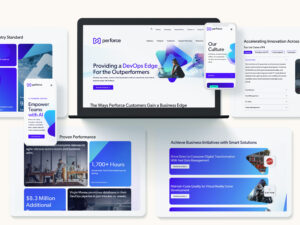
Learn how Perforce’s visual transformation unified their brand
The Benefits of Inbound Marketing Solutions
Inbound marketing solutions offer several key benefits that make them attractive to modern businesses. First, they enhance brand credibility by positioning your company as an industry thought leader. Through consistent, high-quality content, potential customers perceive your brand as a trusted source of information. Second, inbound marketing is cost-effective. By focusing on organic traffic and utilizing SEO strategies, companies can reduce reliance on paid advertising.
Additionally, inbound marketing allows for better targeting and personalization. With tools such as CRM software and marketing automation, businesses can segment their audience and tailor content to different buyer personas. This personalization increases engagement and conversion rates, ultimately leading to higher ROI. For more insights on how to effectively implement inbound strategies, check out our DC Internet Inbound Marketing page.
Key Components of a Successful Inbound Strategy
Implementing a successful inbound marketing strategy involves several critical components. First, businesses must have a deep understanding of their target audience. This involves creating detailed buyer personas that outline the demographics, challenges, and needs of ideal customers. Next, content creation is essential. Developing blog posts, whitepapers, webinars, and videos that address the pain points of your audience helps attract and engage them.
Search engine optimization (SEO) is another vital component. By optimizing content for search engines, businesses can improve their visibility and attract more organic traffic. Additionally, social media platforms provide an avenue to distribute content and engage with potential leads. For those looking to enhance their SEO efforts, consider visiting our Search Engine Optimization page.

Unpack the strategy that helped Asimily break through the noise
Measuring Success in Inbound Marketing
To ensure the effectiveness of inbound marketing solutions, it’s crucial to measure and analyze performance metrics. Key performance indicators (KPIs) such as website traffic, lead conversion rates, and customer acquisition costs provide insights into the success of your strategy. Utilizing analytics tools allows marketers to track these metrics and make data-driven decisions to optimize their campaigns.
Furthermore, A/B testing different content formats and distribution channels can reveal what resonates best with your audience. This iterative approach ensures continuous improvement and alignment with market trends. For a more comprehensive look at how data analytics can enhance your marketing efforts, visit our Digital Marketing Analytics Firm page.
Challenges and Solutions in Inbound Marketing
While inbound marketing offers numerous benefits, it also presents challenges that organizations must navigate. One common challenge is content saturation. With a vast amount of content available online, standing out requires creativity and innovation. Marketers must continuously explore new content formats and storytelling techniques to capture audience attention.
Another challenge is maintaining consistency across multiple channels. As audiences engage with brands on various platforms, ensuring a cohesive brand message is essential. Marketing automation tools can help streamline processes and maintain consistency. For those interested in learning more about integrating these tools, explore our Digital Orchestration page.
Future Trends in Inbound Marketing
As technology evolves, inbound marketing solutions are poised to become even more sophisticated. The rise of artificial intelligence and machine learning is enabling marketers to deliver hyper-personalized experiences at scale. Predictive analytics can anticipate customer needs and tailor content accordingly, enhancing engagement and conversion rates.
Furthermore, the integration of immersive technologies like virtual and augmented reality presents new opportunities for engaging audiences in innovative ways. As these technologies become more accessible, they will play a crucial role in the future of inbound marketing. To explore how these trends are shaping marketing strategies, visit our Best Virtual Reality Agency page.
Bluetext’s View
Inbound marketing solutions offer a strategic advantage for B2B and B2G organizations seeking to engage and convert their target audiences. By focusing on valuable content, personalization, and data-driven insights, businesses can unlock new opportunities and achieve sustained growth. For those ready to elevate their marketing efforts, consider partnering with Bluetext. Our expertise in strategy, branding, and campaign execution can help your organization thrive in today’s competitive landscape. Contact us today to learn more about how we can support your marketing goals.
Recent Posts
Bluetext’s Recent Work