In today’s fast-paced business environment, digital transformation is not just a buzzword; it’s a necessity. For modern marketing leaders, the integration of digital technologies into every facet of business operations is crucial. This transformation reshapes how organizations engage with customers, redefine their branding strategies, and optimize marketing efforts. As a leading B2B and B2G marketing agency, Bluetext is at the forefront of helping businesses navigate this digital landscape, ensuring that their branding and marketing services are not only relevant but also impactful.
The Role of Digital Transformation in Branding
Digital transformation plays a pivotal role in the evolution of branding. In the past, branding was primarily about visual identity and messaging. Today, it encompasses a dynamic, technology-driven approach that connects brands with their audiences on a deeper level. With the rise of digital channels, brands must now focus on creating cohesive and personalized experiences across multiple touchpoints. This shift requires a strategic blend of creativity and technology to ensure that brand messages resonate with target audiences.
For instance, leveraging data analytics allows brands to gain insights into consumer behavior, enabling them to craft more personalized marketing strategies. By understanding customer preferences and behaviors, companies can tailor their branding efforts to meet specific needs, thereby enhancing customer loyalty and engagement. To see how this approach is applied in different sectors, visit our branding work page.
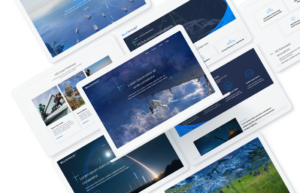
Explore how we crafted BlueHalo’s brand from scratch
Enhancing Customer Engagement Through Digital Marketing
Digital marketing is a critical component of digital transformation that enhances customer engagement. It involves using digital channels such as social media, email, and search engines to reach and interact with customers. The key is to create content that is not only informative but also engaging and interactive.
Social media platforms, for instance, offer a unique opportunity for brands to engage with their audience in real-time. By creating compelling content that encourages interaction, brands can foster a sense of community and loyalty among their followers. Furthermore, search engine optimization (SEO) ensures that content reaches the right audience at the right time, enhancing visibility and engagement. Discover more about our social media strategies and successes.
Leveraging Technology for Innovative Campaigns
Technology is a catalyst for innovation in marketing campaigns. The advent of artificial intelligence, machine learning, and automation has revolutionized how campaigns are planned and executed. These technologies enable marketers to optimize their strategies, predict trends, and measure campaign effectiveness with unprecedented accuracy.
For example, AI-driven analytics can predict consumer trends, allowing marketers to adapt their strategies proactively. Automation tools, on the other hand, streamline marketing processes, making it easier to manage campaigns across various channels. These technologies not only improve efficiency but also enhance the overall effectiveness of marketing efforts. Learn how Bluetext utilizes these technologies in our artificial intelligence projects.

Discover how Bluetext has continued to propel CBIZ’s brand
Challenges and Opportunities in Digital Transformation
While digital transformation offers numerous opportunities, it also presents challenges. One of the primary challenges is the rapid pace of technological change, which requires businesses to be agile and adaptable. Additionally, the integration of new technologies can be complex and resource-intensive.
However, these challenges also present opportunities for growth and differentiation. By embracing digital transformation, businesses can gain a competitive edge, improve customer experiences, and drive innovation. It’s crucial for organizations to have a clear strategy and partner with experts who can guide them through the transformation process. As a digital design agency, Bluetext provides the expertise needed to navigate these complexities.
Transforming Your Brand with Bluetext
In conclusion, digital transformation is reshaping the landscape of branding and marketing. By integrating technology with creative strategies, businesses can enhance their brand presence and engage with their audience more effectively. As a leader in the industry, Bluetext offers comprehensive branding & marketing services that leverage the latest digital trends and technologies.
Whether you’re looking to revamp your branding strategy or launch an innovative marketing campaign, Bluetext is here to help. Contact us today to learn how we can support your digital transformation journey and elevate your brand to new heights. Visit our contact page to get started.
Recent Posts
Bluetext’s Recent Work