The AI revolution is transforming the landscape of digital marketing and branding services. For B2B and B2G marketing leaders, understanding how to navigate this change is critical. Artificial intelligence offers unprecedented opportunities to enhance personalization, efficiency, and data-driven decision-making. As a leading B2B and B2G marketing agency, Bluetext is at the forefront of helping organizations leverage AI to enhance their marketing strategies and strengthen their brand presence.
Understanding AI’s Impact on Digital Marketing
Artificial intelligence is reshaping digital marketing by enabling more targeted and personalized customer experiences. Through machine learning algorithms, AI can analyze vast amounts of data to predict consumer behavior, segment audiences, and tailor marketing messages. This capability allows brands to engage customers more effectively and improve conversion rates. For instance, AI-driven chatbots provide real-time customer service, enhancing user experience and brand loyalty.
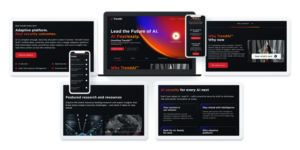
Bigger Reach. Better Clients. Discover the work we did for TrendAI.
Enhancing Personalization with AI
Personalization is no longer a luxury—it’s an expectation. AI helps marketers achieve this by analyzing data to understand customer preferences and behaviors. This data-driven approach allows for the creation of hyper-personalized content that resonates with individual users. From personalized email campaigns to customized product recommendations, AI empowers brands to deliver the right message at the right time. This capability is crucial for maintaining a competitive edge in the crowded digital marketplace.
AI and Branding: Building Stronger Connections
Branding is more than just a logo or tagline; it’s about creating a meaningful connection with the audience. AI can play a pivotal role in this process. By analyzing social media interactions and online behavior, AI tools can provide insights into how a brand is perceived and how it can improve its messaging. This data can guide the development of a brand strategy that resonates more deeply with target audiences.
AI-Powered Content Creation
Content is king in the digital age, and AI is revolutionizing how it is created and distributed. AI tools can generate content ideas, optimize for SEO, and even write articles, enabling marketers to produce high-quality content at scale. This capability allows brands to maintain a consistent and engaging online presence, essential for building and sustaining brand recognition. For organizations looking to leverage these capabilities, partnering with an expert agency like Bluetext can be invaluable.
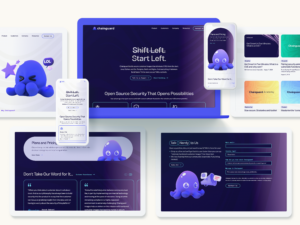
Meet Linky, the brand character we created for Chainguard
The Role of AI in Campaign Management
Campaign management is another area where AI is making significant strides. AI-powered platforms can automate many of the time-consuming tasks associated with campaign management, such as ad bidding and audience targeting. These platforms use machine learning to optimize campaigns in real-time, ensuring that marketing budgets are spent efficiently and effectively. This automation not only saves time but also enhances the accuracy and impact of marketing efforts.
Data-Driven Decision Making
AI facilitates data-driven decision-making by providing marketers with deep insights into campaign performance. By analyzing key metrics and trends, AI can identify what strategies are working and what areas need improvement. This insight allows marketers to make informed decisions that enhance campaign effectiveness and ROI. For instance, Bluetext’s digital marketing analytics services can provide the necessary tools and insights to harness the power of AI effectively.
Preparing for the Future of AI in Marketing
As AI technology continues to evolve, its role in digital marketing and branding will only grow. Companies must stay ahead of the curve by continually adapting their strategies and exploring new AI-driven opportunities. This proactive approach will ensure that they remain competitive and relevant in an ever-changing digital landscape.
Ethical Considerations and Challenges
While AI offers numerous benefits, it also presents challenges and ethical considerations. Privacy concerns and data security are paramount, and marketers must ensure that AI tools are used responsibly. Transparency in how AI-driven decisions are made is also crucial for maintaining consumer trust. Working with experienced partners like Bluetext can help navigate these complexities, ensuring that AI is implemented ethically and effectively.
For marketing leaders looking to harness the power of AI in their digital marketing and branding efforts, Bluetext offers a wealth of expertise and innovative solutions. From branding to SEO and beyond, our team can help your organization thrive in the AI era. Contact us today to explore how we can support your marketing strategy and drive your brand forward.
Recent Posts
Bluetext’s Recent Work