In today’s highly competitive B2B and B2G landscapes, marketing leaders are constantly seeking innovative strategies to enhance their return on investment (ROI). One such strategy that has proven to be effective is storytelling marketing. By weaving compelling narratives, businesses can engage their audiences on a deeper level, fostering trust and building long-lasting relationships. This blog post explores how storytelling marketing can significantly boost B2B ROI, offering insights and practical tips for marketing executives looking to leverage this powerful tool.
Understanding the Power of Storytelling in B2B Marketing
Storytelling marketing is not a new concept, but its application in B2B marketing is gaining unprecedented traction. In contrast to traditional marketing methods that focus on features and benefits, storytelling creates an emotional connection with the audience. By sharing stories that resonate with target customers, businesses can differentiate themselves in a crowded marketplace.
Research shows that narratives are more memorable than standalone facts. When companies like yours craft stories that align with the values and needs of their audience, they are more likely to capture attention and drive engagement. This emotional connection is crucial in B2B marketing, where trust and relationship-building are key drivers of success.

Get the story on how we helped CBIZ stand out in a crowded market.
Crafting Compelling Narratives for B2B Audiences
To create compelling stories, B2B marketers must first understand their audience’s challenges and aspirations. This involves conducting thorough market research and gathering insights into what motivates their target customers. Once these elements are identified, marketers can craft narratives that address these pain points, offering solutions in a relatable and engaging manner.
Effective storytelling should include key components such as a clear protagonist, a relatable challenge, and a resolution that highlights the brand’s value proposition. By positioning the customer as the hero of the story and the brand as the guide, businesses can demonstrate how they help solve critical problems.
Integrating Storytelling Across Marketing Channels
Storytelling should not be confined to a single marketing channel. To maximize impact, it must be integrated across various touchpoints, including digital, social media, and traditional advertising. Consistency is key to maintaining a cohesive brand narrative, ensuring that each channel reinforces the overarching story.
For instance, a case study showcasing a successful client transformation can be shared as a blog post, repurposed into a social media campaign, and featured in email newsletters. By leveraging different formats and platforms, businesses can reach a wider audience and reinforce their message.
Measuring the Impact of Storytelling on ROI
Measuring the effectiveness of storytelling marketing requires a strategic approach. Key performance indicators (KPIs) such as engagement rates, lead generation, and conversion metrics can provide valuable insights into the success of storytelling efforts. Utilizing advanced analytics tools can help marketers track the performance of their narratives and make data-driven decisions.
Furthermore, feedback from sales teams and direct customer interactions can offer qualitative insights into how stories are resonating with the audience. This feedback loop is essential for refining and optimizing storytelling strategies over time.
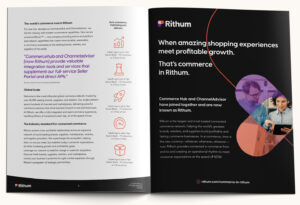
Trust is the most valuable conversion metric. Learn how we built it for Rithum.
Real-World Examples of Successful Storytelling in B2B
Several B2B companies have successfully leveraged storytelling to enhance their marketing strategies. For instance, Bluetext has a rich portfolio of creative services that demonstrate the impact of storytelling in various industries. By examining these examples, marketing leaders can gain inspiration and identify best practices for their own campaigns.
Another example is the use of storytelling in branding efforts. By developing a strong brand narrative, companies can create a unique identity that resonates with their audience, fostering loyalty and driving long-term growth.
Challenges and Considerations in Storytelling Marketing
While storytelling offers numerous benefits, it also presents challenges that marketers must navigate. Crafting authentic and relatable stories requires a deep understanding of the audience and a commitment to transparency. Additionally, aligning storytelling with overall business goals and ensuring consistency across channels can be complex.
To overcome these challenges, businesses should invest in skilled storytellers and collaborate with experienced B2B marketing agencies like Bluetext. These partnerships can provide the expertise and resources needed to develop and execute effective storytelling strategies.
Elevate Your B2B Marketing with Storytelling
Incorporating storytelling marketing into your B2B strategy can transform the way you connect with your audience, ultimately boosting ROI. By crafting compelling narratives, integrating them across channels, and measuring their impact, businesses can foster deeper relationships and drive growth. To explore how storytelling can enhance your marketing efforts, contact Bluetext for expert strategy, branding, and campaign support. Let us help you tell your story and achieve your marketing goals.
Recent Posts
Top Cybersecurity Marketing Trends to Watch in 2027
Bluetext’s Recent Work