In the fast-paced realm of public sector marketing, creating a robust online presence is essential for success. As government agencies and contractors increasingly rely on digital platforms to engage with stakeholders, mastering the nuances of DC web design becomes imperative. This guide explores the key elements of effective web design tailored for the public sector, providing actionable insights for marketing leaders aiming to enhance their digital strategies.
Understanding the Unique Needs of Public Sector Web Design
Public sector websites serve a diverse audience that includes citizens, businesses, and other governmental bodies. Unlike commercial websites, these sites must prioritize accessibility, transparency, and security. Ensuring compliance with regulations such as Section 508 for accessibility and the latest cybersecurity standards is crucial. This focus on inclusivity and protection helps build trust with users, an essential component for public sector entities.
Prioritizing User Experience and Accessibility
One of the core components of successful DC web design is a focus on user experience (UX). Public sector websites need to be intuitive and easy to navigate. Implementing a clean layout with clear calls to action ensures that users can quickly find the information they need. Additionally, incorporating responsive design elements is vital to accommodate a wide range of devices, from desktops to smartphones.
Accessibility is not just a legal obligation but a moral one. Ensuring that websites are navigable for users with disabilities involves careful consideration of color contrasts, text sizes, and keyboard navigation. By focusing on these elements, agencies can reach a broader audience and demonstrate their commitment to serving all citizens.
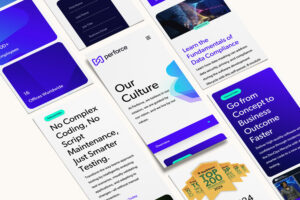
ROI starts with a message that people remember. Go inside how we reshaped Perforce’s brand.
Leveraging Content Strategy for Public Engagement
Effective content strategy is key to engaging the public and maintaining transparency. This involves not only providing comprehensive and up-to-date information but also presenting it in a way that is easy to understand. Utilizing infographics, videos, and interactive elements can enhance engagement and facilitate better communication of complex topics.
Moreover, integrating social media and other digital channels into the web design helps amplify the reach and impact of the content. This integrated approach ensures that the public sector can engage with its audience on multiple platforms, reinforcing its message and fostering community involvement.
Ensuring Robust Security Measures
Security remains a top priority for public sector websites. The sensitive nature of the information handled by these sites necessitates stringent security protocols to protect against data breaches and cyber threats. Implementing strong encryption methods, regular security audits, and user authentication processes are essential steps in safeguarding both the agency’s and the public’s data.
Staying updated with the latest security trends and technologies is critical. Collaborating with experts in cybersecurity and leveraging platforms designed for government use can help maintain a secure online environment. This proactive approach not only protects sensitive information but also enhances public trust in the institution.

Utilizing Data Analytics for Continuous Improvement
Data analytics play a pivotal role in refining web design and functionality. By analyzing user behavior and engagement metrics, agencies can identify areas for improvement and optimize their websites accordingly. This data-driven approach allows for continuous enhancement of the user experience, ensuring that the website remains relevant and effective.
Implementing tools for tracking website performance and user interactions provides valuable insights into what works and what doesn’t. Regularly reviewing these analytics ensures that the website evolves with changing user needs and technological advancements.
Partnering with Experts for Success
In the competitive landscape of public sector digital engagement, partnering with experienced professionals can make all the difference. At Bluetext, we specialize in crafting tailored web design solutions that meet the unique needs of government agencies and contractors. Our expertise in DC web design ensures that your online presence is not only functional but also impactful.
Ready to elevate your digital strategy? Contact us today to discover how we can support your web design, branding, and marketing needs, driving public sector success in the digital age.
Recent Posts
Top Cybersecurity Marketing Trends to Watch in 2027
Bluetext’s Recent Work