Prefer listening over reading? Check out the podcast version of this blog below and enjoy insights on the go!
Cybersecurity companies operate in one of the most competitive and complex markets in B2B. The stakes are high, the technology is sophisticated, and buyers are increasingly skeptical. While demand for cybersecurity solutions continues to grow, many companies struggle to communicate their value clearly and consistently.
Marketing in this space is fundamentally different from other B2B categories. Success depends on more than lead generation or brand awareness. It requires clarity, credibility, and a deep understanding of how security buyers evaluate risk. For many organizations, working with a specialized cybersecurity marketing agency becomes essential to navigating these challenges effectively.
Why Cybersecurity Marketing Is Uniquely Challenging
Cybersecurity marketing sits at the intersection of technical complexity and business risk. Products are often highly specialized, yet buyers range from deeply technical practitioners to executive decision-makers focused on financial and operational impact.
Adding to the challenge, the market is crowded. New vendors emerge constantly, many using similar language and claims. Buyers are inundated with messaging that promises protection, visibility, or resilience, making it difficult for any single brand to stand out.
Trust also plays an outsized role. In cybersecurity, credibility is not optional. Prospective customers must believe that a vendor understands the threat landscape and can protect critical systems. Marketing that feels exaggerated, vague, or overly promotional can quickly undermine confidence.

Challenge 1: Translating Technical Complexity Into Clear Value
One of the most common pitfalls in cybersecurity marketing is an overemphasis on features and technical capabilities. While accuracy matters, deeply technical messaging often fails to resonate with buyers who are focused on outcomes rather than architecture.
Security leaders care about reducing risk, improving response times, and maintaining compliance. Executives want to understand how a solution protects the business, minimizes disruption, and supports long-term resilience. When messaging does not connect technology to these priorities, it creates friction in the buying process.
This challenge is especially pronounced for early-stage and mid-market cybersecurity companies, where product innovation can outpace marketing maturity.
Overcoming Complexity With Strategic Messaging
Effective cybersecurity marketing starts with a disciplined messaging strategy. This means identifying the core problems the product solves and articulating them in language that resonates with different audiences.
A strong messaging framework speaks to both technical and business stakeholders without oversimplifying or diluting accuracy. It prioritizes clarity, relevance, and consistency across channels. Use cases, real-world scenarios, and proof points help ground abstract capabilities in tangible outcomes.
A cybersecurity marketing agency brings structure to this process. With category experience, they know how to balance precision with accessibility, ensuring that complex offerings are understood and remembered.
Challenge 2: Building Trust in a High-Stakes Market
Trust is the foundation of every cybersecurity purchase. Buyers are evaluating vendors not just on functionality, but on reliability, expertise, and long-term viability. Any perception of risk or uncertainty can derail a deal.
For newer companies, establishing credibility is often the biggest hurdle. For established firms, maintaining trust while evolving the brand or expanding into new markets can be equally challenging.
Marketing missteps, such as overpromising results or relying on buzzwords, can quickly erode confidence. In cybersecurity, buyers expect accuracy, transparency, and depth.
Strategies for Establishing Credibility and Authority
Building trust requires consistency over time. Thought leadership plays a critical role, particularly when it demonstrates genuine understanding of the threat landscape and emerging challenges. Content should educate rather than sell, positioning the company as a knowledgeable and reliable partner.
Brand consistency is equally important. From visual identity to tone of voice, every touchpoint should reinforce professionalism and credibility. Customer proof, analyst recognition, and third-party validation help further reduce perceived risk.
A marketing agency for cybersecurity companies understands how to build authority without exaggeration. They focus on long-term brand equity alongside near-term campaign performance.
Challenge 3: Differentiating in a Saturated Cybersecurity Landscape
Differentiation is one of the most persistent challenges in cybersecurity marketing. Many vendors offer overlapping capabilities, and industry language has become increasingly homogenized.
Claims around visibility, protection, and intelligence are common, making it difficult for buyers to discern meaningful differences. Feature-based differentiation often collapses under scrutiny, especially when competitors make similar claims.
Without clear positioning, marketing efforts risk blending into the background, regardless of product quality.
Creating Differentiation Through Brand Strategy
True differentiation comes from strategic positioning, not feature lists. Effective cybersecurity brands define who they serve, what problems they solve best, and why their approach is distinct.
This requires making deliberate choices. Not every buyer is the right buyer, and not every capability needs equal emphasis. Clear positioning helps focus messaging, guide campaign development, and align sales and marketing teams.
A cybersecurity marketing agency brings an external perspective that helps uncover defensible points of differentiation. By aligning brand strategy with business objectives, companies can cut through noise and communicate value more effectively.
Challenge 4: Reaching Multiple Buyers With Conflicting Priorities
Cybersecurity buying decisions rarely rest with a single individual. Security practitioners, IT leaders, CISOs, and executives all influence the process, often with different priorities and concerns.
Marketing must address technical depth without alienating non-technical stakeholders. Content that resonates with security teams may not land with executive buyers, and vice versa. This complexity makes one-size-fits-all messaging ineffective.
Understanding where and how each audience engages is critical to building effective campaigns.
Campaign Strategies That Drive Engagement and Results
Successful cybersecurity campaigns are integrated and intentional. Brand, content, digital, and demand efforts should work together to support long sales cycles and complex decision-making processes.
Measurement frameworks must reflect these realities. While leads and conversions matter, engagement quality and pipeline influence often provide more meaningful insight. Metrics such as account engagement, content performance, and sales alignment help connect marketing activity to revenue outcomes.
A marketing agency for cybersecurity companies brings experience designing campaigns that balance brand building with performance, ensuring that marketing supports growth at every stage.
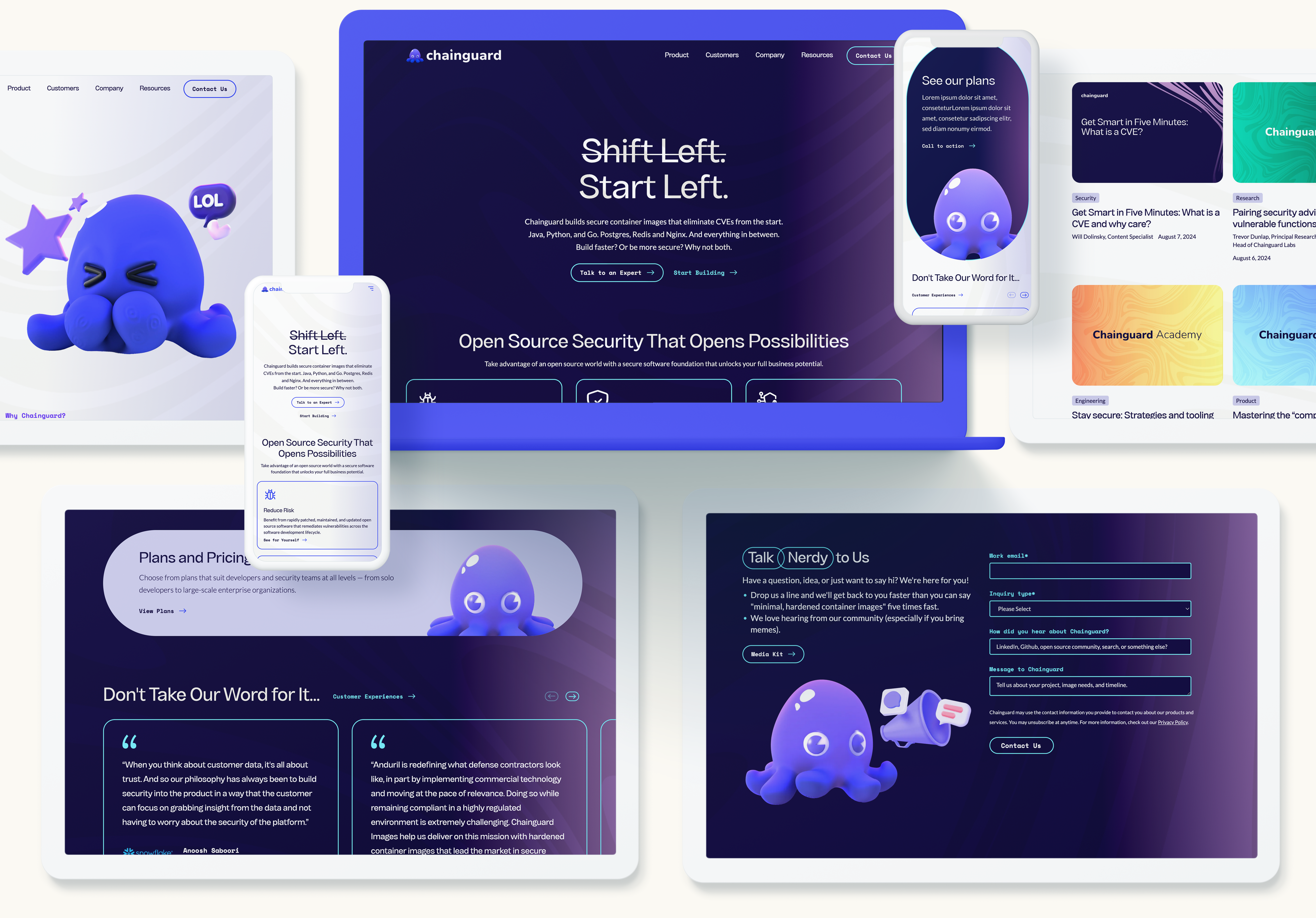
Why Specialized Cybersecurity Marketing Expertise Matters
Generalist B2B marketing approaches often fall short in cybersecurity. Without category knowledge, agencies can struggle with messaging accuracy, credibility, and buyer expectations.
A specialized cybersecurity marketing agency understands the nuances of the space, from regulatory considerations to evolving threat narratives. This expertise accelerates strategy development and reduces the risk of missteps that can damage trust.
For many cybersecurity companies, partnering with an experienced agency allows internal teams to focus on product innovation while ensuring marketing execution remains disciplined and effective.
Turning Marketing Challenges Into Competitive Advantage
Cybersecurity marketing challenges are significant, but they are not insurmountable. Companies that invest in clarity, credibility, and strategic alignment are better positioned to stand out in crowded markets.
By addressing complexity through strong messaging, building trust through consistent brand execution, and differentiating through clear positioning, cybersecurity companies can transform marketing into a growth driver.
The right agency partnership can make the difference between blending in and leading the conversation. With the right strategy and execution, marketing becomes a competitive advantage rather than a bottleneck.
Ready to turn complex cybersecurity offerings into clear, compelling marketing?
Bluetext partners with cybersecurity companies to clarify positioning, build trust, and create marketing strategies that support real business growth. If you’re looking for a team that understands the cybersecurity landscape and knows how to translate technical depth into impact, let’s talk.
Recent Posts
Bluetext’s Recent Work