Cyber threats are escalating in speed, scale, and sophistication, and the buying committee is expanding just as quickly. That reality raises the bar for marketing leaders in security. Winning requires relevance to CISOs, clarity for practitioners, and credibility with the board. Working with a cybersecurity marketing firm that understands both the technology and the enterprise sale is the difference between incremental results and market leadership. The following insights distill what leading firms are doing right so you can elevate strategy, accelerate pipeline, and strengthen brand authority.
What separates top cybersecurity marketing partners today
The best programs begin with an unflinching focus on the audience reality. A high-performing cybersecurity marketing firm internalizes how risk, compliance, architecture, and budget decisions are actually made. That means moving from feature-first messaging to evidence-led value narratives tied to operational outcomes like mean time to detect, dwell time reduction, and policy enforcement at scale. The firm’s job is to translate deep technical differentiation into stories that de-risk the decision for executives while equipping champions to drive consensus.
- Precision positioning rooted in market structure. Leading teams map competitors, substitutes, and adjacencies to carve out a defensible lane. A cybersecurity marketing firm then defines proof points and customer language that neutralize “good enough” alternatives.
- Program architecture aligned to the full buying committee. Security engineers want hands-on depth, finance leaders want cost predictability, and agencies require compliance clarity. A single plan must satisfy all without diluting the core idea.
- Relentless emphasis on credibility. Analyst relations, third-party validations, and quantified case studies are nonnegotiable. Trust is earned through substance and consistency.
How to craft a category narrative that buyers and analysts remember
A category narrative should make complex concepts immediately graspable. The goal is not to describe everything your platform does. The goal is to frame the problem and your point of view so succinctly that buyers can retell it inside their organizations. A seasoned cybersecurity marketing firm builds a narrative that aligns to pain, risk, and urgency across three tiers: macro threats, organizational impact, and role-based priorities. Done well, this narrative becomes the spine for campaigns, content, and sales tools.
Message architecture that scales across roles and channels
Start with a one-sentence promise that is anchored to a measurable outcome. Support it with three pillars that connect to platform capabilities and use cases. Translate each pillar into executive, practitioner, and partner proof points. A cybersecurity marketing firm then operationalizes the architecture across website pages, enablement decks, demo scripts, and PR talking points to maintain signal consistency while allowing depth where needed.
Which channels deliver pipeline in cybersecurity right now
Security buyers need a reason to reallocate constrained budgets. That means showing proof early, not after the gated form. ABM and field marketing work when they provide value in the first interaction. A high-performing cybersecurity marketing firm leans into technical content, peer validation, and tactical tools that help teams move an initiative forward this quarter. Events, communities, and intelligence briefings continue to convert when they are built around practitioner utility rather than product promotion.
Paid, owned, and earned tactics calibrated for intent
Start by using search and review platforms to harvest late-stage demand and direct it toward differentiated assets. Bolster credibility with earned media on real issues such as SaaS misconfigurations, software supply chain risks, and OT exposure. On owned channels, invest in explainers, frameworks, and sample policies that practitioners can deploy immediately. A cybersecurity marketing firm should unify these threads through a simple conversion path that prioritizes demos, proofs of concept, and risk assessments tied to business outcomes.
How to market security solutions to the public sector without risk
Public sector innovation cycles and buying processes differ meaningfully from enterprise norms. Compliance, certifications, and mission alignment matter as much as features. A strong cybersecurity marketing firm knows how to position capabilities for federal, state, and local requirements while respecting rules around procurement-sensitive claims. It is critical to balance thought leadership with precise language that aligns to contract vehicles, cybersecurity frameworks, and zero trust mandates.
Map campaign themes to mission outcomes such as resilience, continuity of operations, and cross-agency collaboration. Translate technical claims into acquisition-ready language that references control families and policy directives without overstepping. For B2G programs, align messaging to role-specific triggers for CIO, CISO, and program executive stakeholders. A cybersecurity marketing firm will also synchronize content release cycles with budget timelines and period-of-performance realities to improve win probabilities.
Proof builds trust: assets that convert security skeptics
Security decision makers have learned to ignore marketing claims. Instead, they respond to proof they can interrogate. Anchor campaigns in artifacts that reflect the rigor of your program and the maturity of your customers. This is where a cybersecurity marketing firm can unlock disproportionate impact by shifting your content mix toward evidence and practitioner utility.
- Quantified customer outcomes. Build repeatable case study formats with before-and-after metrics like time to remediate and alert fatigue reduction.
- Technical validation. Commission red team exercises or third-party pen tests and publish summarized findings with sufficient technical fidelity.
- Economic framing. Translate risk and controls into financial terms, making it easier for CFOs to support the plan.
- Hands-on experiences. Host guided labs and simulations that replicate real attack paths and defensive workflows.
Video and interactive experiences that reduce time to conviction
Video is often the fastest route to comprehension when products span identity, data, and network layers. Create short explainers that visualize control points along the kill chain, then drive to a deeper interactive lab. An expert cybersecurity marketing firm will sequence formats for progressive discovery, starting with an animated overview, bridging to a narrated demo, and culminating in a hands-on challenge. This structure compresses time to conviction for technical buyers and simplifies storytelling for executives.

Check out our video work with SecurityScorecard
Search, content, and AEO strategies for technical audiences
Search behavior in cybersecurity is fragmented across roles and stages, which demands precision. Rather than chasing generic keywords, define intent clusters that reflect real jobs to be done, such as exposure management, least privilege, or secure software development. An experienced cybersecurity marketing firm leverages content depth, structured data, and answer-engine optimization to win zero-click and long-tail moments while feeding ABM programs with context-rich leads.
- Answer real questions succinctly. Build FAQ-style hubs that resolve tactical needs like “how to implement just-in-time access” and “what is SBOM attestation.”
- Use structured data. Mark up definitions, product comparisons, and how-tos so answers surface quickly in rich results.
- Connect content to conversion. Each page should point to hands-on proof such as a lab, PoC, or calculator.
- Instrument relentlessly. Tie rankings to pipeline metrics to keep efforts focused on revenue.
Analytics is the glue. Mature teams bring together keyword universe mapping, competitive gap analysis, and content testing in one operating rhythm. For deeper audience intelligence and testing frameworks, explore Bluetext’s approach to research and analytics and how it informs channel and content decisions that drive measurable impact.
Metrics that matter to the CMO and the board
Security buyers reward rigor, and your measurement model should follow suit. Move beyond traffic and MQL counts to metrics the board values. A cybersecurity marketing firm will benchmark marketing-sourced pipeline, stage-by-stage conversion, velocity, and win-rate differentials for ABM accounts relative to the total addressable market. CAC payback, expansion rates, and multi-product attach are the trailing indicators that prove durable advantage. Align executive dashboards to these measures and ensure quarterly business reviews connect activities to revenue outcomes.
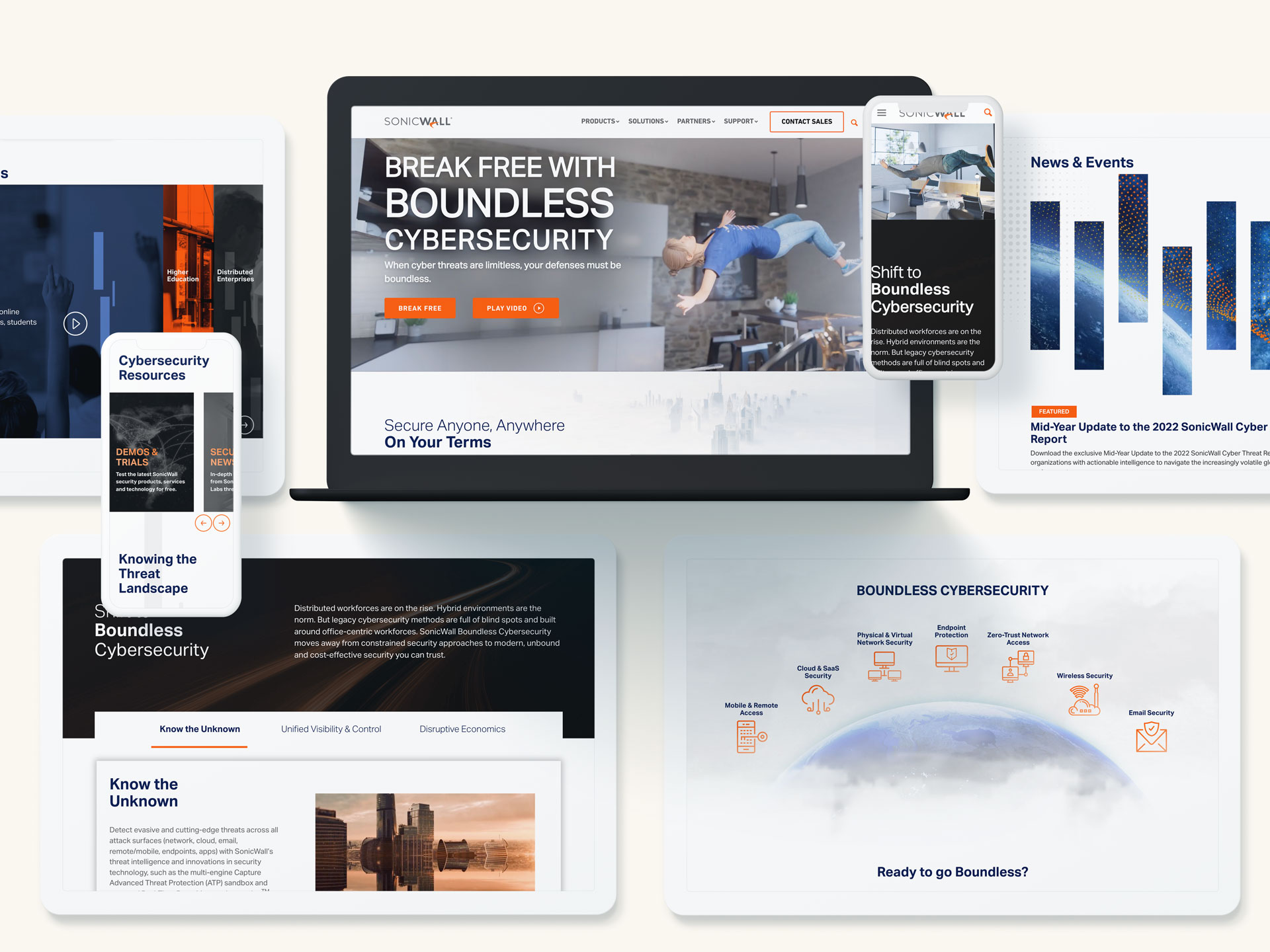
Dig into how we partnered with SonicWall
Selecting the right partner is a force multiplier. Look for a cybersecurity marketing firm that can work across both B2B and B2G motions with credibility. Evaluate their ability to simplify complex architectures without softening the technical truth. Review how they translate emerging trends like identity-first security, CNAPP, and software supply chain integrity into narratives that resonate with both analysts and end users. Ask to see measurement frameworks that tie positioning, content, media, and sales enablement together.
- Category experience. Your partner should have a portfolio that spans endpoint, cloud, identity, data, and OT security so they can anticipate objections and recommend accelerators.
- Brand-to-demand integration. A cybersecurity marketing firm must be equally fluent in brand strategy and demand generation, not one or the other.
- Speed and discipline. Cyber markets move quickly. You need agile sprints and editorial rigor to keep messages current and accurate.
- Public sector fluency. For sellers into government or contractors, ensure the team understands procurement sensitivities and accreditation pathways.
Finally, assess cultural fit. The ideal cybersecurity marketing firm will challenge assumptions, bring fresh creative energy, and embed with your sales and product leaders. They should complement your internal strengths and add the signal you do not have in-house, whether that is research depth, creative scale, or channel specialization.
Accelerating execution with an agency that knows the terrain
Turning strategy into market impact takes cross-functional alignment and polished execution. A specialized cybersecurity marketing agency brings planners, creatives, technologists, and media strategists to the same table so programs launch with momentum and sustain over time. Expect a planning cadence that translates category narrative into quarterly campaign themes, content roadmaps, and field plays. Insist on a creative process that makes complex ideas intuitive for buyers without sacrificing accuracy for speed.
When you evaluate creative, judge it on clarity, memorability, and technical integrity. Ask how the team will tailor core concepts to each route to market, from direct enterprise to channel and OEM relationships. A high-caliber cybersecurity marketing firm will build for modularity so assets repurpose across web, demand gen, events, and sales motions without creating inconsistency or rework.
From brand to proof: where Bluetext adds leverage
Bluetext has partnered with cybersecurity innovators across growth stages to build brands, launch categories, and drive measurable pipeline impact. Our teams synchronize research, positioning, visual identity, content strategy, and activation to deliver a coherent market presence. Explore examples of our work in cybersecurity to see how brand storytelling and technical depth come together in practice. When a cybersecurity marketing firm aligns narrative, creative, and channels, prospects understand your value faster and with more conviction.
We also prioritize the operational realities of enterprise and public sector buyers. From enablement kits that arm sales with objection handling to campaign architectures built for multi-quarter pursuits, the right cybersecurity marketing firm creates systems that scale. That includes structured governance for content accuracy, cross-functional review processes, and analytics models that attribute revenue appropriately across long cycles and complex deals.
A practical 90-day plan to elevate your program
To build momentum quickly, establish a 90-day sprint with clear outcomes and owners. A skilled cybersecurity marketing firm will help you focus on the moves that compound.
- Clarify the promise. Pressure test your one-sentence value proposition with customers and sales. Lock messaging, proof points, and a three-pillar framework.
- Fix the conversion path. Align top-performing pages, demos, and sales handoffs to a single storyline. Reduce friction to the two actions that best predict revenue.
- Publish proof. Release two quantified case studies and one technical validation asset. Promote across search, email, and community channels.
- Stand up intent harvesting. Launch a focused paid search program around your most defensible solution plays. Instrument from click to close.
- Enable the field. Deliver a concise enablement pack with talk tracks, ROI framing, and competitive traps. Train champions to retell the story faithfully.
Within this window, your teams should see higher demo acceptance rates, improved pipeline quality, and faster consensus among buying committees. These are the signals that your narrative, creative, and channel choices are resonating. A data-driven cybersecurity marketing firm will turn those early wins into an operating model that sustains results through the fiscal year.
Ready to elevate your cybersecurity narrative and pipeline
The stakes in security are too high for guesswork. Progress comes from message clarity, credible proof, and disciplined execution. If you are ready to sharpen positioning, strengthen creative, and launch programs that convert complex value into measurable growth, Bluetext can help. Begin the conversation today and see how an experienced cybersecurity marketing firm can turn ambition into market impact. To get started, review our approach, explore relevant case studies, and contact Bluetext to build a plan tailored to your objectives and timelines.
Cybersecurity brands face a paradox. The audience is sophisticated and risk averse, the attack surface changes daily, and buyer committees want proof without exposure. This is why search is both the most important and the most unforgiving channel in the category. SEO for Cybersecurity must translate complex capabilities into trusted, discoverable answers at the exact moment of need. Executives who invest in the right strategy see compounding returns in pipeline quality, analyst visibility, and share of voice. Those who do not watch competitors own high-intent queries, frame market categories, and shape RFP criteria. This article breaks down how to navigate the unique challenges of optimizing for cyber buyers across commercial and public sector landscapes, and how to turn search into an engine for sustainable growth.
Why cybersecurity search dynamics require a different playbook
At first glance, search fundamentals look consistent across industries. In practice, SEO for Cybersecurity behaves differently because queries age quickly, acronyms proliferate, and decision makers prefer proven frameworks over hype. Seasonality is driven by breach news, compliance deadlines, and conference schedules. Content that wins today can slide in weeks if it does not evolve with tactics, TTPs, and regulatory changes. Your program needs a system for continuous refresh and a taxonomy that aligns emerging threats with stable solution concepts.
Fast-moving threats and ephemeral queries
Exploit names and CVE numbers generate short bursts of search volume. Chasing them rarely builds defensible traffic. The better path for SEO for Cybersecurity is to map each news spike to enduring use cases and zero trust, identity, data, or cloud security pillars. Produce rapid-response explainers that redirect interest to evergreen architectures and buyer outcomes. Capture the moment, then hand off to content that compounds.
High-stakes buyers and trust signals
CISOs, security architects, and federal program managers evaluate credibility before they read. Trust begins in the SERP. For SEO for Cybersecurity, prioritize precise titles, clear meta descriptions, and sitelink structure that projects maturity. On the page, showcase certifications, attestations, customer evidence, and third-party validation. Make legal, compliance, and security documentation easy to find. Treat E-E-A-T as table stakes, not a differentiator.
What should your keyword strategy prioritize?
Many teams start with product keywords, then wonder why traffic does not convert. A better framework orders targets by intent and risk posture. Build a core of stable solution, architecture, and framework keywords. Layer problem and detection queries that reflect attacker behavior. Add compliance and public sector terminology that aligns with procurement language. Reserve product and feature queries for conversion hubs. SEO for Cybersecurity gains leverage when it connects these layers through consistent internal linking and clear navigation.
- Solution layer: zero trust network access, identity threat detection, data security posture management.
- Problem layer: lateral movement, privilege escalation, ransomware dwell time.
- Compliance layer: FedRAMP, CMMC, SOC 2, industry-specific mandates.
- Conversion layer: pricing, demos, integrations, supported platforms.
Use query clustering to group related intents. Then assign content types to each cluster. Guides and frameworks for solution queries, deep dives for problems, comparison pages for competitive evaluations, and implementation pages for conversions. This is where SEO for Cybersecurity aligns with buyer enablement rather than just rankings.
How do you build topical authority without oversharing?
Security teams worry that detailed content may help adversaries. The answer is to publish guidance that informs defenders without operationalizing attacks. Focus on methodologies, detection logic concepts, kill chain mappings, and outcome-centric architecture patterns. Create a threat research cadence that deconstructs incidents and maps them to your controls. For SEO for Cybersecurity, this approach delivers depth, not sensitive configuration details. Pair each technical piece with executive summaries that translate risk into business impact and governance.
Editorial governance matters. Establish redlines for sensitive material, review flows with product security and legal, and a process to update posts as the situation changes. This protects brand integrity while compounding authority around your chosen pillars.
How can you win federal and regulated sector searches?
Public sector buyers search differently. They use acquisition terms, contract vehicles, and compliance phrases. To capture this intent, align taxonomy and content to federal frameworks, mission outcomes, and procurement language. Build specific landing pages for FedRAMP status, Authority to Operate pathways, IL levels, and agency use cases. SEO for Cybersecurity should also address state and local standards, critical infrastructure designations, and sector-specific directives. Pair these with case narratives and measurable outcomes appropriate for clearance and disclosure policies.
If federal is a priority, align your plan with proven public sector digital marketing techniques. Integrate FAQs that answer common acquisition questions, publish documentation indexes for contracting officers, and make accessibility compliance explicit. This meets both human and machine expectations for clarity.
What on-page fundamentals matter most right now?
Search engines reward pages that answer questions completely, load quickly, and demonstrate clarity. For SEO for Cybersecurity, emphasize scannability and precision. Use concise H1s and H2s that mirror query language. Open with a plain-language definition and a verdict, then move to architectural context, selection criteria, and next steps. Include schema where relevant, especially FAQPage, Product, Organization, and HowTo for procedural content. Maintain a living glossary for acronyms and standards. Ensure documentation, uptime, and trust center links are one click away for validation.
Performance is non-negotiable. Buyers will not tolerate heavy animations or scripts that slow key pages. Optimize Core Web Vitals without sacrificing brand. Security audiences appreciate speed, clarity, and control more than motion design. That principle alone can lift conversion rates from organic.
How do you earn high-authority links in a risk-averse ecosystem?
Security publications and analysts prefer data-rich, methodology-driven references. Invest in original research, benchmark reports, and tooling that the community finds useful. Host calculative models for risk quantification, maturity assessments, or cost of breach estimates. For SEO for Cybersecurity, this type of asset attracts citations from media, academia, and government. Pair it with a disciplined digital PR program that respects disclosure norms and coordinates with incident response timelines.
If you need the right mix of content, PR, and search orchestration, partner with a specialized cybersecurity marketing agency. Integrated planning ensures your research earns credible coverage and that coverage consolidates authority to the pages that drive pipeline.
Where does content gating help or hurt SEO for Cybersecurity?
Gated content captures known demand. Ungated content builds new demand and authority. The right balance depends on objective and audience. As a rule, ungate executive primers, architectural frameworks, product comparison pages, and implementation guides. Gate analyst-caliber reports, proprietary benchmarks, and calculators that require data inputs, but always provide an ungated summary page with key findings. SEO for Cybersecurity benefits when the summary ranks and the gated asset converts.
Be transparent about data use and privacy. Include a shortform option for government or regulated users who cannot share detailed information. Respect for process reduces form abandonment and builds trust with high-stakes buyers.
How should product and category pages be structured?
Category pages explain problems and solution patterns. Product pages prove fit. For SEO for Cybersecurity, each category page should own a buyer narrative: definition, why it matters now, how to evaluate, selection criteria, and measurable outcomes. Link to deep dives, customer stories, and a comparison to adjacent categories. On product pages, lead with validated use cases, control mappings, integrations, operating environment, and performance at scale. Include a frictionless path to testing, including demo videos, sandbox access, and deployment guides.
Cross-linking between categories and products should be deliberate. Search engines and buyers infer clarity when these relationships are consistent. Avoid orphaned documentation. Bring docs, trust center, and integration directories into the same architecture so SEO for Cybersecurity signals reinforce each other.
How do you align SEO with sales engineering and analyst relations?
Security purchases hinge on validation. Sales engineers, solution architects, and analysts function as trust amplifiers. Build a shared content backlog that captures the most common objections, RFP criteria, and proof points raised in technical evaluations. Then turn these patterns into public answers. For SEO for Cybersecurity, this creates high-intent content that maps directly to how deals advance, not just how pages rank. Coordinate publication calendars with analyst briefings so terminologies match the waves and market guides that shape buyer vocabulary.
Instrument every key page with self-qualifying paths. Offer options to talk to an expert, run a guided assessment, or explore a lab environment. Attach measurement to each outcome so marketing and sales share a single view of contribution to pipeline.
What metrics should executives track beyond traffic?
Pageviews do not earn renewals. Executive dashboards must show how search contributes to revenue, influence, and market leadership. For SEO for Cybersecurity, prioritize:
- Share of voice across target clusters and competitive benchmarks.
- Coverage of critical topics by funnel stage, mapped to win rates.
- Assisted and direct pipeline from organic sessions at the account level.
- Content velocity and refresh rate on priority pages.
- Quality signals such as engagement depth, documentation downloads, and trust center interactions.
Link dashboards to your revenue operations model so attribution, velocity, and conversion logic are credible to finance and the board. Treat rankings as leading indicators, not the goal. The goal of SEO for Cybersecurity is qualified demand at sustainable CAC, with content that compresses due diligence time.
What does a pragmatic 18-month roadmap look like?
An effective plan moves in phases, each with clear exit criteria. Month 0 to 3 focuses on technical foundations, IA redesign, and a prioritized content backlog. Month 4 to 9 builds authoritative category and solution hubs, launches research assets, and scales digital PR. Month 10 to 18 optimizes conversion paths, expands into adjacent topics, and operationalizes refresh cadences. Throughout, maintain a rolling threat-to-solution mapping process so current events continuously connect to evergreen content. SEO for Cybersecurity succeeds when cadence beats chaos.
For a model of integrated planning, review Bluetext’s approach to search engine optimization and how strategy, content, design, and media reinforcement come together. The right orchestration compresses timelines and compounds authority.
How do you resource the program without overextending SMEs?
Subject matter experts are essential but scarce. Protect their time by codifying interview playbooks, creating reusable outlines by topic type, and enabling iterative reviews rather than ground-up rewrites. For SEO for Cybersecurity, pair a senior editor with each pillar to maintain voice and accuracy. Build a content ops rhythm that batches SME reviews and aligns with release trains. This reduces cycle time and preserves technical integrity.
Augment SMEs with research analysts and technical writers who understand ATT&CK, NIST, and cloud shared responsibility models. The combination yields content that is both discoverable and defensible, which is the core advantage in cybersecurity search.
Case-in-point outcomes you can expect
Teams that execute this model typically see faster growth in qualified organic sessions than in raw traffic. Branded search expands as category leadership takes hold. Comparison and evaluation pages become top converters. Earned media citations concentrate on research assets, lifting the authority of entire hubs. For enterprise or public sector pursuits, SEO for Cybersecurity improves influence on multi-threaded deals as procurement teams validate capabilities through ungated content and documentation.
The second-order effect is strategic. When your definitions and selection criteria rank, you shape how buyers frame the problem. That influence ripples into analyst reports, partner narratives, and ultimately, shortlists. This is why leadership treats search as a market-making function, not just a demand capture channel.
Common pitfalls to avoid
Several predictable mistakes slow or stall programs in this sector. Avoid them to keep momentum and credibility intact.
- Chasing news over narrative. Trend posts without a connection to stable solution hubs do not compound authority.
- Gating everything. If buyers cannot verify claims without a form, they will bounce to competitors.
- Bloated pages. Security audiences want fast answers and clear architecture, not dense prose.
- Disconnected docs. Trust center, compliance, and integration content should live in the same navigational system.
- Ignoring B2G language. Public sector searches follow acquisition conventions that require dedicated content.
- Underinvesting in PR. SEO for Cybersecurity needs authoritative links that usually come from research-driven storytelling.
How Bluetext accelerates results for cybersecurity leaders
Bluetext has helped growth-stage and enterprise security brands define categories, clarify architectures, and win high-intent searches that move pipeline. Our integrated teams pair positioning and message architecture with technical content, UX, digital PR, and analytics. We architect programs so executive stakeholders can see contribution to revenue and brand leadership, not just traffic. Explore our work in cybersecurity for examples of narrative clarity, design systems, and campaign orchestration built for complex buyer journeys.
This sector demands a partner that knows how security leaders think and how search engines evaluate expertise. When you are ready to transform how the market discovers, understands, and trusts your solutions, contact Bluetext. If you need a broader integrated approach across brand and campaigns, our cybersecurity marketing capability and public sector digital marketing expertise can support every step of the journey. We will build an SEO for Cybersecurity program that compounds authority, reduces acquisition costs, and creates a durable advantage in the moments that matter.
Prefer listening over reading? Check out the podcast version of this blog below and enjoy insights on the go!
Security teams cannot defend what they cannot see, and the same truth applies to marketing. If your solutions, guidance, or research are invisible in search, the buyers who need you most will never find you. SEO for Cybersecurity aligns your brand, content, and technical infrastructure with the way CISOs, SOC leaders, procurement officers, and researchers actually search during critical moments. Done well, it increases qualified demand, compresses sales cycles, and strengthens digital trust at the precise moments that shape the outcome of a deal or crisis. For modern marketing leaders, SEO is not a channel to check off a list. It is a strategic capability that directly supports pipeline resilience and brand credibility in a volatile threat landscape.
What is SEO, and why does it matter now?
SEO focuses on the unique needs, search behaviors, and risk thresholds of security decision-makers. It elevates content that answers high-stakes questions across prevention, detection, and response. When a ransomware incident hits and a buyer searches for immediate help, the cybersecurity providers who have invested in SEO will appear with credible guidance and clear actions. That visibility translates to trust, and trust becomes a new business conversation. In B2G, where procurement rigor and compliance considerations are extensive, the right search visibility shortens discovery and validates a vendor’s authority early.
The cybersecurity market has matured beyond vanity keywords. Today, SEO prioritizes the intersection of intent, expertise, and speed. Executive buyers search differently from practitioners. Federal audiences search differently from enterprise teams. Search results pages have also shifted to favor authoritative answers and structured information, not just blogs with superficial coverage. The companies winning organic share are those that bring deep expertise to their content, reinforce it with technical excellence, and maintain rapid publishing cadences for emerging threats.
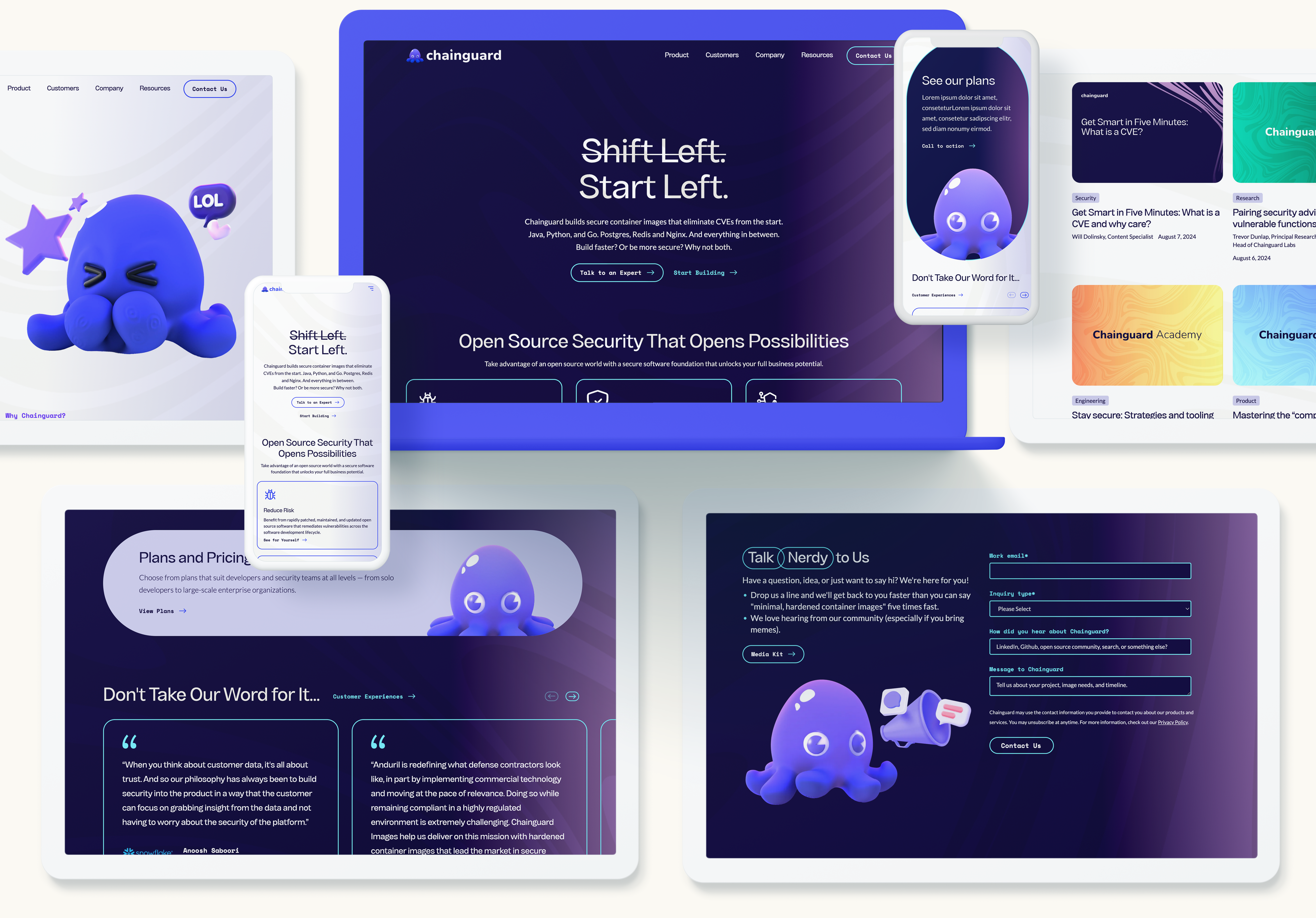
How should cybersecurity brands structure an intent-led content strategy?
The foundation of SEO is a content model built around buyer intent. Map topics to real scenarios and decision stages. Example categories include executive explainers on zero trust architecture, practitioner deep dives on SIEM tuning or EDR comparisons, and emergency guides for incident response. Every topic should have a clear purpose, a defined target persona, and an obvious next step.
- Define evergreen pillars: security operations maturity, vulnerability management, identity security, cloud posture, and compliance frameworks. Use these as permanent hubs for your authority.
- Create fast-turn clusters: pages for new CVEs, ransomware variants, and supply chain vulnerabilities. The brands that operationalize rapid publishing are the brands buyers bookmark.
- Build B2G tracks: content tailored to procurement workflows, ATO timelines, FedRAMP considerations, and interagency collaboration. These tracks support SEO for Cybersecurity while acknowledging public sector constraints.
Format matters. Technical evaluators favor detailed comparisons, architecture diagrams, and deployment runbooks. Executives want concise risk framing, total cost narratives, and case studies that show time to value. Both groups respond to content that is skimmable, accurate, and transparent. Successful SEO balances depth with clarity and uses structured elements such as checklists and step-by-step playbooks to satisfy search intent quickly.
What technical SEO improvements make the biggest impact for cyber brands?
Security audiences have low patience for slow or unreliable websites. Core Web Vitals, clean architecture, and robust internationalization are table stakes. Start with a streamlined site taxonomy that reflects how buyers navigate from high-level strategy to solution detail. Use internal linking to guide movement between related topics and to surface high-intent pages. Strong information architecture makes SEO in the cybersecurity industry more resilient as you scale content across products and markets.
Implement structured data wherever it informs the searcher. Product, FAQ, How To, and Article schema can improve discoverability and sitelink coverage. For vulnerability advisories and CVE documentation, standardized labeling and precise metadata are essential. Accelerate indexing with clear sitemaps and a publishing process optimized for speed and version control. If you run status or incident hubs, apply thoughtful indexation rules so that public communications are discoverable while sensitive operational pages remain controlled.
Security buyers often prefer browsing on locked-down devices or via mobile during off-hours. Mobile responsiveness, reliable HTTPS configuration, and lightweight code become competitive advantages. Combine technical cleanliness with measured pacing of scripts and trackers. That improves user experience and reduces the likelihood of false positives with endpoint protections. The end result is a technical foundation that supports SEO without introducing friction.
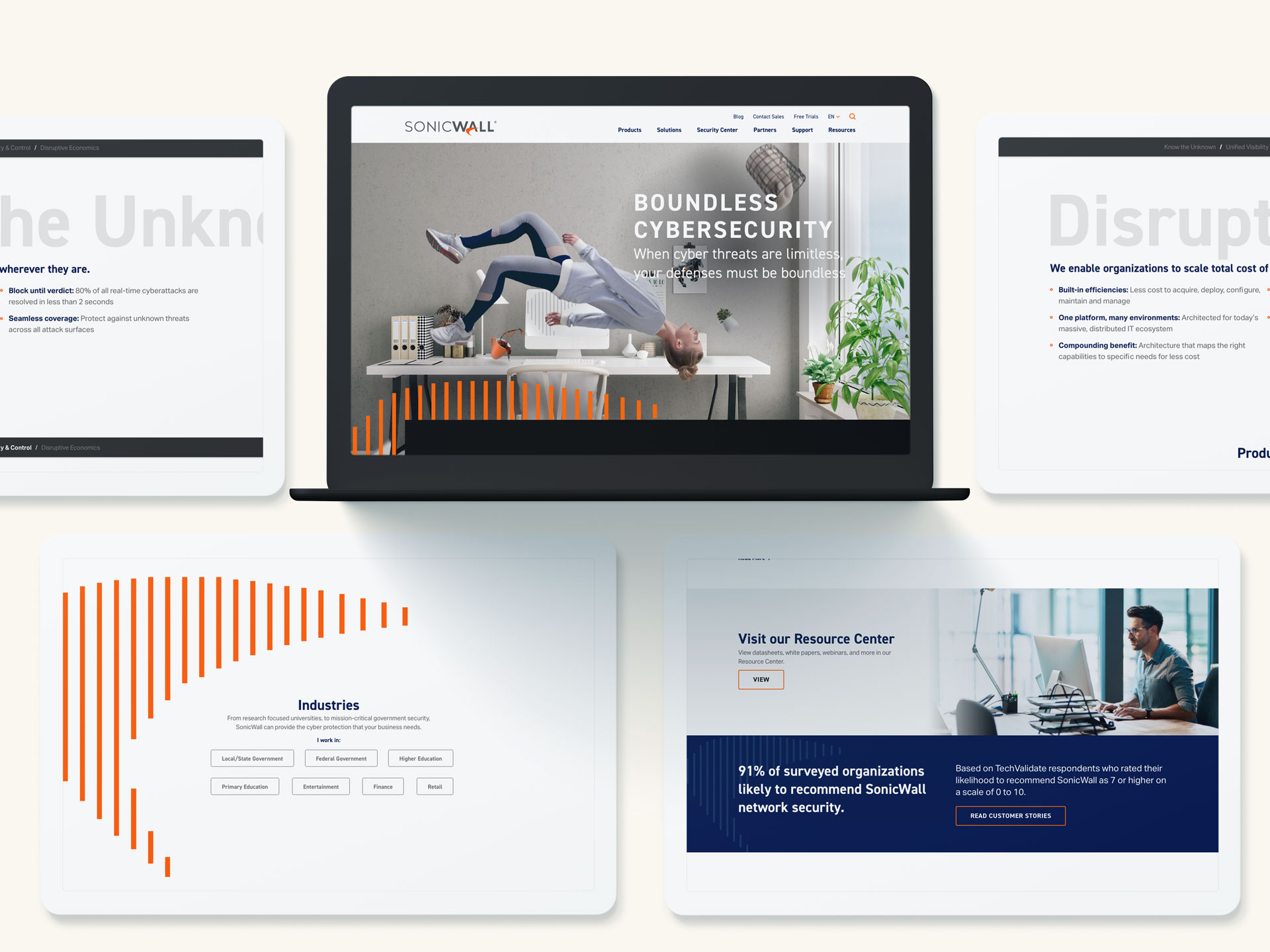
How do credibility, E-E-A-T, and digital PR reinforce search authority?
Cybersecurity is a YMYL category where expertise and trust are non-negotiable. Elevate named authors with verifiable credentials. Publish real research with original data, not recycled commentary. Provide transparent editorial standards and update logs on time-sensitive content. When you demonstrate experience and authority, search engines and buyers reward you. This is the essence of SEO in high-stakes categories.
Your backlink strategy should mirror the industry’s trust graph. Prioritize mentions and citations from respected analyst outlets, academic communities, standards bodies, and industry associations. Avoid low-quality link schemes that risk reputational damage. Run digital PR around responsible vulnerability disclosures, joint research with partners, and policy commentary that adds genuine value. As these signals accumulate, they compound the impact of SEO and protect your brand during crises.
What role does thought leadership play in demand generation?
Effective thought leadership turns organic demand into pipeline. Long-form guides on NIST CSF alignment, zero trust implementation roadmaps, and MDR vs. XDR decision frameworks meet buyers where they are. Pair these assets with calculators that quantify risk reduction or SOC efficiency gains. Package learnings into short executive briefs for the C-suite and deeper technical documentation for practitioners. When thought leadership drives clarity, it accelerates qualified conversations and strengthens SEO across priority topics.
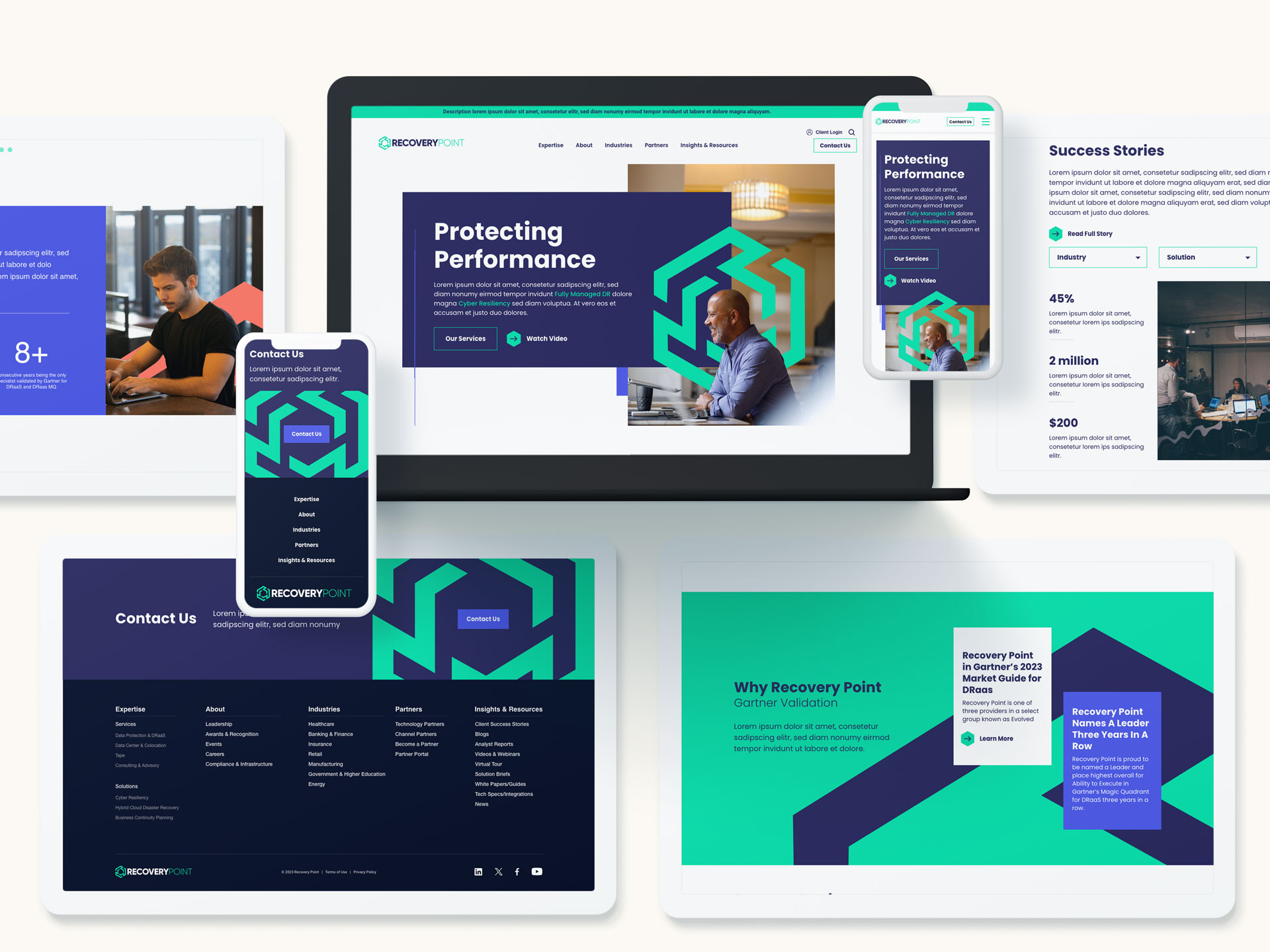
How do B2G requirements change the SEO approach?
Public sector buyers face distinct procurement steps, compliance gates, and budget rhythms. Content must speak to these realities: authority to operate, cloud security posture, supply chain integrity, and vendor risk management. Create pages that align with key contract vehicles, timelines, and compliance milestones. Above all, use precise language and avoid marketing abstractions. Clear alignment to mission outcomes increases trust and drives performance in SEO for federal and state audiences.
Localization often helps. When targeting specific agencies or regions, reflect their terminology, use cases, and regulatory references. Build structured pages that address common questions from contracting officers and technical evaluators. Offer credible proof points: implementation timelines, integration patterns with government tech stacks, and support models. This directly supports SEO by reducing ambiguity and highlighting measurable value.
How can SEO mitigate crisis risk and support incident response?
During a security event, search becomes a truth-seeking channel. Plan for “brand + breach” and “brand + vulnerability” scenarios with prebuilt playbooks. Create a response hub that centralizes verified updates, FAQs, and remediation steps. Use canonical signals to avoid outdated information outranking current guidance. Coordinate PR, legal, security, and marketing teams to publish quickly and coherently. Placing accurate, helpful content in the SERP is a tangible way SEO defends reputation when it matters most.

What metrics prove value to the C-suite?
Executives need proof that organic performance drives business outcomes. Move beyond traffic and rank positions. Track assisted revenue, pipeline influence, share of search in target categories, and conversion quality by intent. Measure how often buyers who entered via organic convert to sales-qualified opportunities compared to paid channels. These indicators make the ROI case for SEO for Cybersecurity with clarity and credibility.
Layer in operational diagnostics: indexing efficiency, time to publish for critical content, and visibility for executive queries like “best zero trust vendors” or “incident response retainer.” Monitor brand SERP health, including sitelinks, knowledge panels, and presence of third-party reviews. Analyze log files to identify crawl waste and prioritize technical fixes. This discipline ensures SEO remains a durable growth engine rather than a reactive project.
How do you operationalize SEO for complex security portfolios?
Organize teams around topics, not just products. Establish a governance model with editorial standards, SME review cycles, and an always-on calendar for emerging threats. Build cross-functional rituals among product marketing, research, comms, and demand gen. Equip the team with templates for comparison pages, advisory posts, implementation guides, and FAQs. Systematizing production improves speed and consistency, which directly strengthens SEO at scale.
Finally, connect organic insights to broader go-to-market motions. Feed search intent data into ABM lists, paid search negatives, webinar themes, and sales enablement. Use organic performance to inform product naming, messaging pillars, and positioning tests. When SEO is integrated with brand, creative, and campaigns, the entire program becomes greater than the sum of its parts.
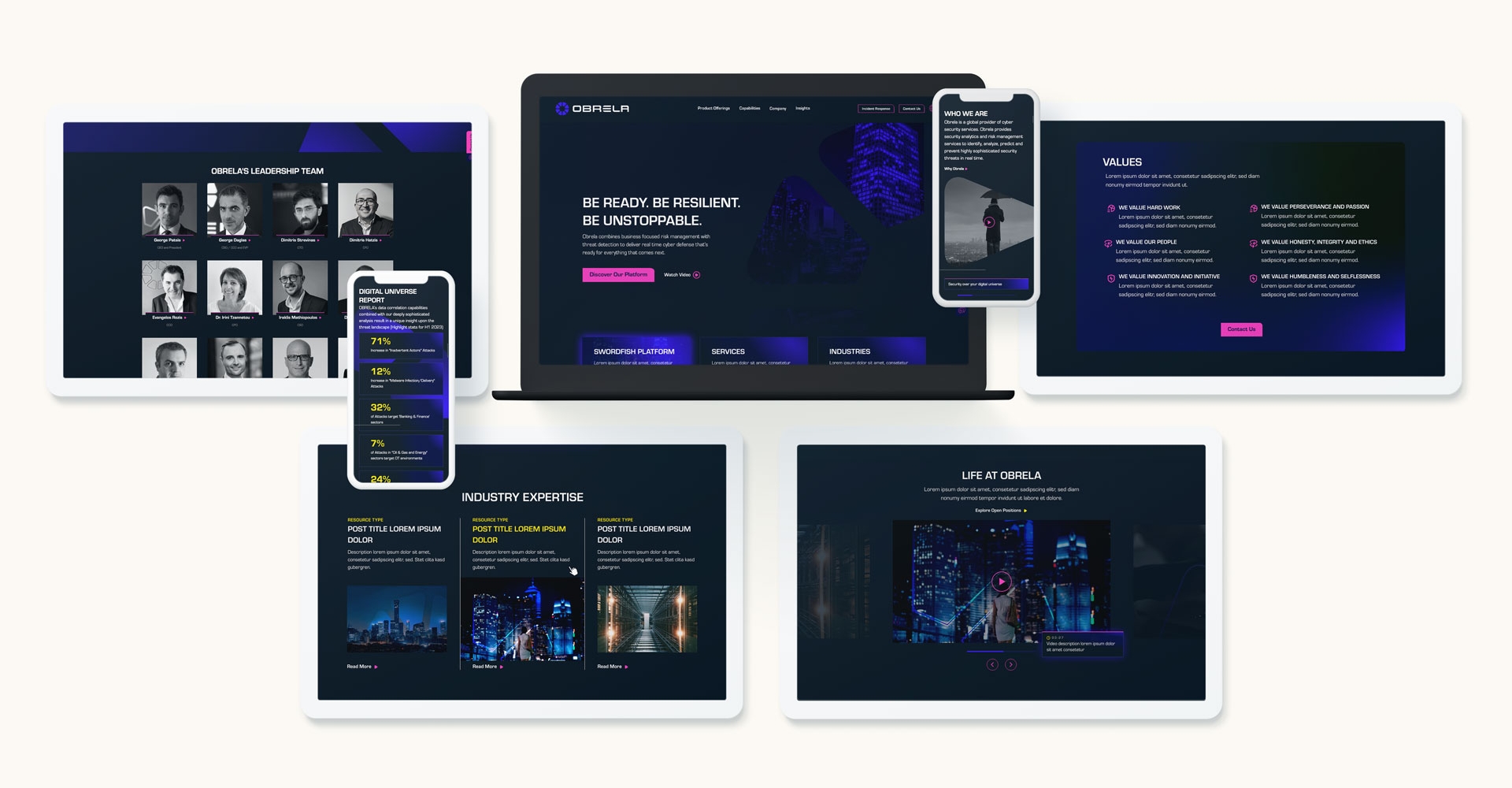
Move from visibility to velocity with Bluetext
Security markets reward clarity, speed, and credibility. That is exactly what a modern, integrated program delivers when SEO is built into your brand, content, and digital infrastructure. If you are ready to capture high-intent demand, strengthen your authority with decision-makers, and operationalize fast, reliable publishing, Bluetext can help. Contact our team to elevate your strategy, sharpen your positioning, and launch campaigns that turn search into sustained growth.
Prefer listening over reading? Check out the podcast version of this blog below and enjoy insights on the go!
Cybersecurity companies operate in one of the most competitive and complex markets in B2B. The stakes are high, the technology is sophisticated, and buyers are increasingly skeptical. While demand for cybersecurity solutions continues to grow, many companies struggle to communicate their value clearly and consistently.
Marketing in this space is fundamentally different from other B2B categories. Success depends on more than lead generation or brand awareness. It requires clarity, credibility, and a deep understanding of how security buyers evaluate risk. For many organizations, working with a specialized cybersecurity marketing agency becomes essential to navigating these challenges effectively.
Why Cybersecurity Marketing Is Uniquely Challenging
Cybersecurity marketing sits at the intersection of technical complexity and business risk. Products are often highly specialized, yet buyers range from deeply technical practitioners to executive decision-makers focused on financial and operational impact.
Adding to the challenge, the market is crowded. New vendors emerge constantly, many using similar language and claims. Buyers are inundated with messaging that promises protection, visibility, or resilience, making it difficult for any single brand to stand out.
Trust also plays an outsized role. In cybersecurity, credibility is not optional. Prospective customers must believe that a vendor understands the threat landscape and can protect critical systems. Marketing that feels exaggerated, vague, or overly promotional can quickly undermine confidence.

Challenge 1: Translating Technical Complexity Into Clear Value
One of the most common pitfalls in cybersecurity marketing is an overemphasis on features and technical capabilities. While accuracy matters, deeply technical messaging often fails to resonate with buyers who are focused on outcomes rather than architecture.
Security leaders care about reducing risk, improving response times, and maintaining compliance. Executives want to understand how a solution protects the business, minimizes disruption, and supports long-term resilience. When messaging does not connect technology to these priorities, it creates friction in the buying process.
This challenge is especially pronounced for early-stage and mid-market cybersecurity companies, where product innovation can outpace marketing maturity.
Overcoming Complexity With Strategic Messaging
Effective cybersecurity marketing starts with a disciplined messaging strategy. This means identifying the core problems the product solves and articulating them in language that resonates with different audiences.
A strong messaging framework speaks to both technical and business stakeholders without oversimplifying or diluting accuracy. It prioritizes clarity, relevance, and consistency across channels. Use cases, real-world scenarios, and proof points help ground abstract capabilities in tangible outcomes.
A cybersecurity marketing agency brings structure to this process. With category experience, they know how to balance precision with accessibility, ensuring that complex offerings are understood and remembered.
Challenge 2: Building Trust in a High-Stakes Market
Trust is the foundation of every cybersecurity purchase. Buyers are evaluating vendors not just on functionality, but on reliability, expertise, and long-term viability. Any perception of risk or uncertainty can derail a deal.
For newer companies, establishing credibility is often the biggest hurdle. For established firms, maintaining trust while evolving the brand or expanding into new markets can be equally challenging.
Marketing missteps, such as overpromising results or relying on buzzwords, can quickly erode confidence. In cybersecurity, buyers expect accuracy, transparency, and depth.
Strategies for Establishing Credibility and Authority
Building trust requires consistency over time. Thought leadership plays a critical role, particularly when it demonstrates genuine understanding of the threat landscape and emerging challenges. Content should educate rather than sell, positioning the company as a knowledgeable and reliable partner.
Brand consistency is equally important. From visual identity to tone of voice, every touchpoint should reinforce professionalism and credibility. Customer proof, analyst recognition, and third-party validation help further reduce perceived risk.
A marketing agency for cybersecurity companies understands how to build authority without exaggeration. They focus on long-term brand equity alongside near-term campaign performance.
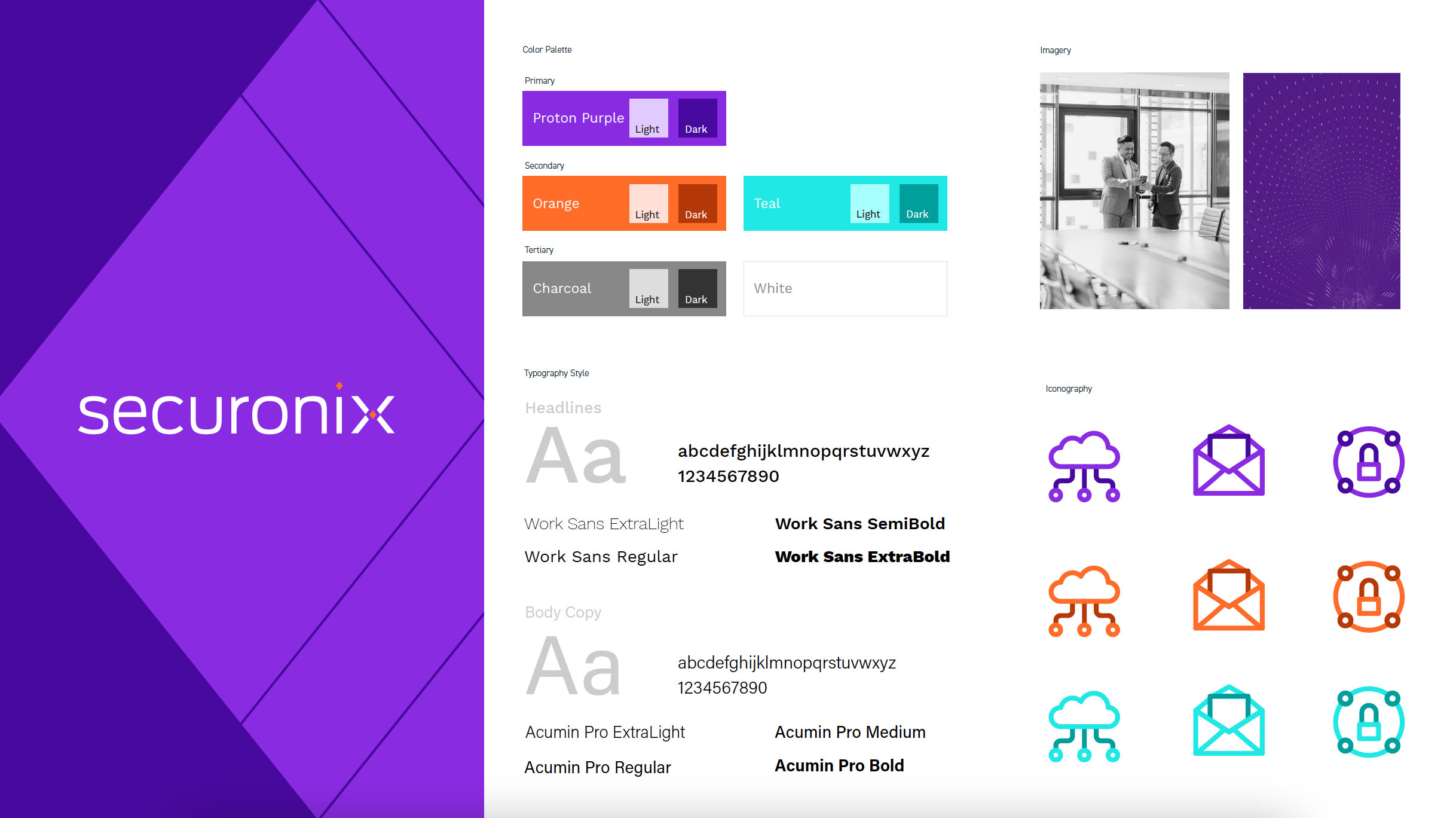
Challenge 3: Differentiating in a Saturated Cybersecurity Landscape
Differentiation is one of the most persistent challenges in cybersecurity marketing. Many vendors offer overlapping capabilities, and industry language has become increasingly homogenized.
Claims around visibility, protection, and intelligence are common, making it difficult for buyers to discern meaningful differences. Feature-based differentiation often collapses under scrutiny, especially when competitors make similar claims.
Without clear positioning, marketing efforts risk blending into the background, regardless of product quality.
Creating Differentiation Through Brand Strategy
True differentiation comes from strategic positioning, not feature lists. Effective cybersecurity brands define who they serve, what problems they solve best, and why their approach is distinct.
This requires making deliberate choices. Not every buyer is the right buyer, and not every capability needs equal emphasis. Clear positioning helps focus messaging, guide campaign development, and align sales and marketing teams.
A cybersecurity marketing agency brings an external perspective that helps uncover defensible points of differentiation. By aligning brand strategy with business objectives, companies can cut through noise and communicate value more effectively.
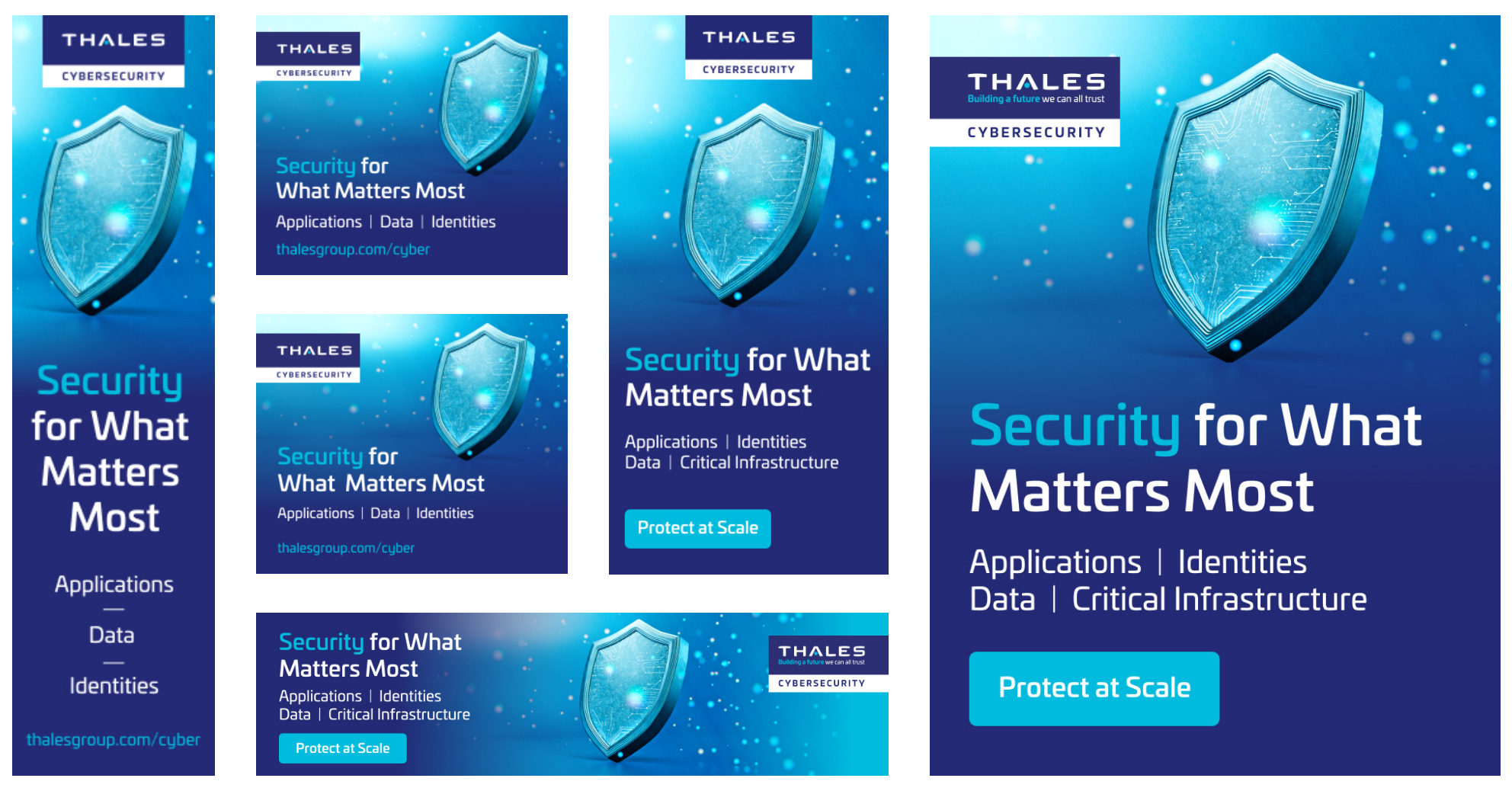
Challenge 4: Reaching Multiple Buyers With Conflicting Priorities
Cybersecurity buying decisions rarely rest with a single individual. Security practitioners, IT leaders, CISOs, and executives all influence the process, often with different priorities and concerns.
Marketing must address technical depth without alienating non-technical stakeholders. Content that resonates with security teams may not land with executive buyers, and vice versa. This complexity makes one-size-fits-all messaging ineffective.
Understanding where and how each audience engages is critical to building effective campaigns.
Campaign Strategies That Drive Engagement and Results
Successful cybersecurity campaigns are integrated and intentional. Brand, content, digital, and demand efforts should work together to support long sales cycles and complex decision-making processes.
Measurement frameworks must reflect these realities. While leads and conversions matter, engagement quality and pipeline influence often provide more meaningful insight. Metrics such as account engagement, content performance, and sales alignment help connect marketing activity to revenue outcomes.
A marketing agency for cybersecurity companies brings experience designing campaigns that balance brand building with performance, ensuring that marketing supports growth at every stage.
Why Specialized Cybersecurity Marketing Expertise Matters
Generalist B2B marketing approaches often fall short in cybersecurity. Without category knowledge, agencies can struggle with messaging accuracy, credibility, and buyer expectations.
A specialized cybersecurity marketing agency understands the nuances of the space, from regulatory considerations to evolving threat narratives. This expertise accelerates strategy development and reduces the risk of missteps that can damage trust.
For many cybersecurity companies, partnering with an experienced agency allows internal teams to focus on product innovation while ensuring marketing execution remains disciplined and effective.
Turning Marketing Challenges Into Competitive Advantage
Cybersecurity marketing challenges are significant, but they are not insurmountable. Companies that invest in clarity, credibility, and strategic alignment are better positioned to stand out in crowded markets.
By addressing complexity through strong messaging, building trust through consistent brand execution, and differentiating through clear positioning, cybersecurity companies can transform marketing into a growth driver.
The right agency partnership can make the difference between blending in and leading the conversation. With the right strategy and execution, marketing becomes a competitive advantage rather than a bottleneck.
Ready to turn complex cybersecurity offerings into clear, compelling marketing?
Bluetext partners with cybersecurity companies to clarify positioning, build trust, and create marketing strategies that support real business growth. If you’re looking for a team that understands the cybersecurity landscape and knows how to translate technical depth into impact, let’s talk.
Not all marketing strategies work equally well for cybersecurity firms. Unlike traditional B2B businesses, cyber companies face unique challenges—complex solutions, highly technical audiences, and the critical need to establish trust with decision-makers. That’s why partnering with a cyber security marketing agency can make all the difference. From content marketing to LinkedIn campaigns, a specialized agency can help your brand reach the right audience while driving measurable results.
In this article, we’ll explore five proven marketing strategies that cybersecurity companies can leverage to grow their brand, generate leads, and position themselves as thought leaders in the space.
1. Thought Leadership Content Marketing
Content marketing remains one of the most effective ways for cybersecurity companies to build credibility. With high-value resources like white papers, case studies, technical blogs, and industry reports, your company can educate prospects and demonstrate expertise.
A cyber security marketing agency knows how to tailor content for technical audiences without overwhelming them. The right approach balances in-depth analysis with readability, helping your firm become a trusted advisor. By sharing actionable insights and highlighting success stories, your company can engage prospects early in the buying journey.
Tips for implementation:
- Develop educational white papers or research reports addressing industry pain points.
- Regularly publish technical blogs and LinkedIn articles for maximum reach.
- Include CTAs in content to capture leads, such as gated resources or newsletter sign-ups.
When done correctly, content marketing builds trust, positions your brand as an authority, and drives qualified leads to your sales team.
2. LinkedIn and B2B Social Media Campaigns
LinkedIn is the go-to platform for B2B cybersecurity marketing. Decision-makers, executives, and IT leaders spend time here, making it ideal for connecting with your target audience.
A cyber security marketing agency can create highly targeted campaigns that speak directly to your ideal clients. From sponsored content and carousel ads to employee advocacy programs, LinkedIn campaigns amplify reach while maintaining professional credibility.
Key strategies:
- Target posts to decision-makers at companies most likely to benefit from your solutions.
- Use video snippets or carousel ads to showcase product capabilities or client success stories.
- Encourage employees to share branded content to extend organic reach.
Metrics such as engagement rate, lead generation, and conversion tracking help you measure the impact of your campaigns and optimize for better performance over time.
3. Account-Based Marketing (ABM) for High-Value Targets
For cybersecurity companies, not all leads are created equal. Some organizations represent significantly higher revenue potential than others. Account-Based Marketing (ABM) allows you to focus your efforts on high-value targets through personalized campaigns.
An experienced cyber security marketing agency can implement ABM strategies, tailoring messaging, content, and outreach to each account. This approach strengthens relationships, increases engagement, and improves conversion rates, especially for complex solutions that require multiple decision-makers.
ABM tactics to consider:
- Personalized email sequences and content tailored to specific accounts.
- Custom landing pages for target companies.
- Executive webinars or VIP events to showcase expertise and solutions.
By investing in ABM, your company prioritizes quality over quantity, ensuring marketing resources are spent where they will yield the highest return.
4. Search Engine Optimization (SEO) for Cybersecurity Firms
Even in a niche industry like cybersecurity, prospects start their journey with online research. Appearing in search results for relevant queries is critical for generating inbound leads.
SEO for cybersecurity companies requires a strategic approach that combines technical optimization, keyword targeting, and content creation. A cyber security marketing agency can help identify high-value search terms and optimize content to increase visibility and drive organic traffic.
SEO best practices for cybersecurity marketing:
- Use industry-specific keywords, such as “cybersecurity solutions” or “threat intelligence software.”
- Optimize website architecture and page load speeds for user experience.
- Publish authoritative content that addresses customer pain points and questions.
By maintaining a consistent SEO strategy, your company ensures prospects find you when researching solutions, reducing reliance on costly paid campaigns and establishing long-term organic visibility.
5. Strategic Partnerships and Industry Events
Networking and partnerships are often overlooked but highly effective for cybersecurity marketing. Events, conferences, and webinars allow you to connect with potential clients while demonstrating expertise.
A cyber security marketing agency can manage event marketing, sponsorships, and co-marketing opportunities, ensuring your brand receives maximum visibility. Partnerships with complementary vendors also expand your reach and credibility within the industry.
Ways to leverage partnerships and events:
- Host webinars or panel discussions featuring industry experts.
- Sponsor or participate in cybersecurity conferences.
- Collaborate with vendors or industry associations for co-branded campaigns.
Events and partnerships not only generate leads but also strengthen brand awareness and reinforce your company’s position as a trusted authority in cybersecurity.
Transform Your Cybersecurity Marketing with Expertise
Marketing a cybersecurity company requires a strategic and specialized approach. By leveraging thought leadership content, LinkedIn campaigns, ABM, SEO, and industry partnerships, your brand can generate qualified leads, build credibility, and differentiate itself from competitors.
Partnering with a cyber security marketing agency ensures these strategies are implemented effectively, with measurable results that drive business growth. Whether you’re looking to improve content, increase lead generation, or expand your industry presence, a specialized agency brings the expertise and experience your cybersecurity firm needs to succeed.
Ready to elevate your cybersecurity marketing? Contact Bluetext today to start building a strategy that drives results.
Marketing a cybersecurity company is fundamentally different from marketing any other category in technology. Buyers operate in an environment defined by high-stakes decisions, rapid threat evolution, and intense scrutiny over vendor credibility. As a result, cybersecurity firms must communicate with clarity, precision, and authority if they want to stand out. Working with a specialized Cyber Security Marketing Agency gives organizations the strategic advantage they need to differentiate themselves, generate qualified leads, and build trust in a market where trust is everything.
The High-Stakes Reality of Cybersecurity Marketing
Cybersecurity buying cycles are shaped by urgency, complexity, and risk. CISOs, CIOs, SecOps teams, and procurement leaders are expected to make defensible decisions on vendors who can safeguard critical data, infrastructure, and operations. Trust is not a “nice-to-have”—it is the foundation of every interaction.
In a landscape with hundreds of point solutions, overlapping capabilities, and constant new entrants, cybersecurity companies cannot rely on generic marketing programs to break through. Messaging must be both technically sound and business-focused, and digital experiences must signal credibility from the moment a prospect discovers your brand. A specialized Cyber Security Marketing Agency understands this context and builds strategies tailored to it.
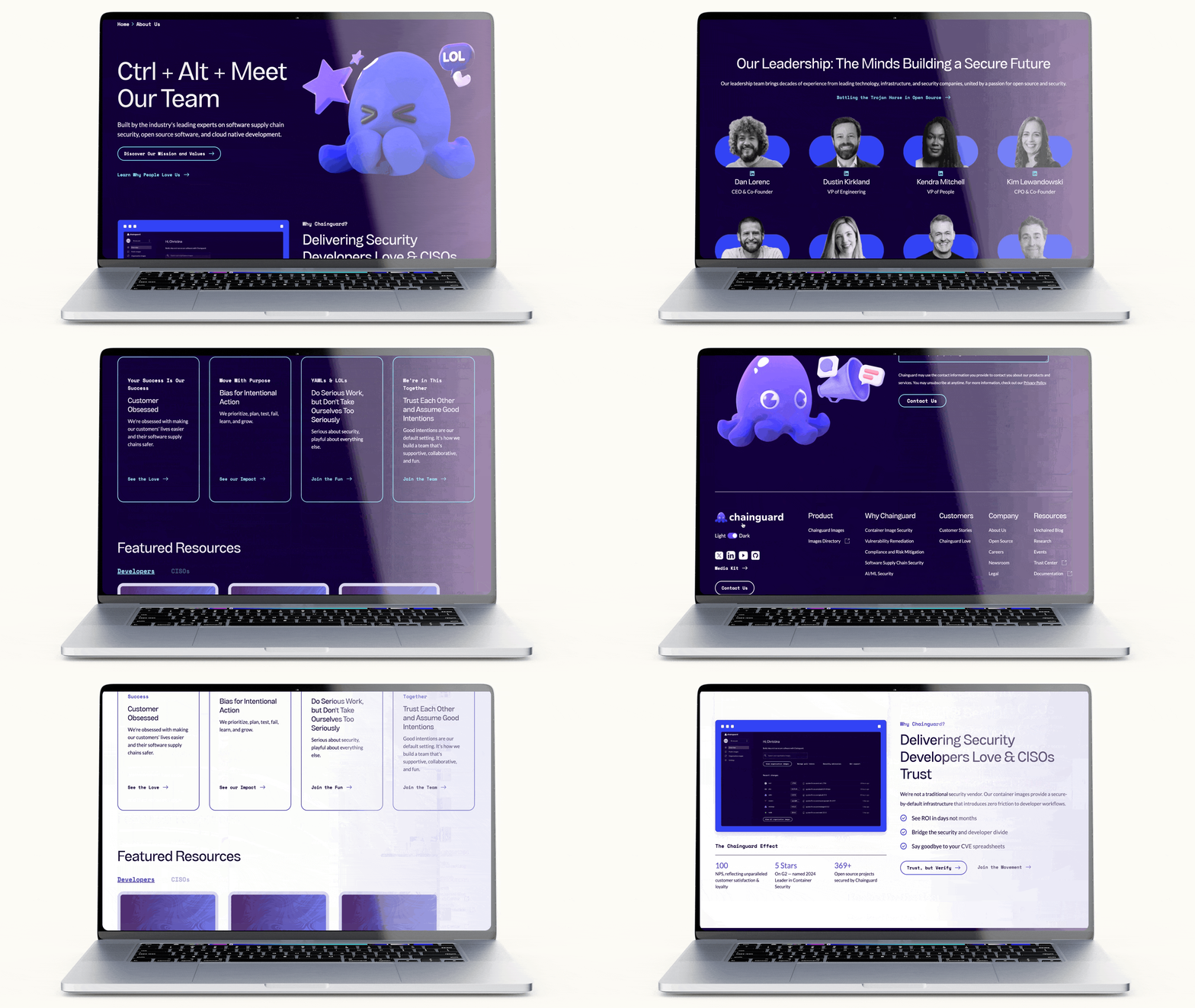
Why Cybersecurity Marketing Requires a Different Approach
Cybersecurity firms face several challenges that set them apart from other B2B technology companies:
- Deep Skepticism Among Buyers
Technical buyers evaluate not only what you claim but whether you can prove it. They expect detailed explanations, real architectures, and third-party validation before they engage. - Complex, Highly Technical Solutions
Cybersecurity products often involve advanced capabilities—from threat intelligence and zero trust architectures to MDR, XDR, IAM, and cloud security. Translating this complexity into accessible, business-aligned messaging requires specialized experience. - Compliance and Regulatory Pressure
FedRAMP, CMMC, SOC 2, ISO, GDPR, and industry-specific mandates influence buying decisions. Marketing must accurately reflect compliance maturity without overstating or oversimplifying. - Evolving Threat Landscapes
Threat actors move fast, and messaging cannot remain static. Cyber firms need agile content strategies that reflect current trends, emerging risks, and new vulnerabilities.
These challenges demand a marketing partner fluent in the nuances of cybersecurity technology, buyers, and industry dynamics.

What a Specialized Cyber Security Marketing Agency Brings to Your Brand
Partnering with an agency that works exclusively or primarily with cybersecurity and advanced technology brands gives your organization strategic advantages that generalist agencies simply cannot match.
Deep Expertise in Cybersecurity Messaging
Specialized agencies understand the technologies, architectures, and use cases security buyers care about. They can translate technical capabilities into business-ready value propositions without diluting accuracy or depth. This accelerates the creation of messaging frameworks, solution positioning, and product marketing materials.
Insight Into Cybersecurity Buyer Personas
A Cyber Security Marketing Agency knows how CISOs, SOC leaders, architects, analysts, and procurement teams evaluate vendors. This includes how they research solutions, what pain points matter, and what content they expect throughout the buying cycle.
Experience Delivering Integrated Cybersecurity Demand Generation
From top-of-funnel thought leadership to ABM programs targeting enterprise and federal buyers, specialized agencies build demand engines that align with security buying cycles. They leverage cybersecurity-specific intent data, multi-channel campaigns, high-value gated assets, and nurture tracks calibrated for long evaluation windows.
Credibility-Centered Brand and Digital Strategy
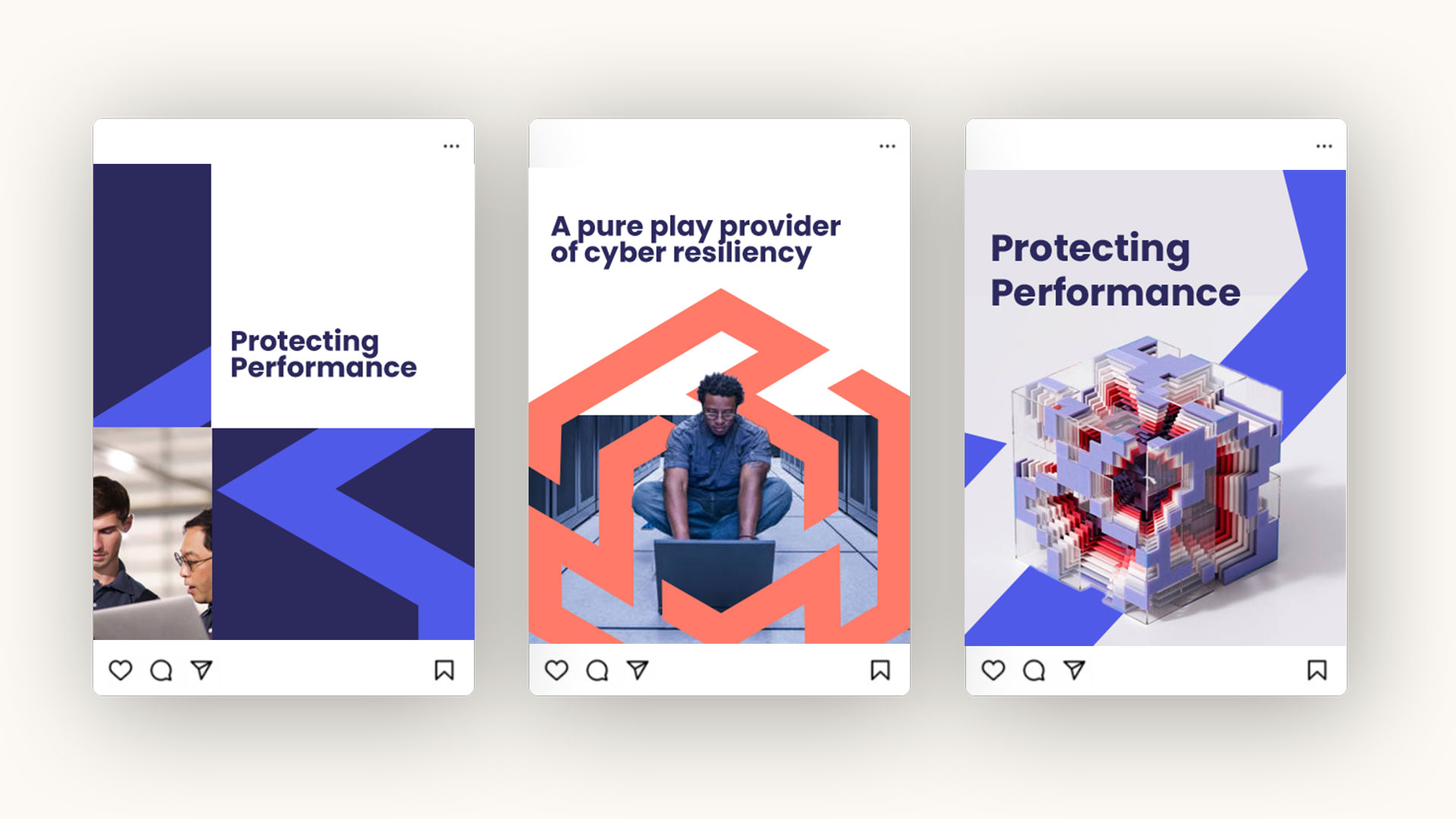
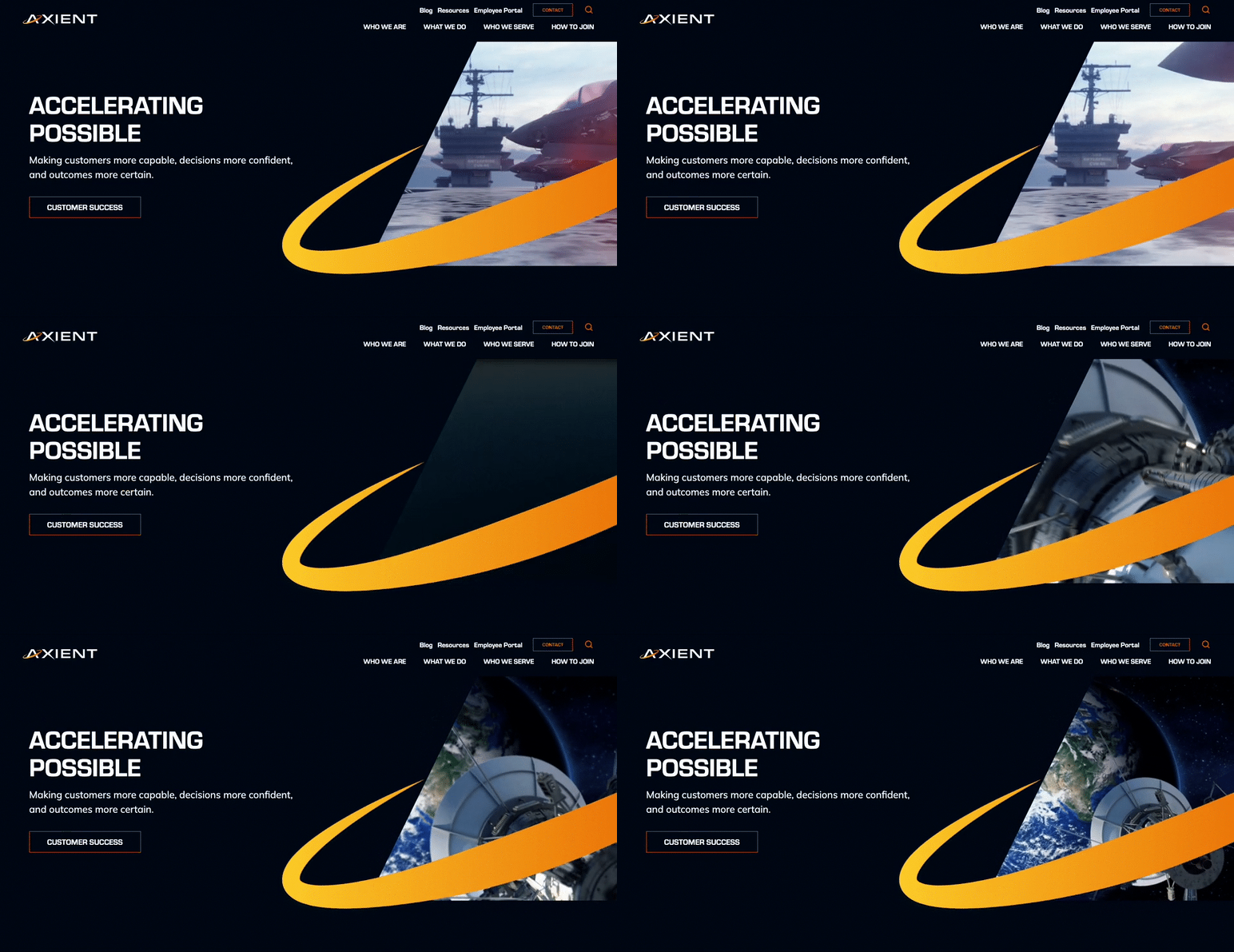
Cybersecurity brands must signal trust instantly. A specialized agency brings experience designing websites, visual identities, and digital experiences that reflect security, maturity, and technical authority.

Positioning Your Firm for True Differentiation
In a category where many companies claim “real-time detection,” “AI-powered defense,” or “end-to-end security,” meaningful differentiation is rare. A specialized agency helps identify and articulate the white space your firm can authentically own.
This includes:
- Developing a clear and defensible narrative.
- Distilling technical innovation into buyer-friendly language.
- Building a messaging hierarchy that supports sales conversations and product roadmaps.
- Creating solution architectures that communicate how your platform or services fit into broader security ecosystems.
Differentiation is not about louder messaging—it is about smarter, clearer positioning.
Fueling Growth Through a Modern Cybersecurity Demand Engine
Cybersecurity buyers rely heavily on content to inform shortlists and vendor decisions. A Cyber Security Marketing Agency builds integrated demand programs grounded in the needs of these buyers, including:
- Threat briefings, technical guides, and solution overviews.
- Whitepapers, webinars, and demos tailored for security leaders.
- ABM campaigns aligned to enterprise and federal procurement cycles.
- Multi-touch nurture programs built around personas and intent signals.
This approach ensures every campaign drives meaningful engagement and qualified pipeline, not vanity metrics.
Building a Trusted Digital Presence
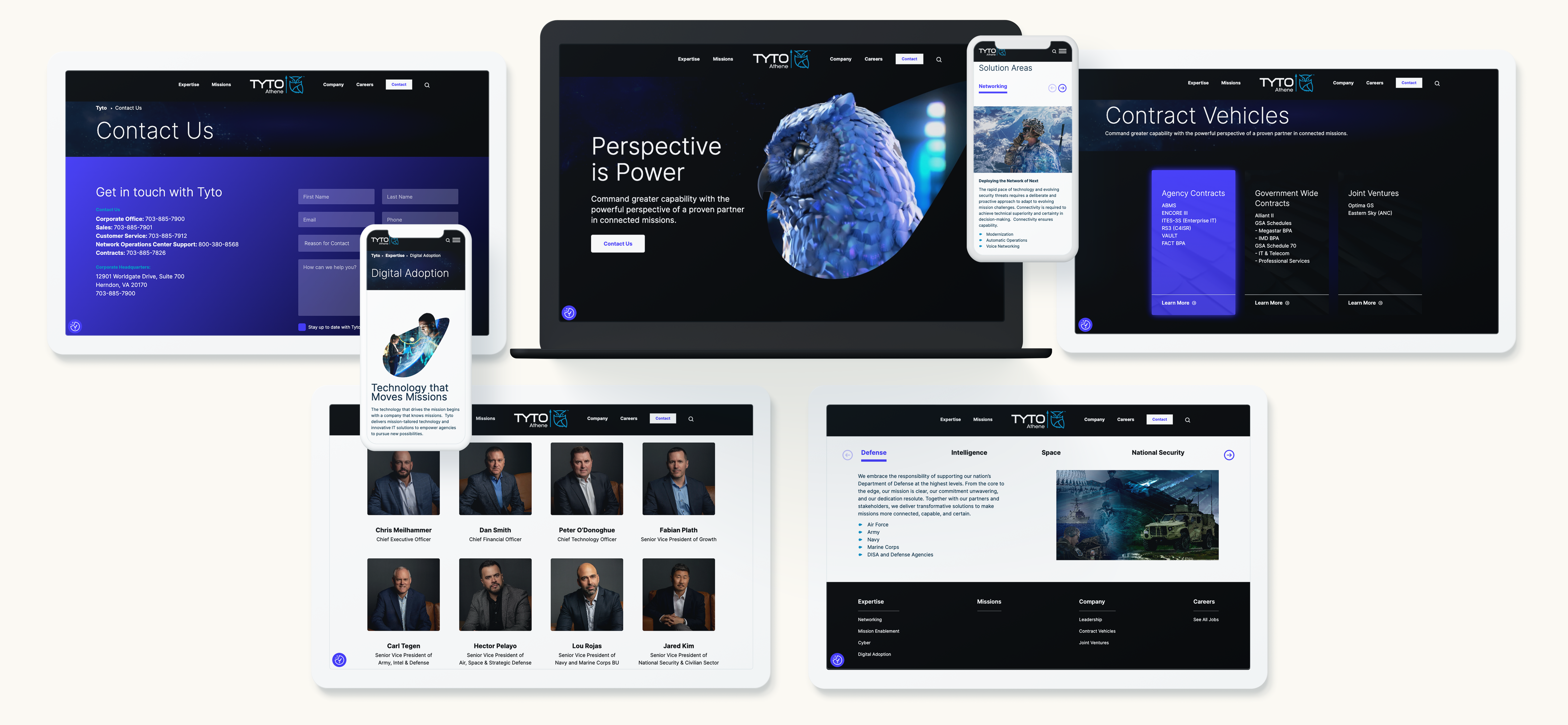
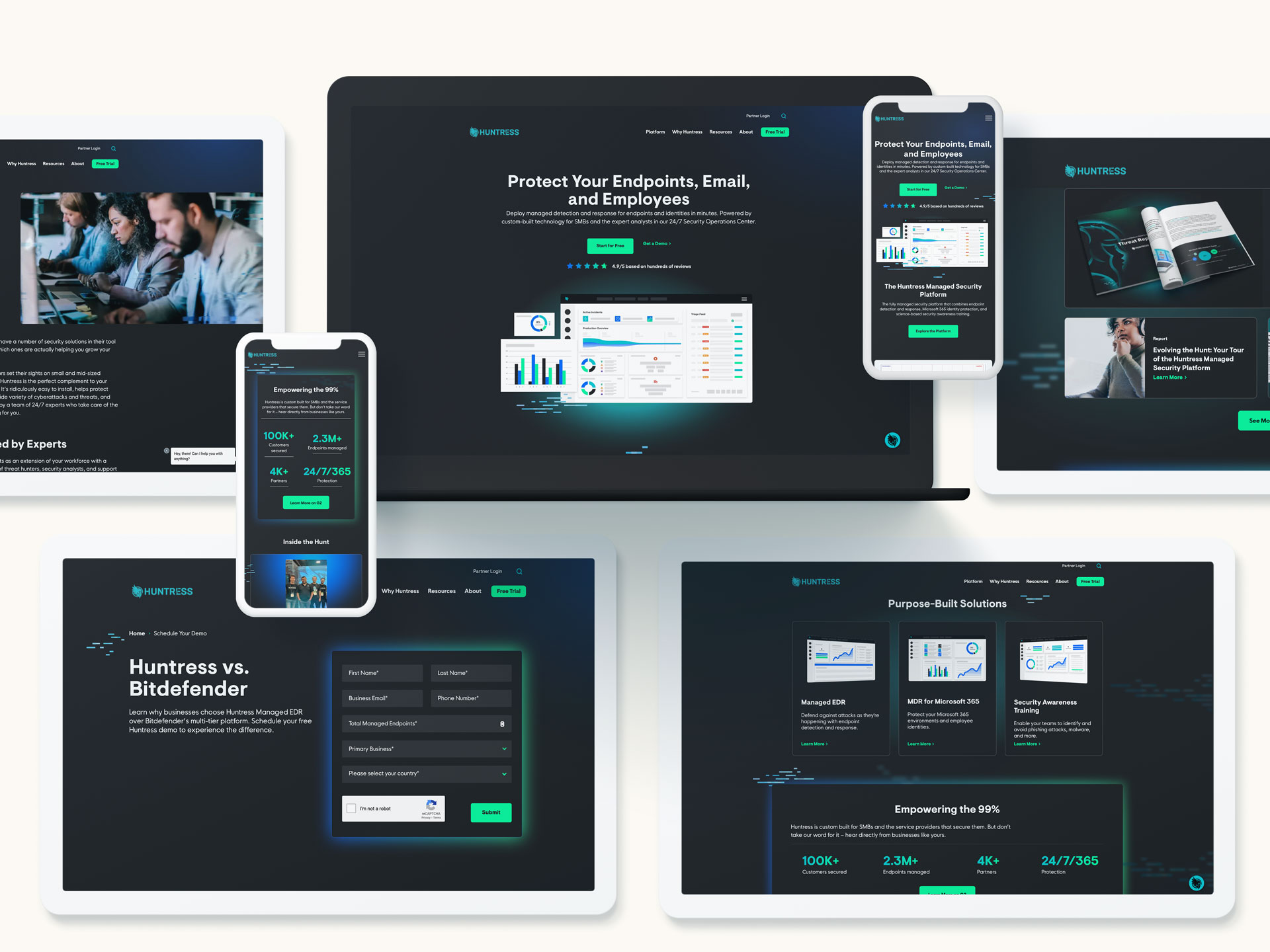
Your website and digital content are often the first point of validation for cybersecurity buyers. A specialized agency knows how to build experiences that project maturity, technical credibility, and ease of navigation.
Best practices include:
- Clear articulation of your platform or services.
- Conversion paths that align to cybersecurity buyer behavior.
- High-value content tied to industry trends, emerging threats, and regulatory changes.
- SEO strategies designed for a competitive, rapidly shifting search landscape.
Effective cybersecurity marketing does not rely on trends—it relies on clarity, authority, and consistency.
Elevating Brand Authority Through Thought Leadership
Security leaders look for partners who demonstrate depth, foresight, and expertise. Thought leadership is one of the most effective tools for establishing this authority.
A Cyber Security Marketing Agency supports brands by developing:
- Research-backed threat reports.
- Executive commentary for industry publications.
- Podcast and video content featuring SMEs.
- Analyst engagement strategies that enhance visibility.
- Perspectives on emerging threats, evolving regulations, and best practices.
The result is a brand that feels credible, informed, and indispensable to security conversations.

Why Bluetext Is the Right Partner for Cybersecurity Brands
Bluetext has a long track record of supporting cybersecurity, federal, defense, and advanced technology organizations as they scale and evolve. Our team understands the complexity of cybersecurity products and the sophistication of the audiences evaluating them. We bring deep experience in branding, digital experience design, product marketing, campaigns, and demand generation tailored to the needs of security buyers.
Whether your firm is entering a new market, rethinking its narrative, building a modern website, or launching integrated demand programs, Bluetext helps you put your best foot forward—and stay ahead of competitors who are moving fast.
To learn how Bluetext can support your cybersecurity marketing strategy, contact us today.
Winning government cybersecurity contracts is no small feat. With the rise of cyber threats targeting national security, public infrastructure, and sensitive data, government agencies are actively seeking private-sector partners to bolster their defenses. However, for cybersecurity firms targeting business-to-government (B2G) opportunities, standing out in a crowded field requires more than just cutting-edge technology—it demands a strategic approach to marketing. This guide explores the essentials of marketing for cybersecurity firms aiming to secure government contracts, with a focus on compliance, communication, and effective messaging.
Understanding the Regulatory Landscape
Compliance is the foundation of marketing for government cybersecurity contracts. Federal, state, and local agencies operate within strict regulatory frameworks, including standards like:
- NIST Cybersecurity Framework: A cornerstone for ensuring secure systems and processes.
- FedRAMP Certification: For firms offering cloud services to government agencies.
- DFARS Compliance: Relevant for working with the Department of Defense.
Your marketing materials and messaging must demonstrate your firm’s ability to meet these requirements. Incorporate proof of certifications, audits, and adherence to these standards into your website, collateral, and presentations. Without a clear focus on compliance, your firm may fail to even qualify for consideration. Additionally, staying up-to-date with evolving regulations is crucial. As standards and requirements shift to address new threats, your firm’s ability to adapt and demonstrate continued compliance can give you a competitive edge. Regularly review updates to government policies and incorporate those changes into your marketing narrative to showcase your proactive approach.
Building Credibility Through Communication
Government agencies are highly risk-averse, especially when it comes to cybersecurity. Establishing trust is key, and the way you communicate can make or break your credibility. Case studies and testimonials play a critical role in this process. Showcase success stories where your cybersecurity solutions have effectively mitigated risks or safeguarded assets. Be specific about measurable results, such as the percentage reduction in breaches or downtime avoided. Thought leadership content is another valuable tool. Publish blogs, whitepapers, and webinars on topics like emerging cyber threats or best practices for securing government systems. Positioning your firm as an industry authority builds trust with decision-makers and reinforces your expertise. Tailored outreach is equally essential. Avoid generic pitches. Research the specific needs and challenges of the agency you’re targeting and craft customized proposals. Personalization signals your genuine understanding of their mission and pain points, which can significantly improve your chances of securing contracts. Consistency across your communication channels ensures your message resonates and reinforces your firm’s expertise. Whether through email campaigns, presentations, or in-person meetings, maintaining a cohesive narrative builds confidence in your capabilities.
Crafting Resonant Messaging
Government buyers prioritize solutions that align with their mission and address their pain points. To craft effective messaging, emphasize security and resilience. Highlight how your solutions proactively mitigate risks and enhance operational resilience. Speak their language by using terminology familiar to government stakeholders, such as references to “mission-critical systems” or “continuity of operations.” Address cost-efficiency, as budget constraints are a reality for many government agencies. Demonstrate the value and return on investment your firm can provide. Showcase agility by emphasizing how your solutions adapt to emerging challenges. With cyber threats evolving rapidly, government agencies need partners who can keep pace. Your messaging should balance technical depth with accessibility, ensuring both technical evaluators and non-technical decision-makers understand your value. Consider creating audience-specific materials to cater to different stakeholders within the procurement process, from IT specialists to program managers and budget officers. By aligning your messaging with their diverse priorities, you can better articulate your value proposition.
Leveraging Digital Channels for B2G Marketing
Digital marketing is just as important in the B2G space as in commercial markets. Leverage these strategies to amplify your reach: LinkedIn campaigns can target federal and state government decision-makers with sponsored content showcasing your expertise. Search engine optimization (SEO) is critical; optimize your website for keywords like “government cybersecurity solutions” and “FedRAMP-certified services.” Account-based marketing (ABM) focuses on individual agencies, tailoring ads and email campaigns to their unique requirements. Remember to keep your digital assets—from landing pages to downloadable content—compliant with accessibility standards like WCAG, which many government buyers expect. Beyond these tactics, consider investing in webinars and virtual events that cater specifically to government audiences. These platforms allow you to demonstrate your expertise, interact directly with decision-makers, and address their questions in real-time. Additionally, monitor analytics from your digital campaigns to continuously refine your approach, ensuring maximum impact and engagement.
A Strategic Approach to Success
Securing government cybersecurity contracts requires a well-rounded marketing strategy that prioritizes compliance, builds trust, and delivers resonant messaging. By understanding the regulatory landscape, communicating effectively, and leveraging digital channels, your firm can stand out as a reliable partner in protecting the nation’s cyber infrastructure. The competition for these contracts is fierce, but with a clear strategy that emphasizes your strengths and aligns with the unique needs of government agencies, your firm can position itself as a trusted partner in the fight against cyber threats. Ready to position your cybersecurity firm for B2G success? Contact Bluetext today to learn how we can help you navigate the complexities of marketing to government agencies.
The cybersecurity market has grown exponentially in recent years, driven by the increasing frequency of data breaches and cyberattacks. As a result, brands are finding it harder than ever to differentiate themselves in an oversaturated market. Standing out requires more than just advanced technology—it calls for a resilient brand that buyers trust, view as innovative, and recognize as a thought leader.
This blog explores actionable strategies to help your cybersecurity brand carve out its space in a crowded market and position itself as the go-to solution for customers seeking protection in an unpredictable digital landscape.
Establish Trust as Your Competitive Edge
In cybersecurity, trust isn’t just an advantage—it’s a requirement. Organizations are placing their most sensitive data and systems in your hands, making trustworthiness a key factor in every purchase decision. Here’s how you can build and communicate trust effectively:
- Highlight Proven Successes: Showcase your track record with detailed case studies. Demonstrate how your solutions mitigated real-world threats, protected sensitive data, or minimized downtime for clients.
- Emphasize Certifications: Industry certifications like ISO 27001, SOC 2, and GDPR compliance are essential trust signals. Feature them prominently across your website, marketing materials, and sales presentations.
- Be Transparent About Security Practices: Transparency builds confidence. Outline your security protocols, ongoing monitoring processes, and response strategies. This openness demonstrates you have nothing to hide and everything to offer.
By consistently reinforcing trust, your brand will earn the confidence of customers navigating an uncertain cybersecurity landscape.
Communicate Innovation as a Practical Benefit
Innovation is often the first promise cybersecurity brands make—but not all brands know how to communicate it effectively. To make innovation resonate, connect your advancements directly to customer outcomes.
- Focus on Real-World Impact: Instead of advertising “next-gen AI” or “cutting-edge machine learning,” explain how these technologies detect previously unseen threats, reduce false positives, or improve response times.
- Simplify Complex Concepts: Use customer-friendly language and engaging formats like explainer videos, infographics, or live demos to illustrate your innovative capabilities.
- Highlight Your Team’s Expertise: Technology alone isn’t enough—customers value the people behind the solutions. Spotlight your engineers, researchers, and cybersecurity professionals to humanize your innovations.
Positioning your brand as an innovator ensures it remains top of mind for customers seeking modern solutions.
Establish Leadership Through Insightful Content
Thought leadership is one of the most powerful tools in the cybersecurity marketer’s toolkit. Customers look to trusted brands for guidance on navigating a rapidly evolving threat landscape. Use your unique expertise to shape industry conversations and position your brand as a leader:
- Host Webinars on Emerging Threats: Partner with industry experts to educate customers about new and evolving cyber risks.
- Publish Research and Whitepapers: Share data-driven insights on trends such as ransomware, phishing, or AI in cybersecurity.
- Engage in Online Discussions: Build your presence on platforms like LinkedIn and Reddit to connect with your audience directly and share valuable insights.
When your brand becomes a trusted source of information, it naturally rises above competitors who merely offer products or services.
Building a Cybersecurity Brand That Lasts
In today’s crowded market, a resilient cybersecurity brand goes beyond selling solutions. It builds relationships rooted in trust, offers innovations that solve real problems, and educates customers through thought leadership. These efforts don’t just help you stand out—they ensure your brand remains relevant as the cybersecurity landscape continues to evolve.
Looking to differentiate your cybersecurity brand and drive meaningful results? Bluetext specializes in crafting strategies that establish trust, showcase innovation, and build thought leadership for industry leaders. Contact us today to learn how we can help you stand out in the cybersecurity space.
At Bluetext, we’re passionate about empowering cybersecurity companies to thrive in the digital realm. With cyber threats evolving at a rapid pace, it’s essential for these companies to not only provide cutting-edge solutions but also effectively communicate their value propositions to clients. That’s where we come in. Through our innovative approach to cyber security marketing and website design, we help cybersecurity firms of all sizes enhance their digital presence and drive meaningful engagement.
Understanding the Landscape: The Importance of Cybersecurity Marketing
In today’s interconnected world, cybersecurity is no longer just a concern for IT departments—it’s a critical business issue that impacts every aspect of an organization. As cyber threats become more sophisticated, businesses are turning to cybersecurity companies for protection and peace of mind. However, with so many players in the market, standing out can be a challenge. That’s where strategic marketing comes into play.
Cybersecurity marketing is about more than just promoting products and services—it’s about building trust and credibility in an industry where reliability is paramount. At Bluetext, we understand the unique challenges that cybersecurity companies face, from communicating complex technical concepts to reaching the right audience. That’s why we take a holistic approach to cybersecurity marketing, combining creativity, strategy, and technical expertise to deliver results that matter.
Crafting Compelling Digital Experiences: The Role of Website Design
In the digital age, your website is often the first interaction potential clients have with your brand. That’s why it’s crucial to make a lasting impression. At Bluetext, we believe that great design goes beyond aesthetics—it’s about creating meaningful experiences that resonate with your audience and drive action. Our team of experienced designers and developers works closely with cybersecurity companies to create websites that not only look great but also function seamlessly across devices.
From intuitive navigation to engaging content, we ensure that every aspect of your website is optimized to convert visitors into leads. Whether you’re a startup looking to make a splash or an established firm seeking to rebrand, we have the expertise and creativity to bring your vision to life.
Tailored Solutions for Every Need: Our Approach to Cybersecurity Marketing
At Bluetext, we understand that every cybersecurity company is unique. That’s why we take the time to listen and understand your specific goals and challenges. Whether you’re looking to increase brand awareness, generate leads, or improve customer retention, we develop custom marketing strategies tailored to your needs.
From content marketing and social media management to search engine optimization and email campaigns, we offer a full suite of services designed to help you achieve your business objectives. And with our data-driven approach, you can be confident that every decision we make is backed by insights and analytics.
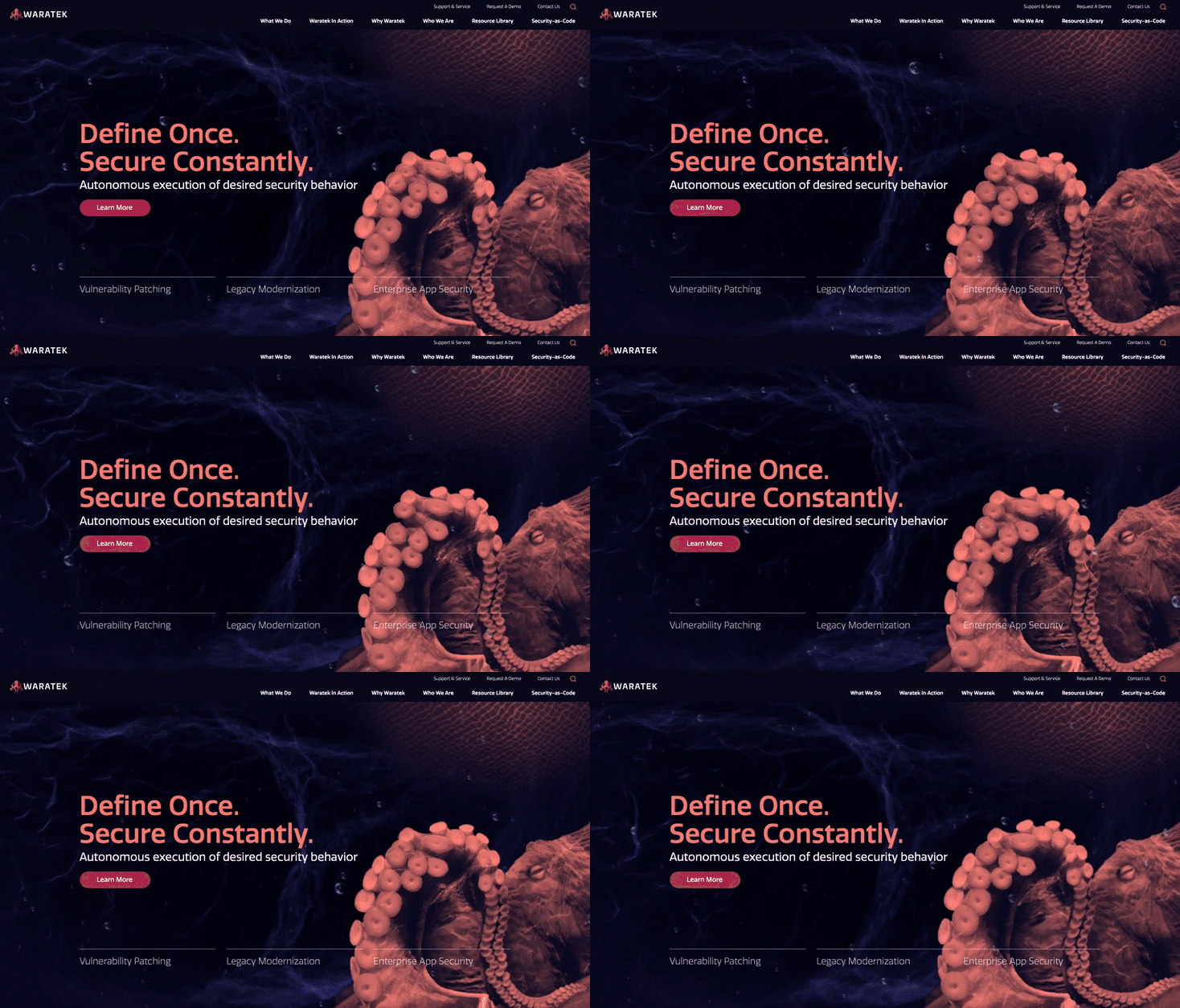
Looking to the Future: Innovation in Cybersecurity Marketing
As technology continues to evolve, so too does the threat landscape. At Bluetext, we’re committed to staying ahead of the curve and helping our clients navigate the ever-changing digital landscape. Whether it’s adopting emerging technologies or exploring new marketing channels, we’re always looking for ways to innovate and drive results for our clients.
Private Equity Firms Investing in Cybersecurity Companies
Private equity firms can learn from Bluetext’s approach to empowering cybersecurity companies in the digital realm. As investors seek opportunities in the cybersecurity sector, understanding the importance of effective marketing and digital presence becomes essential. Bluetext’s holistic approach, combining creativity, strategy, and technical expertise, serves as a valuable model for private equity firms looking to maximize the value of their investments in cybersecurity. By partnering with marketing agencies like Bluetext, private equity firms can ensure that their portfolio companies effectively communicate their value propositions, differentiate themselves in a competitive market, and ultimately drive growth and success in the cybersecurity industry.
In conclusion, cybersecurity companies play a vital role in protecting businesses and individuals from cyber threats. At Bluetext, we’re proud to support these companies by providing strategic marketing and website design services that elevate their digital presence and drive meaningful engagement. With our expertise and passion for innovation, we’re confident that together, we can build a safer, more secure digital future.
Are you ready to take your website to the next level? Contact us.
In today’s digital age, cybersecurity has become an increasingly critical concern for businesses of all sizes. With the constant evolution of cyber threats, staying informed about the latest trends, technologies, and best practices is paramount. Thankfully, the cybersecurity community offers a plethora of events where professionals can gather to share knowledge, network, and explore innovative solutions. In this blog post, we’ll highlight some upcoming cybersecurity events in 2024 that companies should consider attending and provide insights into maximizing brand awareness opportunities through strategic marketing approaches.
Must-Attend Cybersecurity Events in 2024
- RSA Conference
- Date: May 6-9, 2024
Known as one of the largest and most influential cybersecurity events globally, the RSA Conference gathers thousands of cybersecurity professionals, industry experts, and thought leaders under one roof. Attendees can participate in educational sessions, hands-on workshops, and networking events. To sign up for the RSA Conference, visit their official website and register for the event.
- Date: May 6-9, 2024
- Black Hat USA
- Date: August 3-8, 2024
Black Hat USA is a premier event for the cybersecurity community, focusing on the latest in information security research, development, and trends. The conference features briefings, trainings, and a bustling business hall where companies showcase their products and services. Registration for Black Hat USA can be done through their website, offering various pass options to suit different needs.
- Date: August 3-8, 2024
- DEF CON
- Date: August 8-11, 2024
DEF CON is an iconic cybersecurity conference known for its hacker culture and emphasis on hands-on learning. It features diverse content ranging from cutting-edge research to cybersecurity challenges and competitions. Companies looking to engage with the hacker community and showcase their expertise can explore sponsorship opportunities available on DEF CON’s website.
- Date: August 8-11, 2024
- Cyber Security Summit Series
- Date: Various dates and locations throughout 2024
The Cyber Security Summit Series hosts events across major cities, providing a platform for cybersecurity professionals to discuss emerging threats and solutions. These regional summits offer valuable networking opportunities and practical insights tailored to local cybersecurity landscapes. Interested companies can find event details and registration information on the Cyber Security Summit Series website.
- Date: Various dates and locations throughout 2024
Maximizing Brand Awareness Opportunities
Attending cybersecurity events presents an excellent opportunity for companies to enhance their brand awareness and establish thought leadership within the industry. Here are some strategies to consider:
- Sponsorship and Exhibiting: Investing in sponsorship packages or setting up exhibition booths can significantly amplify brand visibility. Companies can customize their presence with branded materials, demos, and interactive experiences to engage attendees.
- Speaking Engagements: Securing speaking opportunities allows companies to showcase their expertise and insights to a captive audience. Whether through keynote presentations, panel discussions, or technical talks, speaking engagements can position individuals as thought leaders and elevate brand credibility.
- Networking and Relationship Building: Encourage team members to actively network with attendees, industry peers, and potential clients. Meaningful interactions can lead to valuable partnerships, collaborations, and business opportunities down the line.
- Content Marketing: Leverage event participation to generate valuable content such as blog posts, whitepapers, or video recaps. Sharing key takeaways, trends, and insights from the event demonstrates thought leadership and keeps the audience engaged beyond the conference.
- Social Media Engagement: Utilize social media platforms to amplify event presence before, during, and after the conference. Live tweeting, posting photos, and sharing updates can extend reach, foster engagement, and drive traffic to company profiles and websites.
In conclusion, cybersecurity events offer a wealth of opportunities for companies to stay abreast of industry developments, connect with peers, and showcase their brand. By strategically planning participation and leveraging various marketing tactics, businesses can maximize their presence, foster meaningful connections, and solidify their position as leaders in the ever-evolving cybersecurity landscape.
Looking to maximize your attendance at any of this year’s events? Contact us to learn how we can help.