In today’s fast-paced digital landscape, businesses must navigate the complexities of digital transformation to remain competitive. As organizations strive to modernize, the role of branding firms becomes increasingly critical. Particularly in Washington, D.C., where many businesses are focused on B2B and B2G markets, the expertise of the best branding agencies in DC is invaluable. These firms not only help in creating a strong brand identity but also play a pivotal role in guiding companies through digital transformation, ensuring they remain relevant and effective in a digital-first world.
Understanding Digital Transformation
Digital transformation involves the integration of digital technology into all areas of a business, fundamentally changing how organizations operate and deliver value to customers. It is a cultural shift that requires organizations to continually challenge the status quo, experiment, and become comfortable with failure. For businesses in the D.C. area, especially those involved in government and B2B sectors, this transformation is not just about adopting new technologies but also about enhancing customer experiences, streamlining operations, and fostering innovation.
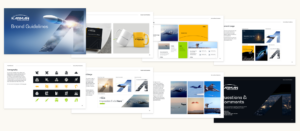
The right tools turn good campaigns into measurable ones. See how we put them to work for Karman.
The Importance of Branding in Digital Transformation
Branding is an essential component of digital transformation. A strong brand helps communicate the values and promises of a business, creating a connection with customers and stakeholders. For companies navigating digital transformation, branding is crucial in differentiating themselves in a crowded market. By working with a leading branding firm, businesses can ensure their brand remains consistent across all digital platforms, from websites to social media channels, enhancing their visibility and credibility.
How DC Branding Firms Facilitate Transformation
DC branding firms are uniquely positioned to assist businesses in their digital transformation journeys. These agencies bring a wealth of experience and a deep understanding of the local market dynamics. They offer tailored strategies that align with the unique needs of each client, helping them leverage digital tools to enhance their brand presence and achieve business goals.
Strategic Planning and Execution
Effective digital transformation requires strategic planning and precise execution. DC branding agencies excel in crafting comprehensive strategies that incorporate market research, competitor analysis, and consumer insights. This strategic approach ensures that all digital initiatives are aligned with the overarching business objectives, maximizing ROI and driving sustainable growth.
Enhancing Customer Experience
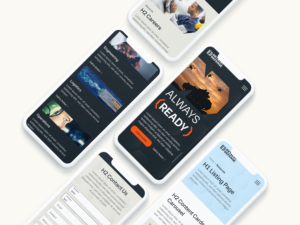
Customer experience is at the heart of digital transformation. Branding firms help businesses create seamless, personalized experiences across all touchpoints. By leveraging cutting-edge technology and data analytics, these agencies design user-centric solutions that enhance engagement and foster loyalty. For example, agencies like Bluetext specialize in creating intuitive web designs that enhance user experience and support brand objectives.
Leveraging Technology for Branding
In the digital era, technology is a vital component of branding strategies. DC branding firms utilize a variety of digital tools to enhance brand visibility and engagement. From SEO and social media marketing to AI-driven analytics, these agencies provide the technological expertise needed to effectively implement digital transformation initiatives.
Data-Driven Decision Making
Data is the backbone of digital transformation. Branding firms help businesses harness the power of data to make informed decisions that drive brand success. By analyzing consumer behavior, market trends, and campaign performance, agencies can optimize strategies to better meet the needs of their audience. Companies like Bluetext offer advanced analytics services that provide actionable insights, enabling businesses to refine their branding efforts.
Integrating Emerging Technologies
Emerging technologies like artificial intelligence and virtual reality are transforming how brands interact with their audience. DC branding firms are at the forefront of integrating these technologies into branding strategies. For instance, creating immersive experiences using VR can enhance customer engagement and provide a competitive edge. Agencies that are known for innovation, such as Bluetext, are leaders in utilizing these technologies to elevate brand experiences.
The Future of Branding in Digital Transformation
As digital transformation continues to evolve, the role of branding firms will become even more critical. They will need to stay ahead of technological advancements and market trends to offer innovative solutions that drive business success. For companies in D.C., partnering with the best branding agencies is a strategic move that can significantly impact their digital transformation journey.
Ultimately, a strong brand is more than just a logo or a tagline; it’s the embodiment of a company’s mission and values. By working with a reputable DC branding firm, businesses can ensure their brand not only survives but thrives in the digital age.
Ready to take your digital transformation to the next level? Contact Bluetext today to learn how our expertise in branding and digital strategy can support your business objectives.
In today’s digital landscape, cybersecurity has become a critical concern for businesses and governments alike. As cyber threats continue to evolve, organizations must not only invest in robust security measures but also communicate their cybersecurity capabilities effectively. This is where a specialized cybersecurity marketing agency comes into play. Choosing the right partner can make a significant difference in how your brand is perceived and how effectively you engage with your audience. In this article, we will explore the essential factors to consider when selecting a cybersecurity marketing agency that aligns with your needs.
Understanding Your Specific Cybersecurity Needs
Before embarking on the search for a cybersecurity marketing agency, it is crucial to have a clear understanding of your organization’s specific needs. Are you looking to enhance brand awareness, generate leads, or educate your audience about complex cybersecurity solutions? Identifying your primary goals will help you select an agency that specializes in the areas most relevant to your business.

Expertise in Cybersecurity
The cybersecurity landscape is complex and constantly changing. Therefore, it is essential to choose an agency with deep expertise in cybersecurity. Look for an agency that has a proven track record of working with cybersecurity firms and understands the intricacies of the industry. This expertise will enable them to craft messaging and campaigns that resonate with your target audience and address their unique concerns.
Evaluating the Agency’s Track Record
An agency’s past performance is often a strong indicator of future success. Evaluate their portfolio to see if they have worked with companies similar to yours in size and scope. Case studies and client testimonials can provide valuable insights into the agency’s ability to deliver results. For example, at Bluetext, we have a history of successful partnerships with leading cybersecurity firms, helping them navigate the digital landscape effectively. You can learn more about our cybersecurity work here.
Integration of SEO and Content Marketing
Effective cybersecurity marketing requires a strategic approach to SEO and content marketing. Ensure that the agency you choose has a strong grasp of search engine optimization techniques and content strategies. This will help your brand achieve higher visibility online and engage your audience with valuable, informative content. At Bluetext, we integrate SEO with content marketing to maximize reach and impact, as seen in our content marketing initiatives.
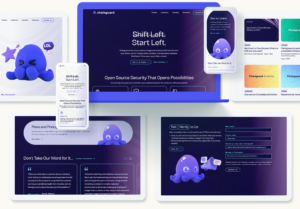
Learn how we made Chainguard’s security offerings stand out from the pack.
Assessing Communication and Collaboration
Communication is key to any successful partnership. The agency you choose should be transparent, responsive, and open to collaboration. Assess their communication style during the initial meetings to ensure it aligns with your expectations. A good agency will take the time to understand your business, provide regular updates, and be open to feedback, ensuring that the partnership remains productive and aligned with your goals.
Technical Capabilities and Tools
The right cybersecurity marketing agency will have access to advanced tools and technologies that enhance their marketing efforts. From analytics platforms to marketing automation tools, these resources can significantly improve campaign effectiveness. Inquire about the agency’s technical capabilities to ensure they are equipped to handle the complexities of cybersecurity marketing.
Understanding Pricing and ROI
While cost is an important consideration, it should not be the sole factor in your decision. Instead, focus on the value and return on investment (ROI) that the agency can deliver. A reputable agency will provide a clear pricing structure and demonstrate how their services can lead to measurable business outcomes. This transparency will help you make an informed decision and ensure that your investment aligns with your strategic objectives.
Why Choose Bluetext?
Bluetext stands out as a leading cybersecurity marketing agency with a comprehensive understanding of the industry. Our team is dedicated to delivering innovative marketing solutions that help cybersecurity firms achieve their business goals. Whether you need to enhance brand awareness or drive lead generation, we have the expertise and tools to make it happen. To explore how we can support your marketing efforts, contact us today at Bluetext.
Choosing the right cybersecurity marketing agency involves careful consideration of your specific needs, the agency’s expertise, and their ability to deliver measurable results. By focusing on these key factors, you can find a partner that will help elevate your brand and effectively communicate your cybersecurity strengths to your target audience.
In the fast-paced realm of public sector marketing, creating a robust online presence is essential for success. As government agencies and contractors increasingly rely on digital platforms to engage with stakeholders, mastering the nuances of DC web design becomes imperative. This guide explores the key elements of effective web design tailored for the public sector, providing actionable insights for marketing leaders aiming to enhance their digital strategies.
Understanding the Unique Needs of Public Sector Web Design
Public sector websites serve a diverse audience that includes citizens, businesses, and other governmental bodies. Unlike commercial websites, these sites must prioritize accessibility, transparency, and security. Ensuring compliance with regulations such as Section 508 for accessibility and the latest cybersecurity standards is crucial. This focus on inclusivity and protection helps build trust with users, an essential component for public sector entities.
Prioritizing User Experience and Accessibility
One of the core components of successful DC web design is a focus on user experience (UX). Public sector websites need to be intuitive and easy to navigate. Implementing a clean layout with clear calls to action ensures that users can quickly find the information they need. Additionally, incorporating responsive design elements is vital to accommodate a wide range of devices, from desktops to smartphones.
Accessibility is not just a legal obligation but a moral one. Ensuring that websites are navigable for users with disabilities involves careful consideration of color contrasts, text sizes, and keyboard navigation. By focusing on these elements, agencies can reach a broader audience and demonstrate their commitment to serving all citizens.
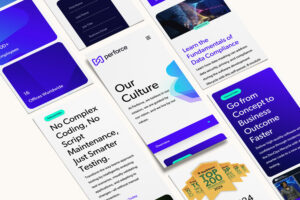
ROI starts with a message that people remember. Go inside how we reshaped Perforce’s brand.
Leveraging Content Strategy for Public Engagement
Effective content strategy is key to engaging the public and maintaining transparency. This involves not only providing comprehensive and up-to-date information but also presenting it in a way that is easy to understand. Utilizing infographics, videos, and interactive elements can enhance engagement and facilitate better communication of complex topics.
Moreover, integrating social media and other digital channels into the web design helps amplify the reach and impact of the content. This integrated approach ensures that the public sector can engage with its audience on multiple platforms, reinforcing its message and fostering community involvement.
Ensuring Robust Security Measures
Security remains a top priority for public sector websites. The sensitive nature of the information handled by these sites necessitates stringent security protocols to protect against data breaches and cyber threats. Implementing strong encryption methods, regular security audits, and user authentication processes are essential steps in safeguarding both the agency’s and the public’s data.
Staying updated with the latest security trends and technologies is critical. Collaborating with experts in cybersecurity and leveraging platforms designed for government use can help maintain a secure online environment. This proactive approach not only protects sensitive information but also enhances public trust in the institution.

Utilizing Data Analytics for Continuous Improvement
Data analytics play a pivotal role in refining web design and functionality. By analyzing user behavior and engagement metrics, agencies can identify areas for improvement and optimize their websites accordingly. This data-driven approach allows for continuous enhancement of the user experience, ensuring that the website remains relevant and effective.
Implementing tools for tracking website performance and user interactions provides valuable insights into what works and what doesn’t. Regularly reviewing these analytics ensures that the website evolves with changing user needs and technological advancements.
Partnering with Experts for Success
In the competitive landscape of public sector digital engagement, partnering with experienced professionals can make all the difference. At Bluetext, we specialize in crafting tailored web design solutions that meet the unique needs of government agencies and contractors. Our expertise in DC web design ensures that your online presence is not only functional but also impactful.
Ready to elevate your digital strategy? Contact us today to discover how we can support your web design, branding, and marketing needs, driving public sector success in the digital age.
In today’s highly competitive B2B and B2G landscapes, marketing leaders are constantly seeking innovative strategies to enhance their return on investment (ROI). One such strategy that has proven to be effective is storytelling marketing. By weaving compelling narratives, businesses can engage their audiences on a deeper level, fostering trust and building long-lasting relationships. This blog post explores how storytelling marketing can significantly boost B2B ROI, offering insights and practical tips for marketing executives looking to leverage this powerful tool.
Understanding the Power of Storytelling in B2B Marketing
Storytelling marketing is not a new concept, but its application in B2B marketing is gaining unprecedented traction. In contrast to traditional marketing methods that focus on features and benefits, storytelling creates an emotional connection with the audience. By sharing stories that resonate with target customers, businesses can differentiate themselves in a crowded marketplace.
Research shows that narratives are more memorable than standalone facts. When companies like yours craft stories that align with the values and needs of their audience, they are more likely to capture attention and drive engagement. This emotional connection is crucial in B2B marketing, where trust and relationship-building are key drivers of success.
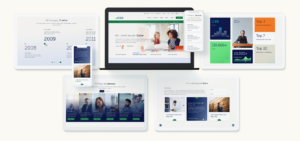
Get the story on how we helped CBIZ stand out in a crowded market.
Crafting Compelling Narratives for B2B Audiences
To create compelling stories, B2B marketers must first understand their audience’s challenges and aspirations. This involves conducting thorough market research and gathering insights into what motivates their target customers. Once these elements are identified, marketers can craft narratives that address these pain points, offering solutions in a relatable and engaging manner.
Effective storytelling should include key components such as a clear protagonist, a relatable challenge, and a resolution that highlights the brand’s value proposition. By positioning the customer as the hero of the story and the brand as the guide, businesses can demonstrate how they help solve critical problems.
Integrating Storytelling Across Marketing Channels
Storytelling should not be confined to a single marketing channel. To maximize impact, it must be integrated across various touchpoints, including digital, social media, and traditional advertising. Consistency is key to maintaining a cohesive brand narrative, ensuring that each channel reinforces the overarching story.
For instance, a case study showcasing a successful client transformation can be shared as a blog post, repurposed into a social media campaign, and featured in email newsletters. By leveraging different formats and platforms, businesses can reach a wider audience and reinforce their message.
Measuring the Impact of Storytelling on ROI
Measuring the effectiveness of storytelling marketing requires a strategic approach. Key performance indicators (KPIs) such as engagement rates, lead generation, and conversion metrics can provide valuable insights into the success of storytelling efforts. Utilizing advanced analytics tools can help marketers track the performance of their narratives and make data-driven decisions.
Furthermore, feedback from sales teams and direct customer interactions can offer qualitative insights into how stories are resonating with the audience. This feedback loop is essential for refining and optimizing storytelling strategies over time.
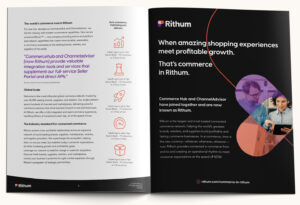
Trust is the most valuable conversion metric. Learn how we built it for Rithum.
Real-World Examples of Successful Storytelling in B2B
Several B2B companies have successfully leveraged storytelling to enhance their marketing strategies. For instance, Bluetext has a rich portfolio of creative services that demonstrate the impact of storytelling in various industries. By examining these examples, marketing leaders can gain inspiration and identify best practices for their own campaigns.
Another example is the use of storytelling in branding efforts. By developing a strong brand narrative, companies can create a unique identity that resonates with their audience, fostering loyalty and driving long-term growth.
Challenges and Considerations in Storytelling Marketing
While storytelling offers numerous benefits, it also presents challenges that marketers must navigate. Crafting authentic and relatable stories requires a deep understanding of the audience and a commitment to transparency. Additionally, aligning storytelling with overall business goals and ensuring consistency across channels can be complex.
To overcome these challenges, businesses should invest in skilled storytellers and collaborate with experienced B2B marketing agencies like Bluetext. These partnerships can provide the expertise and resources needed to develop and execute effective storytelling strategies.
Elevate Your B2B Marketing with Storytelling
Incorporating storytelling marketing into your B2B strategy can transform the way you connect with your audience, ultimately boosting ROI. By crafting compelling narratives, integrating them across channels, and measuring their impact, businesses can foster deeper relationships and drive growth. To explore how storytelling can enhance your marketing efforts, contact Bluetext for expert strategy, branding, and campaign support. Let us help you tell your story and achieve your marketing goals.
In today’s competitive landscape, storytelling marketing has emerged as a powerful tool for engaging audiences, including government entities. As B2B and B2G marketers strive to connect with decision-makers, leveraging narratives can humanize complex information, making it accessible and compelling. For marketing leaders focused on governmental engagement, understanding the nuances of storytelling can lead to more impactful campaigns and stronger relationships.
The Importance of Storytelling in Government Marketing
Storytelling marketing is not just a trend; it is a strategic approach that transforms how messages are delivered and perceived. In the realm of government marketing, the ability to craft a narrative that resonates is crucial. Government agencies often deal with intricate and technical subjects. By utilizing storytelling, marketers can break down these complexities into relatable and engaging narratives, thereby enhancing understanding and retention.
One significant advantage of storytelling is its ability to evoke emotion and build trust. Government decision-makers are more likely to respond to messages that connect with them on a personal level. Stories that illustrate the real-world impact of a policy or technology can bridge the gap between data and human experience, fostering a deeper connection.

Smart design appeals to sharp minds. Explore how we crafted Octo’s brand before their acquisition.
Crafting Compelling Narratives for Government Audiences
Creating compelling narratives for government audiences requires a deep understanding of their unique challenges and priorities. Successful storytelling in this context involves highlighting how a product or service aligns with governmental goals and public interests. Marketers should focus on stories that showcase problem-solving capabilities, innovation, and societal benefits.
It’s essential to tailor stories to the specific needs and concerns of government stakeholders. This involves extensive research and collaboration with subject matter experts to ensure accuracy and relevance. By aligning narratives with governmental objectives, marketers can position their brands as valuable partners in achieving public sector goals.
Utilizing Technology to Enhance Storytelling
Advancements in technology have expanded the possibilities for storytelling marketing, particularly in government engagement. Interactive media, virtual reality, and data visualization tools can transform static narratives into dynamic experiences. These technologies offer immersive ways to demonstrate complex concepts and engage audiences more effectively.
For instance, virtual reality can transport stakeholders to simulated environments where they can witness the impact of a new infrastructure project firsthand. Similarly, data visualization can simplify intricate datasets, making them more digestible and actionable for decision-makers. By leveraging these tools, marketers can create memorable experiences that resonate with government audiences.
Measuring the Impact of Storytelling in Government Marketing
Evaluating the success of storytelling campaigns is crucial for continuous improvement and demonstrating value to stakeholders. Metrics such as engagement rates, audience reach, and feedback can provide insights into the effectiveness of a narrative. For government marketing, it is essential to track how stories influence perceptions and decision-making processes.
Using tools like surveys and analytics, marketers can assess whether their storytelling efforts are driving desired outcomes. This data-driven approach allows for the refinement of narratives and strategies, ensuring they remain aligned with government priorities and audience expectations.

Successful Storytelling in Government Engagement
Case studies are a powerful tool when used to highlight storytelling in government marketing. For instance, campaigns that integrate video storytelling have been particularly effective in conveying messages with clarity and emotion. These campaigns often combine compelling visuals with strong narratives to capture attention and inspire action.
Another example is the use of branding strategies that incorporate storytelling elements to differentiate and position government-focused products and services. By creating a cohesive brand narrative, marketers can enhance recognition and trust among government stakeholders.
Partnering with Bluetext for Effective Storytelling
At Bluetext, we specialize in crafting impactful storytelling strategies tailored for B2B and B2G markets. Our expertise in digital branding and messaging ensures that our clients’ narratives resonate with government audiences. By partnering with us, marketing leaders can leverage our insights and creative solutions to drive engagement and achieve their strategic goals.
Contact Bluetext today to explore how our storytelling marketing solutions can enhance your government engagement efforts and position your brand for success.
Halfway through 2026, the cybersecurity landscape is rapidly evolving, prompting marketing leaders to reassess their strategies. The increasing complexity of cyber threats and the heightened emphasis on data privacy have reshaped how companies communicate their security solutions. For businesses in the B2B and B2G sectors, understanding the latest trends in cybersecurity marketing is crucial for staying competitive and relevant. In this new era, agencies like Bluetext are at the forefront, helping organizations navigate these changes with innovative strategies and insights.
Emphasizing Trust and Transparency
In the cybersecurity industry, trust is paramount. With data breaches making headlines regularly, companies must demonstrate their commitment to protecting client information. Marketing strategies should focus on building trust through transparency. This involves clear communication about security protocols, certifications, and compliance with regulations like GDPR and CCPA. Transparency not only builds customer confidence but also differentiates a cybersecurity marketing company from its competitors.
The Role of Storytelling in Cybersecurity
Storytelling has become a powerful tool in cybersecurity marketing. By sharing real-world examples of how their solutions have mitigated threats, companies can create relatable narratives that resonate with potential clients. These stories should highlight the human element of cybersecurity, showcasing how solutions protect businesses and individuals. Engaging storytelling can transform complex technical details into compelling messages that drive engagement and conversions.

Visibility starts with a story worth telling. Learn how Bluetext told Revolutional’s.
Leveraging Data-Driven Insights
The use of data-driven insights is critical in developing effective cybersecurity marketing strategies. By analyzing data from past campaigns, companies can identify trends, measure ROI, and optimize future efforts. Tools like AI and machine learning enable marketers to predict potential threats and tailor their messaging accordingly. A data-centric approach not only enhances targeting and personalization but also ensures that marketing efforts are aligned with the evolving threat landscape.
Integrating AI and Automation
AI and automation are revolutionizing the way cybersecurity solutions are marketed. These technologies enable real-time threat detection and response, allowing companies to offer proactive security measures. In marketing, AI can personalize content and automate outreach, ensuring that messages reach the right audience at the right time. Embracing AI and automation not only improves efficiency but also enhances the overall customer experience.
Focusing on Educational Content
Educational content is becoming increasingly important in cybersecurity marketing. By providing valuable resources such as whitepapers, webinars, and tutorials, companies can position themselves as thought leaders in the industry. This approach helps potential clients understand the importance of cybersecurity and the unique value propositions of different solutions. Content marketing not only attracts new leads but also nurtures existing relationships by keeping clients informed and engaged.
Building Strategic Partnerships
Strategic partnerships are essential for expanding reach and credibility in the cybersecurity sector. Collaborating with other tech companies, industry associations, and even government entities can enhance a company’s reputation and open new avenues for growth. These partnerships enable companies to offer comprehensive security solutions and tap into new markets. A well-executed partnership strategy can significantly boost a company’s visibility and influence.

CyberArk needed to stand out. Discover how their rebrand distinguished them from the crowd.
Utilizing Social Media and Digital Platforms
Social media and digital platforms play a crucial role in reaching and engaging target audiences. Platforms like LinkedIn and Twitter are ideal for B2B and B2G marketing, allowing companies to share insights, promote content, and interact with potential clients. By leveraging these platforms, cybersecurity companies can amplify their message and foster a community around their brand. Digital marketing agencies, such as Bluetext, specialize in crafting campaigns that maximize reach and engagement across these channels.
Personalizing the Customer Journey
Personalization is key to delivering a memorable customer experience. By tailoring content and messaging to individual needs and preferences, companies can create more meaningful interactions. This involves using data analytics to understand customer behavior and deploying personalized marketing automation to deliver relevant content. A personalized approach not only improves conversion rates but also strengthens customer loyalty and retention.
The Importance of Continuous Innovation
In the fast-paced cybersecurity industry, continuous innovation is essential. Companies must stay ahead of emerging threats and adapt their marketing strategies to address new challenges. This involves investing in research and development and fostering a culture of innovation within the organization. By continuously evolving their offerings and marketing approaches, companies can maintain a competitive edge and meet the changing needs of their clients.
As the cybersecurity landscape continues to evolve, partnering with a leading cybersecurity marketing agency like Bluetext can provide the expertise and insights needed to navigate these challenges. Contact us today to learn how our tailored strategies can help your organization thrive in this dynamic environment.
In today’s rapidly evolving digital landscape, crafting compelling narratives for Business-to-Government (B2G) marketing is more crucial than ever. As government entities demand more transparency, innovation, and efficiency, B2G marketers must rise to the challenge of creating persuasive and engaging narratives that not only capture attention but also foster trust and drive action. This article explores the intricacies of B2G marketing, offering insights and strategies for standing out in a competitive environment.
Understanding the Unique Nature of B2G Marketing
B2G marketing is distinctly different from its B2B counterpart, primarily due to the nature of the government procurement process. This process is often characterized by lengthy decision-making timelines, strict regulatory compliance, and a focus on long-term partnerships. Understanding these nuances is crucial for marketers aiming to engage effectively with government agencies.
The government sector operates with a unique set of priorities, including public accountability and the need for equitable resource distribution. Marketers must align their narratives with these priorities to resonate with governmental audiences. For instance, demonstrating how a product or service can enhance public service delivery can be a powerful message.

Government buyers reward those who can speak their language. Learn how Bluetext made Noblis fluent.
Developing a Targeted Messaging Strategy
Crafting a successful B2G narrative requires a deep understanding of the target audience’s needs and challenges. Marketers should conduct comprehensive research to uncover insights about the specific government agency they are targeting. This includes understanding the agency’s goals, current initiatives, and pain points.
Once these insights are gathered, marketers can tailor their messaging to address these specific needs. For instance, highlighting a solution’s cost-effectiveness and its ability to improve operational efficiency can be compelling selling points for budget-conscious government buyers.
Leveraging Data and Analytics
Data-driven decision-making is at the heart of effective B2G marketing. By leveraging analytics, marketers can gain valuable insights into government procurement trends and preferences. These insights can inform strategy development, allowing marketers to fine-tune their narratives and deliver more personalized content.
Furthermore, using analytics to track engagement and conversion metrics helps in understanding which aspects of the narrative are resonating with the audience. This continuous feedback loop enables marketers to refine their strategies and improve outcomes over time.
Building Trust Through Transparency
Trust is a critical component of any successful B2G relationship. Government agencies are often wary of commercial interests, making transparency a key element in building credibility. Marketers should be open about their offerings, including pricing, capabilities, and limitations.
Case studies and testimonials from other government clients can serve as powerful tools to build trust. These elements provide social proof and demonstrate the marketer’s experience and success in the government sector. Highlighting past successes can reassure potential clients of a marketer’s reliability and expertise.
Creating Engaging and Informative Content
Content is king in the digital age, and this holds true for B2G marketing. Creating high-quality, informative content that addresses the specific needs and challenges of government agencies is essential. This content can take various forms, including whitepapers, webinars, and informative blog posts.
Engaging content not only captures attention but also positions the marketer as a thought leader in the industry. By offering valuable insights and solutions, marketers can differentiate themselves from competitors and establish long-term relationships with government clients.
Utilizing Digital Platforms for Maximum Reach
Digital platforms offer a powerful means to reach government audiences effectively. Social media, email marketing, and online advertising can all be leveraged to disseminate tailored narratives. However, it’s essential to choose the right platforms that align with where government decision-makers are most active.
For example, LinkedIn is a valuable platform for engaging with government professionals, allowing marketers to share thought leadership content and connect with decision-makers. Additionally, webinars and virtual events provide opportunities for direct interaction and engagement with government audiences.
Aligning with Compliance and Regulatory Standards
Compliance with regulatory standards is non-negotiable in B2G marketing. Marketers must ensure that their narratives align with government procurement regulations and ethical standards. This not only prevents legal issues but also enhances credibility and trust.
Staying informed about the latest regulatory changes and incorporating them into marketing strategies is vital. This proactive approach demonstrates a commitment to ethical practices and positions the marketer as a reliable partner for government agencies.
Partnering with Bluetext for B2G Success
Crafting compelling B2G narratives requires a strategic approach that combines deep audience insights, transparency, and compliance. By leveraging data and analytics, developing targeted messaging, and creating engaging content, marketers can effectively navigate the competitive B2G landscape.
At Bluetext, we specialize in providing innovative strategies and solutions for B2G marketing. Our expertise in digital marketing, branding, and content creation can help you connect with government audiences and achieve your marketing goals. Contact us today to learn how we can support your B2G marketing efforts and drive success in this dynamic sector.
In today’s rapidly evolving digital landscape, effective B2G marketing is more crucial than ever for businesses aiming to engage with the public sector. As government agencies increasingly rely on technology to improve their operations and services, the need for tailored marketing strategies that resonate with these entities has never been higher. For B2B companies looking to expand their reach into the government space, understanding the nuances of B2G marketing can unlock significant opportunities. This blog post delves into strategies to enhance public sector engagement through B2G marketing, offering insights for marketing leaders seeking to make an impact.
Understanding the Unique Aspects of B2G Marketing
B2G marketing differs from traditional B2B approaches in several key ways. Government agencies operate under strict regulatory frameworks and procurement processes, requiring marketers to navigate a complex landscape. These entities prioritize transparency, accountability, and value, making it essential for businesses to craft messages that align with these principles. Understanding the procurement process and adapting marketing strategies to address the specific needs and challenges faced by government agencies is crucial for success.
Building Trust and Credibility
Trust is a cornerstone of successful B2G marketing. Government agencies are risk-averse and often rely on established relationships and proven solutions. Companies looking to engage with the public sector must demonstrate credibility through case studies, testimonials, and a strong track record of delivering results. Highlighting past successes in similar government projects can significantly enhance trust and open doors for new opportunities.
Leveraging Data-Driven Insights
Incorporating data-driven insights into B2G marketing strategies can provide a competitive edge. Understanding the specific needs and pain points of government agencies allows marketers to tailor their messaging and solutions accordingly. Utilizing data analytics to track and measure engagement can also offer valuable feedback for refining strategies over time. By leveraging insights from data analytics, companies can ensure their marketing efforts are both targeted and effective.
Creating Tailored Content and Messaging
Content is king, especially in B2G marketing. Developing content that addresses the unique challenges and priorities of government agencies is vital. This can include white papers, webinars, and informational videos that provide valuable insights and solutions. By focusing on content that educates and informs, companies can position themselves as thought leaders and trusted partners in the public sector. To explore successful content strategies, see our content marketing solutions.
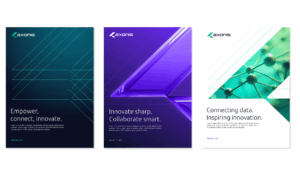
Public sector buyers do their homework. Discover how Bluetext helped Axonis pass the test.
Utilizing Digital Platforms for Engagement
The digital transformation of government services has opened new avenues for engagement. Social media, email marketing, and online advertising offer powerful tools for reaching public sector audiences. By leveraging these platforms, companies can engage with government stakeholders in real-time, providing timely information and updates. Digital engagement also allows for more personalized interactions, fostering deeper connections and understanding. Learn more about digital engagement strategies at our public sector internet marketing agency.
Navigating Compliance and Regulatory Challenges
Compliance with government regulations is non-negotiable in B2G marketing. Understanding the legal and ethical standards that govern public sector interactions is essential for maintaining credibility and avoiding potential pitfalls. Companies must ensure their marketing practices adhere to all relevant guidelines and regulations. Engaging with legal experts and consultants can provide valuable insights and help navigate these complexities effectively.
Building Long-Term Relationships
Developing long-term relationships with government agencies requires persistence and dedication. It involves regular communication, consistent delivery of value, and a commitment to understanding and addressing the evolving needs of the public sector. By fostering genuine partnerships, companies can secure ongoing contracts and collaborations, establishing themselves as indispensable allies to government clients.
Partnering with Bluetext for B2G Success
In the competitive landscape of B2G marketing, companies need a partner who understands the intricacies of engaging with the public sector. Bluetext offers tailored strategies and solutions to help businesses effectively reach government audiences and achieve their marketing objectives. Whether it’s through strategic branding, compelling content, or innovative digital campaigns, our expertise can guide you to success. Contact us today to explore how we can elevate your B2G marketing efforts and drive impactful results. Visit our contact page to get started.
In today’s competitive marketplace, brand recognition and trust are paramount. As consumers are bombarded with countless brand messages daily, companies need to find ways to stand out while maintaining a connection with their audience. One effective strategy is the use of simplified logos. These logos, with their minimalist design, offer a clear and memorable representation of a brand, enhancing both recognition and trust. For marketing leaders, understanding the power of simplified logos can be a game-changer in building and sustaining brand equity.
The Power of Minimalism in Branding
Simplified logos embody the principle of minimalism, which focuses on stripping down designs to their essential elements. This approach resonates well in an age where consumers prefer clarity and speed. A simplified logo is more likely to be remembered because it is free from unnecessary details that can confuse or distract the viewer. By focusing on core elements, brands can communicate their identity more effectively.
Consider some of the most iconic brands globally—Apple, Nike, and McDonald’s. Their logos are simple yet powerful, instantly recognizable, and deeply ingrained in consumer consciousness. This strategic minimalism not only aids in recognition but also suggests a level of sophistication and modernity that appeals to today’s discerning consumers.

Great design drives real business outcomes. Discover how we connected the two for BlueAlly.
Enhancing Brand Recognition
Brand recognition is a critical component of marketing success. A simplified logo aids this by being easily identifiable across various platforms and mediums. Whether it’s on a billboard, a mobile app, or a business card, a simple logo maintains its integrity and impact. This consistency is crucial in reinforcing brand recall and ensuring that consumers can quickly identify the brand among competitors.
Moreover, as brands expand globally, simplified logos transcend language barriers. They rely on universal symbols or shapes that can be understood regardless of linguistic differences, making them especially valuable in international markets.
Building Trust Through Design
Trust is another pillar of brand strength. Simplified logos convey reliability and transparency. In a world where consumers are increasingly skeptical of brands, a clean and straightforward logo can suggest that a company has nothing to hide and is straightforward in its dealings. This perception is crucial for brands looking to foster long-term relationships with their audience.
Furthermore, a simplified logo can adapt more easily to various digital platforms and new technologies, ensuring that the brand remains current and relevant. This adaptability can reinforce consumer trust, as it suggests that the brand is forward-thinking and capable of evolving with technological advancements.
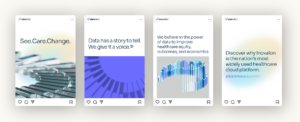
Your logo is your first impression. Explore how we made sure Inovalon would always leave a good one.
Implementing a Simplified Logo Strategy
For brands considering a shift to a simplified logo, the process should be strategic and well-planned. It involves understanding the core message and values of the brand and distilling these into a visual form. Working with a top logo design agency can provide the expertise needed to navigate this transition effectively.
The implementation phase should also consider feedback from various stakeholders, including employees, customers, and partners. Engaging these groups can provide valuable insights and ensure that the new logo aligns with the brand’s identity and market expectations.
Case Studies of Successful Logo Simplification
Several brands have successfully transitioned to simplified logos, reaping significant benefits. For instance, Google’s logo evolution over the years has seen a shift from a complex serif typeface to a clean sans-serif font. This change reflects a modern, user-friendly image that aligns with the brand’s digital-first identity.
Similarly, MasterCard’s decision to remove its name from the logo, leaving only the intersecting red and yellow circles, demonstrates confidence in brand recognition and simplifies its visual identity. Such examples highlight the potential impact of logo simplification on brand perception and market positioning.
Next Steps
Simplified logos are more than a design trend; they are a strategic tool in modern branding. They enhance recognition, build trust, and convey a brand’s core values with clarity and precision. As marketing leaders look to strengthen their brand’s presence, considering a simplified logo could be a pivotal step in achieving sustained success.
If you’re ready to explore how a simplified logo can enhance your brand’s recognition and trust, contact Bluetext for expert strategy, branding, and campaign support. Our team is here to help you create a logo that not only stands out but also stands the test of time.
In the fast-paced world of digital marketing, the evolution of Search Engine Optimization (SEO) has become a pivotal factor in redefining strategies for B2B enterprises. As businesses strive to enhance their online visibility and reach their target audiences more effectively, understanding the nuances of SEO evolution is crucial. For marketing leaders, staying ahead of these changes is not just about visibility; it’s about securing a competitive edge in a crowded digital landscape.
The Shift from Keywords to User Intent
In the early days of SEO, keyword optimization was the primary focus. Today, the landscape has shifted dramatically towards understanding user intent. Search engines have evolved to prioritize content that comprehensively addresses user queries, rather than just matching keywords. This means that B2B companies must now focus on creating content that aligns with the potential questions and needs of their target audience. By doing so, businesses can improve their chances of ranking higher in search engine results pages (SERPs) and engaging more effectively with potential clients.
Technical SEO: The Backbone of Digital Success
As search engines become more sophisticated, technical SEO has gained prominence. This aspect of SEO involves optimizing the backend of a website to ensure it meets the latest search engine standards. Factors such as site speed, mobile-friendliness, and secure connections (HTTPS) are now crucial for achieving favorable rankings. B2B companies must invest in robust technical SEO strategies to ensure their websites are not only accessible but also provide a seamless user experience. This can significantly impact lead generation and conversion rates.
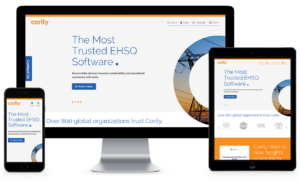
Ready to future-proof your SEO strategy? See how Bluetext changed the game for Cority.
Content Optimization for B2B Audiences
Content remains king in the digital marketing realm, but the approach to content creation has evolved. For B2B companies, the focus is now on producing high-quality, authoritative content that resonates with decision-makers. This involves in-depth research and a deep understanding of industry trends. Businesses that excel in content optimization often leverage data-driven insights to craft personalized messages that speak directly to their audience’s needs and challenges. As a result, they not only improve their SEO rankings but also establish themselves as thought leaders in their respective fields.
Embracing AI and Machine Learning in SEO
Artificial intelligence (AI) and machine learning are revolutionizing how SEO strategies are developed and executed. These technologies enable marketers to analyze vast amounts of data and uncover patterns that were previously unattainable. For B2B companies, leveraging AI can lead to more precise targeting and personalization in marketing campaigns. By understanding user behavior and preferences, businesses can tailor their content and outreach efforts to better meet the needs of their audience. This not only enhances SEO performance but also boosts overall marketing effectiveness.
The Role of Local SEO in B2B Marketing
While local SEO is often associated with B2C businesses, it holds significant value for B2B companies as well. Optimizing for local search enables businesses to connect with other companies within their geographic area, fostering partnerships and collaborations. This is particularly relevant for industries where face-to-face interactions and local presence are critical. By optimizing their Google My Business profiles and incorporating local keywords, B2B companies can enhance their visibility and reputation within their local markets.

Measuring SEO Success in B2B
Measuring the success of SEO efforts is a complex but essential task. For B2B companies, traditional metrics such as website traffic and keyword rankings are no longer sufficient. Instead, marketing leaders should focus on more meaningful KPIs, such as lead quality, conversion rates, and customer lifetime value. By aligning SEO goals with broader business objectives, companies can better assess the impact of their strategies and make data-driven decisions that drive growth.
Challenges and Opportunities in SEO Evolution
The evolution of SEO presents both challenges and opportunities for B2B marketers. On one hand, the increasing complexity of algorithms and the need for continuous adaptation can be daunting. On the other hand, these changes open up new avenues for innovation and creativity. By staying informed about the latest trends and technologies, B2B companies can turn these challenges into opportunities for differentiation and competitive advantage.
As the digital marketing landscape continues to evolve, B2B companies must remain agile and proactive in their SEO strategies. By embracing these changes and leveraging the latest tools and techniques, businesses can enhance their online presence and achieve their marketing goals.
For businesses seeking expert guidance in navigating the complexities of SEO evolution, partnering with a leading agency can make all the difference. Bluetext offers comprehensive strategy, branding, and campaign support to help B2B and B2G companies thrive in the digital age. Contact us today to learn how we can elevate your brand and drive sustainable growth.