Search Engine Optimization (SEO) has transformed dramatically over the years, evolving from simple keyword placement to a complex strategy that requires continuous adaptation and innovation. For enterprises aiming to unlock growth, understanding and leveraging this evolution is paramount. As a leading B2B and B2G marketing agency, Bluetext provides insights into how modern enterprises can capitalize on SEO evolution strategies to drive significant growth.
Why SEO Evolution Matters for Enterprises
The evolution of SEO is crucial for enterprises as search engines continually refine their algorithms to prioritize user experience. This shift means that enterprises must move beyond traditional SEO tactics and embrace a more holistic approach. By doing so, they not only enhance visibility but also improve user engagement and conversion rates. The ability to stay ahead in this evolving landscape can significantly impact an enterprise’s market positioning and competitiveness.
Integrating AI and Machine Learning in SEO
Artificial intelligence and machine learning are reshaping SEO strategies by enabling more precise data analysis and prediction capabilities. These technologies help in understanding user intent, optimizing content delivery, and personalizing user experiences. Enterprises that integrate AI into their SEO strategies can better anticipate market trends and consumer behavior, leading to more targeted and effective marketing efforts. Bluetext has extensive experience in leveraging AI-driven solutions to enhance SEO performance.

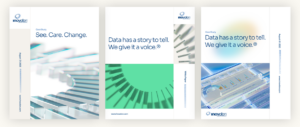
Alignment drives acquisition. Learn how we unified Aechelon’s branding before they were acquired.
Content Strategy: The Backbone of SEO
High-quality content remains at the core of successful SEO strategies. As search engines become more adept at evaluating content relevance and quality, enterprises must focus on creating valuable, authoritative, and engaging content. This involves understanding the target audience deeply and aligning content with their needs and preferences. A robust content strategy not only improves search rankings but also establishes the brand as a thought leader in its industry. Discover how Bluetext’s content marketing services can elevate your enterprise’s content strategy.
The Role of Technical SEO
While content is crucial, technical SEO ensures that content is accessible and indexable by search engines. This includes optimizing site architecture, improving page load speeds, and ensuring mobile-friendliness. Enterprises need to conduct regular technical audits to identify and rectify issues that could hinder SEO performance. By prioritizing technical SEO, enterprises can provide a seamless user experience, which search engines increasingly value.
Embracing Mobile and Voice Search
With the surge in mobile device usage and the rise of voice-activated search, enterprises must adapt their SEO strategies accordingly. This includes optimizing for local search and ensuring that content is structured to answer conversational queries. As voice search becomes more prevalent, focusing on natural language and question-based content can give enterprises a competitive edge. Bluetext helps businesses navigate these changes with tailored digital marketing strategies that address evolving search behaviors.
Measuring and Analyzing SEO Performance
Continuous measurement and analysis are essential components of an evolving SEO strategy. Enterprises must use advanced analytics to track performance metrics, understand user behavior, and refine strategies. Tools like Google Analytics and custom dashboards provide insights that drive data-driven decision-making. By regularly assessing SEO performance, enterprises can adapt to changes swiftly and maintain their competitive position.
Partnering With Experts for Success
As the landscape of SEO continues to evolve, enterprises need to adopt dynamic strategies that align with changing algorithms and user expectations. Partnering with an experienced agency like Bluetext can provide the expertise and innovative solutions necessary to stay ahead. Whether it’s through AI integration, content strategy, or technical SEO, we help enterprises unlock growth potential. Contact us today to learn how our strategic, branding, and campaign support can propel your business forward.
In the digital era, B2B brand messaging has become a crucial component of marketing strategy. With the rise of digital channels and changing consumer expectations, businesses must adapt their messaging to stand out in a crowded marketplace. Crafting effective B2B brand messaging requires a deep understanding of the target audience and a strategic approach to communication. For marketing leaders, this challenge is both an opportunity and a necessity.
Understanding Your Audience
One of the foundational steps in B2B brand messaging is understanding your audience. Unlike B2C, where emotional appeal often drives decisions, B2B audiences look for value, efficiency, and ROI. It’s essential to conduct thorough market research to identify the needs and pain points of your audience. Tools like customer personas and journey mapping can be invaluable in this process. By leveraging these insights, businesses can tailor their messaging to resonate with decision-makers and influencers within target organizations.

The Role of Consistency
Consistency across all digital platforms is vital for effective B2B brand messaging. Whether it’s a website, social media, or email campaigns, maintaining a consistent voice and visual identity helps build trust and recognition. This consistency should extend to how businesses communicate their value propositions and differentiators. A consistent message reinforces brand identity and ensures that your audience receives a unified experience at every touchpoint.
Leveraging Technology for Personalization
Incorporating personalization into B2B brand messaging can significantly enhance engagement. With advancements in data analytics and AI, businesses can now deliver personalized content that speaks directly to the individual needs of their audience. By analyzing user behavior and preferences, companies can create tailored experiences that drive conversions and foster long-term relationships. Personalization is not just a trend but a strategic imperative in the digital age.
Utilizing Multi-Channel Strategies
Effective B2B brand messaging requires a multi-channel approach. Each digital channel offers unique opportunities to engage with your audience. For instance, LinkedIn is ideal for professional networking and thought leadership, while webinars and podcasts can provide in-depth insights into industry trends. By diversifying the channels through which you communicate, you can reach a broader audience and reinforce your brand message across various platforms.
Measuring Success and Adapting
To ensure your B2B brand messaging is effective, it’s crucial to measure its impact. Key performance indicators (KPIs) such as engagement rates, conversion metrics, and customer feedback can provide valuable insights into how your messaging is resonating. Regularly analyzing these metrics allows businesses to adapt their strategies and improve their messaging. This iterative process ensures that brand messaging remains relevant and impactful in a rapidly changing digital landscape.
Why Partner with Bluetext?
Navigating the complexities of B2B brand messaging in the digital era can be challenging. That’s where Bluetext comes in. As a leading B2B marketing agency, we specialize in crafting strategic brand messages that resonate with target audiences. Our expertise spans across various industries, ensuring that your brand’s unique voice is heard. Whether you need help with strategy, branding, or campaign execution, contact Bluetext today to elevate your brand messaging and achieve your marketing goals.
The evolution of SEO in the age of AI is transforming the way businesses approach digital marketing. As artificial intelligence becomes more sophisticated, it reshapes search engine algorithms, user behavior, and ultimately, how organizations must adapt to maintain visibility. For marketing leaders in B2B and B2G sectors, understanding these changes is crucial to staying competitive and ensuring that their strategies align with the latest technological advancements.
AI’s Impact on Search Engine Algorithms
AI is revolutionizing search engine algorithms, making them more intuitive and user-centric. Google’s AI-driven updates, such as BERT and MUM, are designed to understand natural language processing and provide more accurate search results. These advancements mean that traditional SEO tactics focused solely on keywords are becoming less effective. Instead, a focus on context, intent, and high-quality content is paramount. Businesses must adapt by creating content that not only answers user queries but also aligns with the nuanced understanding that AI-driven algorithms bring.
The Rise of Voice Search
Voice search is another critical factor in the SEO evolution driven by AI. With the proliferation of smart speakers and voice-activated devices, consumers are increasingly using voice search to find information. This shift requires businesses to optimize their content for conversational language and long-tail keywords. Incorporating natural language into SEO strategies can improve a company’s visibility and engagement, especially in B2B and B2G markets where precision and clarity are essential. For more insights on optimizing digital strategies, visit our digital inbound marketing agency page.
User Experience as a Ranking Factor
AI’s role in enhancing user experience (UX) is becoming a significant ranking factor in search engine optimization. Google’s Core Web Vitals update emphasizes page speed, interactivity, and visual stability. These elements are crucial as they directly impact user engagement and satisfaction. Companies must prioritize UX in their digital strategies by ensuring fast-loading pages, intuitive navigation, and responsive design. This focus not only improves search rankings but also enhances the overall customer journey, a critical aspect of successful digital marketing.
Personalization and Predictive Analytics
AI enables a new level of personalization and predictive analytics, which can significantly enhance SEO strategies. By analyzing user data, AI can predict search trends and personalize content to meet specific audience needs. This capability allows businesses to tailor their marketing efforts, creating more engaging and relevant experiences for their users. Leveraging AI in this way not only improves search engine rankings but also drives higher conversion rates. To explore how AI can transform your marketing efforts, check out our artificial intelligence services.

Content Optimization with AI Tools
AI-powered tools are now essential in optimizing content for search engines. These tools analyze data, identify content gaps, and suggest improvements, enabling marketers to refine their strategies efficiently. AI tools help in generating topic ideas, optimizing for keywords, and even predicting content performance. By embracing these technologies, companies can maintain a competitive edge in the ever-evolving SEO landscape. For businesses looking to enhance their content strategies, our content marketing services offer tailored solutions to meet your goals.
SEO Moving Forward
The future of SEO is undeniably intertwined with the advances in AI technology. As AI continues to evolve, it will bring even more sophisticated changes to search engine algorithms, user behavior, and marketing strategies. For B2B and B2G leaders, staying ahead requires a proactive approach to integrating AI into their SEO strategies. By doing so, they can ensure their organizations remain visible, relevant, and competitive in the digital marketplace. To learn more about how Bluetext can support your SEO and digital marketing efforts, contact us today.
WordPress has emerged as a powerful platform for B2B enterprises seeking to enhance their digital presence. Its flexibility and robust features make it an ideal choice for businesses looking to create dynamic websites that drive engagement and conversions. For marketing leaders in the B2B and B2G sectors, leveraging a WordPress development agency can be a game-changer, offering tailored solutions to meet complex business needs. This article explores strategies to harness WordPress for B2B success, providing insights into why partnering with a development agency can maximize your digital strategy.
Why WordPress is Ideal for B2B Websites
WordPress is renowned for its versatility, making it a preferred choice for B2B websites. Its extensive library of plugins and themes allows for customization that can suit any industry. The platform supports SEO-friendly practices, which are crucial for businesses looking to improve their online visibility. Furthermore, WordPress’s open-source nature means continuous updates and improvements, keeping your site at the forefront of technology.
For businesses in sectors such as cybersecurity or technology, WordPress offers the scalability needed to handle large amounts of content and complex functionalities. This adaptability is essential for companies aiming to grow their digital footprint and engage with diverse audiences.
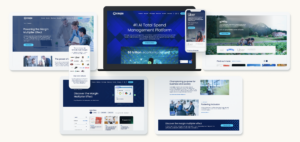
See how we unified Coupa under a single, high-impact narrative.
Partnering with a WordPress Development Agency
Collaborating with a WordPress development agency can significantly enhance your website’s effectiveness. These agencies bring specialized knowledge and expertise, enabling the creation of a site that not only looks great but also performs optimally. They can implement advanced features tailored to your specific business requirements, whether it’s integrating CRM systems or developing custom plugins.
Moreover, an agency can provide ongoing support and maintenance, ensuring your site remains secure and updated. This is particularly vital for B2B companies where data security and uptime are paramount. For example, industries like healthcare or financial services require stringent security measures, which a skilled agency can effectively manage.
Optimizing WordPress for B2B Marketing
To maximize the impact of a WordPress site, B2B marketers should focus on optimization strategies that drive traffic and engagement. This involves leveraging WordPress’s SEO capabilities, such as using plugins like Yoast SEO to enhance metadata and keyword integration. Additionally, creating high-quality content that addresses the pain points of your target audience is crucial. This content should be optimized for search engines to increase organic reach.
Incorporating analytics tools is another strategy to consider. By integrating platforms like Google Analytics, businesses can gain insights into user behavior, allowing for data-driven decisions that refine marketing strategies. This approach is particularly beneficial for companies looking to improve lead generation and conversion rates.
Enhancing User Experience on WordPress
User experience (UX) is a critical component of any successful B2B website. A WordPress development agency can help design intuitive navigation and responsive layouts that enhance the user journey. Ensuring that your site is mobile-friendly is also essential, as more users access websites via smartphones and tablets. A seamless UX not only retains visitors but also encourages them to take desired actions, such as filling out contact forms or downloading resources.
Furthermore, agencies can implement features like chatbots or personalized content recommendations to further engage visitors. These tools provide a personalized experience, increasing the likelihood of conversion and customer satisfaction.
Putting WordPress to Use
Harnessing the power of WordPress through strategic collaboration with a development agency can propel B2B businesses to new heights. By leveraging the platform’s flexibility and robust features, companies can create engaging, high-performing websites that meet their unique needs. If you’re looking to enhance your digital strategy and achieve measurable results, consider reaching out to Bluetext for expert guidance and support.
In the ever-shifting landscape of digital communication, the intersection of technology and design plays a crucial role in shaping how government entities engage with their audiences. As a leading digital design agency, Bluetext is at the forefront of crafting innovative solutions for B2G communication. This blog explores the future of digital design in B2G, emphasizing its significance for marketing leaders in both the public and private sectors.
Understanding the Shift in B2G Communication
The digital transformation has fundamentally altered the way governments communicate with the public. Traditional methods are giving way to digital-first strategies that prioritize user engagement and accessibility. This shift is driven by the need for efficiency, transparency, and real-time interaction. Digital design agencies like Bluetext are tasked with creating platforms that not only meet these needs but also enhance the user experience.
The Role of User-Centric Design
User-centric design is paramount in B2G communication. It involves creating interfaces that are intuitive, accessible, and tailored to the diverse needs of government audiences. By focusing on user experience (UX) and user interface (UI) design, agencies can ensure that government platforms are not only functional but also engaging. This approach helps bridge the gap between complex government services and the citizens who need them.
Emerging Technologies in Digital Design
The integration of emerging technologies is reshaping the digital design landscape. Artificial intelligence (AI) and machine learning are enabling more personalized and efficient communication. For instance, AI-driven chatbots can provide instant support to users, reducing the burden on human resources. Moreover, data analytics offer insights into user behavior, allowing for continuous improvement of digital platforms.
Another innovation is the use of virtual and augmented reality to create immersive experiences. These technologies can be particularly useful in training and education within government sectors, providing interactive simulations that enhance learning and engagement.
Security and Compliance Considerations
In the realm of B2G communication, security and compliance are critical. Digital design agencies must prioritize these aspects to protect sensitive information and adhere to regulatory requirements. Implementing robust cybersecurity measures is essential to safeguard data and maintain public trust. At Bluetext, we understand the complexities of cybersecurity in the digital design process, ensuring that our solutions are both innovative and secure.

Aevex needed a refresh. Discover how we reimagined their branding ahead of their IPO.
The Importance of Accessibility
Accessibility is a fundamental component of digital design in B2G communication. Government platforms must be inclusive, catering to individuals with disabilities and those who rely on assistive technologies. This involves adhering to standards such as the Web Content Accessibility Guidelines (WCAG) to create a seamless experience for all users. Bluetext is committed to designing platforms that are accessible to everyone, ensuring equitable access to government services.
Future Trends in B2G Digital Design
Looking ahead, several trends are poised to influence the future of digital design in B2G communication. The adoption of cloud-based solutions will continue to grow, offering scalability and flexibility for government platforms. Additionally, the emphasis on mobile-first design will increase as more users access services via smartphones and tablets. This shift requires a responsive design approach that optimizes the user experience across all devices.
Moreover, the integration of blockchain technology could revolutionize data management and security, providing transparent and tamper-proof records. As a forward-thinking digital marketing analytics firm, Bluetext is exploring these trends to offer cutting-edge solutions to our clients.
Moving Forward in the B2G Space
The future of digital design in B2G communication is bright, marked by technological advancements and a commitment to user-centric solutions. As government entities strive to enhance their digital presence, partnering with an experienced digital design agency like Bluetext can provide the strategic insight and innovative design needed to succeed. For more information on how Bluetext can support your agency’s digital transformation, contact us today.
In today’s quickly moving digital landscape, engaging with the public sector through effective digital design has become a critical component for success. As government agencies and public institutions increasingly embrace digital transformation, the demand for a seamless, user-centric experience is more important than ever. For marketing leaders, understanding how digital design can enhance public sector engagement is crucial to meeting the expectations of a tech-savvy audience.
The Role of User Experience in Public Sector Digital Design
User experience (UX) is at the heart of effective digital design, especially in the public sector. Government websites and applications must be accessible, intuitive, and efficient to serve diverse user groups. A digital design agency specializing in UX can help create interfaces that cater to these needs, ensuring that information is easy to find and services are straightforward to use. By prioritizing UX, agencies can significantly improve user satisfaction and engagement.
Accessibility: Oft-overlooked
Accessibility is a legal and moral imperative for public sector digital initiatives. Ensuring that digital platforms are usable by people with disabilities is not just about compliance; it’s about inclusivity. Design elements such as screen reader compatibility, keyboard navigation, and text-to-speech functions must be integrated from the start. This commitment to accessibility can enhance engagement by making public services available to all citizens, thus broadening the reach and impact of digital campaigns.
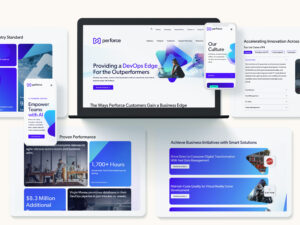
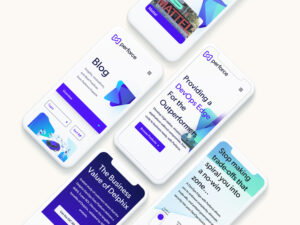
Consistency is what makes a message compound. See for yourself how we modernized Perforce’s image.
Leveraging Data to Inform Design Decisions
Data-driven design is a powerful tool for enhancing public sector engagement. By analyzing user behavior and feedback, agencies can gain insights into how their digital platforms are used and where improvements are needed. A digital design agency can employ analytics tools to gather this data, allowing for informed decisions that optimize user pathways and streamline interactions. This iterative process ensures that digital solutions evolve to meet user expectations effectively.
Personalization in Public Sector Design
Personalization is a growing trend in digital design, offering customized experiences that resonate with individual users. For the public sector, this means tailoring content and services based on user preferences and past interactions. While personalization must be balanced with privacy concerns, it can lead to more meaningful engagement by delivering relevant information and services directly to users. Agencies looking to implement personalization strategies can benefit from the expertise of a digital design agency that understands the nuances of public sector requirements.
The Importance of Visual Design in Public Sector Engagement
Visual design plays a crucial role in capturing and retaining user attention. In the public sector, where information can often be dense and complex, clear and compelling visual design can make all the difference. A well-crafted visual identity not only enhances brand recognition but also aids in the communication of key messages. By working with an experienced digital marketing design agency, public sector organizations can ensure that their visual design aligns with their engagement goals.
Consistency Across Channels
Maintaining a consistent visual identity across all digital channels is essential for building trust and recognition. Whether it’s a government website, social media presence, or mobile application, users should experience a cohesive design that reinforces the brand’s values and mission. This consistency helps establish credibility and makes it easier for users to navigate different platforms seamlessly.
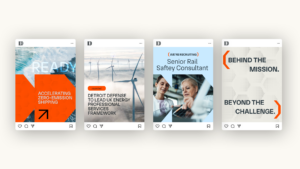
Growth stalls when the story doesn’t scale. Walk through our repositioning of Detroit Defense.
Enhancing Engagement Through Strategic Content
Content is the backbone of digital engagement strategies. For the public sector, content must be clear, concise, and tailored to the audience’s needs. A content marketing company with expertise in public sector communications can help develop content strategies that resonate with diverse audiences. This includes everything from educational materials to interactive tools that engage users and encourage active participation.
Interactive and Multimedia Content
Incorporating interactive and multimedia content can significantly boost user engagement. Videos, infographics, and interactive tools offer dynamic ways to present information and encourage user interaction. These formats can simplify complex topics, making them more accessible and engaging for a wider audience. By leveraging these tools, public sector agencies can foster a deeper connection with their constituents.
Enhancing public sector engagement through digital design requires a strategic approach that integrates user experience, data-driven insights, visual identity, and effective content strategies. By partnering with a leading public sector digital marketing agency like Bluetext, organizations can navigate the complexities of digital transformation and deliver impactful, user-centric solutions. To learn more about how Bluetext can support your digital design needs, contact us today.
In today’s fast-moving digital landscape, marketing leaders are tasked with creating strategies that not only deliver results but also withstand the test of time. Building resilient and scalable marketing frameworks is essential for businesses to thrive in an ever-evolving environment. These frameworks need to be adaptable to changing market dynamics, technological advancements, and consumer behavior shifts. For B2B and B2G sectors, where decisions are often complex and processes lengthy, having a robust marketing infrastructure is crucial to maintaining competitive advantage.
Why Scalability Matters in Marketing
Scalability in marketing refers to the ability of a strategy to grow and adapt alongside a business’s needs without compromising performance. For marketing leaders, this means developing campaigns and strategies that can handle increased demand and expand into new markets seamlessly. The importance of scalable marketing cannot be overstated, as it ensures that resources are used efficiently and that the marketing efforts can support business growth objectives.

Recognition compounds. Go inside how we shaped BlueHalo’s brand.
Key Components of a Scalable Marketing Framework
Creating a scalable marketing framework involves several key components. First, it’s essential to have a clear understanding of the target audience and their evolving needs. This requires ongoing market research and data analysis to stay ahead of trends. Additionally, a scalable framework should include flexible technology solutions that integrate with existing systems, allowing for seamless data flow and real-time insights.
Another critical component is content strategy. Developing versatile content that can be repurposed across different channels and formats is vital. This not only enhances reach but also ensures consistency in messaging. Utilizing advanced analytics to measure performance and adjust strategies in real-time is another cornerstone of scalability. By leveraging data-driven insights, marketing leaders can make informed decisions that drive growth.
Building Resilience into Marketing Strategies
Resilience in marketing refers to the ability to withstand disruptions and quickly adapt to unforeseen challenges. In the B2B and B2G sectors, where market conditions can change rapidly due to regulatory changes or economic shifts, resilience is a key differentiator. Building resilience involves creating a robust risk management strategy that identifies potential threats and outlines clear response plans.
Additionally, fostering a culture of innovation within the marketing team can enhance resilience. Encouraging creative problem-solving and experimentation allows teams to pivot quickly and effectively when faced with challenges. This adaptability is supported by strong internal communication and collaboration, ensuring that all stakeholders are aligned and informed.
Clarity outperforms volume. Learn how we repositioned Inovalon.
The Role of Technology in Enhancing Resilience
Technology plays a pivotal role in enhancing the resilience of marketing frameworks. By utilizing cutting-edge tools and platforms, marketing leaders can automate processes, streamline operations, and gain deeper insights into consumer behavior. This technological agility enables teams to respond swiftly to changes and capitalize on new opportunities.
For instance, utilizing search engine optimization strategies can improve visibility and adaptability in digital spaces. Similarly, leveraging social media marketing services can help businesses engage with their audience in real-time, fostering stronger relationships and brand loyalty.
Implementing a Continuous Improvement Mindset
A continuous improvement mindset is vital for maintaining both scalability and resilience. This involves regularly reviewing and refining marketing strategies to align with business objectives and market conditions. By fostering a culture of feedback and learning, marketing teams can identify areas for improvement and implement changes swiftly.
Regular training and development programs can also ensure that teams are equipped with the latest skills and knowledge. This proactive approach not only enhances performance but also prepares teams to tackle future challenges with confidence.
Partnering with Experts for Sustainable Growth
Partnering with a marketing agency like Bluetext can provide businesses with the expertise and resources needed to build resilient and scalable marketing frameworks. With a deep understanding of B2B and B2G markets, Bluetext offers tailored solutions that drive growth and enhance brand positioning.
Whether it’s through strategic planning, branding, or campaign execution, Bluetext helps businesses navigate the complexities of modern marketing. By leveraging their expertise, companies can ensure that their marketing efforts are both effective and sustainable, securing long-term success.
In conclusion, building resilient and scalable marketing frameworks is essential for businesses aiming to thrive in today’s dynamic environment. By focusing on scalability, resilience, and continuous improvement, marketing leaders can ensure that their strategies are robust and adaptable. For tailored support in developing these frameworks, contact Bluetext today to explore how we can elevate your marketing efforts.
In today’s fast-paced, digital-first world, scalable marketing has become a cornerstone of successful business strategies. As businesses seek to expand their reach and optimize their marketing efforts, understanding how to build and execute scalable marketing strategies is crucial. This shift toward digital transformation is not just a trend; it’s an essential strategy for staying competitive in both B2B and B2G markets. For marketing leaders, mastering scalable marketing means leveraging digital tools and platforms to enhance efficiency and achieve sustainable growth.
The Importance of Scalable Marketing
Scalable marketing is vital for businesses looking to grow without proportionally increasing their costs. By implementing strategies that can be expanded or contracted based on demand, companies can maintain flexibility and efficiency. This approach is especially important in the B2B and B2G sectors, where market dynamics can change rapidly. Businesses need marketing solutions that can adapt quickly to new challenges and opportunities. For example, using analytics technology allows companies to make data-driven decisions, ensuring their marketing efforts are both effective and scalable.
Leveraging Technology for Scale
Incorporating technology into marketing strategies is no longer optional—it’s a necessity. Automation tools, AI, and advanced analytics enable businesses to reach larger audiences with personalized messaging. Marketing automation platforms streamline processes, from lead generation to customer engagement, allowing teams to focus on strategic planning rather than manual tasks. Additionally, leveraging artificial intelligence can enhance the personalization of marketing efforts, making campaigns more relevant to target audiences.
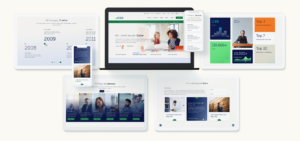
Distinct beats polished. Take a closer look at how we kept CIBZ up with the competition.
Creating a Digital-First Culture
For scalable marketing to be effective, companies must foster a digital-first culture. This involves aligning organizational goals with digital strategies and ensuring that all departments are on board with the digital transformation. Leaders should encourage innovation and provide training to help teams adapt to new technologies. By promoting a culture that values digital solutions, businesses can ensure that their scalable marketing strategies are implemented smoothly and effectively.
Content as a Catalyst for Growth
Content marketing remains a powerful tool for driving growth in a scalable manner. By creating high-quality, relevant content, businesses can attract and engage their target audiences without the need for massive advertising budgets. Content can be repurposed across various channels, extending its reach and impact. A strategic approach to content marketing not only supports SEO efforts but also establishes thought leadership and builds brand trust.

Buyers decide before they read the deck. Get the story behind our redesign of the brand.
Measurement and Optimization
To ensure scalable marketing strategies are effective, continuous measurement and optimization are key. By tracking key performance indicators (KPIs) and analyzing campaign data, businesses can identify areas for improvement and adjust their strategies accordingly. Tools like Google Analytics provide valuable insights into customer behavior and campaign performance. Regularly reviewing this data allows companies to refine their approaches and maximize their marketing investments.
Partnering for Success
In a digital-first world, scalable marketing is essential for businesses seeking sustainable growth. By leveraging technology, fostering a digital-first culture, and focusing on content and data-driven decision-making, companies can create marketing strategies that adapt to changing market conditions. For organizations looking to enhance their marketing efforts, partnering with experts can provide the guidance and expertise needed to navigate this complex landscape. Contact Bluetext today to learn how our team can support your strategy, branding, and campaign needs, ensuring your business is well-positioned for future success.
In today’s competitive marketplace, building trust is essential for B2B companies seeking to establish lasting relationships with their clients. Effective B2B brand messaging plays a crucial role in creating and maintaining this trust. It not only communicates the core values and mission of a company but also differentiates it from competitors. For marketing leaders, understanding and implementing strategic brand messaging is vital to drive growth and foster long-term client loyalty.
Understanding the Importance of B2B Brand Messaging
Brand messaging is the foundation of how a company communicates its value proposition to its audience. For B2B companies, this messaging must resonate on a deeper level due to the complex nature of business transactions. Unlike B2C markets, B2B decisions involve multiple stakeholders and longer sales cycles. Thus, clear and consistent messaging becomes critical in influencing decision-makers.
Effective B2B brand messaging aligns with the pain points and aspirations of target audiences. It should clearly articulate how a company’s products or services solve specific challenges, thereby building credibility. This credibility is essential for establishing trust, which is the cornerstone of any successful B2B relationship.
Crafting a Consistent and Clear Message
Consistency in messaging is key to building trust. Inconsistent messages can confuse potential clients and erode trust. A clear and cohesive message across all platforms—whether through digital content, sales pitches, or customer service interactions—ensures that the brand is perceived as reliable and trustworthy.
Marketing leaders should focus on developing a brand voice that reflects the company’s values and resonates with its audience. This involves creating guidelines that ensure every piece of communication, from content marketing to social media posts, aligns with the overarching brand message. Consistency in tone and style helps reinforce the brand’s identity and fosters a sense of familiarity among clients.

Learn how we paired facts and feelings to create Obrela’s new look
Leveraging Emotional and Rational Appeals
Effective B2B brand messaging often strikes a balance between emotional and rational appeals. While B2B decisions are primarily rational, emotional elements can still play a significant role in influencing purchasing decisions. By addressing both the logical and emotional needs of clients, companies can create a more compelling brand narrative.
Rational appeals focus on demonstrating the tangible benefits of a product or service, such as cost savings, efficiency improvements, or return on investment. Emotional appeals, on the other hand, connect with clients on a personal level, often by aligning with their values or addressing their concerns about future growth and stability. Combining these appeals in messaging can create a powerful and persuasive brand story.
Incorporating Customer Insights
Understanding the needs and preferences of target audiences is critical to crafting effective brand messaging. By leveraging customer insights, companies can tailor their messaging to better resonate with potential clients. This involves analyzing data from various sources, such as market research, customer feedback, and digital marketing analytics.
Customer insights help identify key pain points and motivations, enabling companies to develop messaging that speaks directly to these elements. By addressing specific concerns and offering tailored solutions, brands can position themselves as trusted advisors rather than mere vendors.
The Role of Digital Platforms in Brand Messaging
Digital platforms offer unique opportunities to enhance B2B brand messaging. With the rise of online channels, companies can reach a broader audience and engage with them in real time. Effective use of digital platforms, such as social media, email marketing, and content creation, allows brands to amplify their message and foster deeper connections with clients.
For example, social media can be used to share success stories, industry insights, and thought leadership content that reinforces the brand’s expertise and reliability. Email marketing can deliver personalized messages that address specific client needs, while content marketing provides valuable information that educates and informs the audience, positioning the brand as a knowledgeable partner.

Mergers can muddle the message. See how we kept Octo’s crystal clear.
Measuring the Impact of Brand Messaging
To ensure the effectiveness of B2B brand messaging, companies must continuously measure and analyze its impact. Key performance indicators (KPIs) such as brand awareness, engagement rates, lead conversion, and client retention can provide valuable insights into the success of messaging strategies.
Regularly reviewing and adjusting brand messaging based on these metrics allows companies to stay relevant and responsive to changing market dynamics. By maintaining a data-driven approach, businesses can refine their messaging to better align with client expectations and industry trends.
Why the Right Partner is Key in Developing Trust
Building trust through effective B2B brand messaging is a strategic imperative for companies seeking to establish and maintain strong client relationships. By crafting consistent, clear, and emotionally resonant messages, businesses can differentiate themselves and foster loyalty among their target audiences. As digital platforms continue to evolve, leveraging these channels to amplify and personalize messaging will be crucial for success.
For marketing leaders looking to enhance their brand messaging strategies, partnering with an experienced agency like Bluetext can provide the expertise and insights needed to drive impactful results. Contact Bluetext today to explore how our tailored solutions can support your branding and marketing goals.
In today’s rapidly evolving global marketplace, leading branding agencies face unprecedented challenges and opportunities. As businesses expand across borders and digital landscapes, branding strategies must adapt to stay relevant and competitive. Marketing leaders must navigate these changes to ensure their brands resonate with diverse audiences while maintaining a consistent global identity. This post explores how top branding agencies are adapting to these market dynamics, providing insights for businesses aiming to thrive in this complex environment.
Embracing Digital Transformation
Digital transformation is at the forefront of how leading branding agencies are reshaping their strategies. The proliferation of digital channels requires brands to be agile, responsive, and data-driven. Agencies are leveraging advanced analytics to gain insights into consumer behavior, enabling more personalized and impactful branding efforts. By integrating technologies such as artificial intelligence and machine learning, agencies are enhancing their ability to predict trends and optimize campaigns in real-time.
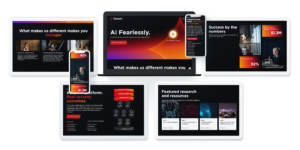
Learn how we helped TrendAI move into new markets while remaining unmistakably itself.
Focusing on Authenticity and Purpose
Consumers today demand authenticity and purpose from the brands they engage with. Leading branding agencies are helping businesses articulate their core values and align them with customer expectations. This involves crafting narratives that resonate on an emotional level, fostering trust and loyalty. Agencies are also guiding brands in taking meaningful stances on social and environmental issues, which has become crucial in differentiating a brand in a crowded marketplace.
Adapting to Cultural Nuances
As brands venture into new markets, understanding and respecting cultural differences becomes essential. Leading branding agencies are adept at tailoring messages to fit local contexts without diluting the brand’s global identity. This involves in-depth research and collaboration with local experts to ensure campaigns are culturally relevant and sensitive. By doing so, brands can connect more deeply with local audiences and enhance their global reach.
Leveraging Data-Driven Insights
Data is a powerful tool for branding agencies aiming to adapt to global market changes. Through sophisticated data analytics, agencies can track consumer trends, measure campaign effectiveness, and make informed decisions. This data-driven approach allows for more precise targeting and personalization, ensuring that branding efforts resonate with the intended audience. Agencies like Bluetext are at the forefront of utilizing data to drive successful branding strategies.
Enhancing Brand Experience Through Technology
Technology is transforming how consumers interact with brands. Leading agencies are using virtual reality, augmented reality, and immersive experiences to create memorable brand interactions. These technologies allow consumers to engage with brands in novel ways, increasing brand recall and affinity. Agencies are also focusing on optimizing digital touchpoints, ensuring that the brand experience is seamless across all platforms and devices.
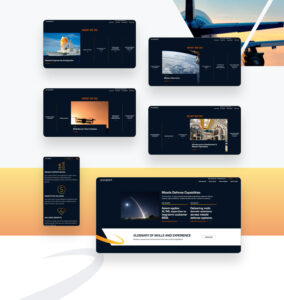
Uncover how we designed Axient’s brand to stay with the customer, even after a first pass.
Fostering Collaboration and Innovation
Collaboration and innovation are key to staying ahead in the global branding landscape. Leading agencies foster environments where creativity can thrive, encouraging cross-functional teams to work together. This collaborative approach not only sparks innovative ideas but also ensures that diverse perspectives are considered in branding strategies. By embracing innovation, agencies can develop unique solutions that differentiate their clients in the marketplace.
Building Resilient Brand Strategies
In an unpredictable world, resilience is crucial for brand survival. Leading branding agencies are building strategies that can withstand market volatility and adapt to change. This involves scenario planning and risk management to anticipate potential disruptions. By preparing for various contingencies, agencies ensure that brands remain resilient and continue to deliver value to their customers.
Creating Comprehensive Content Strategies
Content remains a vital component of effective branding. Agencies are developing comprehensive content strategies that leverage storytelling, multimedia, and digital platforms to engage audiences. By creating compelling and consistent content, brands can maintain a strong presence across channels. Agencies like Bluetext excel in crafting content that captures the essence of a brand and communicates it effectively to diverse audiences.
Partnering with Experts for Success
Adapting to global market changes requires expertise, creativity, and a strategic approach. Leading branding agencies are well-equipped to guide businesses through these challenges, offering innovative solutions that drive growth and engagement. For companies looking to navigate this complex landscape, partnering with an experienced agency like Bluetext can provide the strategic support needed to succeed. Contact us today to learn how we can help elevate your brand’s presence in the global market.