Every market is crowded. Audiences are overwhelmed, competitors are publishing constantly, and organizations are fighting for attention across an expanding number of platforms, channels, and formats.
Generative AI has intensified that challenge. Marketing teams can now create and distribute content faster than ever, but an increase in volume does not necessarily create greater clarity. As more organizations publish similar ideas in similar ways, it becomes increasingly difficult for audiences to distinguish one brand from another.
The competition is no longer simply about visibility. It is about earning trust, demonstrating relevance, and giving audiences a compelling reason to pay attention.
Breaking through the noise requires more than publishing frequently or increasing media spend. Organizations need a differentiated identity, a clear point of view, and a communications strategy built around the priorities of the audiences they need to reach.
This challenge is especially pronounced in complex markets such as defense, technology, and the public sector, where buying decisions are rarely driven by a single message or interaction.
Build the Brand Before Amplifying the Message
When organizations merge, expand their capabilities, or enter new markets, their existing brand may no longer reflect the company they have become.
That was the challenge facing Harmonia and Maveris when the two companies came together. The combined organization needed more than an updated logo or refreshed website. It needed a unified identity and market story that could communicate the strengths of the new business to employees, customers, partners, and federal decision-makers.
Bluetext created Revolutional, developing the new name, messaging platform, logo, corporate visual identity, website, and brand launch video. The brand was anchored by the idea of “The Momentum of the Mission,” positioning the organization around the progress, urgency, and forward movement its customers require.
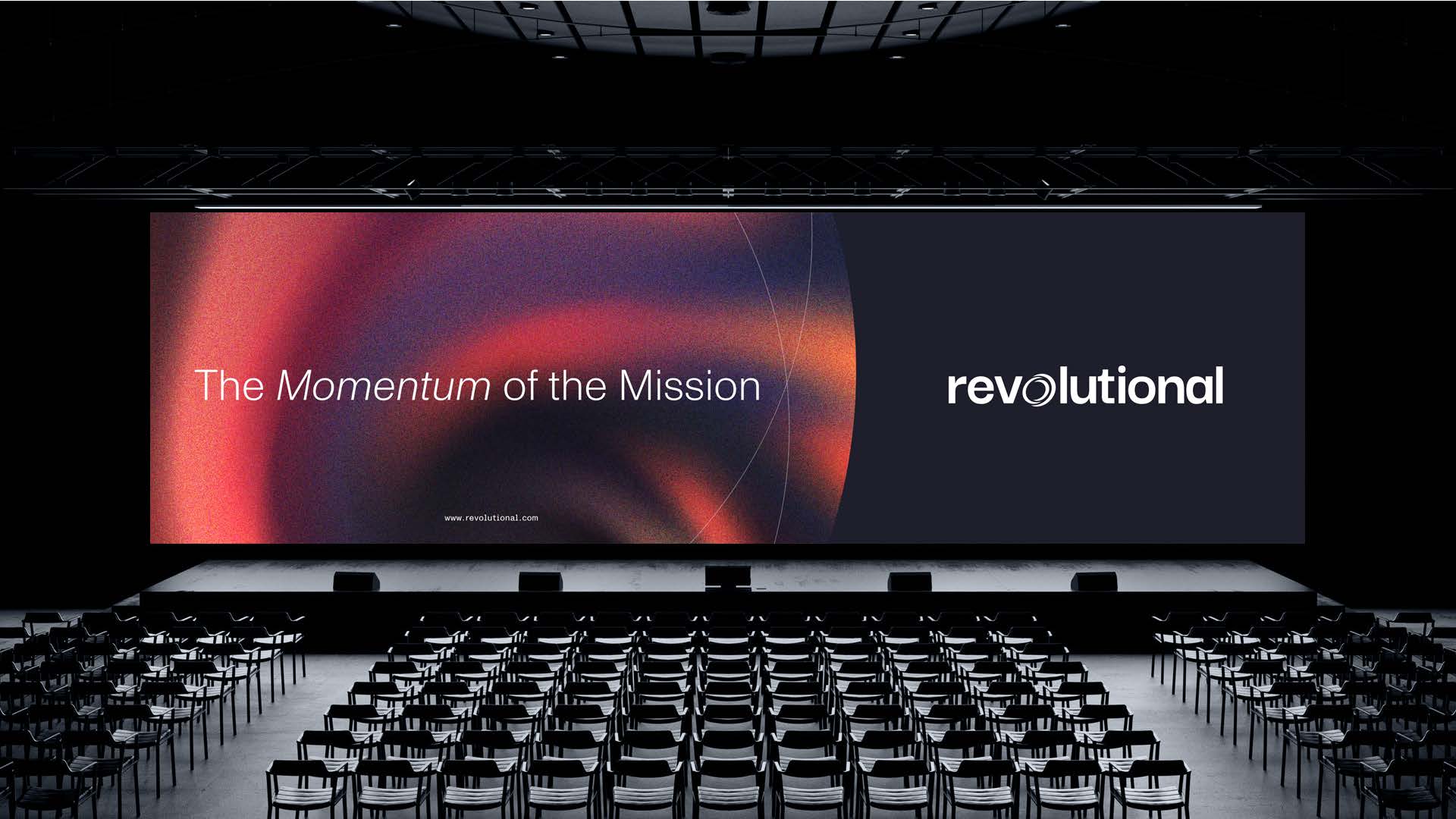
The engagement demonstrates an important principle: before an organization can break through externally, it must first create alignment internally.
A strong brand gives employees and external audiences a shared understanding of what the company represents. It creates consistency across communications and establishes a foundation for every campaign, digital experience, recruitment initiative, and business development effort that follows.
Without that foundation, increased marketing activity can simply produce more noise.
Defense Marketing Must Translate Capabilities into Confidence
Defense companies frequently operate at the leading edge of autonomy, cybersecurity, aerospace, engineering, advanced manufacturing, and mission technology. Their challenge is rarely a lack of technical sophistication.
The challenge is communicating that sophistication clearly.
Defense marketing must translate complex capabilities into a story that resonates with government buyers, program leaders, partners, investors, recruits, and other stakeholders. Each audience may evaluate the organization differently, but all of them need confidence that the company understands the mission and can deliver against it.
That requires more than listing technical specifications, contract vehicles, or past performance. Successful defense brands connect their capabilities to meaningful mission outcomes. They establish a recognizable market position, demonstrate operational relevance, and communicate why their technology matters.

An effective defense marketing strategy brings together mission-aligned messaging, a credible visual identity, intuitive digital experiences, substantive thought leadership, and consistency across business development, recruitment, media, and investor communications.
In a market where trust is earned over time, branding is not simply decoration. It is part of how a defense company signals maturity, readiness, differentiation, and long-term value.
AI Is Raising the Stakes for Brand Differentiation
The rapid adoption of generative AI has created a difficult question for marketing leaders: What happens when every company can produce more content?
Nick Panayi, a veteran CMO whose leadership experience includes Amelia, CSC, and Inovalon, joined Bluetext founder Jason Siegel on the Digital Doorways podcast to examine that question.
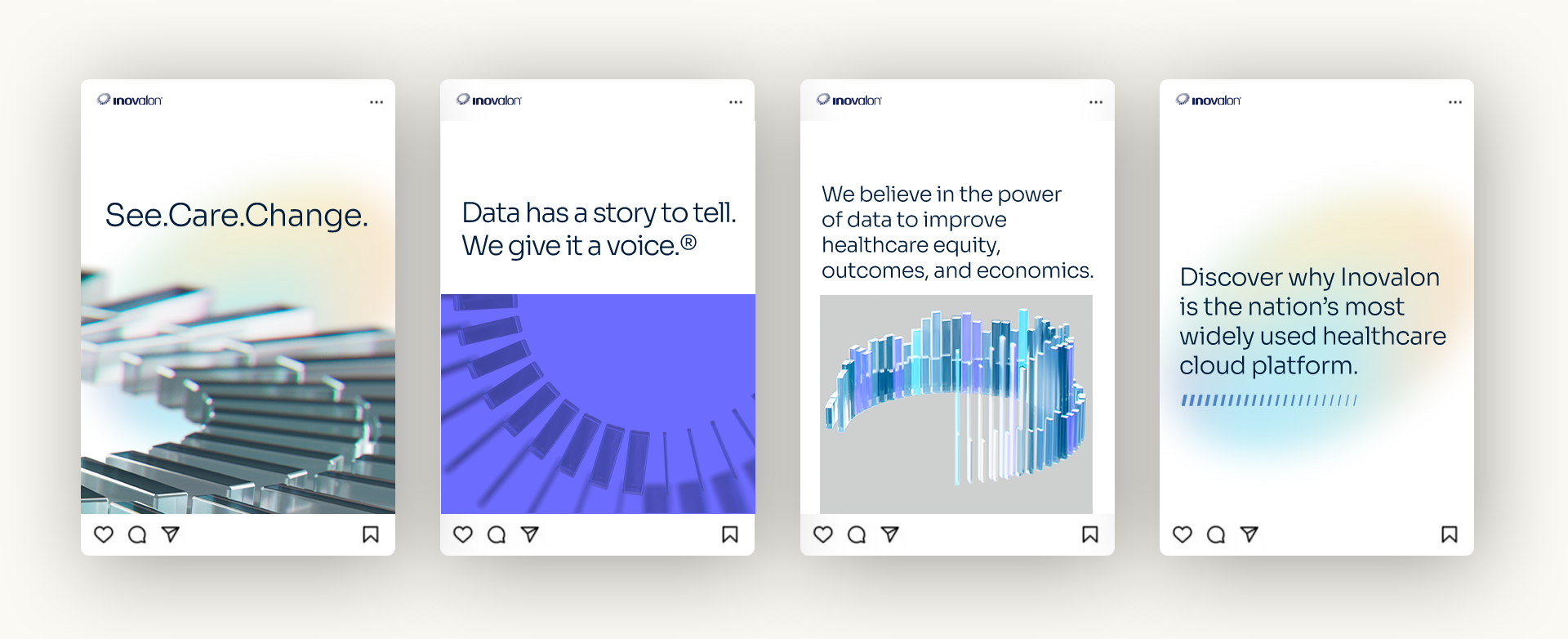
AI can accelerate research, production, personalization, and distribution. It can help teams work more efficiently and generate content at a scale that would have previously required significant time and resources.
It can also flood the market with repetitive ideas, interchangeable perspectives, and formulaic communications.
When audiences can no longer easily determine whether something was written by a person or generated by a machine, brand becomes even more important. Organizations need a distinctive point of view that cannot be replicated simply by using the same technology as their competitors.
That means developing recognizable ideas, credible subject-matter experts, ownable creative systems, and content grounded in real experience.
Content should not be viewed only as fuel for a lead-generation engine. It is a long-term brand asset that influences how customers, partners, employees, investors, and other stakeholders understand the organization.
AI may change how content is produced, but it does not eliminate the need for originality, judgment, expertise, and trust. In many ways, it makes those qualities more valuable.
B2G Targeting Requires Precision, Not Just Reach
The same principle applies to companies trying to reach government buyers.
Broad awareness can help establish familiarity, but successful business-to-government marketing depends on reaching the right stakeholders with information relevant to their missions, programs, responsibilities, and procurement priorities.
Effective B2G targeting brings together audience intelligence, data, mission-focused content, and coordinated digital execution. Rather than treating the government as a single audience, organizations must account for different agencies, offices, roles, programs, requirements, and stages of the buying process.
Generic messaging is unlikely to resonate with every decision-maker. Companies need to connect their capabilities to specific government needs and communicate that value in language each audience recognizes.
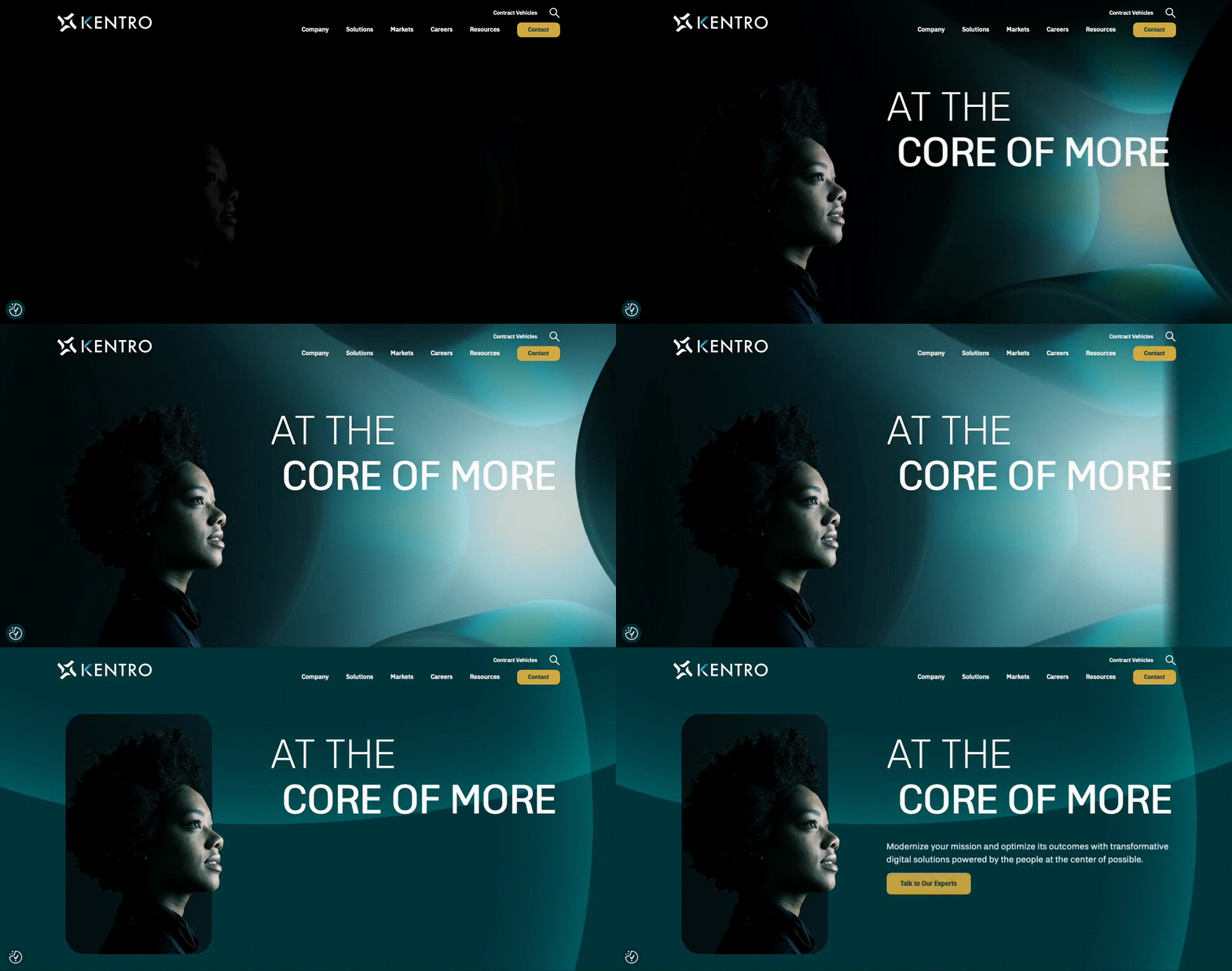
A focused B2G strategy can help organizations identify high-value stakeholders, align content with agency priorities, establish familiarity before active procurements, support capture and business development teams, and build credibility throughout lengthy buying cycles.
The objective is not simply to generate more impressions. It is to become more relevant to the audiences with the authority and influence to move opportunities forward.
In government markets, relevance compounds. Every useful interaction can strengthen the familiarity and confidence required for future conversations.
Clarity Is the Competitive Advantage
The brands that break through the noise are not always the loudest. They are the clearest.
They understand what they represent, who they need to reach, and why their story matters. Their messaging, visual identity, content, digital presence, and targeting strategies reinforce one another rather than operating as disconnected activities.
Whether an organization is launching a new brand, marketing advanced defense technology, navigating the rise of AI-generated content, or pursuing government buyers, the underlying requirement remains the same:
Give the audience a clear reason to pay attention, believe, and act.
The volume of content will continue to increase. The advantage will belong to organizations with something distinctive, credible, and relevant to say.
Ready to Break Through the Noise?
Bluetext helps organizations clarify their positioning, build differentiated brands, and create digital and marketing strategies that support meaningful growth.
Contact Bluetext to discuss how your organization can stand out, earn trust, and connect with the audiences that matter most.
Recent Posts
Top Cybersecurity Marketing Trends to Watch in 2027
Bluetext’s Recent Work