In today’s rapidly evolving digital landscape, effective engagement with the public sector requires a nuanced understanding of B2G opportunity targeting. As government entities increasingly adopt digital technologies, the need for strategic marketing approaches that cater to this unique audience has never been more critical. For marketing leaders aiming to enhance their impact within the public sector, leveraging B2G strategies is essential to drive meaningful connections and foster robust partnerships.
Understanding B2G Marketing Dynamics
B2G marketing, or business-to-government marketing, involves targeting government agencies and organizations with products and services tailored to their specific needs. Unlike traditional B2B marketing, B2G requires a deep understanding of governmental processes, procurement procedures, and compliance requirements. This complexity necessitates a strategic approach that prioritizes relationship building and long-term engagement over quick sales.
Government entities prioritize reliability, transparency, and compliance, making these factors crucial in B2G marketing strategies. Successful campaigns often focus on demonstrating value through case studies, pilot programs, and detailed proposals that align with the agency’s mission and objectives. Marketing leaders must emphasize these elements to effectively communicate their offerings and stand out in a competitive landscape.
Leveraging Data and Analytics
Data-driven insights are invaluable in optimizing B2G marketing efforts. By leveraging analytics, organizations can better understand the needs and behaviors of government agencies. This enables marketers to tailor their messaging and content to address specific pain points and decision-making criteria. Utilizing platforms like customer relationship management (CRM) systems can also streamline the process, ensuring that communication is targeted and relevant.
Moreover, predictive analytics can forecast trends and identify opportunities within the public sector, allowing marketing teams to proactively address emerging needs. Integrating these insights into marketing strategies ensures that campaigns are not only timely but also resonate with the intended audience.
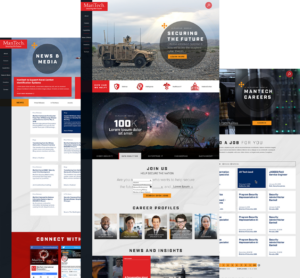
See the blueprint that we used to skyrocket ManTech’s B2G engagement
Crafting Compelling Content
Content plays a pivotal role in B2G marketing, serving as a conduit for information and engagement. Government decision-makers are often inundated with information, so crafting content that is both informative and engaging is crucial. This includes producing white papers, webinars, and case studies that highlight the efficacy and reliability of your offerings.
Additionally, leveraging digital channels such as social media and email marketing can enhance reach and engagement. Tailored content that speaks directly to the concerns and challenges faced by government agencies can significantly increase the likelihood of successful engagement. For instance, highlighting how your solutions address specific regulatory requirements can position your brand as a trusted partner in the eyes of government stakeholders.
Building Long-Term Relationships
Successful B2G marketing is not solely about making the sale; it’s about cultivating lasting relationships. Government contracts often require ongoing collaboration and support, making relationship management a critical component of B2G strategies. By establishing trust and demonstrating commitment to service and support, businesses can foster partnerships that extend well beyond initial contracts.
Networking and participation in government-focused events and conferences can provide valuable opportunities to connect with key decision-makers. These interactions offer insights into the priorities and challenges of government agencies, enabling marketers to refine their strategies and build rapport with potential clients.

Take a peek at how we went about Octo’s rebrand
Embracing Digital Transformation
The public sector is increasingly embracing digital transformation, and B2G marketers must adapt to this trend. Developing digital-first strategies that leverage cutting-edge technologies such as AI and machine learning can enhance engagement and streamline processes. For example, AI-driven chatbots can provide immediate assistance and information to government agencies, improving the customer experience and facilitating smoother interactions.
Moreover, digital platforms enable more efficient procurement processes, reducing the time and resources needed to secure government contracts. By staying ahead of digital trends, B2G marketers can position themselves as innovative partners capable of meeting the evolving needs of the public sector.
Why Bluetext?
Enhancing public sector engagement through B2G targeting requires a strategic and informed approach. By understanding the unique dynamics of government marketing, leveraging data and analytics, crafting compelling content, building long-term relationships, and embracing digital transformation, marketing leaders can drive impactful engagement with government entities. As a leader in B2G marketing, Bluetext is poised to help organizations navigate these complexities and achieve success. Contact us today to learn how we can support your strategy, branding, or campaign efforts.
Recent Posts
Bluetext’s Recent Work