In the competitive world of defense marketing, establishing a robust brand identity is crucial for success. As a leading defense marketing agency, Bluetext understands the unique challenges and opportunities that come with marketing to both B2B and B2G sectors. Effective branding in the defense sector not only sets a company apart from its competitors but also builds trust and credibility with government entities and business partners. This blog explores how leveraging branding can drive success in defense marketing, offering insights into strategies that resonate with this specialized audience.
Understanding the Defense Marketing Landscape
The defense marketing landscape is distinct, characterized by its complex regulations, high-stakes contracts, and a focus on national security. Companies operating in this space must navigate intricate government procurement processes while maintaining a strong brand presence. A defense marketing agency like Bluetext plays a pivotal role in helping these companies articulate their value propositions effectively, ensuring they stand out in a crowded market.
The Role of Trust and Credibility
In defense marketing, trust and credibility are paramount. Government contracts often involve long-term commitments and substantial investments, making it essential for defense companies to establish themselves as reliable partners. Branding strategies that highlight a company’s track record, certifications, and technological advancements can significantly enhance its reputation. This is where a targeted branding approach becomes invaluable, allowing companies to showcase their expertise and reliability.

Explore how we helped BlueHalo emerge amidst a crowded market
Crafting a Distinctive Brand Identity
Creating a distinctive brand identity is crucial for defense companies aiming to make a lasting impact. A strong brand identity encompasses not just a memorable logo or tagline but also a coherent narrative that communicates the company’s mission and values. This narrative should align with the interests and priorities of defense sector stakeholders, emphasizing innovation, security, and efficiency.
Visual Branding Elements
Visual branding elements, including logos, color schemes, and typography, play a significant role in shaping perceptions. In the defense sector, these elements should convey strength, reliability, and professionalism. Bluetext has extensive experience in logo design and other visual elements that help defense companies present a cohesive and compelling brand image.
The Importance of Messaging and Positioning
Messaging and positioning are critical components of any successful branding strategy. For defense companies, this means crafting messages that resonate with both government entities and business partners. Effective messaging should address the specific needs and challenges faced by the target audience, highlighting how the company’s solutions meet these demands.
Aligning with Government Priorities
Aligning branding efforts with government priorities can enhance a company’s appeal in the defense sector. This involves understanding current defense policies and initiatives and tailoring messaging to reflect how a company’s offerings support these objectives. Companies can benefit from working with a branding agency that specializes in defense marketing to refine their messaging strategies.
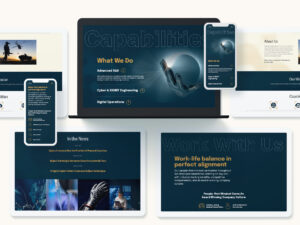
Discover the strategy that put Eqlipse on the map
Leveraging Digital Channels for Brand Promotion
In today’s digital age, leveraging online channels is essential for expanding brand reach and engagement. Defense companies can use digital marketing strategies to connect with stakeholders, showcase their capabilities, and reinforce their brand identity. This includes utilizing social media platforms, content marketing, and targeted advertising campaigns.
Content Marketing Strategies
Content marketing is a powerful tool for defense companies to demonstrate thought leadership and expertise. By producing insightful content that addresses industry trends and challenges, companies can engage their audience and build a strong online presence. Bluetext’s experience in content marketing can help defense companies create impactful content that resonates with their target audience.
Measuring the Impact of Branding Efforts
Measuring the success of branding efforts is crucial for continuous improvement and ensuring a positive return on investment. Defense companies should establish key performance indicators (KPIs) that align with their branding objectives, such as brand awareness, engagement metrics, and lead generation. Utilizing analytics tools can provide valuable insights into the effectiveness of branding strategies, allowing companies to refine their approach as needed.
Adapting to Evolving Market Dynamics
The defense industry is constantly evolving, with new technologies and geopolitical developments influencing market dynamics. Companies must remain agile and adaptable, continuously assessing and adjusting their branding strategies to stay relevant. By partnering with an experienced B2B marketing agency, defense companies can navigate these changes effectively and maintain a strong market presence.
Conclusion
In the defense marketing sector, effective branding is more than just a competitive advantage; it’s a necessity. By building a strong brand identity, aligning with industry priorities, and leveraging digital channels, defense companies can enhance their market position and foster trust with stakeholders. As a leading defense marketing agency, Bluetext is dedicated to helping companies achieve branding success. For expert guidance on strategy, branding, or campaign support, contact Bluetext today.
Recent Posts
Bluetext’s Recent Work