In today’s digital landscape, inbound marketing has become a cornerstone strategy for engaging both business-to-business (B2B) and business-to-government (B2G) audiences. Leading inbound agencies are leveraging innovative tactics to drive government engagement, creating impactful campaigns that resonate with public sector decision-makers. For marketing leaders, understanding how these agencies operate is crucial for developing effective strategies that address the unique challenges and opportunities within government sectors.
Understanding Inbound Marketing for Government
Inbound marketing is a methodology that focuses on attracting, engaging, and delighting audiences through valuable content and experiences tailored to them. In the context of government engagement, it involves crafting messages and content that address the specific needs and interests of government officials and agencies. This approach contrasts with traditional outbound marketing tactics, which often involve direct advertising and broad messaging.
Leading inbound agencies excel at customizing content to align with government priorities, such as compliance, transparency, and efficiency. By creating content that speaks directly to these concerns, agencies can build trust and establish authority within the public sector. This strategy is particularly effective when combined with data-driven insights that help agencies understand the unique landscape of government operations.
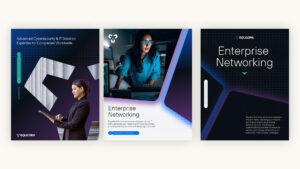
Break down the build behind Squadra’s new brand identity
The Role of Digital Channels in Government Engagement
Digital channels play a pivotal role in inbound marketing strategies aimed at government engagement. Platforms such as LinkedIn, industry-specific forums, and government-focused publications offer opportunities for agencies to connect with key decision-makers. These channels enable the dissemination of thought leadership content that can influence policy discussions and purchasing decisions.
Moreover, digital channels provide a measurable way to track engagement and adjust strategies in real-time. Agencies can analyze metrics such as click-through rates, engagement levels, and audience demographics to refine their approach. This level of insight is crucial for optimizing campaigns and ensuring that messaging resonates with government audiences.
Content Marketing as a Key Driver
Content marketing is at the heart of successful inbound strategies for government engagement. By producing high-quality content that addresses the pain points and goals of government entities, agencies can position themselves as valuable partners in problem-solving. This content may include white papers, case studies, webinars, and blogs that provide actionable insights and solutions.
The most effective content marketing strategies are those that are informed by deep industry knowledge and current trends. Agencies that stay ahead of the curve by understanding emerging issues in government sectors can craft content that not only informs but also influences decision-making processes. This proactive approach to content development is what sets the best inbound marketing agencies apart.
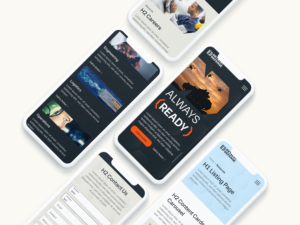
Trace the strategy we crafted for Detroit Defense that changed the game for their brand
Building Trust and Credibility
Trust and credibility are paramount when engaging with government audiences. Inbound agencies build these crucial elements by delivering consistent, accurate, and valuable content. Establishing a reputation as a reliable source of information can open doors to more meaningful interactions and partnerships with government agencies.
Furthermore, agencies can enhance their credibility by showcasing their expertise through thought leadership. Publishing articles, speaking at industry conferences, and contributing to policy discussions are ways agencies can demonstrate their understanding of government challenges and opportunities. By doing so, they can reinforce their position as leaders in the field of government marketing.
Innovative Campaign Strategies
Leading inbound agencies are continually exploring new and innovative campaign strategies to drive government engagement. From personalized email marketing campaigns to interactive webinars, these agencies are finding creative ways to capture the attention of government officials. By leveraging technology and data analytics, they can tailor their campaigns to specific government needs and objectives.
One such strategy involves the use of virtual events, which have become increasingly popular in recent years. These events offer a platform for agencies to showcase their solutions and engage with government audiences in a dynamic and interactive manner. Virtual events can be tailored to address specific topics or challenges, providing a valuable forum for discussion and collaboration.
Partnering with a Leading Inbound Agency
For organizations looking to enhance their government engagement efforts, partnering with a leading inbound agency can be a game-changer. Agencies like Bluetext offer a wealth of experience and expertise in crafting campaigns that resonate with government audiences. By leveraging their knowledge and resources, organizations can achieve greater impact and reach within the public sector.
At Bluetext, we specialize in developing customized inbound marketing strategies that address the unique needs of B2G audiences. Our team of experts is dedicated to helping clients navigate the complexities of government marketing, ensuring that their messages are heard by the right people at the right time. To learn more about how we can support your government engagement efforts, contact us today.
“`
Recent Posts
Bluetext’s Recent Work