As digital transformation continues to reshape industries, the future of website design and development is increasingly critical for B2B and B2G organizations. In today’s fast-paced digital landscape, a company’s website is not just a digital storefront but a powerful tool for engagement, conversion, and growth. For marketing leaders, understanding the evolving trends in website design and development is essential to staying competitive. This blog explores the future of web development and what B2B and B2G organizations need to know to remain at the forefront.
Embracing Responsive and Adaptive Design
The need for responsive and adaptive design has never been more pressing. With a growing number of users accessing websites via mobile devices, B2B and B2G companies must ensure their websites are fully optimized for all screen sizes. Responsive design ensures that a website’s layout automatically adjusts based on the user’s device, while adaptive design offers different layouts for different devices. These approaches improve user experience and increase engagement and conversion rates.
For organizations looking to optimize their digital presence, partnering with a leading website design agency can provide the expertise needed to implement these design strategies effectively.

Check out how we unified BigBear.ai’s brand identity
Integration of AI and Machine Learning
Artificial intelligence (AI) and machine learning are revolutionizing website design and development. These technologies enable personalization at scale, allowing websites to offer tailored content and experiences to individual users. AI-driven chatbots, predictive analytics, and dynamic content are becoming standard features that enhance user interaction and satisfaction.
B2B and B2G companies should consider integrating AI tools to analyze user behavior, predict future trends, and deliver a more customized experience. By leveraging these technologies, organizations can stay ahead of the competition and meet the ever-changing expectations of their audiences.
Prioritizing Website Security
With cyber threats on the rise, website security is a top priority for B2B and B2G entities. Secure Socket Layer (SSL) certificates, two-factor authentication, and regular security audits are essential components of a robust security strategy. Moreover, with increasing regulations such as GDPR, organizations must ensure compliance to avoid legal repercussions and build trust with their users.
Engaging with a specialized cybersecurity marketing agency can help organizations develop a comprehensive security framework that protects both the company and its clients.
The Rise of No-Code and Low-Code Platforms
No-code and low-code platforms are democratizing website development, allowing non-technical users to create and manage websites without extensive coding knowledge. These platforms accelerate the development process and reduce costs, making them attractive options for many B2B and B2G organizations.
While these platforms offer significant advantages, it’s crucial to evaluate their limitations and ensure they meet the specific needs of your organization. Collaborating with a professional Drupal development agency can provide the necessary expertise to balance ease of use with advanced functionality.
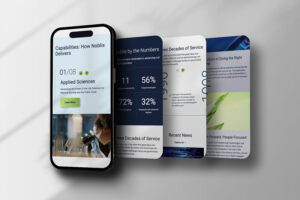
Dig into the work that helped Noblis own their space
Focusing on Accessibility and Inclusivity
Accessibility and inclusivity in web design are no longer optional; they are essential. Websites must be designed to accommodate users with disabilities, ensuring that all users have equal access to information and services. This includes implementing features such as screen reader compatibility, keyboard navigation, and text-to-speech options.
By prioritizing accessibility, B2B and B2G companies not only comply with legal requirements but also expand their audience reach. Engaging with an agency that understands the nuances of website localization and multilingual support can further enhance inclusivity and global reach.
The Importance of User Experience (UX) Design
User experience design is at the heart of successful website development. A well-designed UX can significantly impact user satisfaction and retention. This involves understanding user behavior, creating intuitive navigation, and ensuring fast load times.
For B2B and B2G organizations, investing in UX design translates into better engagement and higher conversion rates. Collaborating with a DC interactive web design firm can help refine the user experience, ensuring that websites are both functional and enjoyable to use.
Bluetext’s View
The future of website design and development is dynamic and filled with opportunities for innovation. B2B and B2G organizations that stay ahead of these trends will enhance their digital presence and drive business success. As technology continues to evolve, so too must the strategies employed by marketing leaders. For those looking to leverage the latest in design and development, partnering with experts is key. Contact Bluetext to explore how our strategic insights, branding expertise, and campaign support can elevate your organization’s digital strategy.
Recent Posts
Bluetext’s Recent Work