Prefer listening over reading? Check out the podcast version of this blog below and enjoy insights on the go!
Government markets do not behave like commercial categories. Federal buyers face different pressures, strict rules, and long decision cycles. That environment rewards brands that are clear, credible, and consistently visible where program managers, contracting officers, and integrators do their research. For growth leaders, aligning with a branding agency partner that knows the Beltway ecosystem can be the difference between being shortlisted and being invisible. This blog breaks down how Washington DC-based branding teams translate complex solutions into winning narratives, and why the right strategy can accelerate pipeline across civilian, defense, and state and local accounts.
Why Washington is a unique branding arena for government-facing companies
DC sits at the intersection of policy, procurement, and technology adoption. Media cycles are policy driven, not seasonal. Conferences anchor around budget milestones, not product launches. The best branding agency specialists understand these rhythms and plan campaigns around appropriations, RFP windows, and mission priorities. That proximity to agencies, systems integrators, and think tanks informs messaging that sounds like the buyer, not a vendor pitch.
Another differentiator is scrutiny. Government decision makers need proof. They want to see how a solution reduces risk, improves readiness, or strengthens compliance. A strong branding agency answers that need with quantified benefits, mission language, and validation from real deployments. It also manages the reputation dynamics of contracting, teaming, and transitioning from pilot to production.
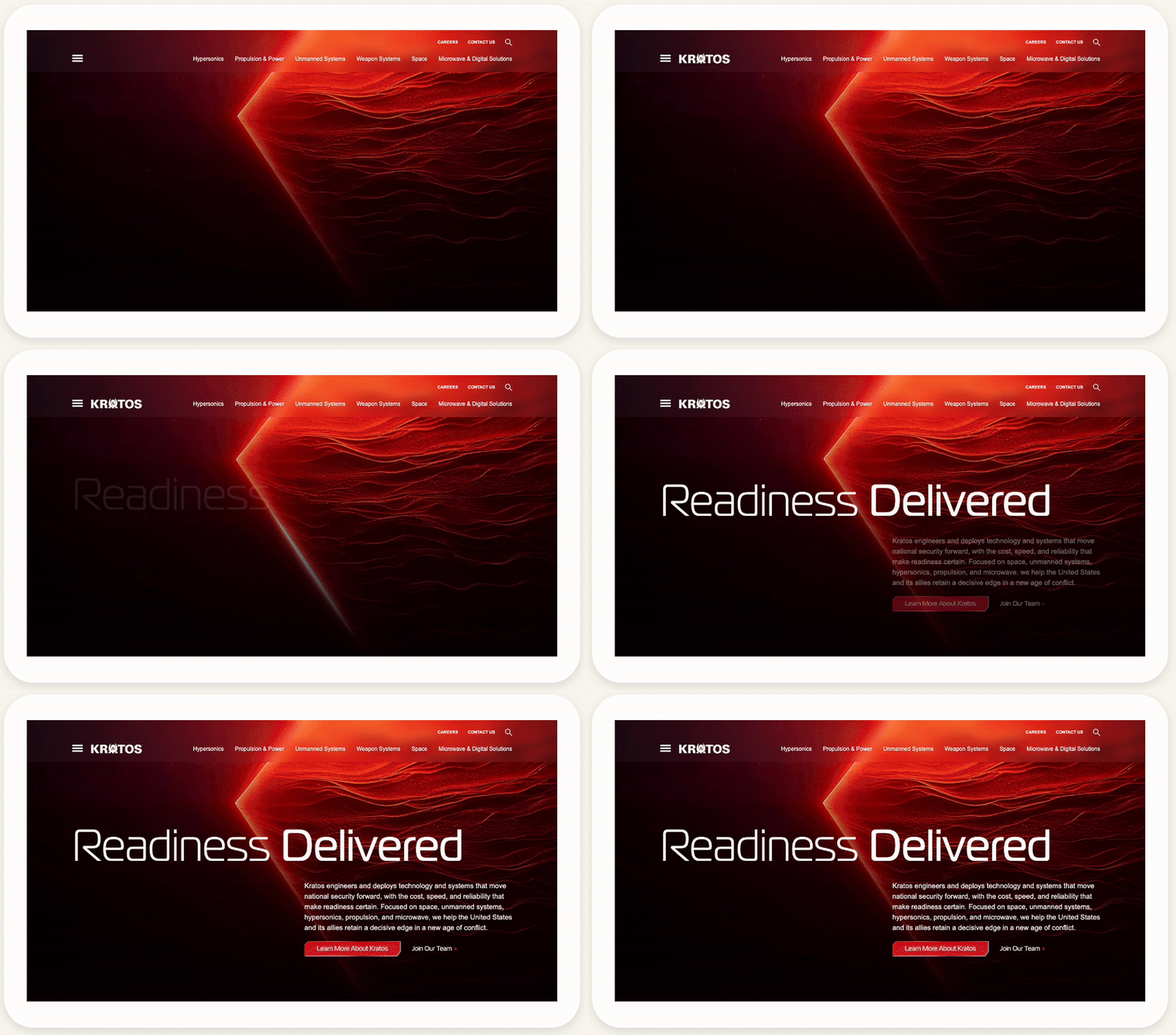
Check out our work with Kratos
What services should a branding agency provide for government markets?
Government marketing requires a precise blend of research, strategy, creative, and field activation. A capable partner brings an integrated stack designed for B2G realities. The following capabilities are foundational.
Buyer and competitive research built for B2G
Federal personas differ by agency and mission. A branding agency should conduct stakeholder interviews, competitive teardowns, and message testing with government audiences. The output should map to roles involved in procurements and define the narrative that will resonate with technical evaluators and business sponsors.
Messaging and positioning that speaks mission language
Great positioning simplifies complexity. It ties a capability to the outcomes that matter in a specific mission context. A seasoned branding agency will crystallize a value proposition that fits the FAR environment, prioritizes measurable impact, and avoids commercial buzzwords that can disqualify credibility with federal buyers.
Visual identity and brand systems that scale
Brand systems have to work across proposal covers, conference booths, digital ads, JIRA tickets, and secure portals. The right partner builds modular assets for consistency and speed. A branding agency should deliver toolkits for in-house and partner usage so teams can respond quickly without diluting the brand.
Digital and content programs aligned to procurement cycles
Content must anticipate market education, market research, and RFP release. A branding agency plans editorial calendars around budget cycles and mission priorities. It publishes explainers, solution briefs, and case studies that match the questions buyers will ask at each stage of acquisition.
Public relations and thought leadership in the right venues
Policy and mission media set the conversation in DC. A strong partner knows how to win coverage with the outlets, associations, and forums that matter. A branding agency also equips spokespeople to address mission outcomes, zero trust mandates, or supply chain risk with authority and clarity.
How federal procurement changes the branding playbook
Federal acquisition rules redefine the funnel. Many touchpoints will be invisible until the market research phase. This reality places outsized importance on category leadership and discoverability. A branding agency pivots away from pure demand capture to sustained thought leadership that shifts buyer beliefs well before an RFI. It also equips business development with brand-aligned capabilities statements and past performance narratives that can be plugged into proposals without rework.
Moreover, teaming is routine. Your brand has to coexist within primes and partner ecosystems. The best branding agency creates messaging frameworks flexible enough for joint pursuits and produces co-branded assets that still read as yours. Finally, the post-award moment matters. Kickoff communications, task order updates, and change management all shape the perception of performance for future recompetes.
A proven path to market with a branding agency
Entering or expanding in the public sector benefits from a stepwise approach that reduces risk and accelerates adoption.
- Clarify growth thesis. Define which agencies, use cases, and contract vehicles will drive revenue. A branding agency can ground this thesis in mission demand signals and competitive whitespace.
- Codify positioning. Document a primary narrative, proof points, and use cases aligned to target programs. Create messaging for technical and executive personas.
- Build the assets that win meetings. Produce a fast, compliant website section, solution briefs, and a capabilities deck. A branding agency ensures brand coherence and compliance-ready claims.
- Activate thought leadership. Launch a quarterly content series around mission outcomes. Pair it with PR and conference tactics to maximize visibility in DC.
- Enable BD and capture. Provide proposal language libraries, one-pagers for teaming, and executive leave-behinds. The branding agency maintains a version-controlled repository to speed pursuits.
- Measure and refine. Track share of voice, qualified meetings, pipeline influenced, and win themes. Iterate messaging and creative based on real buyer signals.
What makes positioning resonate with federal buyers
Positioning must answer three questions quickly: why change, why now, and why you. A great branding agency crafts these answers for a mission buyer, not a generic CIO. The best narratives quantify risk avoided, costs saved, or readiness gained, and back claims with past performance and third-party validation. They also avoid product-first language. Instead, they lead with mission outcomes and show how technology enables them.
Proof points federal stakeholders trust
- Documented measurable results tied to program KPIs
- Authority-to-operate or compliance milestones achieved
- Adoption by peer agencies or integrators
- Independent testing and accreditation
A branding agency will fold these proof points into every asset, so reviewers see evidence everywhere they look.

Check out our work with Aechelon
Content strategy that aligns with the federal decision journey
Content should guide buyers from awareness to acquisition without triggering vendor fatigue. Start with mission explainers, move to solution architectures, then publish deployment playbooks. A seasoned branding agency sequences content by persona and procurement phase. It also repurposes assets to extend reach across owned, earned, and paid channels.
Search visibility is essential. Federal researchers use commercial tools to find vendors and frameworks. Optimized pillar pages and briefs increase discoverability for mission terms and compliance queries. For a deeper dive into building a credible brand foundation, review Bluetext’s perspective on brand strategy agencies and how strategy translates to execution across channels.
Digital experiences designed for compliance and conversion
Your website is often the first filter for credibility. It must be easy to navigate, fast, accessible, and stocked with the content evaluators want. A branding agency will build information architecture around mission solutions, use cases, and contract vehicles. It will also add gated and ungated options for briefs and past performance to accommodate security-minded visitors.
Speed to content matters. Evaluators do not hunt through menus. Place capabilities summaries, NAICS codes, UEI identifiers, and points of contact within one click. Pair that with high-contrast design for accessibility and fast load times for secure networks. For examples of platform execution and best practices, explore Bluetext’s website design and development work and how structure supports conversion in complex buying groups.
Integrating brand with PR, events, and ABM
PR lifts credibility. Events compress the sales cycle. Account-based marketing connects the dots. A branding agency integrates these functions under a single narrative. It aligns PR hooks with the content calendar, builds event themes that translate into demos and workshops, and targets ABM outreach by account and program. The result is a buyer experience where every touch feels consistent and cumulative.
In DC, conferences remain critical. Plan your presence so the booth, speaking sessions, and private meetings reinforce one storyline. A branding agency will design assets that carry through from pre-event outreach to on-site engagement and post-event follow-up. It will also coordinate partner amplification when teaming is involved.
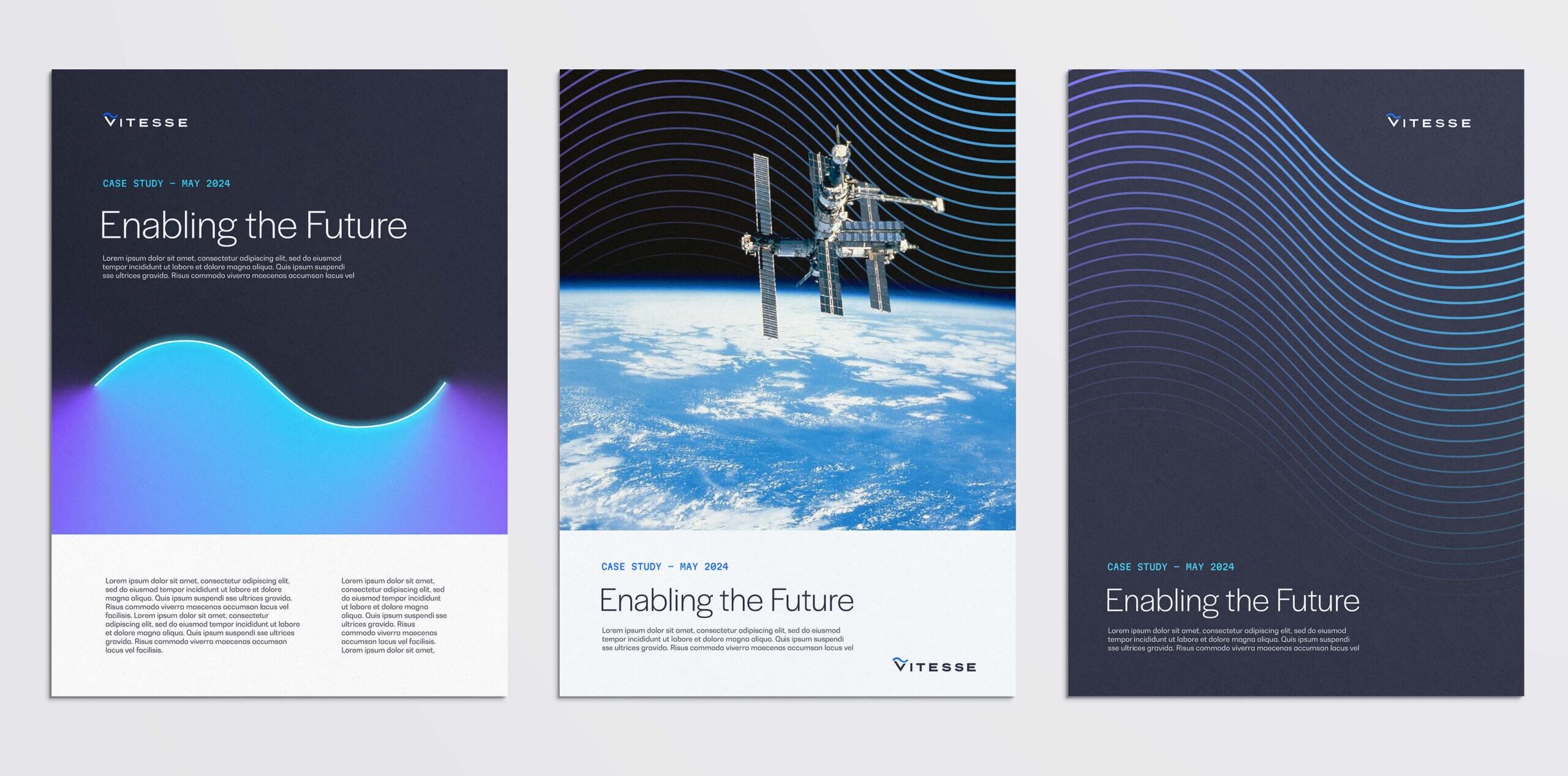
Check out our work with Vitesse
Measurement that proves impact for leadership
Government marketing requires patience, but leaders still need near-term signals. Define a measurement stack that blends brand and pipeline. A branding agency should track:
- Share of voice in mission-specific media and analyst coverage
- Growth in qualified federal web traffic and engagement
- Influenced opportunities, pursuits supported, and win rates
- Message pull-through in RFIs, Q and As, and debriefs
Regular readouts connect creative decisions to capture outcomes. This transparency builds organizational confidence in brand investments and guides budget allocation as programs move through the funnel.
How to evaluate and select a branding agency
Selection criteria should mirror the demands of B2G. Look for a portfolio that proves government fluency and category breadth. Ask for examples of messaging that translated into wins. Confirm the team understands compliance, security, and the realities of working with BD and capture. The best fit will feel like a partner to sales, not just a creative vendor.
Dig into operational discipline. A reliable branding agency will run structured research, use version control for proposal language, and map milestones to acquisition timelines. It will also bring a bench with PR, content, UX, and motion design so strategy and execution stay integrated. For teams seeking an end-to-end partner, Bluetext’s focus on public sector branding and campaigns demonstrates how integrated programs drive measurable outcomes.
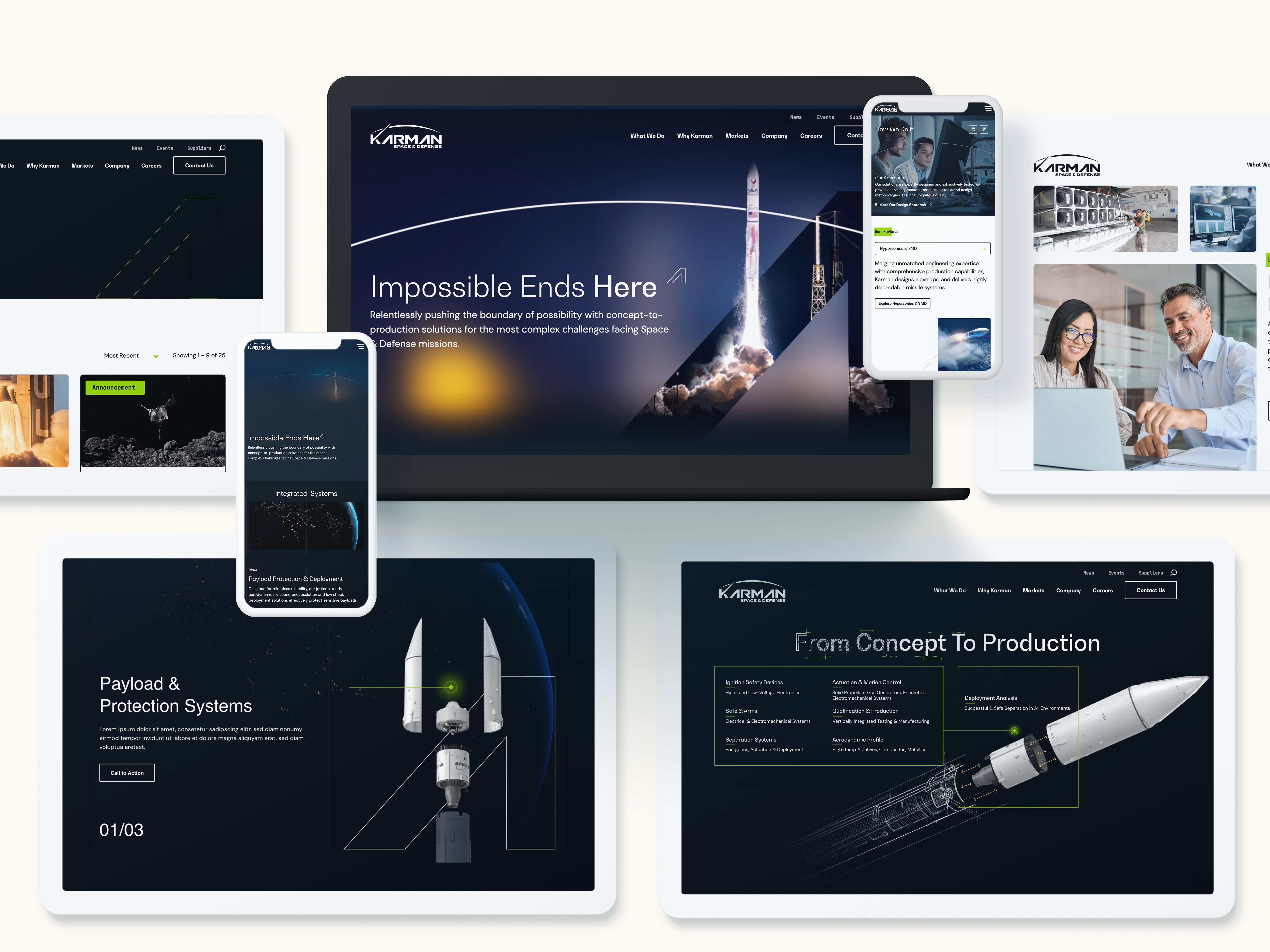
Check out our work with Karman Space & Defense
Avoid these common pitfalls in government branding
Several mistakes slow momentum in federal markets. First, leading with product features. Mission buyers need outcomes and risk reduction. Second, pushing gated content too early. Many federal devices and policies limit form fills, so ensure a path to value without gates. Third, overlooking teaming narratives. A branding agency should prepare stories that show how your capability expands the value of a prime’s solution. Finally, treating events as one-offs. The best programs use events as anchors in a broader content and ABM plan.
Trends reshaping the DC branding landscape
Zero trust, AI adoption, and supply chain resilience continue to dominate agendas. Brands that show real implementation maturity will lead. Accessibility and performance expectations are rising due to federal digital experience guidelines. A skilled branding agency is investing in design systems, content automation, and analytics tied to account intelligence. Video and motion graphics now carry a larger share of the story, especially in pre-solicitation education and stakeholder briefings.
On the media front, mission-focused newsletters, communities, and podcasts offer focused reach. Content must be skimmable and credentialed. A great branding agency tunes tone and format for each channel while maintaining message integrity.
Why Bluetext is built for B2G growth
Bluetext partners with innovators across cybersecurity, defense, AI, and critical infrastructure to help them win in government markets. Our teams blend research, positioning, and award-winning creative with deep capture support and PR. Leaders choose us when timelines are tight and the bar for quality is high. Explore how our B2G content and digital marketing experts structure programs that balance brand lift and pipeline impact, and why federal marketing requires a specialized approach that is different from commercial demand generation.
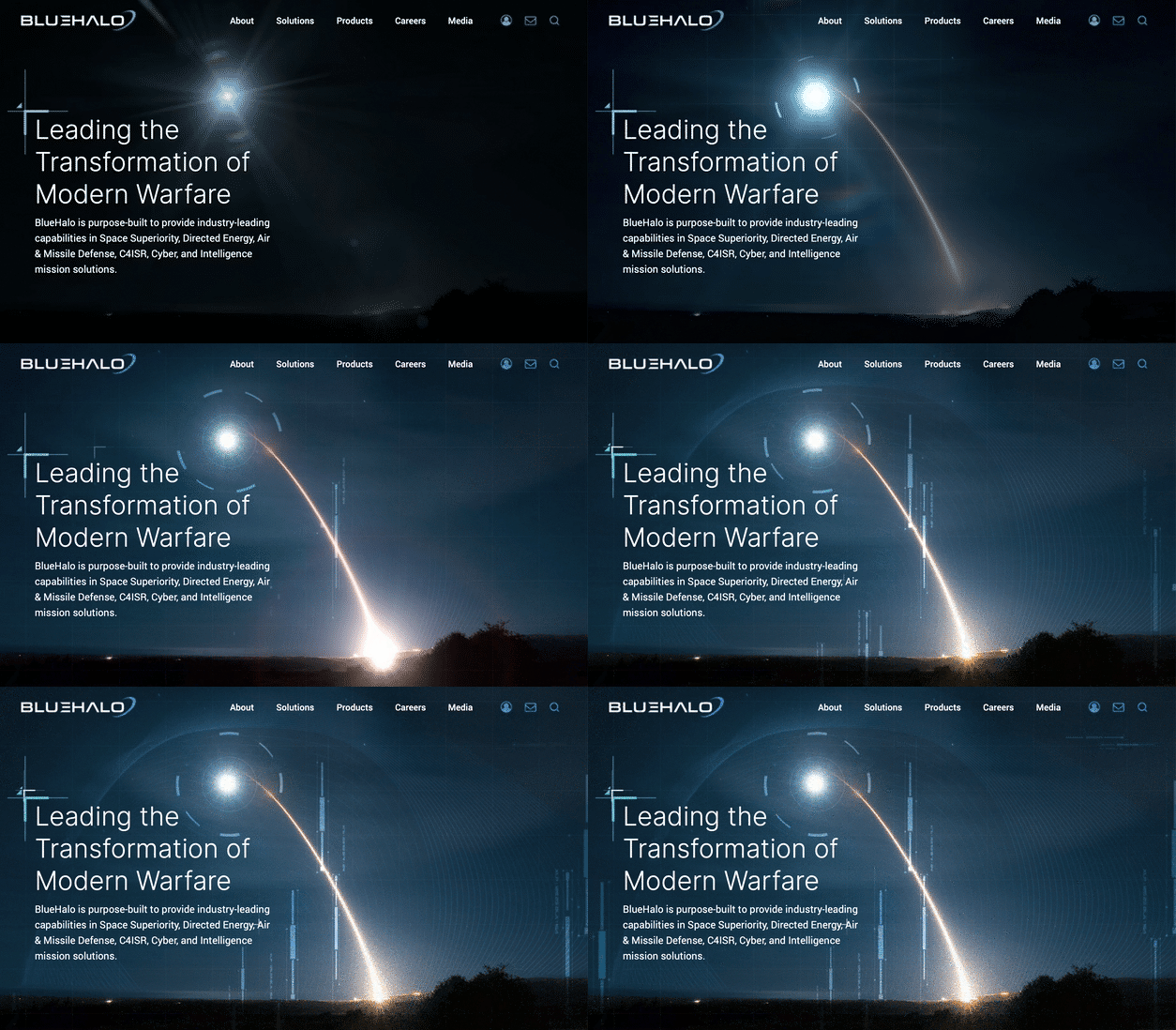
Check out our work with BlueHalo
Getting started with a branding agency: a 90-day action plan
Momentum comes from clarity and cadence. The first 90 days should focus on proof, speed, and alignment.
- Weeks 1 to 2: Run rapid discovery with BD, capture, and solution leads. A branding agency synthesizes buyer insights, win themes, and competitive dynamics.
- Weeks 3 to 4: Finalize positioning and produce a messaging guide. Build a creative brief and asset roadmap.
- Weeks 5 to 8: Launch a refreshed website section, capabilities deck, and two solution briefs. Integrate with PR and event plans.
- Weeks 9 to 12: Publish a mission-focused content series and activate ABM targeting priority accounts and programs. Begin monthly reporting on influence and engagement.
By day 90, you should see improved discoverability, consistent conversation across teams, and higher quality meetings. A branding agency will continue to optimize based on actual buyer behavior, debriefs, and evolving mission priorities.
Next step for growth leaders
Brands that win in government markets combine rigor, relevance, and repetition. They speak mission, show proof, and show up where it counts. If you are evaluating a branding agency to elevate your presence across federal, defense, and state and local buyers, Bluetext is ready to help. Explore how we translate complex solutions into simple, credible narratives and deploy them across digital, PR, events, and capture. Visit our overview of DC digital branding for more context, then contact Bluetext to start a conversation about your goals, timeline, and what success looks like for your team.
Recent Posts
Navigating SEO Challenges in the Cybersecurity Sector
Washington DC Web Design: Leveraging Trends for Competitive Advantage
Bluetext’s Recent Work