Experiential marketing has emerged as a transformative force in the world of branding, providing companies with innovative ways to connect with their audiences. For top brand agencies, this approach is not just a trend but a strategic necessity. By creating immersive experiences, brands can engage consumers on a deeper level, fostering loyalty and driving conversions. In this article, we explore the rise of experiential marketing and its significance for both B2B and B2G markets.
What Is Experiential Marketing?
Experiential marketing is a strategy that focuses on creating memorable experiences for consumers rather than just promoting a product or service. It involves direct engagement, often through interactive events, pop-up shops, or virtual reality experiences, allowing consumers to experience a brand in a tangible and emotional way. This method helps brands stand out in a crowded marketplace by building a personal connection with their audience.
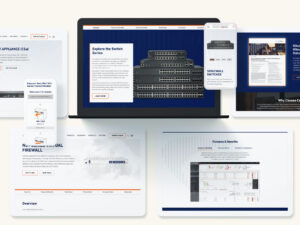
Step inside how we engineered an immersive event activation for SonicWall
Why Top Brand Agencies Are Embracing Experiential Marketing
Top brand agencies are integrating experiential marketing into their strategies because it aligns with consumer demand for authenticity and engagement. Traditional advertising methods are losing their effectiveness as consumers become more discerning and selective. Experiential marketing offers a solution by creating genuine interactions that resonate with consumers on a personal level. By leveraging technology and creativity, agencies can design experiences that are not only memorable but also measurable, providing valuable insights into consumer behavior.
The Role of Technology in Experiential Marketing
Technology plays a crucial role in the execution of experiential marketing campaigns. From virtual reality and augmented reality to interactive displays and mobile apps, technology enables brands to create immersive experiences that captivate audiences. For example, virtual reality can transport users to a different environment, allowing them to interact with a product in a unique way. This technological integration not only enhances the consumer experience but also provides brands with data-driven insights to refine their strategies.
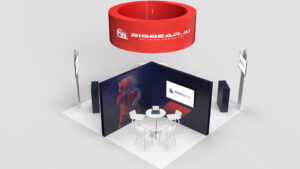
Walk through how we elevated BigBear.ai’s trade show presence to drive floor engagement
Case Studies in Experiential Marketing
Many top brand agencies have successfully implemented experiential marketing campaigns that demonstrate its potential. For instance, Bluetext has worked with clients across various industries to create impactful experiences that engage audiences and drive results. These campaigns often involve a blend of digital and physical elements, showcasing the versatility and effectiveness of experiential marketing. To see some of our successful projects, visit our portfolio.
Challenges and Opportunities in Experiential Marketing
While experiential marketing offers numerous benefits, it also presents challenges. Creating a cohesive and impactful experience requires significant planning, creativity, and resources. Moreover, measuring the success of these campaigns can be complex, as traditional metrics may not apply. However, the opportunities for innovation and differentiation make it a worthwhile investment for brands looking to enhance their market presence.
The Future of Experiential Marketing
As consumer expectations continue to evolve, experiential marketing is poised to play an even more significant role in branding strategies. The integration of emerging technologies such as AI and IoT will further enhance the ability of brands to create personalized and interactive experiences. For B2B and B2G markets, experiential marketing offers a unique opportunity to build relationships and communicate complex messages in an engaging way.
In conclusion, experiential marketing represents a powerful tool for top brand agencies aiming to differentiate their clients in an increasingly competitive landscape. By focusing on creating meaningful experiences, brands can foster deeper connections with their audiences, ultimately driving loyalty and growth. If you’re interested in exploring how experiential marketing can elevate your brand, contact Bluetext for expert strategy, branding, and campaign support.
Recent Posts
How Leading Inbound Marketing Companies Enhance ROI
The Impact of B2B Branding Agencies on Emerging Markets
Bluetext’s Recent Work