Prefer listening over reading? Check out the podcast version of this blog below and enjoy insights on the go!
A strong brand does more than look good. It clarifies who you are, why you matter, and why the right customers should choose you. In competitive B2B and technology-driven markets, branding often determines whether a company stands out or blends in.
That makes choosing the right branding partner a critical decision. The agency you select will influence how your business is perceived by buyers, investors, employees, and partners for years to come. Yet many organizations underestimate what true alignment looks like and focus too narrowly on visuals or cost.
Whether you are evaluating a DC branding agency for proximity and market familiarity or searching for a specialized B2B branding agency with deep technical experience, the right partner should understand your vision and know how to translate it into a brand that supports growth.
What Brand Alignment Really Means
Brand alignment goes far beyond agreeing on a color palette or logo style. True alignment means your branding partner understands your business objectives, your market dynamics, and the challenges your audience faces. It shows up in how strategy informs every creative decision, from messaging and naming to visual identity and digital experience.
An aligned agency will ask thoughtful questions early in the process. They will want to understand where your business is headed, not just where it is today. This includes your growth plans, competitive pressures, and how success should be measured after launch.
When alignment is missing, branding efforts often feel disjointed. Messaging becomes vague, design choices lack purpose, and the brand struggles to support sales and marketing efforts. Alignment ensures the brand works as a strategic asset rather than a surface-level refresh.
Key Traits to Look for in a Branding Partner
Not all agencies approach branding with the same level of rigor. As you evaluate potential partners, there are several traits that consistently distinguish effective branding agencies from transactional vendors.
First, look for strategic depth. A strong branding partner understands that branding exists to support business outcomes, not just aesthetics. They should be able to explain how their work will help you differentiate, communicate value, and scale.
Second, experience matters, particularly in complex markets. A B2B branding agency with experience in technology, cybersecurity, or regulated industries will be better equipped to navigate nuanced messaging, long sales cycles, and multiple stakeholders. Similarly, a tech branding agency should be fluent in translating sophisticated offerings into clear, compelling narratives.
Finally, evaluate how the agency collaborates. Branding is rarely successful when it is done in isolation. The best partners are structured, transparent, and adaptable, with processes that invite stakeholder input while maintaining momentum and focus.
Questions to Ask About Brand Strategy
Before reviewing creative work, it is important to understand how an agency approaches strategy. Brand strategy forms the foundation for everything that follows, and weak strategy often leads to underperforming brands.
Ask how the agency defines positioning and differentiation. They should be able to articulate how your brand will occupy a distinct space in the market and why that position is defensible. You should also ask how they incorporate customer insights, competitive analysis, and internal perspectives into their strategy work.
Another important question is how brand strategy supports revenue. A strong branding partner understands how brand decisions affect sales enablement, demand generation, and buyer confidence. Strategy should not live in a vacuum. It should inform messaging, content, digital experiences, and how your teams communicate consistently.
Evaluating Naming Capabilities
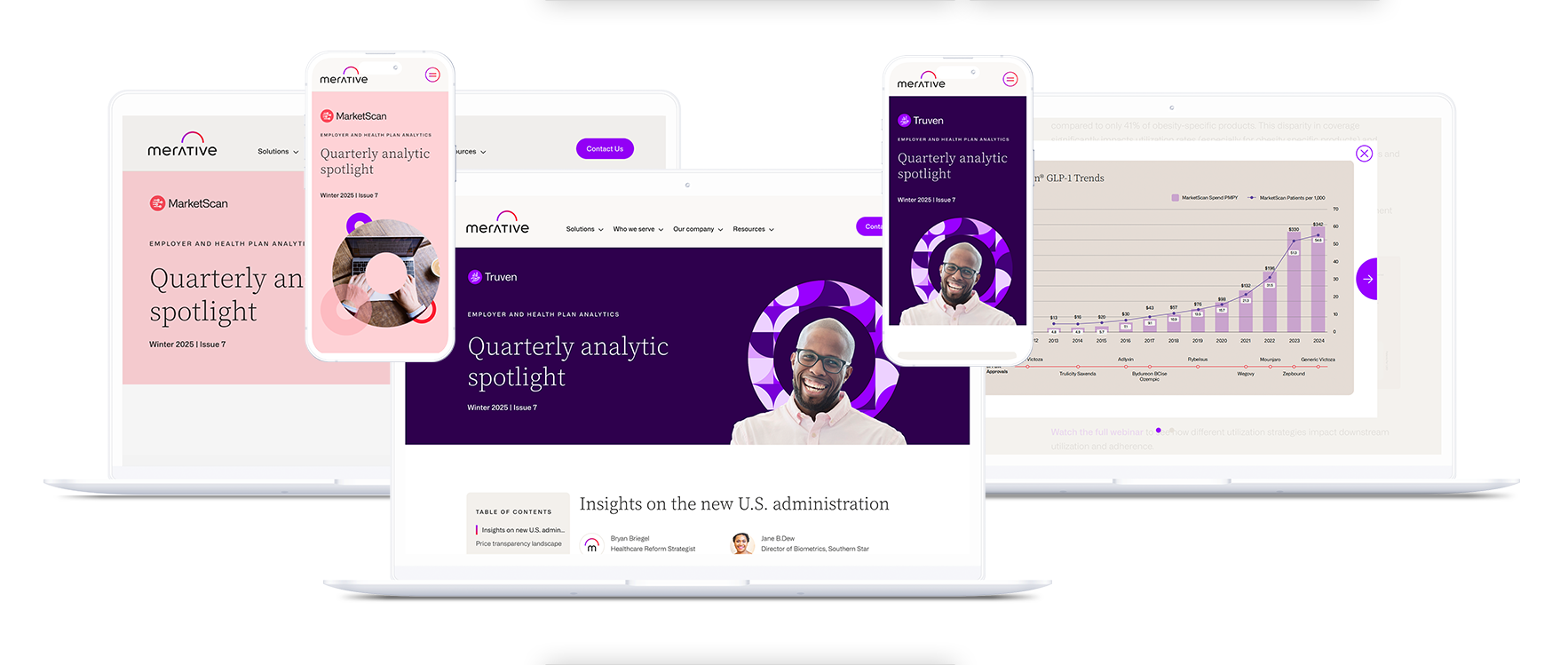
Naming is one of the most high-impact branding decisions a company can make, especially for B2B and technology organizations. A name sets expectations, shapes perception, and influences memorability in crowded markets.
When evaluating an agency’s naming capabilities, ask about their process. A thoughtful naming approach balances creativity with practicality and strategic intent. It should account for brand architecture, future offerings, and market expansion, rather than focusing only on what sounds appealing today.
You should also ask how legal and linguistic considerations are handled. While agencies are not legal counsel, experienced branding partners understand how to screen names effectively and collaborate with legal teams to minimize risk. Naming should feel deliberate and future-ready, not rushed or reactive.
What to Look for in Logo Design and Visual Identity
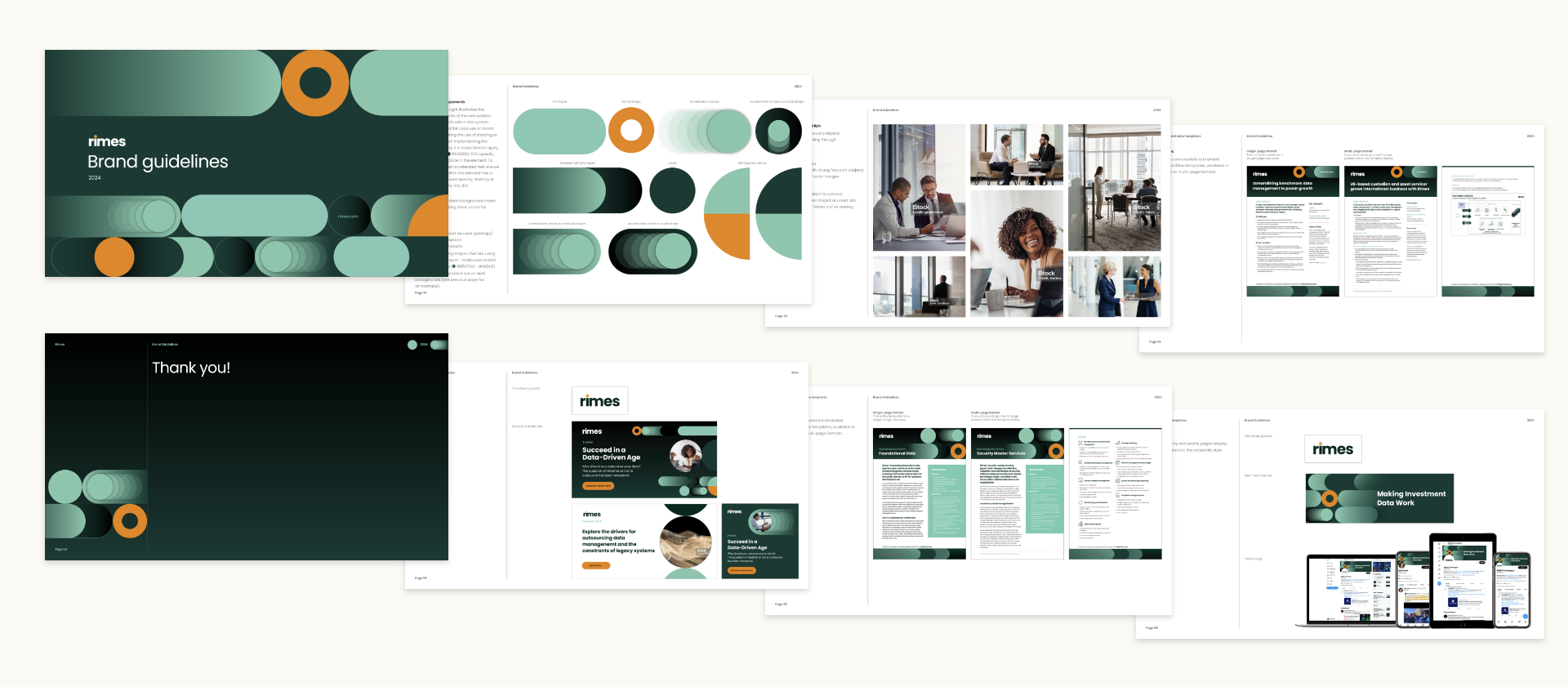
Visual identity is often the most visible expression of a brand, but it should never exist independently of strategy. A logo and visual system should reinforce positioning, support recognition, and scale across channels and use cases.
As you review an agency’s design work, look for clarity and consistency. Strong visual identities are flexible systems, not one-off designs. They work equally well across digital platforms, presentations, trade show environments, and marketing campaigns.
It is also important to assess whether the agency designs with longevity in mind. Trend-driven visuals may look compelling in the short term but can quickly feel dated. A strong branding partner focuses on creating systems that endure and evolve alongside the business.
Understanding the Agency’s Process and Collaboration Model
Process is often overlooked, yet it is one of the clearest indicators of how successful a branding engagement will be. A defined process provides structure, manages risk, and ensures strategy informs execution at every stage.
Ask how the agency structures discovery, strategy, and creative development. You should understand when and how stakeholders will be involved, how feedback is incorporated, and how decisions are ultimately made. Transparency around timelines and responsibilities helps prevent misalignment and frustration.
Collaboration style matters as well. The best branding partners strike a balance between listening closely and providing confident guidance. They are comfortable challenging assumptions when necessary and can explain the rationale behind their recommendations clearly and constructively.
Why Industry Experience Matters, but Perspective Matters More
Industry experience can be a significant advantage, particularly for organizations operating in complex or regulated markets. A DC branding agency, for example, may bring valuable familiarity with government-adjacent audiences, procurement environments, and credibility requirements.
That said, experience alone is not enough. Agencies that rely too heavily on industry templates may struggle to create truly differentiated brands. The most effective partners combine domain expertise with fresh perspective, applying proven frameworks while avoiding formulaic thinking.
When evaluating agencies, look for evidence that they can adapt their approach to your specific context. Case studies should demonstrate strategic thinking, not just surface-level familiarity with similar industries.
Signs You Have Found the Right Branding Partner
Alignment becomes clear when you pay attention to how an agency engages with your team. The right partner will ask insightful questions that challenge your assumptions and clarify priorities. They will demonstrate a clear understanding of your business and articulate your value proposition in ways that resonate.
You should also feel that the agency is invested in your long-term success, not just the immediate project. Strong branding partners think beyond launch and consider how the brand will be activated, governed, and evolved over time.
Ultimately, trust is a key indicator. When strategy, process, and communication align, collaboration feels productive and focused rather than reactive or transactional.
Choosing a Partner That Grows With You
Branding is not a one-time exercise. It is a long-term investment that shapes how your organization is perceived as it grows and changes. Choosing the right branding partner means finding an agency that understands your vision today and can help you adapt tomorrow.
Whether you are seeking a specialized tech branding agency, an experienced B2B branding agency, or a DC branding agency with regional and regulatory insight, alignment should be the deciding factor. The right partner will help you build a brand that not only stands out, but stands the test of time.
If you are evaluating branding partners and want a strategic perspective grounded in business outcomes, Bluetext helps organizations define, design, and activate brands built for growth. Contact us today to learn more.
Recent Posts
Top Strategies DC Agencies Use to Enhance B2G Engagement
How Brand Management Companies Are Adapting to AI Trends
Why B2G Companies Need a Corporate Branding Agency Now
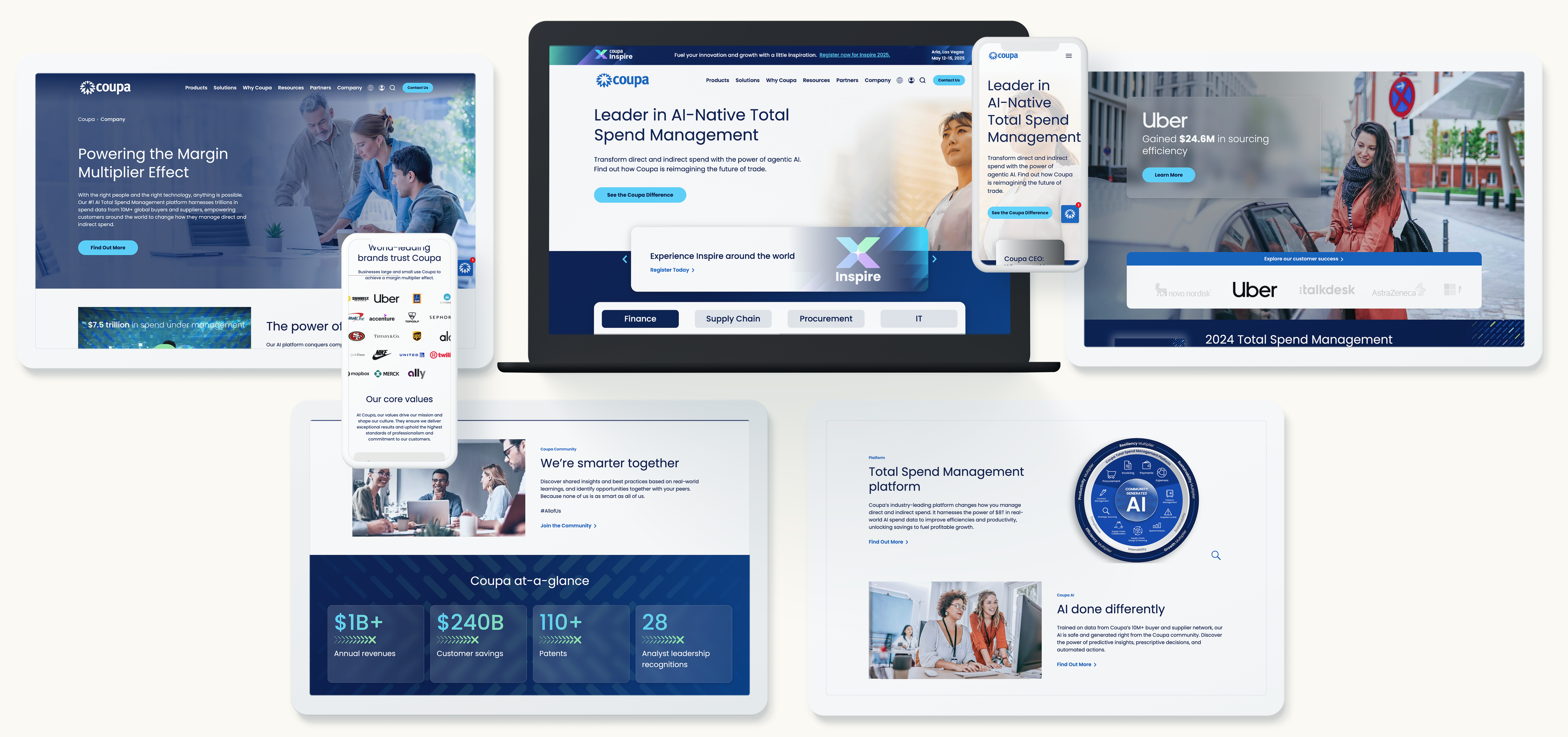
Bluetext’s Recent Work