Technology is rewriting the rules of market differentiation, sales velocity, and stakeholder trust. Strategy still determines where to play and how to win, but execution increasingly depends on data pipelines, connected platforms, and creative that adapts in real time. This is why Washington DC marketing firms have become catalysts for growth across B2B and B2G. They sit at the crossroad of policy, procurement, and product innovation, pairing enterprise-grade strategy with the tools to deliver measurable outcomes. For executive teams tasked with capturing share in complex ecosystems, Washington DC marketing firms like Bluetext offer a pragmatic path to align positioning, pipeline, and performance.
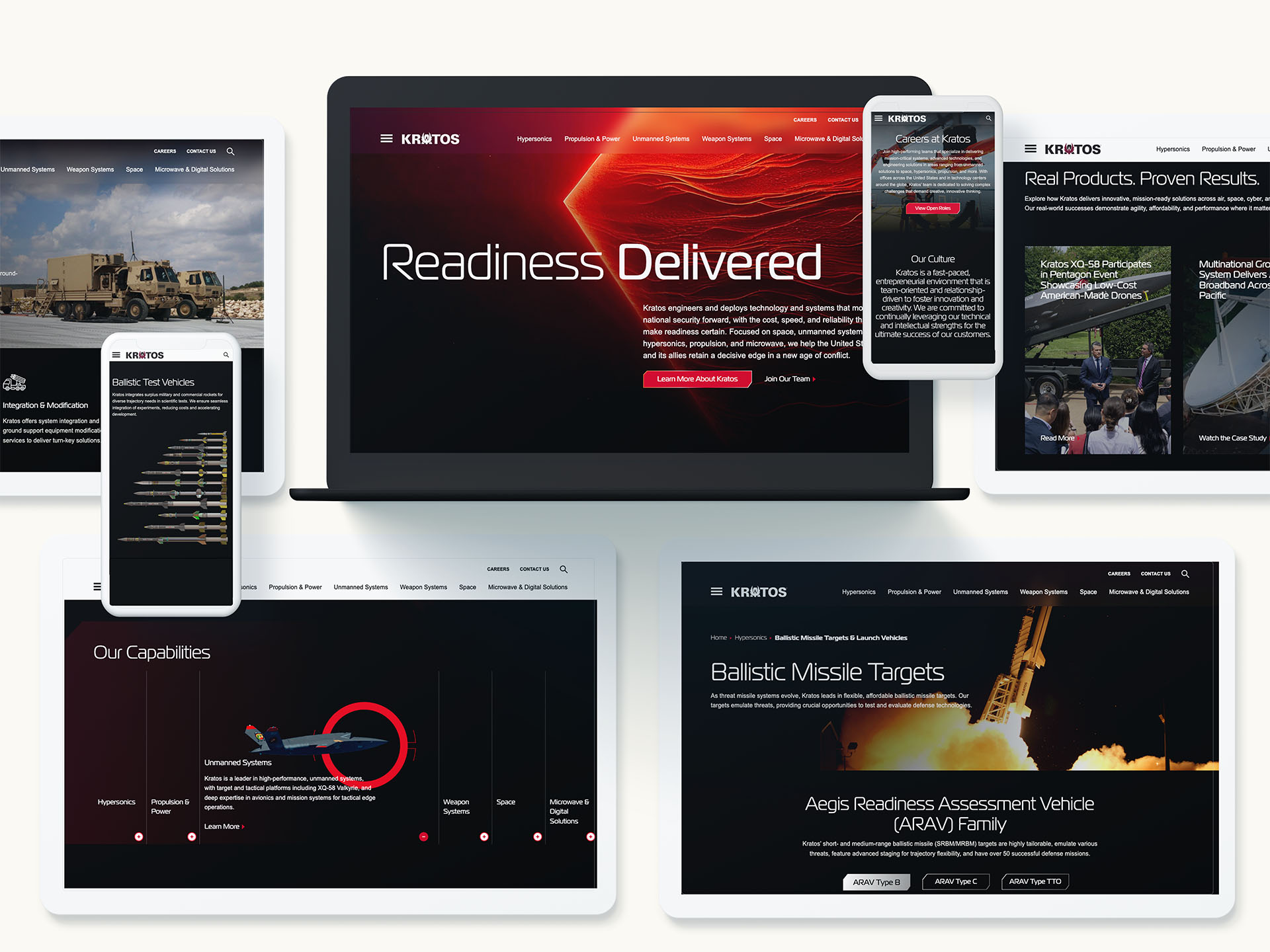
Check out our work with Kratos
What sets DC-based firms apart in B2B and B2G
While many agencies claim integrated capabilities, Washington DC marketing firms are built around realities that other markets rarely face. They operate in sectors where credibility is a currency, compliance is a given, and purchase decisions involve committees with technical, legal, finance, and mission stakeholders. That environment demands a discipline that blends category expertise, analyst-informed messaging, and marketing operations that can withstand scrutiny from procurement and security teams.
Proximity matters. Washington DC marketing firms track shifts in regulation, funding cycles, and agency priorities, then translate them into audience insights and demand plays. The result is strategy that connects big themes like modernization, cybersecurity resilience, or AI governance to tightly defined solution narratives and programs that move pipelines forward.
Understanding procurement cycles and buying committees
Federal and regulated market opportunities often move through long cycles with hard gates. Washington DC marketing firms design content, events, and outreach that match each step, from early market research and draft RFPs to post-award adoption. Instead of generic nurture, you get precise engagement plans aligned to program milestones, teaming dynamics, and influencer maps inside agencies or Fortune 1000 buyers.
Compliance, accessibility, and security by design
Trust is nonnegotiable in public sector and critical infrastructure. Leading Washington DC marketing firms build creative and digital experiences with accessibility and privacy in mind. That includes Section 508, WCAG conformance, data minimization, and tight governance for marketing tech stacks. Content is vetted for factual rigor and defensible claims, reducing risk while accelerating approvals.
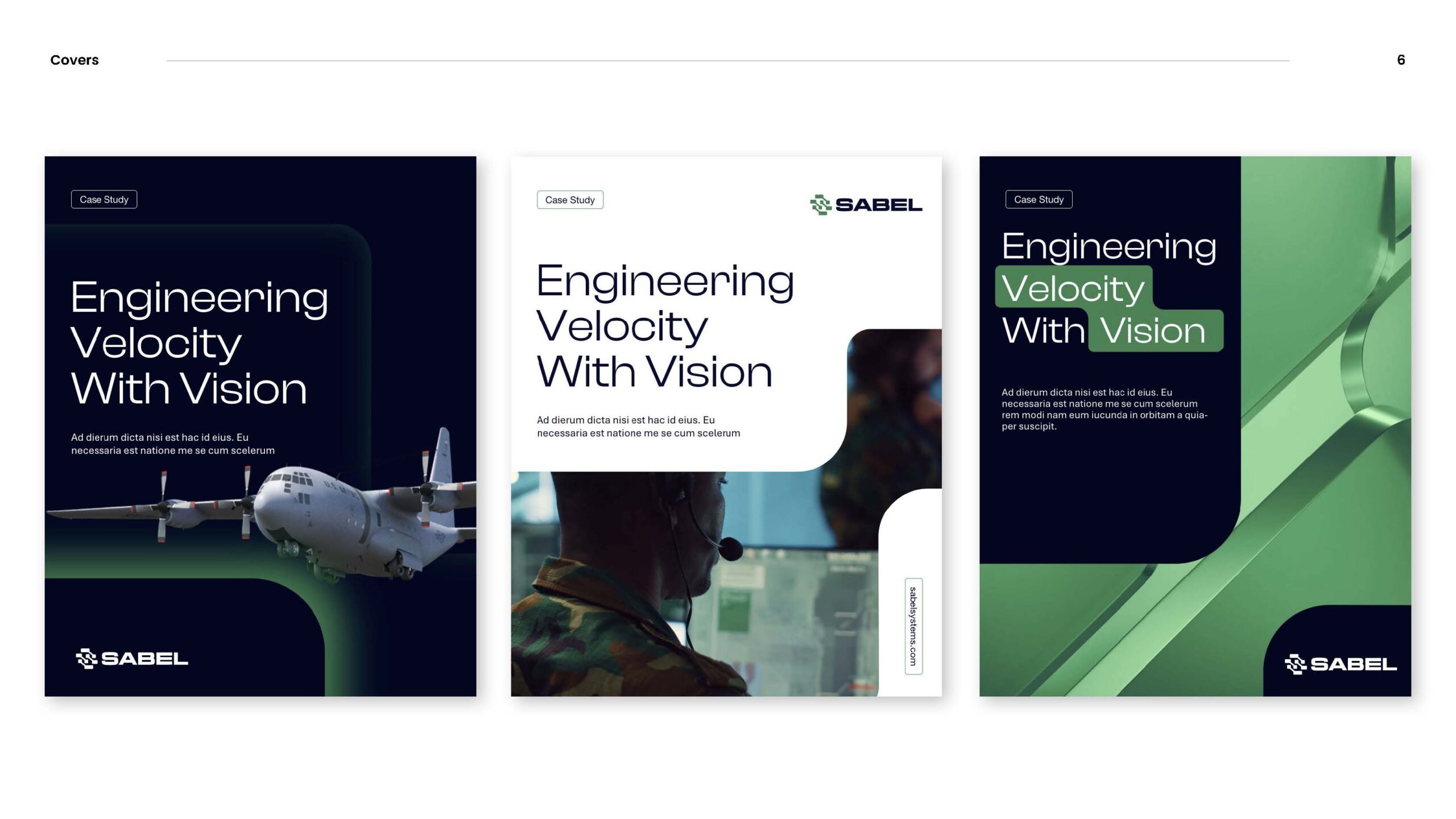
Check out our work with Sabel Systems
How DC firms bridge technology and strategy
Bridging technology and strategy starts with the operating model. Washington DC marketing firms connect executive positioning with the pipelines, dashboards, and creative systems that turn strategy into outcomes. The work spans insight, architecture, activation, and optimization.
From data strategy to activation
Strong programs start with an evidence base. Audience segmentation leverages intent data, CRM signals, and program performance to isolate segments that match growth priorities. Washington DC marketing firms then map those segments to message frameworks, content architectures, and channel mixes. Activation plans coordinate paid, owned, earned, and field motions so each touch speeds consensus across technical and business buyers.
Integrating martech with sales orchestration
Campaigns perform when tech stacks are aligned. Washington DC marketing firms support their clients by standardizing taxonomies, defining UTM governance, and integrating marketing automation with CRM. That creates reliable attribution and shortens time to insight. The best partners can pivot budgets within a quarter based on real performance, feeding wins back into content and creative for compounding returns.
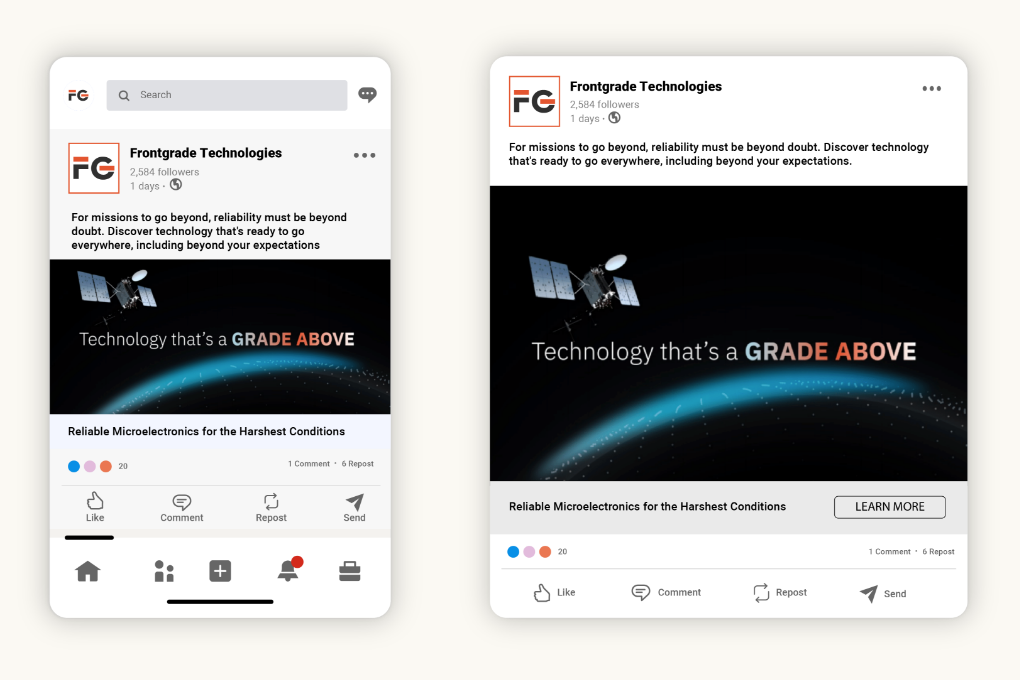
Check out our work with Frontgrade
Positioning that accelerates complex deals
In categories like cybersecurity, data platforms, logistics, healthcare, and national security, differentiation is not about louder claims. It is about clarity, use cases, and proof. Washington DC marketing firms develop messaging that speaks to mission outcomes and business impact, then show the math with case stories, demos, and third-party validation. Executives see the connection between the brand promise and pipeline progression in high-value accounts.
Thought leadership that earns trust
Senior audiences do not want product brochures dressed up as insights. Washington DC marketing firms build editorial programs that tackle policy shifts, technical tradeoffs, and operational realities. The approach often includes research-backed reports, C-level roundtables, and targeted media programs that position leaders as stewards of change. Over time, this thought leadership becomes a flywheel for account-based marketing and partner enablement.
Account-based marketing for enterprise and public sector
ABM succeeds when strategy, content, and operations move in unison. Washington DC marketing firms help their clients orchestrate tiered programs from one-to-one to one-to-few motions. Each account’s strategy aligns to the opportunity landscape, decision criteria, and competitive dynamics. Content is personalized at the problem level, not just the logo level, so every touch adds substance and momentum.
Field, events, and briefing centers
In-person engagement still drives trust in high-stakes markets. Washington DC marketing firms design executive briefings, roadshows, and tradeshow strategies that amplify thought leadership and turn meetings into next steps. Tight coordination with SDR and capture teams ensures fast, relevant follow-up. The output is pipeline, not just presence.

Search visibility as a revenue lever
Organic visibility is the first conversion for many decision makers. Washington DC marketing firms treat SEO and AEO as a strategic capability, not a checklist. Work includes intent-aligned keyword portfolios, technical audits, and content hubs that answer executive questions and practitioner needs. Measurement ties rankings and traffic to meaningful conversions and late-stage influence, not vanity metrics. For organizations investing in this capability, rigorous search engine optimization discipline becomes a compounding growth asset.
Digital experiences built for conversion
Websites must serve analysts, procurement officers, engineers, and C-level buyers at once. Washington DC-based marketing firms define information architectures that guide each visitor type to proof, demos, and next steps quickly. Design and copy collaborate to reduce friction across journeys. On the backend, experimentation frameworks validate changes with real data. A conversion-optimized foundation for website design and development often unlocks efficiencies across the entire funnel.
Measurement that earns board confidence
Executives need to see the line from investment to impact. Washington DC marketing firms implement measurement frameworks that segment outcomes by market, product line, and account tier. Multi-touch attribution is balanced with cohort analysis for long cycles. Dashboards roll up to a simple narrative: what worked, what did not, and what to do next. The precision helps marketing defend budgets and inform product, pricing, and route-to-market decisions.
Attribution in long buying cycles
Attribution is never perfect, but it can be fit for purpose. Washington DC marketing firms use hybrid models that weight executive content, events, and partner influence alongside digital conversions. The key is governance and consistency, so trend lines guide real budget shifts rather than opinion. Over time, the organization builds institutional memory that de-risks decisions.

Check out our work with Aechelon
How to evaluate Washington DC marketing firms
Choosing a partner is a high-stakes decision. Use this checklist to separate rhetoric from readiness.
- Category fluency: Ask for examples in your exact segment and buyer type. The best Washington DC marketing firms bring nuanced understanding of procurement, compliance, and competitive dynamics.
- Strategy-to-ops linkage: Look for teams that connect positioning to channel plans, content architectures, and sales orchestration. Ask how they will operationalize your story within your stack.
- Measurement plan: Require a clear methodology for targets, attribution, and reporting cadences. Washington DC marketing firms should define KPIs that the board respects.
- Security and compliance: Validate processes for accessibility, privacy, and data governance. Public sector and regulated buyers will ask. Your partner must answer.
- Change management: Assess how the firm leads workshops, aligns stakeholders, and trains your team. Great ideas die without adoption.
Common pitfalls to avoid
Even strong programs stall when basic risks are ignored. Washington DC marketing firms help clients avoid these traps, but internal alignment is still required.
- Strategy without enablement: Messaging guides nothing if sales and partners cannot use it. Build toolkits and train relentlessly.
- Content that misses the buyer: Executive priorities differ from practitioner needs. Segment topics, depth, and tone to match each audience.
- Fragmented data: Inconsistent taxonomies and loose tracking cripple insights. Establish governance on day one.
- Underpowered creative: Regulated markets do not require boring work. Washington DC marketing firms use bold but credible creative to break through safely.
- Short-term bias: Complex markets reward compounding investments. Balance demand sprints with brand and SEO programs that pay for years.
Emerging trends DC leaders are operationalizing
Marketing sits at the center of transformational themes. Washington DC marketing firms convert these trends into practical playbooks.
- AI augmentation: From audience modeling to creative iteration, AI speeds cycles and expands testing. Governance and human oversight keep outputs on brand and on brief.
- Privacy-centric growth: Signal loss requires new data strategies. First-party data capture and contextual programs replace over-reliance on third-party cookies.
- Accessibility as advantage: Inclusive design is both compliance and conversion. It increases reach while protecting the brand.
- Partner ecosystems: Alliances and integrators influence big deals. Programs must co-market and co-sell with clarity on joint value and pipeline impact.
The DC advantage for integrated campaigns
Integrated programs demand program management and creative agility. Washington DC marketing firms build strategies that mirror your operating model and run sprints with clear owners. They anticipate legal review cycles, compliance checks, and leadership visibility. Most important, they protect momentum by staging workstreams so creative, media, web, and sales enablement move in lockstep rather than wait on one another.
From brand to pipeline in one roadmap
Executives want both long-term brand value and near-term revenue. Washington DC marketing firms like Bluetext create roadmaps that start with positioning, then immediately translate the story into ABM plays, web upgrades, and media flights. This flow eliminates internal lags and produces early wins that fund further transformation.
Why partner with Bluetext
Bluetext has helped growth-stage innovators, enterprise leaders, and mission-driven organizations turn complex narratives into momentum. As a full-service B2B marketing agency that lives at the intersection of brand, demand, and digital, our teams bring the rigor of Washington DC marketing firms to every engagement. We pair research-driven messaging with creative that earns attention and operations that scale. Our specialists in B2G marketing understand the nuances of the public sector, while our digital teams deliver the platforms and workflows that convert.
Clients choose us for launch programs that reposition categories, ABM that moves enterprise deals, and digital ecosystems that align product, sales, and partner motions. Whether you need to modernize your web presence, unlock demand through media and content, or operationalize analytics across regions, we bring a playbook proven in the most demanding markets. If you want the strategic discipline and executional horsepower of Washington DC marketing firms in one partner, we are ready to help. Contact us to align your brand, campaigns, and digital experience around growth. Reach out to Bluetext to discuss strategy, branding, or campaign support that bridges technology and strategy and turns your goals into measurable results.
Recent Posts
Building Trust Through Authentic B2B Marketing Campaigns
How Top Website Design Firms Are Enhancing User Experience in 2026
Enhance User Experience in 2026 with Advanced WordPress Development
Bluetext’s Recent Work