The lines between public relations and digital marketing continue to blur, creating new opportunities for brands to amplify their reach and credibility. In 2025, successful marketing strategies will rely on seamless integration between PR and digital channels, leveraging data-driven insights, AI, and multimedia content to engage audiences effectively. This blog explores how businesses can align PR and digital marketing to maximize brand impact.
The Convergence of PR and Digital Marketing
Traditionally, PR focused on reputation management and media relations, while digital marketing prioritized lead generation and online visibility. However, as the digital landscape evolves, PR and digital marketing must work together to build trust and drive engagement.
Key Benefits of Integrating PR and Digital Marketing:
- Enhanced credibility: Digital PR efforts, such as guest articles and influencer collaborations, build authority and trust.
- Greater reach: Combining PR-driven storytelling with SEO and social media extends brand visibility.
- Stronger audience connections: Engaging content backed by PR strategies fosters deeper relationships.
Strategies for a Unified PR & Digital Marketing Approach
1. Data-Driven PR Campaigns
Leveraging analytics and audience insights enables PR teams to craft targeted messages that align with digital marketing goals.
2. Content Marketing with PR Influence
Creating high-quality content that aligns with PR narratives helps brands establish thought leadership and authority.
3. Social Media Amplification
PR efforts gain traction when combined with social media strategies, driving greater engagement and shareability.
4. SEO-Optimized Press Releases
Optimizing press releases for search engines ensures they reach a wider audience and contribute to long-term brand visibility.
Future Trends: Where PR Meets Digital in 2025
AI-powered media monitoring will enhance PR effectiveness, enabling brands to track conversations and measure sentiment more efficiently. Influencer-driven PR will play a greater role in brand credibility, as consumers continue to value authentic endorsements. Additionally, interactive PR campaigns using video, augmented reality (AR), and virtual reality (VR) will provide immersive storytelling experiences that captivate audiences. By staying ahead of these trends, businesses can ensure their PR and digital marketing efforts remain impactful and relevant.
Looking to integrate PR and digital marketing seamlessly? Contact Bluetext today to build a cohesive strategy that drives results.
In an era where data is often called the “new oil,” marketing teams that harness its potential can achieve unprecedented success. Data-driven marketing—using analytics and insights to inform campaign strategies—is no longer a nice-to-have; it’s a necessity for businesses aiming to maximize their return on investment (ROI). This approach helps marketers target the right audience, refine messaging, and allocate budgets effectively, resulting in measurable and impactful outcomes.
But how can your organization fully embrace data-driven marketing in 2025? Let’s explore the strategies, tools, and benefits that make this approach the key to driving ROI in the modern marketing landscape.
The Fundamentals of Data-Driven Marketing
At its core, data-driven marketing is about using customer data and analytics to tailor campaigns that resonate with specific audiences. It goes beyond traditional demographics, diving into behavioral, transactional, and even psychographic data. This comprehensive view allows marketers to:
- Understand customer preferences and behaviors.
- Predict future trends and demands.
- Personalize messaging to drive higher engagement.
Key Types of Data
- First-Party Data: Information you collect directly from your audience, such as website interactions, purchase history, and email sign-ups.
- Second-Party Data: Data shared by trusted partners, offering a broader view of customer behavior.
- Third-Party Data: Aggregated information from external sources, useful for expanding reach and identifying new segments.
Why Data-Driven Marketing Matters
1. Precision Targeting
One of the most significant advantages of data-driven marketing is the ability to precisely target your audience. Instead of casting a wide net, you can focus on high-value prospects who are more likely to convert. For example, predictive analytics can identify users who are ready to make a purchase, enabling you to tailor your messaging accordingly.
2. Improved Customer Experiences
Today’s buyers expect personalized experiences. According to recent studies, 80% of consumers are more likely to engage with brands that offer tailored content. Data-driven insights enable you to deliver the right message at the right time through the right channel.
3. Efficient Budget Allocation
With detailed performance metrics, data-driven campaigns allow you to optimize your marketing spend. By identifying which channels, messages, and strategies yield the best results, you can allocate budgets more effectively and avoid wasted resources.
Building a Data-Driven Marketing Strategy
Transitioning to a data-driven approach requires careful planning and execution. Here’s how to get started:
1. Define Clear Objectives
Start by identifying what you want to achieve with your campaigns. Are you looking to increase brand awareness, drive conversions, or retain customers? Clear goals will help you focus your data collection and analysis efforts.
2. Invest in the Right Tools
Leverage marketing technology platforms that offer robust analytics capabilities. Tools like Google Analytics, HubSpot, and Tableau can provide valuable insights into customer behavior and campaign performance. Additionally, consider investing in a customer data platform (CDP) to centralize and organize your data.
3. Collect and Integrate Data
Gather data from all available touchpoints, including your website, social media channels, email campaigns, and CRM systems. Integration is key—ensure that your data sources are connected to provide a unified view of your customers.
4. Segment Your Audience
Use your data to divide your audience into meaningful segments. Factors like purchase history, engagement levels, and geographic location can help you create highly targeted campaigns.
5. Test and Optimize
A/B testing is a cornerstone of data-driven marketing. Experiment with different headlines, visuals, and calls-to-action to determine what resonates best with your audience. Use these insights to continuously refine your campaigns.
Overcoming Challenges
Despite its advantages, data-driven marketing comes with challenges. Here’s how to address common hurdles:
- Data Privacy Regulations: Stay compliant with laws like GDPR and CCPA by implementing robust data governance practices. Ensure transparency in how you collect and use customer data.
- Data Overload: Avoid analysis paralysis by focusing on the metrics that align with your objectives. Not all data is equally valuable.
- Team Expertise: Invest in training to equip your team with the skills needed to analyze data and derive actionable insights.
The Future of Data-Driven Marketing
As technology advances, the potential of data-driven marketing continues to grow. Emerging trends include:
- AI-Powered Insights: Machine learning algorithms can analyze vast datasets to uncover patterns and predict outcomes with greater accuracy.
- Real-Time Personalization: Dynamic content delivery will enable brands to adapt messaging on the fly based on real-time user behavior.
- Integration with IoT Devices: Data from smart devices will provide deeper insights into customer preferences and habits.
Take the Next Step
Ready to elevate your marketing efforts with data-driven strategies? Bluetext can help. Our team of experts specializes in leveraging analytics and insights to create campaigns that deliver measurable results. Contact us today to learn how we can help your business achieve its marketing goals in 2025 and beyond.
In today’s crowded digital environment, where countless brands vie for consumer attention, fostering loyalty is more challenging—and more crucial—than ever. Building strong brand loyalty is no longer just about having a good product; it’s about creating meaningful, personalized connections with your audience. A loyal customer base not only ensures repeat purchases but also acts as an advocate for your brand, amplifying your message organically. Here are the strategies brands must embrace to inspire loyalty and stand out in a competitive digital landscape.
The Power of Personalization
Consumers expect brands to know who they are and what they want. Personalized experiences—whether through tailored email campaigns, custom product recommendations, or localized content—show customers that you value their individuality. Advanced tools like AI and data analytics can help brands analyze consumer behavior and deliver content that resonates on a personal level. For example, Netflix and Spotify use AI-driven algorithms to curate individualized experiences, creating a strong bond between the user and the platform.
Personalization isn’t just about using someone’s name in an email; it’s about anticipating their needs, solving their problems, and delivering value at every touchpoint. Brands that master this approach stand out as trusted partners in their customers’ journeys.
Community-Building as a Loyalty Driver
Building a sense of community around your brand fosters emotional connections that go beyond the transactional. By creating spaces for customers to engage—whether through online forums, exclusive social media groups, or user-generated content campaigns—you can cultivate a loyal following that feels part of something bigger. Brands like Peloton have excelled by fostering a tight-knit community of users who motivate and support each other.
Strong communities also drive word-of-mouth marketing, amplifying your reach organically. When customers feel they’re part of a movement, they’re more likely to share their experiences with others, extending your brand’s visibility.

Consistency is Key
Consistency in messaging and tone across all platforms reassures customers of your reliability. Whether it’s your website, social media, or in-person events, ensure your brand’s values and personality shine through. A cohesive presence builds trust, and trust is the cornerstone of loyalty.
Moreover, consistency extends beyond aesthetics to include the quality of your products, services, and customer support. Regularly meeting or exceeding expectations reinforces your brand’s credibility and keeps customers coming back.

Rewards and Recognition
Implementing loyalty programs that offer tangible rewards or exclusive experiences incentivizes repeat purchases and strengthens customer relationships. Beyond discounts, consider offering early access to new products, behind-the-scenes content, or VIP events that make your most loyal customers feel valued.
Recognition also matters. Celebrate your customers’ milestones, such as birthdays or anniversaries with your brand, through personalized messages or offers. These small gestures can make a big impact on customer sentiment and loyalty.
Social Responsibility and Authenticity
Consumers increasingly align themselves with brands that share their values. Highlighting your commitment to sustainability, inclusivity, or community outreach can deepen loyalty. For example, Patagonia’s dedication to environmental causes has cemented its reputation as a brand with purpose.
However, authenticity is critical—performative actions can backfire and erode trust. Your brand’s values must be reflected not only in your marketing but also in your business practices.
The Long-Term Vision
Fostering loyalty is a marathon, not a sprint. By investing in personalized experiences, building strong communities, and staying true to your brand’s values, you’ll create a foundation for enduring relationships with your customers, even in a fiercely competitive digital world. Loyal customers are your most valuable asset—they’re your advocates, your ambassadors, and your most dependable revenue stream.
Ready to build lasting brand loyalty? Contact Bluetext today to discover how we can help you create personalized experiences, consistent messaging, and community-driven strategies that resonate with your audience.
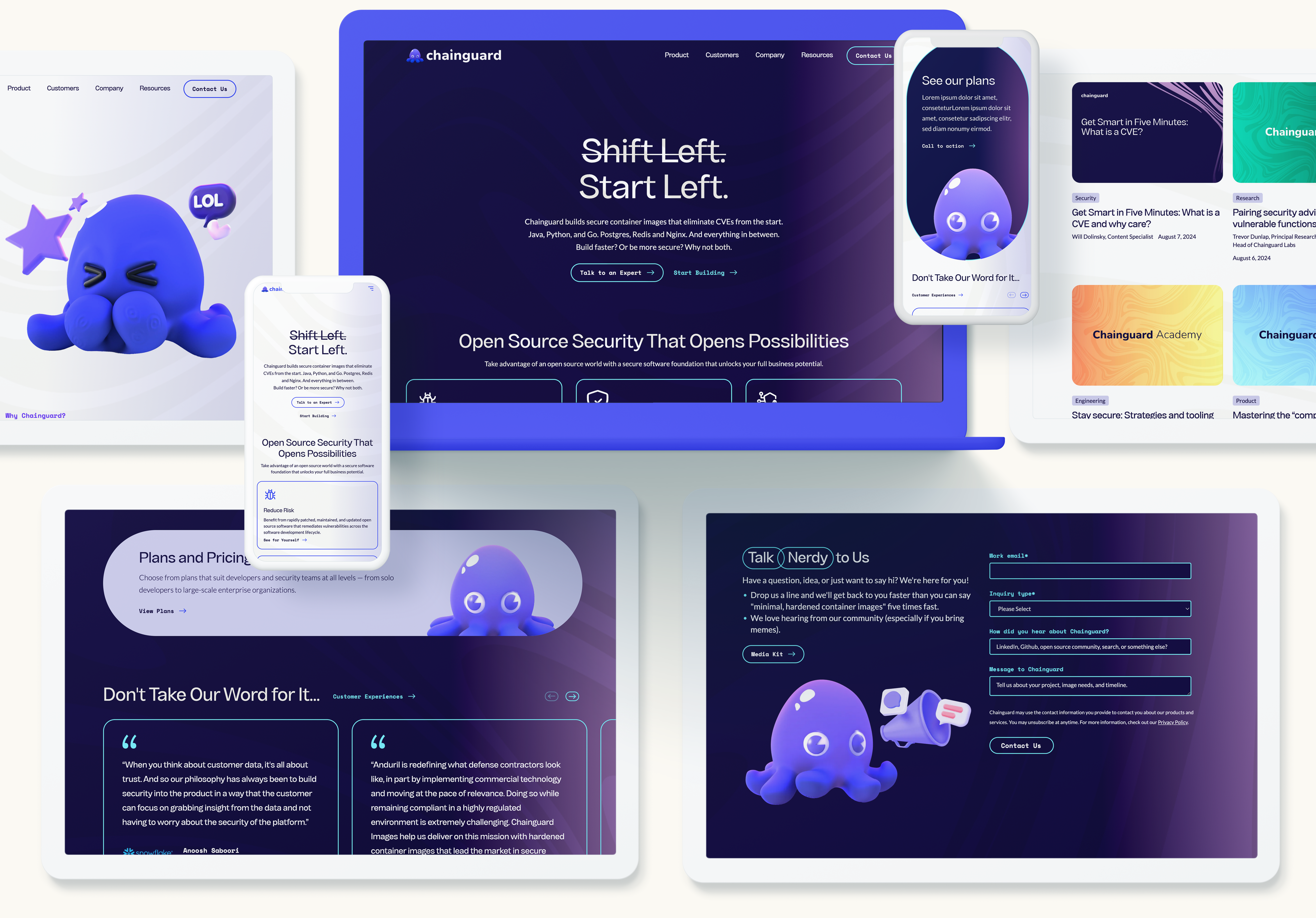
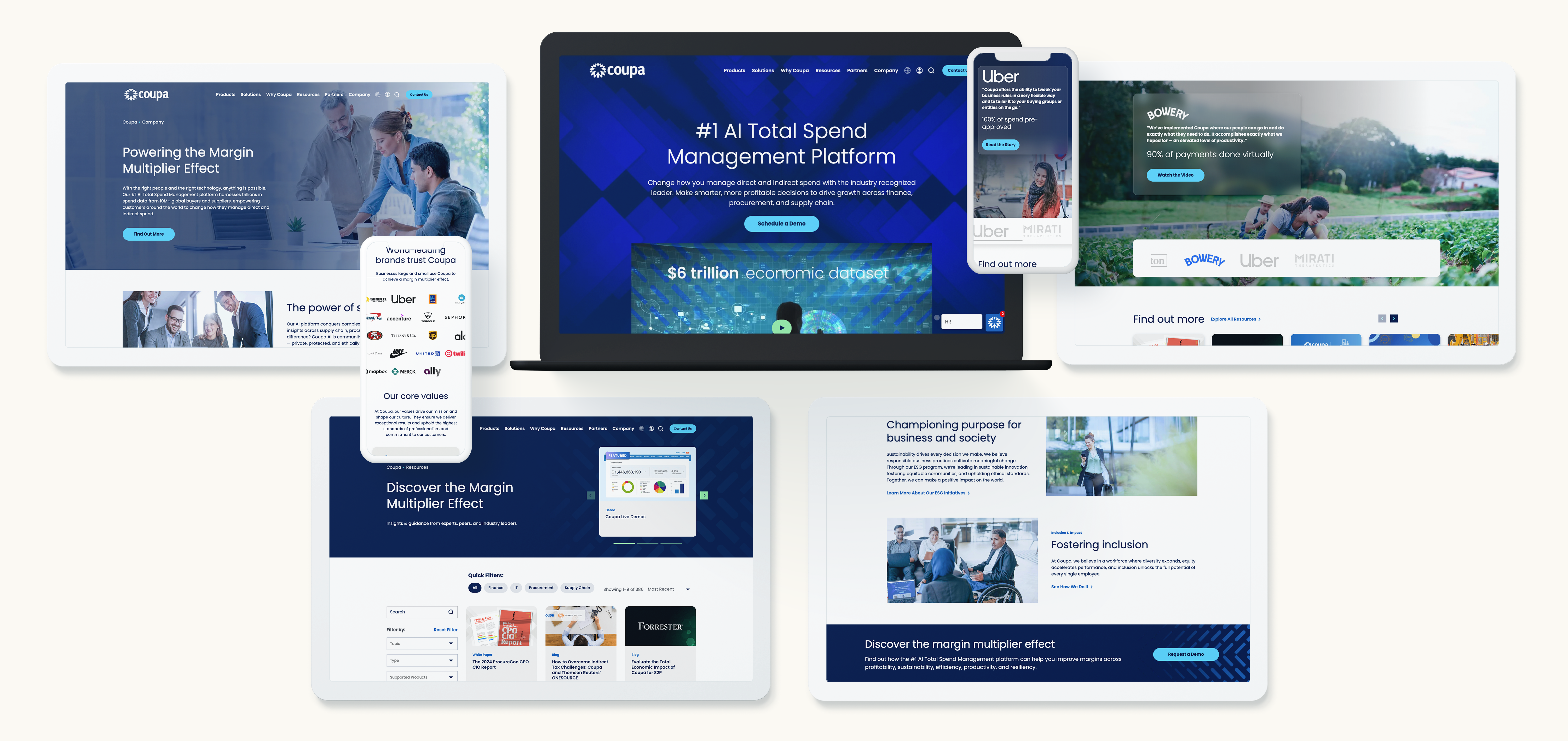
The new year brings new opportunities to reimagine your brand’s digital presence. In 2025, web design continues to evolve, blending creativity with functionality to meet the needs of modern audiences. From minimalist aesthetics to performance-driven designs, these trends not only enhance user experience but also ensure your website remains competitive in an increasingly digital-first world.
Minimalist Aesthetics with Maximum Impact
Simplicity remains a cornerstone of modern web design, but in 2025, minimalism takes on a more refined form. Websites are embracing clean layouts, ample white space, and restrained color palettes to create visually striking yet user-friendly experiences. This trend prioritizes clarity and focus, allowing key messaging and calls-to-action (CTAs) to stand out without overwhelming visitors. Additionally, minimalism lends itself to faster load times and improved performance—both critical factors in today’s SEO landscape. By stripping away unnecessary elements, brands can create websites that are both aesthetically pleasing and highly functional.
Interactive and Immersive Elements
Interactivity is taking center stage as web designers look for ways to keep users engaged and encourage deeper exploration. From dynamic scrolling effects and hover animations to micro-interactions triggered by user behavior, these elements add a layer of interactivity that captures attention and makes browsing more enjoyable. In 2025, immersive features like 3D graphics, virtual tours, and augmented reality (AR) integrations will also become more prevalent. These innovations provide unique, memorable experiences that differentiate brands and showcase their offerings in compelling ways. However, the key lies in balancing interactivity with usability to avoid overwhelming users.
Performance-Driven Designs
Website performance is no longer a nice-to-have—it’s a must-have. As search engines and users place greater emphasis on speed and reliability, performance-driven design has become a top priority for 2025. This trend involves optimizing websites for faster load times, seamless navigation, and responsiveness across all devices. Techniques like lazy loading, image compression, and streamlined code are essential for achieving these goals. Beyond technical improvements, performance-driven design also incorporates user-centric layouts that guide visitors intuitively through their journeys, ensuring they find the information they need with minimal friction.
Accessibility as a Core Design Principle
In 2025, accessibility is at the forefront of web design, driven by a growing recognition of its importance in creating inclusive digital experiences. Designing for accessibility means ensuring your website is usable for everyone, including people with disabilities. This includes features like keyboard navigation, screen reader compatibility, and high-contrast text options. Beyond compliance with legal standards, accessibility enhances user satisfaction and broadens your audience reach. Inclusive design is not just a trend—it’s a commitment to making the web a better place for all.
Bold Typography and Custom Fonts
Typography continues to play a pivotal role in web design, with 2025 ushering in a wave of bold, custom fonts that add personality and flair to websites. Unique typography helps brands establish a distinctive voice and create a memorable visual identity. Paired with minimalist layouts, oversized headlines and expressive fonts can guide users’ attention and emphasize key messages. However, readability remains paramount, so designers must strike a balance between creativity and functionality.
Sustainability in Web Design
As businesses strive to align with eco-conscious values, sustainability has emerged as a significant trend in web design. This involves creating websites that consume less energy by optimizing performance, reducing data transfer, and minimizing server load. Lightweight designs, efficient coding practices, and green hosting solutions are becoming more popular as brands seek to reduce their digital carbon footprint. Sustainable web design not only benefits the environment but also appeals to eco-conscious audiences who prioritize brands with ethical practices.
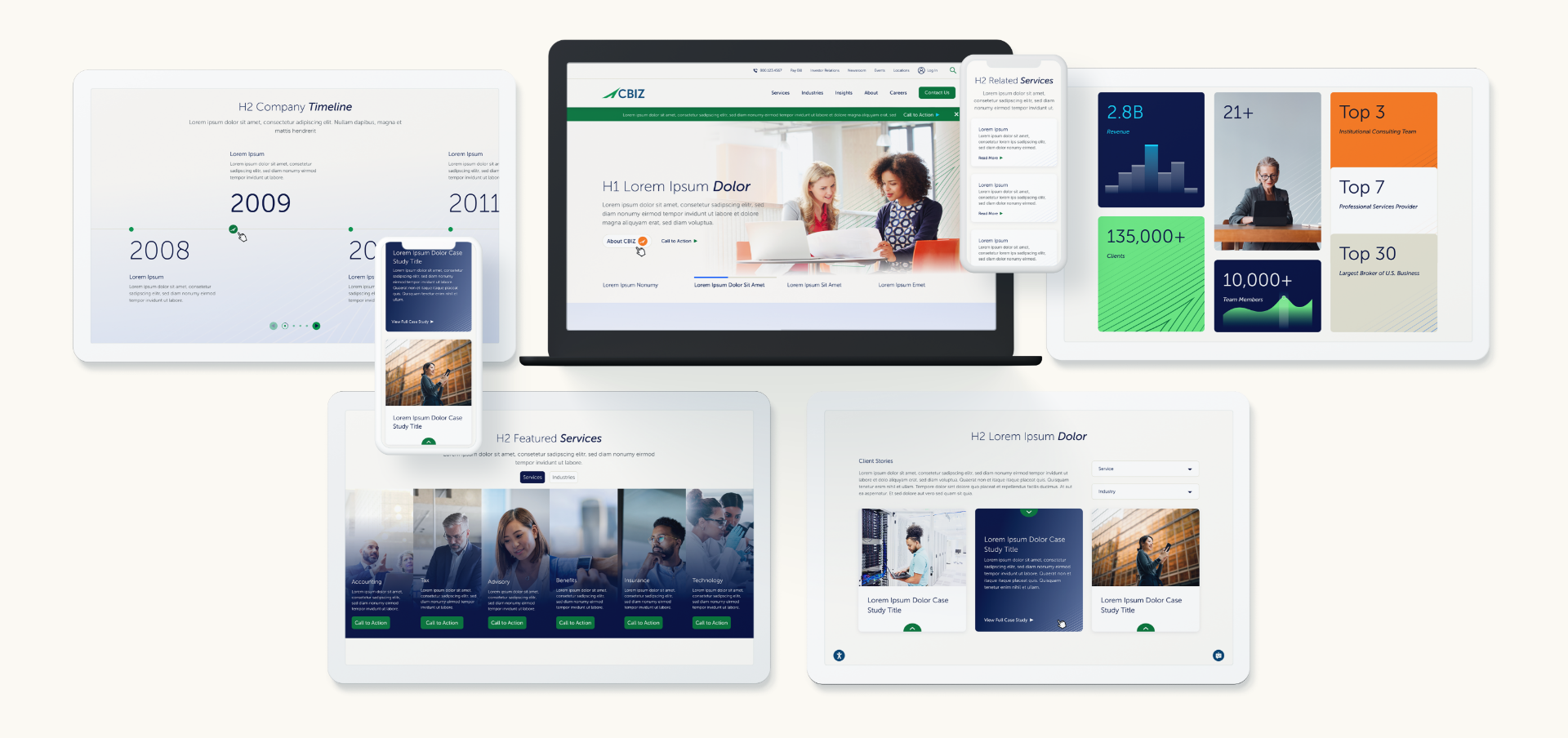
Personalized User Experiences
Personalization continues to evolve in 2025, with websites leveraging data to deliver tailored experiences that resonate with individual users. This trend encompasses dynamic content that adapts based on user behavior, preferences, and location. For example, a returning visitor might see personalized product recommendations or localized offers. By integrating AI-powered tools and robust analytics, brands can create highly relevant experiences that drive engagement and conversions. Personalization is no longer optional—it’s a critical component of effective web design in the digital age.
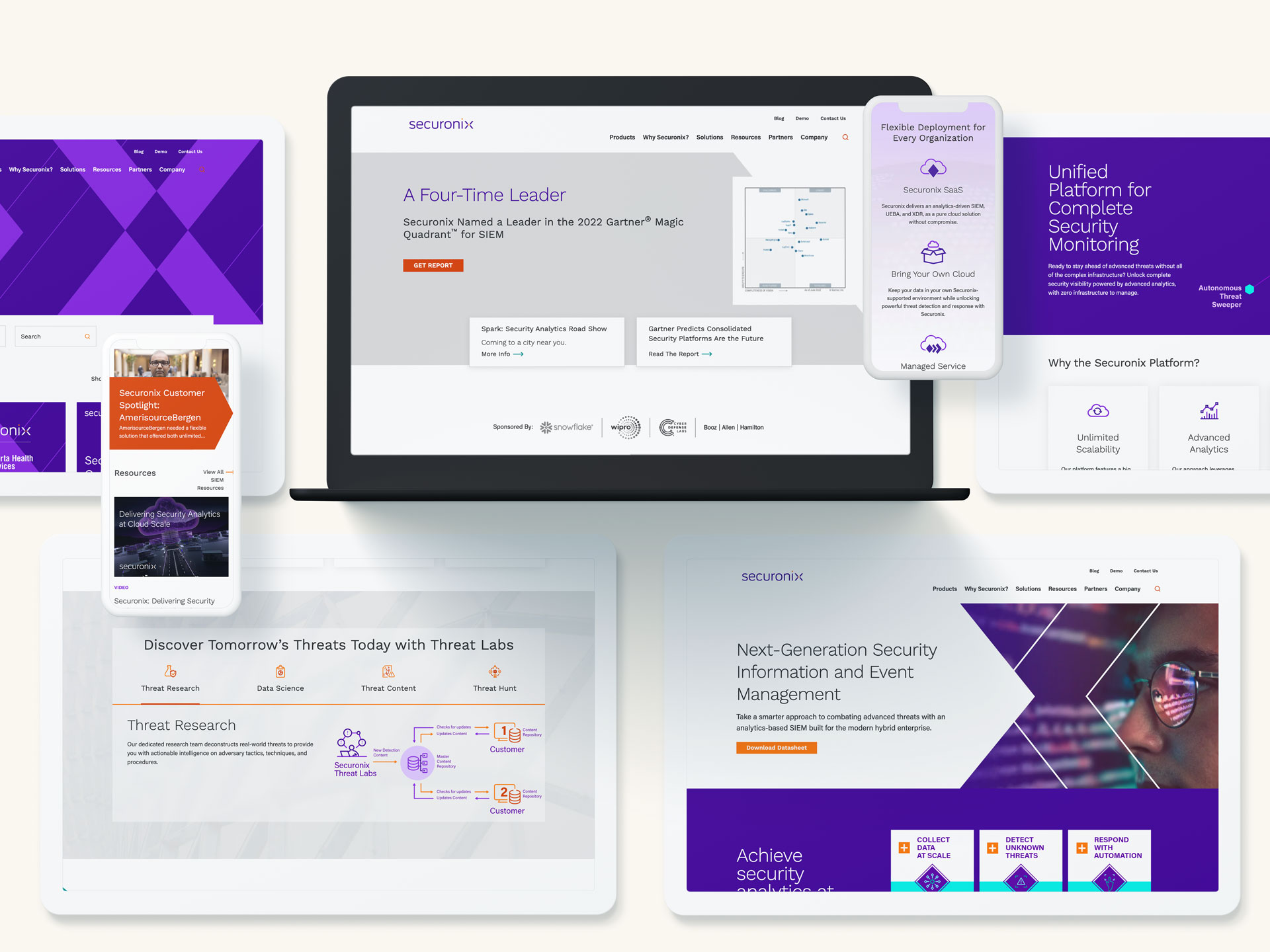
Designing for the Future
The top web design trends for 2025 highlight the intersection of creativity, technology, and user-centric principles. By embracing minimalist aesthetics, interactive elements, performance-driven designs, and more, brands can craft websites that stand out in a crowded digital landscape. Ready to elevate your web presence for the new year? Contact Bluetext today to discover how we can help you design a website that captures attention, drives results, and sets you apart from the competition.
The financial services industry is undergoing rapid digital transformation, reshaping how firms engage with customers, deliver services, and remain competitive. To thrive in this evolving landscape, financial services firms must position themselves as leaders in innovation through strategic marketing initiatives.
The Importance of Digital Transformation in Financial Services
Digital transformation has become a cornerstone of success for financial services organizations. Key drivers include:
- Evolving Customer Expectations: Today’s consumers demand seamless, personalized digital experiences.
- Technological Advancements: Innovations like artificial intelligence (AI), blockchain, and data analytics are revolutionizing the sector.
- Competitive Pressure: Fintech disruptors are challenging traditional financial institutions, pushing them to innovate or risk obsolescence.
- Regulatory Changes: Firms must navigate an increasingly complex compliance landscape while embracing digital tools to streamline processes.
Strategic Marketing to Lead the Transformation
To position as leaders in digital transformation, financial services firms need to communicate their vision and demonstrate their capabilities effectively. Below are key marketing strategies to drive this effort:
- Showcase Digital Innovation
Highlighting investments in technology and innovation builds trust with customers and stakeholders.
How to Execute:
- Create case studies and success stories that demonstrate the tangible benefits of your digital initiatives.
- Develop video content that showcases innovative solutions, such as mobile banking apps or AI-driven financial planning tools.
- Use storytelling to connect technological advancements with customer benefits, emphasizing security, efficiency, and personalization.
- Position as Thought Leaders
Becoming a trusted source of insights and trends in digital transformation can elevate your brand and build credibility.
How to Execute:
- Publish white papers, eBooks, and research reports on topics like blockchain, AI in finance, or digital customer experience.
- Host webinars and participate in industry conferences to discuss digital transformation trends.
- Maintain an active blog with insights from your leadership team and industry experts.
- Deliver a Seamless Omnichannel Experience
Modern financial services customers interact with brands across multiple touchpoints. A consistent and seamless experience across these channels is essential.
How to Execute:
- Use data analytics to personalize customer experiences across email, social media, mobile apps, and websites.
- Implement a unified brand voice across all platforms, from digital ads to in-branch experiences.
- Optimize user experience (UX) design for mobile-first interactions, reflecting the shift toward mobile banking.
- Address Concerns About Security and Compliance
Digital transformation raises questions about data security and regulatory compliance. Addressing these concerns proactively is critical to building trust.
How to Execute:
- Highlight your firm’s commitment to cybersecurity through content like blog posts, videos, and infographics.
- Share how you ensure compliance with evolving regulations, such as GDPR or financial-specific frameworks like SOX.
- Publish third-party certifications or endorsements to reinforce trust in your digital platforms.
- Engage with Data-Driven Marketing
Harnessing the power of data is integral to effective marketing in the digital era.
How to Execute:
- Use predictive analytics to identify emerging customer needs and tailor offerings accordingly.
- Segment audiences based on behavior, preferences, and demographics to deliver hyper-personalized campaigns.
- Continuously measure and optimize campaign performance using advanced analytics tools.
Preparing for the Future of Financial Services
Marketing efforts must align with emerging trends to future-proof your business. Key areas of focus include:
- Sustainability Messaging: Highlight efforts in green finance and ESG (Environmental, Social, and Governance) initiatives.
- AI-Driven Personalization: Emphasize how AI enhances customer experiences and streamlines operations.
- Partnerships with Fintechs: Showcase collaborations with fintech innovators to reinforce your firm’s commitment to staying ahead of the curve.
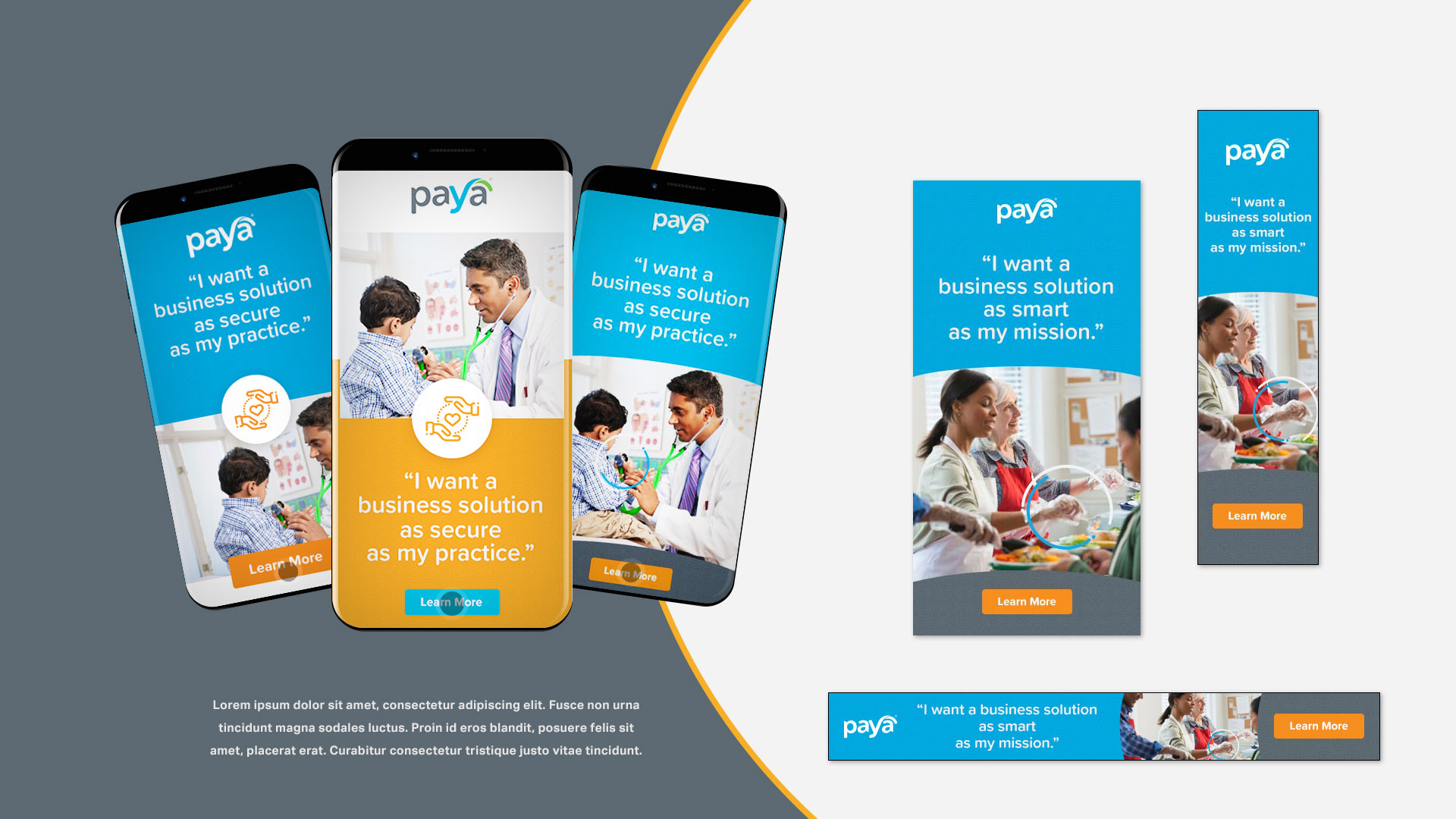
Final Thoughts: Leading the Charge in Digital Transformation
Digital transformation is not just a technological shift but a strategic opportunity for financial services firms to redefine their market position. By leveraging marketing strategies that highlight innovation, thought leadership, and customer-centricity, your firm can build a future-proof brand that thrives in an increasingly digital landscape.
Partner with Bluetext for Digital Transformation Marketing
At Bluetext, we specialize in crafting strategic marketing campaigns that position financial services firms as leaders in digital innovation. Whether it’s creating compelling content, executing data-driven campaigns, or designing seamless digital experiences, we can help you navigate the complexities of digital transformation. Contact us today to learn how we can elevate your marketing efforts.
In today’s digital age, data-driven marketing has become essential for businesses to thrive, enabling brands to tailor their messaging, predict customer needs, and enhance client experiences. For the financial services industry, however, data-driven marketing is both an opportunity and a challenge. While leveraging data can lead to improved customer engagement and retention, financial services firms operate in one of the most heavily regulated industries, with strict data protection and privacy guidelines that must be meticulously followed.
To succeed, financial marketers must adopt data-driven strategies that respect compliance standards, ensuring that all customer data usage aligns with regulatory expectations. This blog explores strategies for harnessing the power of data analytics in a way that enhances marketing efforts while staying within the bounds of regulatory compliance.
The Benefits of Data-Driven Marketing in Financial Services
Data-driven marketing is invaluable for financial services firms aiming to connect meaningfully with their audience. Here are key benefits that data can bring to this industry:
- Personalization
Data allows marketers to go beyond basic customer information, enabling hyper-targeted, personalized messaging based on individual preferences and behaviors. For financial services, this means delivering customized product recommendations, financial planning advice, or educational content that aligns with each client’s unique financial goals. - Predictive Insights
Predictive analytics uses historical data and trends to anticipate future customer needs. For example, by analyzing a client’s transaction history, firms can predict significant financial milestones, like retirement planning, and proactively offer relevant services. Predictive insights enhance the client experience, positioning the firm as a proactive advisor rather than a reactive service provider. - Enhanced Customer Retention
Retaining customers is often more cost-effective than acquiring new ones, and data analytics plays a crucial role in fostering loyalty. By tracking client interactions and satisfaction metrics, firms can identify at-risk clients and develop strategies to re-engage them through timely, targeted communication.
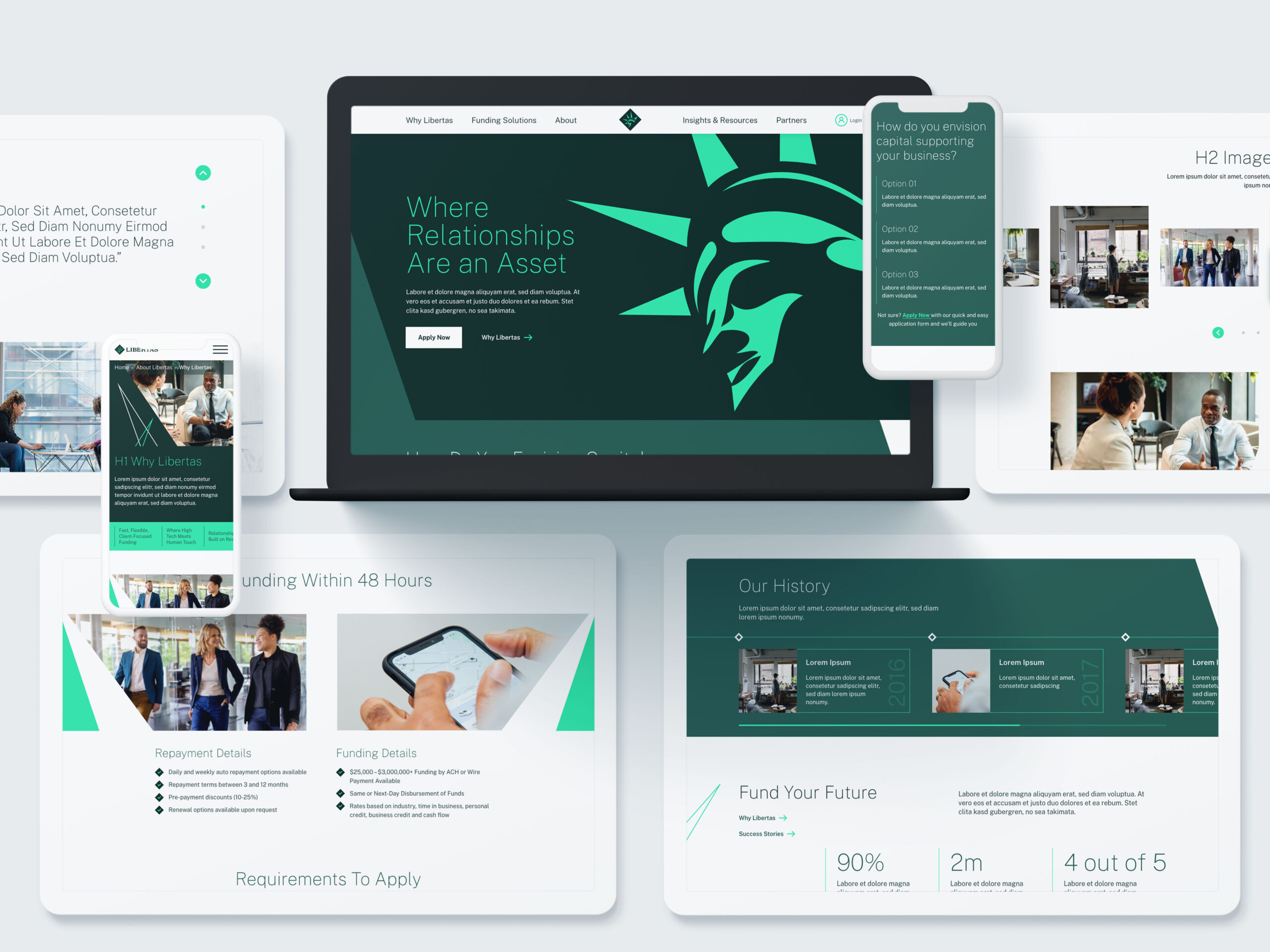
Navigating Regulatory Challenges
In a heavily regulated environment, financial services marketers must exercise caution in how they collect, process, and use customer data. Key regulations governing data privacy include:
- General Data Protection Regulation (GDPR): Applies to firms handling the data of European Union residents and mandates strict guidelines on data consent, access, and usage.
- FINRA Compliance: Financial Industry Regulatory Authority (FINRA) oversees financial firms to ensure ethical practices, including marketing communications.
- California Consumer Privacy Act (CCPA): Grants California residents rights over their data and applies to firms collecting data on California residents.
A compliance-focused approach to data is essential for financial services. This means establishing transparent data practices, securing explicit consent from customers, and adopting a culture of privacy by design. Additionally, regular audits are essential to ensure that data management practices align with evolving regulatory requirements.
Key Data-Driven Marketing Strategies
Balancing regulatory constraints with effective data use can be challenging, but the following strategies allow financial marketers to harness the benefits of data analytics responsibly:
- Segmentation and Targeting
Using segmentation, financial firms can divide their audience into groups based on attributes like age, income, or account activity. Segmentation enables marketers to send targeted messages tailored to each group’s unique needs, improving campaign relevance and client engagement. - Omnichannel Personalization
Today’s customers interact across multiple channels—from social media to email to mobile apps. Omnichannel personalization ensures clients receive consistent, seamless experiences across platforms. For example, a customer viewing investment advice on your website might later receive a relevant email newsletter with complementary financial resources. - Predictive Analytics for Customer Lifecycle Management
Predictive analytics helps firms anticipate key moments in a customer’s lifecycle, such as significant life events or investment milestones. By identifying these opportunities, marketers can deliver timely offers or educational resources that address each client’s evolving needs, leading to stronger client relationships and higher lifetime value. - Data Quality and Security Measures
Data integrity is critical, especially in regulated industries. Implementing robust data quality measures—such as regular cleansing, validation, and secure storage protocols—ensures that the insights driving your marketing are both accurate and compliant. Utilizing secure platforms and encryption methods further safeguards client data, building trust and compliance with privacy laws.
Steps to Implement Data-Driven Marketing Safely
Implementing a data-driven strategy in a regulated world requires careful planning and coordination. Here are actionable steps to help financial firms adopt data-driven marketing safely:
- Build a Cross-Functional Team
Effective data-driven marketing requires collaboration between marketing, compliance, IT, and legal departments. By creating a cross-functional team, firms can ensure that campaigns are both innovative and compliant, benefiting from diverse expertise to navigate complex regulations. - Invest in Secure Data Infrastructure
Security is paramount when handling sensitive financial data. Investing in a secure data infrastructure, including advanced analytics platforms and encryption technology, protects client information and helps your firm meet regulatory requirements. Leading platforms offer built-in compliance tools, streamlining the process of adhering to data protection standards. - Develop Clear Data Governance Policies
Establishing clear policies on data collection, usage, and retention ensures that all employees understand the boundaries of data-driven marketing. Policies should include guidelines on obtaining consent, using data responsibly, and securely storing client information. Regular training and policy reviews help keep the team informed and compliant with any regulatory updates.
Embracing Data-Driven Marketing in a Regulated Landscape
Data-driven marketing offers financial services firms a powerful advantage in understanding and engaging clients more effectively. By focusing on customer segmentation, predictive analytics, and omnichannel personalization, firms can enhance their marketing while respecting the industry’s stringent regulatory standards. With careful planning and a commitment to compliance, financial firms can leverage data to build stronger client relationships, improve retention, and drive growth.
Looking to integrate data-driven marketing into your strategy? Contact Bluetext today for expert guidance on implementing effective, compliant data practices tailored to the financial services industry.
In today’s hyper-competitive market, Software-as-a-Service (SaaS) companies are often challenged to scale quickly and globally. While this growth presents immense opportunities, it also requires an equally robust content marketing strategy that can adapt and thrive across diverse markets. Developing a scalable content marketing framework is key to ensuring your messaging resonates with a global audience while maintaining consistency and efficiency.
In this post, we’ll explore how to create scalable content marketing frameworks that drive global growth for SaaS companies, from building a foundation to leveraging automation and cross-functional collaboration.
Why a Scalable Framework is Key for Global SaaS Growth
For SaaS companies, scalability isn’t just a technical or product-related goal—it applies to marketing as well. Content plays a crucial role in driving awareness, engagement, and conversion throughout the customer journey. However, scaling this content globally presents unique challenges. How can a company ensure a consistent brand voice while localizing content for different regions and cultures? How do you manage the sheer volume of content needed to reach multiple markets?
A scalable content marketing framework solves these challenges by creating a structure that allows for growth while maintaining efficiency. Such a framework ensures that content can be easily adapted, replicated, and distributed across multiple regions while still meeting local market demands.
Developing a Scalable Content Marketing Framework
Creating a scalable content marketing framework starts with a solid foundation that supports global and local efforts. Here are the key components:
1. Building Blocks for Scalability
- Core Messaging: Your brand’s core messaging and value proposition must be clearly defined and consistent across all markets. This includes identifying key themes, target audience pain points, and the benefits your product provides. Ensure this messaging is flexible enough to be adapted to different cultural contexts.
- Content Pillars: Establish core content pillars that reflect your SaaS product’s benefits and use cases. These pillars should guide the creation of evergreen content (such as blog posts, guides, and whitepapers) that can be repurposed for different regions with minor adjustments.
- Templates and Modular Content: Build templates for common content types like case studies, blog posts, landing pages, and emails. Modular content allows you to maintain consistency across global markets while making localized tweaks to suit regional preferences.
2. Localization Without Losing Brand Consistency
One of the key challenges for global SaaS companies is balancing the need for consistent brand messaging with the nuances of different regions. A scalable framework allows for localization while retaining the essence of your brand.
- Localized Content Strategy: Develop content that is tailored to each region’s language, cultural nuances, and business environment. For example, what resonates with audiences in the U.S. may need to be adapted for European or APAC markets in terms of tone, references, and even the types of content that perform best.
- Maintain a Unified Brand Voice: Ensure your global team understands the importance of a consistent brand voice. Even as content is localized, the core values and personality of your brand should remain intact. This is especially critical when working with regional content creators or agencies.
3. Content for Every Stage of the Customer Journey
To effectively scale content marketing, it’s essential to map content creation to each stage of the SaaS customer journey—from awareness to purchase, onboarding, and retention. A well-planned framework ensures you produce content that not only generates leads but also supports customer success and reduces churn.
- Awareness Stage: Educational content such as blog posts, guides, and videos that introduce prospects to your product’s value. These pieces can be easily localized and repurposed globally.
- Consideration Stage: More in-depth content like case studies, webinars, and whitepapers that help potential customers evaluate your product’s fit for their needs.
- Decision Stage: Content that addresses specific objections or product comparisons. At this stage, localized versions of case studies and testimonials can be extremely effective.
- Retention Stage: Content that supports customer success, such as user guides, product updates, and educational webinars tailored to specific regional use cases.
Leveraging Data and Automation to Scale Content
As your content efforts grow globally, manually managing and personalizing content for different markets becomes increasingly challenging. This is where data and automation come into play.
- Data-Driven Insights: Use analytics to track the performance of content across different markets and regions. This data can guide your content strategy, helping you understand what works best in each location and refining your approach over time.
- Automation Tools: Content management systems (CMS) and marketing automation platforms are critical for scaling efficiently. Automation allows you to streamline content distribution, enabling you to schedule and deploy content across multiple channels and regions simultaneously. It also helps personalize content at scale, so your audience receives relevant messaging without the need for manual intervention.
- Personalization at Scale: While global consistency is essential, personalized content resonates more with audiences. Leverage automation tools to create personalized experiences that align with the customer’s location, industry, and stage in the buyer’s journey. This ensures a relevant and engaging experience, even at scale.
Collaborating with Cross-Functional Teams
Scaling content marketing globally requires close collaboration across departments, from marketing and sales to customer success. When these teams are aligned, your content can better support each stage of the customer lifecycle, from lead generation to customer retention.
- Sales Alignment: Collaborate with sales teams to ensure content addresses the needs and objections they encounter in conversations with prospects. Sales can also provide insights into regional differences in buyer behavior, which is crucial for localized content.
- Customer Success Integration: Your content doesn’t stop after a customer signs up. Work closely with the customer success team to develop content that helps onboard, educate, and retain customers. This includes user guides, product tutorials, and tailored educational materials.
- Internal Stakeholders: Engage internal stakeholders, such as regional marketing teams, to ensure that content not only aligns with global goals but also meets the unique needs of each market. Having buy-in from regional teams ensures smoother localization and implementation.
Measuring the Success of a Scalable Content Marketing Framework
To ensure your content marketing framework is effective, it’s important to establish clear metrics for success. These metrics will vary depending on the goals of your content strategy but often include:
- Content Performance: Track engagement metrics such as page views, time on page, and social shares to evaluate which content resonates most with your audience.
- Lead Generation: Monitor how effectively your content is driving qualified leads across different regions.
- Conversion Rates: Measure the impact of your content on conversion rates, from leads to paying customers.
- Customer Retention: Analyze how content supports customer retention efforts, such as reducing churn or increasing product adoption.
By continuously tracking and optimizing these metrics, you can refine your content marketing framework to ensure it scales effectively as your SaaS company grows.
Ready to Scale Your SaaS Content Marketing Globally?
Developing a scalable content marketing framework is crucial for SaaS companies aiming for global growth. By focusing on core messaging, localization, automation, and cross-functional collaboration, you can create a framework that allows your content strategy to scale efficiently across regions, driving engagement and conversions at every stage of the customer journey.
At Bluetext, we specialize in building scalable content marketing frameworks that drive global growth for SaaS companies. From core messaging to localization and automation, we can help you create a strategy that resonates with audiences across markets while maintaining consistency.
In a sector as dynamic and essential as energy, where global shifts toward sustainability, renewable resources, and technological innovation are constant, marketing requires a new level of creativity and strategy. Traditional marketing approaches, while still effective, may no longer be sufficient to set brands apart or to engage increasingly informed and eco-conscious customers. Bluetext specializes in helping energy companies redefine their marketing strategies with innovative solutions that drive growth and deliver measurable results.
1. Data-Driven Personalization
The energy sector has an enormous amount of customer data at its fingertips, from consumption patterns to geographic preferences and renewable energy interest. Leveraging this data for personalized messaging can make marketing campaigns more relevant and impactful. Dynamic content that adjusts based on user behavior, smart segmentation, and AI-powered insights allow energy companies to deliver the right message at the right time, improving both customer satisfaction and conversion rates.
2. Interactive Digital Experiences
Beyond static advertising, interactive digital experiences are rapidly gaining popularity in the energy sector. Virtual reality (VR) tours of renewable energy facilities, augmented reality (AR) apps that demonstrate energy consumption in real-time, and gamified platforms that educate users about sustainability can turn otherwise passive audiences into engaged participants. These tools not only enhance brand awareness but also build stronger emotional connections by making complex topics more accessible.
3. Thought Leadership and Educational Content
As the energy industry evolves, companies that position themselves as thought leaders have a significant competitive advantage. Providing educational content around topics like renewable energy, energy efficiency, or grid modernization establishes credibility and builds trust with customers, investors, and regulators. Long-form content such as whitepapers, in-depth blog series, and podcast interviews with industry experts can solidify a brand’s reputation as a forward-thinking leader.
4. Sustainability Storytelling
With the global push toward sustainability, energy companies must communicate their environmental impact effectively. But simply stating eco-friendly initiatives isn’t enough—successful brands in the energy space are embracing narrative-driven approaches. By humanizing data through real-world case studies, testimonials, and behind-the-scenes stories of how energy projects improve local communities, brands can better engage emotionally with their audiences and create deeper brand loyalty.
5. Cross-Industry Partnerships
Innovation in the energy sector doesn’t happen in a silo. Cross-industry partnerships—such as collaborations with tech firms for IoT solutions or fintech partnerships for green energy financing—can extend the reach of marketing campaigns and offer unique value propositions. These collaborations create buzz and offer customers more comprehensive solutions, further distinguishing a brand in a crowded marketplace.
6. Leveraging Social Media for Advocacy
Social media is often underutilized by energy companies, yet it holds great potential for advocacy-driven campaigns. Energy brands can build community and engage users by amplifying sustainability movements, promoting green energy initiatives, and fostering conversations around energy efficiency. By encouraging user-generated content and engaging with influencers in the sustainability space, energy companies can boost their visibility and establish themselves as champions for a greener future.
Conclusion
As the energy sector evolves, so too must its marketing strategies. By going beyond traditional methods and embracing innovative, digital-first approaches, energy companies can stand out in a competitive landscape, connect meaningfully with their audiences, and drive measurable growth. At Bluetext, we understand the unique challenges and opportunities within the energy industry, and we are ready to help brands shape their future with creative, impactful marketing solutions. Contact us today.
In today’s digital marketplace, trust is a key factor in driving sales. With countless options at consumers’ fingertips, establishing credibility is essential for any brand looking to stand out. One of the most effective ways to build this trust is through social proof. By leveraging testimonials, reviews, and case studies, you can create a compelling narrative that resonates with potential customers and drives conversions. In this post, we’ll explore how to effectively use social proof to enhance credibility and boost sales.
What is Social Proof?
Social proof is the psychological phenomenon where people look to the actions and opinions of others to determine their own. In the context of marketing, social proof involves showcasing positive feedback from customers, experts, or influencers to reassure potential buyers of your product’s value. This validation from others helps reduce skepticism and fosters a sense of trust.
The Power of Testimonials
Testimonials are personal endorsements from satisfied customers, and they can be incredibly persuasive. Here are a few ways to make the most of testimonials:
- Authenticity is Key: Ensure that testimonials are genuine and relatable. Authentic testimonials resonate more with potential customers than overly polished or generic statements.
- Highlight Specific Benefits: Encourage customers to focus on specific benefits or results they experienced. This provides concrete examples of how your product or service can solve problems or improve lives.
- Use Multiple Formats: Incorporate testimonials in various formats, including text, video, and audio. Video testimonials, in particular, can be very impactful as they convey emotion and authenticity more effectively.
- Feature Diverse Voices: Showcase testimonials from a diverse range of customers to appeal to different segments of your audience. This inclusivity can help more people see themselves benefiting from your product or service.
Leveraging Reviews
Online reviews are another powerful form of social proof. Here’s how to leverage them effectively:
- Encourage Reviews: Actively encourage satisfied customers to leave reviews on platforms like Google, Yelp, and industry-specific sites. More reviews increase credibility and visibility.
- Respond to Feedback: Engage with both positive and negative reviews. Responding to feedback shows that you value customer opinions and are committed to improving your products and services.
- Highlight Key Reviews: Feature positive reviews prominently on your website and marketing materials. Use quotes or ratings from well-known review platforms to enhance credibility.
- Use Aggregate Ratings: Display aggregate ratings (e.g., 4.8 out of 5 stars) to provide a quick snapshot of overall customer satisfaction. This can be especially persuasive for new visitors.
The Impact of Case Studies
Case studies offer an in-depth look at how your product or service has helped specific customers achieve their goals. They provide detailed narratives that can be incredibly convincing. Here’s how to create compelling case studies:
- Tell a Story: Craft case studies that tell a compelling story with a clear beginning, middle, and end. Highlight the challenges faced by the customer, the solution provided by your product, and the positive outcomes achieved.
- Use Data and Metrics: Include concrete data and metrics to quantify the success. Statistics and measurable results add credibility and help potential customers understand the tangible benefits.
- Incorporate Quotes and Testimonials: Enhance your case studies with quotes and testimonials from the featured customer. Personal anecdotes add a human touch and make the case study more relatable.
- Focus on Various Use Cases: Create case studies that cover different use cases and industries. This diversity demonstrates the versatility and wide-ranging benefits of your product or service.
Building Trust Through Influencers
Influencer endorsements are another form of social proof that can significantly impact consumer trust. Collaborating with influencers who have a loyal following can help amplify your message and reach new audiences. Here’s how to leverage influencer partnerships:
- Choose the Right Influencers: Partner with influencers who align with your brand values and have an engaged audience that matches your target demographic.
- Create Authentic Content: Work with influencers to create authentic content that showcases their genuine experiences with your product. Authenticity is crucial for maintaining credibility.
- Leverage Multiple Channels: Utilize various platforms, such as Instagram, YouTube, and blogs, to reach a broader audience. Different channels can offer unique ways to showcase your product.
- Measure Impact: Track the performance of influencer campaigns through engagement metrics, traffic, and sales. Use this data to refine your strategy and maximize ROI.
Conclusion
Incorporating social proof into your marketing strategy is essential for building trust and driving sales. By effectively using testimonials, reviews, case studies, and influencer endorsements, you can create a persuasive narrative that resonates with potential customers and boosts credibility. At Bluetext, we specialize in helping brands leverage social proof to achieve their marketing goals.
Ready to harness the power of social proof? Contact us today to learn how we can help you build trust and drive sales through powerful social proof strategies.
Out-of-home (OOH) advertising, once confined to static billboards and posters, is undergoing a revolutionary transformation. The integration of digital technologies is reshaping the landscape, making OOH advertising more dynamic, targeted, and impactful than ever before. In this post, we’ll explore the innovations driving this change and what the future holds for OOH advertising in a digital world.
The Evolution of OOH Advertising
Traditionally, OOH advertising has been a powerful medium for reaching large audiences in public spaces. From the bustling streets of New York City to the highways of Los Angeles, billboards, bus shelters, and transit ads have been staples of the advertising industry. However, the rise of digital technology has introduced new possibilities, allowing for more interactive and engaging campaigns.
Digital Billboards: The New Face of OOH
One of the most significant advancements in OOH advertising is the advent of digital billboards. Unlike static billboards, digital billboards can display multiple advertisements in a single location, rotating content to capture the attention of passersby. This flexibility allows for real-time updates, ensuring that the content is always fresh and relevant.
Moreover, digital billboards offer superior visibility, especially at night, with vibrant displays that can’t be ignored. This enhanced visibility translates to higher engagement rates, making digital billboards a preferred choice for many advertisers.


Programmatic DOOH: Precision and Efficiency
Programmatic Digital Out-of-Home (DOOH) is another game-changer in the OOH arena. By leveraging data and automation, programmatic DOOH allows advertisers to buy and deliver ads in real time, based on specific criteria such as location, time of day, and audience demographics. This precision targeting ensures that ads reach the right people at the right time, maximizing the return on investment.
Additionally, programmatic DOOH offers unparalleled flexibility. Advertisers can quickly adapt their campaigns based on performance metrics, optimizing content to achieve better results. This level of control was unimaginable in the traditional OOH landscape, but it’s now a reality thanks to digital advancements.
The Integration of Augmented Reality
Augmented Reality (AR) is poised to take OOH advertising to the next level. By overlaying digital content onto the physical world, AR creates immersive experiences that captivate audiences. Imagine walking past a bus shelter and seeing a 3D model of a new car, or pointing your smartphone at a billboard to unlock a virtual game. These interactive elements make AR a powerful tool for engaging consumers in meaningful ways.
Data-Driven Insights
One of the key benefits of digital OOH is the ability to gather and analyze data. Sensors and cameras can track foot traffic, dwell time, and engagement levels, providing valuable insights into the effectiveness of campaigns. This data-driven approach allows advertisers to refine their strategies and make informed decisions, ensuring that every dollar spent on OOH advertising delivers maximum impact.
Sustainability and Eco-Friendly Solutions
Digital OOH also aligns with the growing demand for sustainability. Unlike traditional billboards that require paper and ink, digital billboards are reusable and produce less waste. Many digital displays are also powered by renewable energy sources, reducing their environmental footprint. This commitment to sustainability resonates with eco-conscious consumers and enhances brand reputation.
The Road Ahead
The future of OOH advertising is undoubtedly digital. As technology continues to evolve, we can expect even more innovative solutions that blend the physical and digital worlds. From interactive displays and personalized content to AI-driven analytics and eco-friendly practices, the possibilities are endless.
At Bluetext, we’re excited to be at the forefront of this digital transformation. Our team of experts is dedicated to helping brands harness the power of digital OOH to create compelling, impactful campaigns. Whether you’re looking to reach local audiences or make a splash on a global scale, we have the tools and expertise to drive your success.
In conclusion, the future of OOH advertising is bright, dynamic, and full of potential. By embracing digital advancements, brands can engage audiences in new and exciting ways, making a lasting impression in an increasingly digital world.
Ready to elevate your OOH advertising strategy? Contact Bluetext today to discover how we can help you stay ahead of the curve and achieve your marketing goals.