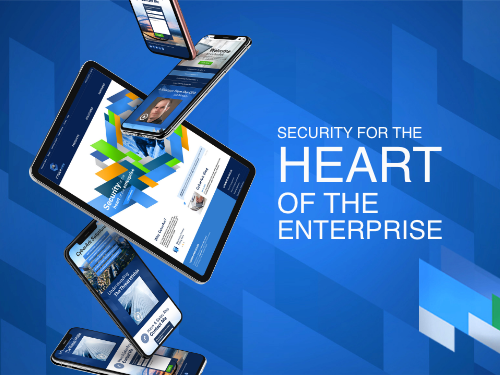
Halfway through 2026, the cybersecurity landscape is rapidly evolving, prompting marketing leaders to reassess their strategies. The increasing complexity of cyber threats and the heightened emphasis on data privacy have reshaped how companies communicate their security solutions. For businesses in the B2B and B2G sectors, understanding the latest trends in cybersecurity marketing is crucial for staying competitive and relevant. In this new era, agencies like Bluetext are at the forefront, helping organizations navigate these changes with innovative strategies and insights.
Emphasizing Trust and Transparency
In the cybersecurity industry, trust is paramount. With data breaches making headlines regularly, companies must demonstrate their commitment to protecting client information. Marketing strategies should focus on building trust through transparency. This involves clear communication about security protocols, certifications, and compliance with regulations like GDPR and CCPA. Transparency not only builds customer confidence but also differentiates a cybersecurity marketing company from its competitors.
The Role of Storytelling in Cybersecurity
Storytelling has become a powerful tool in cybersecurity marketing. By sharing real-world examples of how their solutions have mitigated threats, companies can create relatable narratives that resonate with potential clients. These stories should highlight the human element of cybersecurity, showcasing how solutions protect businesses and individuals. Engaging storytelling can transform complex technical details into compelling messages that drive engagement and conversions.

Visibility starts with a story worth telling. Learn how Bluetext told Revolutional’s.
Leveraging Data-Driven Insights
The use of data-driven insights is critical in developing effective cybersecurity marketing strategies. By analyzing data from past campaigns, companies can identify trends, measure ROI, and optimize future efforts. Tools like AI and machine learning enable marketers to predict potential threats and tailor their messaging accordingly. A data-centric approach not only enhances targeting and personalization but also ensures that marketing efforts are aligned with the evolving threat landscape.
Integrating AI and Automation
AI and automation are revolutionizing the way cybersecurity solutions are marketed. These technologies enable real-time threat detection and response, allowing companies to offer proactive security measures. In marketing, AI can personalize content and automate outreach, ensuring that messages reach the right audience at the right time. Embracing AI and automation not only improves efficiency but also enhances the overall customer experience.
Focusing on Educational Content
Educational content is becoming increasingly important in cybersecurity marketing. By providing valuable resources such as whitepapers, webinars, and tutorials, companies can position themselves as thought leaders in the industry. This approach helps potential clients understand the importance of cybersecurity and the unique value propositions of different solutions. Content marketing not only attracts new leads but also nurtures existing relationships by keeping clients informed and engaged.
Building Strategic Partnerships
Strategic partnerships are essential for expanding reach and credibility in the cybersecurity sector. Collaborating with other tech companies, industry associations, and even government entities can enhance a company’s reputation and open new avenues for growth. These partnerships enable companies to offer comprehensive security solutions and tap into new markets. A well-executed partnership strategy can significantly boost a company’s visibility and influence.
CyberArk needed to stand out. Discover how their rebrand distinguished them from the crowd.
Utilizing Social Media and Digital Platforms
Social media and digital platforms play a crucial role in reaching and engaging target audiences. Platforms like LinkedIn and Twitter are ideal for B2B and B2G marketing, allowing companies to share insights, promote content, and interact with potential clients. By leveraging these platforms, cybersecurity companies can amplify their message and foster a community around their brand. Digital marketing agencies, such as Bluetext, specialize in crafting campaigns that maximize reach and engagement across these channels.
Personalizing the Customer Journey
Personalization is key to delivering a memorable customer experience. By tailoring content and messaging to individual needs and preferences, companies can create more meaningful interactions. This involves using data analytics to understand customer behavior and deploying personalized marketing automation to deliver relevant content. A personalized approach not only improves conversion rates but also strengthens customer loyalty and retention.
The Importance of Continuous Innovation
In the fast-paced cybersecurity industry, continuous innovation is essential. Companies must stay ahead of emerging threats and adapt their marketing strategies to address new challenges. This involves investing in research and development and fostering a culture of innovation within the organization. By continuously evolving their offerings and marketing approaches, companies can maintain a competitive edge and meet the changing needs of their clients.
As the cybersecurity landscape continues to evolve, partnering with a leading cybersecurity marketing agency like Bluetext can provide the expertise and insights needed to navigate these challenges. Contact us today to learn how our tailored strategies can help your organization thrive in this dynamic environment.
Recent Posts
Top Cybersecurity Marketing Trends to Watch in 2027
Bluetext’s Recent Work