Public sector messaging is undergoing a transformation. The move to digital services, the rise of AI, an urgent push for cybersecurity, and growing expectations for transparency have changed how agencies communicate with citizens, industry partners, and internal stakeholders. In this climate, advertising agencies in Washington DC have become pivotal. They are translating complex policy goals into clear, measurable narratives that build trust and drive action across federal, state, and local audiences. For marketing leaders in B2B and B2G, understanding how these firms operate is essential for shaping strategies that resonate in a high-stakes, highly scrutinized environment.
Why the Capital Region Sets the Pace for Public Sector Marketing
Advertising agencies in Washington DC sit at the intersection of policy, procurement, and public perception. Proximity to decision makers matters because insights from Capitol Hill, federal agencies, think tanks, and contractors flow quickly into messaging strategy. The best advertising agencies in Washington DC leverage this access to anticipate shifts in budgets, compliance mandates, and citizen priorities before they hit the broader market.
Unlike traditional commercial campaigns, public sector communications must satisfy multiple constituencies at once. Leaders need language that aligns to legislative directives, speaks credibly to technical evaluators, and translates into accessible citizen experiences. Advertising agencies in Washington DC are uniquely adept at aligning these priorities, because they collaborate daily with legal, policy, and program offices alongside creative, media, and analytics teams.
For brands operating in the federal ecosystem, this context is not a nice-to-have. It is the difference between campaigns that are compliant yet forgettable and campaigns that are compliant and effective. That is why many enterprises and contractors partner with a DC advertising agency to ensure every message respects the process while still breaking through.

What Distinguishes Top Agencies Serving the Public Sector
Executive audiences often ask what sets advertising agencies in Washington DC apart from peers in other markets. Three qualities stand out. First is a deep literacy in procurement and acquisition models. Teams understand how communications support the full capture lifecycle, from market research to RFI to recompete. Second is fluency in mission language. Agencies know how to elevate outcomes like readiness, resilience, access, and equity without drifting into jargon. Third is a disciplined approach to risk. Advertising agencies in Washington DC build safeguards that respect appropriations rules, the Paperwork Reduction Act, Section 508, and privacy requirements while enabling modern creative and paid media.
These capabilities translate into superior orchestration. The better the grasp of stakeholders and statutes, the freer the creative team becomes to deliver powerfully simple stories. Advertising agencies in Washington DC ensure creative excellence is never decoupled from mission fidelity.
The highest performers also invest in strong partnerships across public affairs, program leads, and integrator teams. That collaboration speeds approvals and compresses timelines, a major advantage when announcements, policy windows, or budget cycles demand rapid response.
How Agencies Build Evidence-Based Messaging Frameworks
Public sector communication succeeds when every claim is traceable, defensible, and relevant to mission outcomes. That begins with research. Leading advertising agencies in Washington DC conduct structured stakeholder interviews, social listening, and voice-of-the-customer studies to surface real needs and barriers. They map procurement influencers and technical validators to avoid over-indexing on a single persona.
From there, teams develop a clear hierarchy of messaging: top-line narrative, mission and market proof points, and technical substantiation. This process ensures a single source of truth that can flex from federal CIO briefings to program-level landing pages and social posts. When a brand needs to evolve its foundation, proven partners provide a rigorous messaging and positioning engagement that delivers clarity and consistency across every channel.
Advertising agencies in Washington DC also pressure-test messages for plain language standards, accessibility, and inclusivity. The result is content that reads easily for citizens, yet satisfies experts who look for specificity. This dual-read approach allows communications to move seamlessly between public and policymaker audiences.
Omnichannel Strategies That Reach Decision Makers and Citizens
Federal audiences consume information differently than commercial buyers. They attend briefings, review technical documentation, and rely on earned media and trusted associations. Advertising agencies in Washington DC know how to orchestrate an omnichannel plan that places the right content in each context without diluting the core message.
Winning plans often combine targeted paid media on professional platforms, high-value content for search capture, tailored email sequences for industry partners, and video explainers for citizen education. Many initiatives also include thought leadership and program microsites to centralize resources. Skilled advertising agencies in Washington DC ensure channel roles are clear, budgets are prioritized by influence, and handoffs are tracked between awareness, consideration, and action.
For B2G brands and contractors, the same rigor applies. Teams create compliant capture support and digital nurture paths, then align assets across conference cycles and contracting milestones. When you work with B2G content and digital marketing experts, your programs move in lockstep with agency priorities and procurement calendars.

Creative That Inspires Within Policy Boundaries
Contrary to popular belief, constraints can unlock better ideas. Advertising agencies in Washington DC excel at turning rules into creative guardrails that sharpen the work. Mission-forward storytelling, empathetic visuals, and precise language often outperform splashy concepts when trust and credibility are on the line. Leaders must communicate urgency without sensationalism, innovation without overpromising, and outcomes without political coloration.
When an initiative requires cinematic storytelling or a high-impact launch, the right partner can still deliver. The key is a creative process that engages legal, privacy, and program teams early and iterates toward solutions that meet standards. Advertising agencies in Washington DC use modular frameworks that adapt quickly as guidance evolves, so momentum never stalls.
Measurement and Accountability Tailored to Government Goals
Public sector KPIs look different than consumer metrics. The aim might be program enrollment, partner engagement, FOIA burden reduction, or adoption of digital self-service. Advertising agencies in Washington DC design analytics architectures that map marketing inputs to mission outcomes, from reducing call-center load to increasing qualified industry conversations ahead of an RFP.
Dashboards highlight channel effectiveness, message resonance, and audience lift over time. Advertising agencies in Washington DC also align reporting frequency and format to government cadence so program offices can integrate insights into performance reviews and budget justifications.
Emerging Trends Reshaping Public Sector Messaging
AI and Personalization With Guardrails
AI is enabling scale without sacrificing quality. Predictive analytics inform content prioritization, while responsible automation accelerates production. Advertising agencies in Washington DC deploy AI to identify message themes that correlate with action and to personalize experiences for role, mission, or geography. Crucially, they implement governance to protect privacy and keep human oversight central.
Accessibility and Multilingual Reach as Strategy
Accessibility is now a strategic imperative, not a compliance checklist. Section 508, plain language, and inclusive design practices drive higher engagement from every audience. Leading advertising agencies in Washington DC also help agencies expand multilingual content, ensuring communities receive accurate information in formats they trust. This improves service equity and strengthens program outcomes.
Cybersecurity and Trust by Design
Every communication touchpoint is a trust opportunity. From domain hygiene to citizen data flows, trust is designed into modern campaigns. Advertising agencies in Washington DC partner with security teams to ensure landing pages, forms, and analytics scripts meet stringent standards, and to explain security controls in clear language that reassures users.

How to Choose the Right DC Partner for Public Sector Work
Selecting among advertising agencies in Washington DC requires more than a portfolio review. Ask how the team structures discovery with program leads, legal, privacy, and procurement. Probe how they translate mission context into creative criteria. Confirm that they treat accessibility, data governance, and measurement as core competencies rather than add-ons. Review examples of public sector marketing work to validate the approach across issues and audiences.
- Experience across B2G and B2B to connect agency needs with industry partner realities, a hallmark of top advertising agencies in Washington DC.
- Proven frameworks for narrative development, testing, and approvals that fit government cadence.
- Omnichannel planning that aligns with events, policy milestones, and contracting cycles.
- Analytics tied to mission outcomes with clear targets, not just impressions or clicks.
- Creative leadership that thrives inside compliance, turning constraints into distinctiveness.
Scalable Content Engines Built for Government and Industry
Public sector communication rarely ends with a single announcement. Programs require ongoing education, myth-busting, and partner enablement. Advertising agencies in Washington DC build content engines that deliver consistent value across long timelines. Editorial calendars layer explainer videos, FAQs, webinars, case vignettes, earned media, and SEO content to improve discoverability and comprehension.
For contractors and technology partners, the same engine supports pipeline growth and capture support. Content must speak to mission owners while proving technical depth to evaluators. Agencies orchestrate how-and-why storytelling so industry buyers and contracting officers find the right asset at the right time, no matter their level of expertise.
Search and Discoverability for Federal and Citizen Queries
Search behavior in government communications is specific and often intent-rich. Advertising agencies in Washington DC optimize for terms tied to policy guidance, funding mechanisms, and program names. They build content clusters that answer high-value questions concisely, then support those pages with multimedia designed for quick comprehension. Structured content and clean information architecture help users navigate quickly between overview, technical detail, and action steps.
On the industry side, ads and organic content target evaluators who search for standards, certifications, and interoperability. Advertising agencies in Washington DC balance thought leadership with practical implementation guidance so technical teams trust what they read and can act on it.
Integrated Campaigns That Respect the Evaluation Process
In the federal environment, messaging often becomes part of the evaluation context even when not explicitly scored. That reality drives a premium on clarity, consistency, and verifiable claims. Advertising agencies in Washington DC help clients develop integrated campaigns that carry a single throughline from speaking points to landing pages to social and earned media. Every asset uses the same narrative scaffolding, so nothing contradicts or confuses.
This alignment reduces risk and increases velocity. It also makes content repurposing more efficient, a vital consideration when budgets must stretch across long deliberation cycles and overlapping initiatives.
Proven Processes That Move at the Speed of Policy
One hallmark of advertising agencies in Washington DC is the ability to pivot without sacrificing quality. As policy guidance shifts, teams refresh message maps and creative toolkits rapidly. Preapproved content modules, design systems, and editorial guardrails let programs adapt without rework. Agencies also run governance playbooks that accelerate legal and accessibility reviews, shortening time to market and protecting consistency at scale.
For leaders managing multiple initiatives, this operational discipline is as valuable as the creative itself. It keeps workstreams on schedule and protects program credibility when timelines are tight and scrutiny is high.
When to Invest in a Full Rebrand vs. a Campaign Refresh
Leaders frequently ask whether their program needs a rebrand or a focused campaign. Advertising agencies in Washington DC evaluate mission evolution, stakeholder confusion, and performance data to make that call. If the brand story no longer matches program reality, a strategic refresh is in order. If the core is sound but awareness or engagement is lagging, a campaign tailored to new priorities may deliver faster impact. Either path benefits from a rigorous foundation and a clear creative idea supported by executional detail.
How Bluetext Helps Public Sector Leaders Win Hearts, Minds, and Metrics
As a partner to agencies, associations, and contractors, Bluetext brings the integrated strategy, creative, and analytics discipline that modern public sector work requires. Our teams have built mission-forward narratives, omnichannel plans, and accessible digital experiences that scale. For enterprise and B2G brands entering or expanding in the federal space, we align capture needs, partner enablement, and message governance so go-to-market stays streamlined and effective.
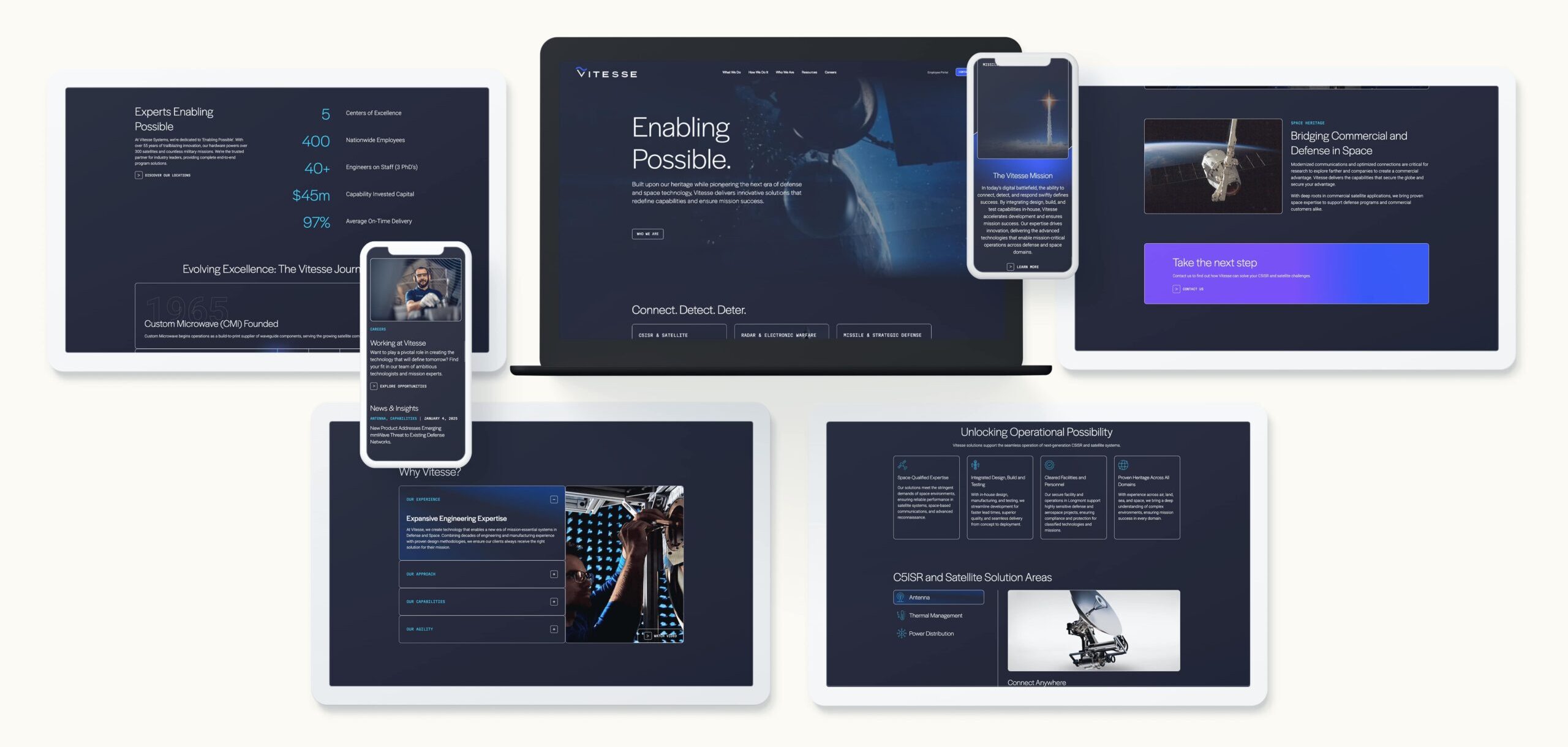
When your organization needs a full strategic reset, Bluetext delivers with proven frameworks and dedicated experts who design for both speed and rigor. To see the breadth of creative impact we can deliver, explore our advertising portfolio and imagine how a sharper story could elevate your next initiative.
The Bottom Line for Executive Marketers
The difference between a compliant message and a compelling message is not semantics. It is strategy, empathy, and operational excellence. Advertising agencies in Washington DC combine mission fluency with creative precision to help programs and partners communicate clearly, credibly, and at scale. They understand how narratives travel through policy windows and budget cycles and how to measure progress in terms that matter to leaders and citizens.
For executive teams planning the next fiscal year or preparing a major initiative, now is the time to pressure-test your narrative, refresh your channel strategy, and tighten your measurement architecture. Partner with an agency that treats your mission as its north star. Bluetext is ready to help you define your story, architect your omnichannel plan, and activate campaigns that move metrics and inspire action. Explore our capabilities and contact us to start shaping public sector messaging that earns trust and delivers results with the strength and sophistication you expect from advertising agencies in Washington DC.
Recent Posts
Top Cybersecurity Marketing Trends to Watch in 2027
Bluetext’s Recent Work