Marketing leaders in the nation’s capital face a unique mandate: deliver measurable growth while addressing complex buying committees, security expectations, and procurement rules. In this environment, web design in Washington DC is not a cosmetic exercise. It is a strategic lever that informs positioning, supports capture and growth, and turns complicated value propositions into clear actions. The organizations that treat their digital front door as a performance system, not an online brochure, gain an immediate edge over competitors who still design by opinion rather than evidence.
Why web design matters now for B2B and B2G growth
Decision cycles are faster, attention is scarcer, and expectations set by consumer platforms spill into enterprise and public sector journeys. Effective web design in Washington DC becomes the connective tissue between brand promise, thought leadership, and sales enablement. It fuels pipeline by clarifying value, proving credibility, and making the next step obvious. This is especially true across federal and regulated markets, where stakeholders must quickly confirm that vendors meet security, compliance, and mission needs. When your website removes friction and builds trust in the first 30 seconds, everything downstream gets easier.
What does high-performing web design in Washington DC look like?
High performers treat the site as a growth platform built around the buyer. Their web design in Washington DC is grounded in user research across key personas such as program managers, procurement officers, CISOs, CTOs, and business executives. These teams map questions to content, streamline pathways to conversion, and reinforce expertise with proof. The experience is fast, secure, accessible, and measurable. Every feature and pixel has a job to do, from navigation labels that mirror RFP vocabulary to performance budgets aligned to Core Web Vitals.
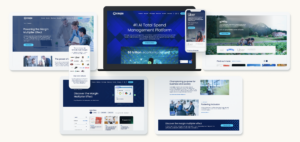
See how we partnered with Coupa
Trend 1: Personalization that respects privacy and accelerates clarity
Modern web design in Washington DC increasingly relies on modular content and light personalization to meet stakeholders where they are. A federal program manager might need contract vehicles and past performance, while a CTO wants architecture diagrams and integration specifics. Modular components allow the same page to adapt contextually based on referrer, industry, or user intent signals. The result is faster relevance without overwhelming visitors with irrelevant paths.
How to implement personalization without overreach
Adopt a consent-first, value-forward mindset. Begin with segment-level experiences that align calls to action with known priorities in Washington, such as mission outcomes, compliance, and risk reduction. Use progressive profiling in forms to reduce friction for repeat visitors. Make every personalized element explainable and genuinely helpful. The most effective web design in Washington DC balances helpful context with clear privacy controls, which is critical for public sector audiences.
Trend 2: Accessibility, compliance, and trust as design requirements
Accessibility is not optional in the capital. Successful web design in Washington DC meets WCAG standards, aligns to Section 508 where relevant, and treats inclusive design as both a moral and commercial imperative. Color contrast, keyboard navigation, semantic headings, and readable typography benefit all users while signaling quality. Compliance readiness, from privacy disclosures to content archiving practices, increases confidence among risk-conscious stakeholders who evaluate vendors on responsibility as well as capability.
Trend 3: Speed and Core Web Vitals as table stakes
Fast beats fancy. Sites that nail search visibility and engagement typically prioritize performance budgets, modern image formats, and lean, component-based front ends. Strong web design in Washington DC bakes Core Web Vitals into definition of done and continually monitors real user metrics. The payoff is immediate: faster page loads, higher organic reach, better conversion rates, and improved user satisfaction across mobile and desktop.
Trend 4: AI-powered findability and site search
Stakeholders expect precise answers fast. Enterprise-grade site search, improved taxonomy, and structured content allow users to self-serve with confidence. Leading web design in Washington DC now incorporates AI-assisted search that understands intent, ranks content by credibility, and suggests next steps such as booking a briefing or downloading a solution guide. When your website answers the top 20 buyer questions better than anyone else, you set the frame for every sales conversation that follows.
Trend 5: Security-first UX for public sector confidence
Security is both a technical and experience issue. Visitors take cues from execution details, such as clean form design, clear data practices, and minimal third-party bloat. Web design in Washington DC often integrates secure single sign-on for resource portals, uses content security policies, and limits unnecessary scripts that introduce risk. Trust badges and case evidence matter, but the frictionless, secure feel of the site communicates even more about how your team handles sensitive information.
How to align content with DC buyer journeys
For both commercial and government audiences, the shortest route to consideration is valuable content packaged for scan-ability. The best web design in Washington DC organizes content by use case, mission outcome, and role-based needs. Executive pages lead with outcomes and differentiation. Technical pages move quickly into architecture, integrations, and documentation. Procurement pages make contract vehicles, NAICS codes, and performance highlights easy to find. Clear, outcome-driven storytelling reduces cognitive load and raises the signal-to-noise ratio.
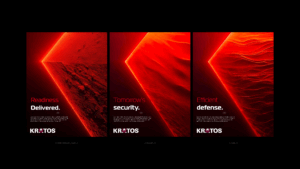
Take a look at what we built with Kratos
Search visibility remains the quiet force multiplier
Strong information architecture and technical SEO expand qualified reach. Optimize for topic clusters tied to your solutions and the language decision makers use, not just branded terms. Structured data, internal linking, and clean component-based templates improve crawl efficiency. Web design in Washington DC that treats organic search as a core channel often outperforms peers who rely too heavily on paid to mask discoverability gaps. Teams that integrate search engine optimization from the beginning avoid costly retrofits and ship faster-performing experiences.
Choosing the right CMS for scalability and control
Select a platform that matches governance, security, and speed requirements. For many organizations, WordPress balances ease of authoring with enterprise-grade performance through modern hosting and composable stacks. Others prefer Drupal for granular permissions and content modeling flexibility. The most effective web design in Washington DC adopts a CMS that enables non-technical teams to publish quickly while maintaining brand and security standards.
Platform guidance for DC-centric needs
Organizations that require rapid content updates and campaign agility often benefit from WordPress development services with a component library and robust role-based workflows. Enterprises and public sector teams with complex editorial and access control needs lean into Drupal development for its strength in structured content and governance. In both cases, build for performance from the outset and standardize reusable components to ensure consistency across campaigns.
Measurement: connect digital to pipeline and programs
Your website should prove its impact. High-performing web design in Washington DC defines a measurement model tied to sales stages, capture targets, and program goals. Track assisted conversions, content-influenced opportunities, and velocity. Combine product interest signals with account identification to surface relevant plays for business development. Dashboards that translate digital activity into revenue language give executives the clarity they need to invest confidently.
A 180-day roadmap to a high-performing redesign
Leaders often ask how to move fast without sacrificing quality. A disciplined, sprint-based approach allows teams to ship value early while laying a scalable foundation. The following blueprint has helped many organizations modernize web design in Washington DC on time and within budget:
- Weeks 1 to 3: Stakeholder interviews, competitive scan, analytics review, and buyer journey mapping. Define KPIs and success metrics.
- Weeks 4 to 6: Information architecture, content model, and component inventory. Prioritize templates for launch vs. backlog.
- Weeks 7 to 10: UX/UI design for core templates. Validate with rapid user testing that reflects DC personas.
- Weeks 11 to 16: Front-end build, CMS configuration, performance budgets, and content migration plan.
- Weeks 17 to 20: QA for accessibility, Core Web Vitals, and security controls. UAT with sales, BD, and compliance teams.
- Weeks 21 to 24: Content finalization, SEO readiness, and phased launch. Monitor and optimize against KPI dashboards.
Local context matters: why DC familiarity gives you an edge
Teams experienced in web design for government clients understand the cadence of the federal calendar, the importance of contract vehicles, and the expectations of technical buyers who manage risk at scale. They anticipate scrutiny around accessibility and privacy, reflect mission language accurately, and design proof points for complex procurements. This local fluency shortens cycles and prevents costly missteps that can stall launches or weaken credibility.
Integrating brand, messaging, and conversion paths
Design is the expression of strategy. The strongest web design in Washington DC is anchored in a clear positioning platform that scales across product lines, capture initiatives, and thought leadership. Messaging frameworks turn into page templates and component copy standards. Calls to action are specific to buyer stage, such as booking a demo, requesting a capabilities briefing, or downloading a contracting guide. Consistent brand execution reinforces authority, while conversion design turns that authority into meetings and revenue.
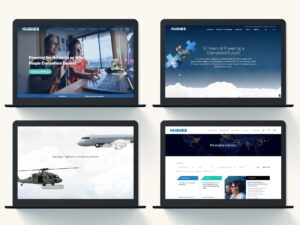
Get a closer look at our work with Hughes
Common pitfalls to avoid in Washington DC redesigns
Missteps are predictable and preventable. Resist the urge to design by internal preference rather than user evidence. Do not defer performance until the end. Avoid navigation labels that mirror your org chart instead of buyer language. Do not launch without a content governance model that keeps pages fresh and compliant. Above all, do not treat web design in Washington DC as a one-and-done project. Treat it as a living program that evolves with the market and your pipeline priorities.
Criteria for selecting a DC-ready web partner
Choosing the right collaborator can compress timelines and magnify outcomes. When evaluating partners, look for:
- Proven success delivering web design in Washington DC across B2B and B2G audiences.
- Expertise in accessibility, compliance, and performance monitoring.
- Demonstrated ability to translate complex value propositions into clear, modular content.
- SEO, analytics, and conversion optimization embedded in the process.
- A component-driven design system that accelerates future campaigns.
Local expertise is a differentiator. A DC digital web design agency understands the regional procurement landscape and can shape journeys that reflect how real stakeholders search, evaluate, and decide.
When to upgrade your web platform and design system
Signals include stagnant organic traffic despite content investments, rising paid media dependence to hit targets, dated templates that cannot express new offerings, or governance gaps that slow publishing. If your team cannot answer the top 20 buyer questions in two clicks or less, it is time to modernize. Strong web design in Washington DC closes these gaps with speed, structure, and credibility.
From traffic to trust: orchestrating the full journey
Websites do not win alone. Surround the experience with targeted demand programs that put the right people into the right paths. Integrate LinkedIn, ABM, and public sector events with landing pages that mirror campaign messaging. Nurture visitors with value-first follow-ups rather than generic blasts. The most effective web design in DC turns earned attention into confidence through consistent storytelling, fast answers, and frictionless conversion points.
Partnering with Bluetext for measurable outcomes
Bluetext helps brands translate complex stories into digital experiences that move markets. As a full-service website design agency, we build component-driven platforms that meet the demands of enterprise and public sector buyers. Our team aligns strategy, content, UX, and performance to the KPIs that matter: qualified pipeline, win rates, and time to value. For agencies and contractors that compete in government markets, our public sector digital marketing agency expertise elevates compliance and credibility from the first click.
Take the next step
If you are ready to transform web design in Washington DC into a competitive advantage, Bluetext can help. Whether you need a modernization roadmap, a component library that scales, or a full redesign anchored in measurable growth, our team is built for outcomes. Contact us to discuss your goals and see how an evidence-driven approach can accelerate your pipeline and brand authority. Reach out through our contact form to start the conversation.
Recent Posts
The Role of Simplified Logos in Corporate Rebranding
Top Brand Agencies and the Rise of Experiential Marketing
Bluetext’s Recent Work