Growth rarely happens in a straight line. Companies rebrand, enter new markets, acquire competitors, raise capital, expand their capabilities, and eventually position themselves for the next major milestone.
At each stage, the brand has to keep up.
A strong brand is more than a visual identity or a website. It is the system that helps a company explain who it is, why it matters, and where it is going. For organizations operating in complex B2B and government markets, that clarity can become especially important during periods of rapid transformation.
This week, we are looking at how brand, digital strategy, private capital, and search are converging around one central idea: companies need to build for what comes next, not just for where they are today.
FedTec: From Brand Transformation to Acquisition by Reply
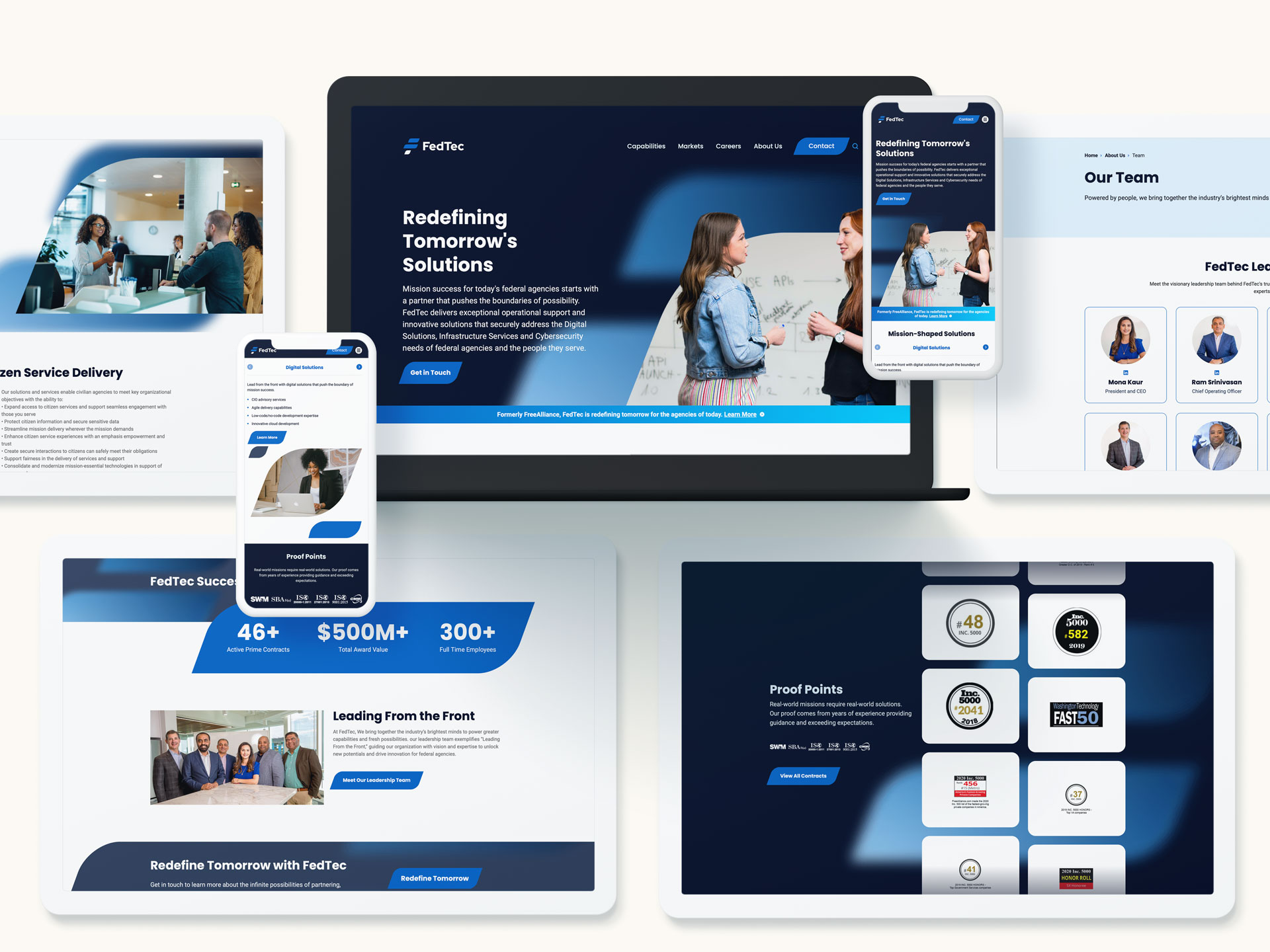
FedTec partnered with Bluetext as it transitioned from FreeAlliance and needed a brand that better reflected its capabilities, market position, and ambitions.
Bluetext developed a new messaging and positioning platform, logo, visual identity, and redesigned digital experience to give the company a stronger foundation for future growth. The goal was not simply to modernize the look and feel of the business, but to create a clearer and more differentiated story for federal customers, partners, employees, and other stakeholders.
FedTec has since been acquired by Reply, joining a global technology organization with expanded capabilities across artificial intelligence, cybersecurity, cloud modernization, automation, and digital transformation.
The transaction also represents an important Bluetext milestone: FedTec is the 101st Bluetext client to be acquired within 24 months of working with us.
While every transaction is driven by the strength of the business itself, FedTec demonstrates why companies should think about brand as infrastructure for growth. A clear identity, compelling story, and sophisticated digital presence can help an organization communicate its value more effectively as it scales, evolves, and prepares for major business milestones.
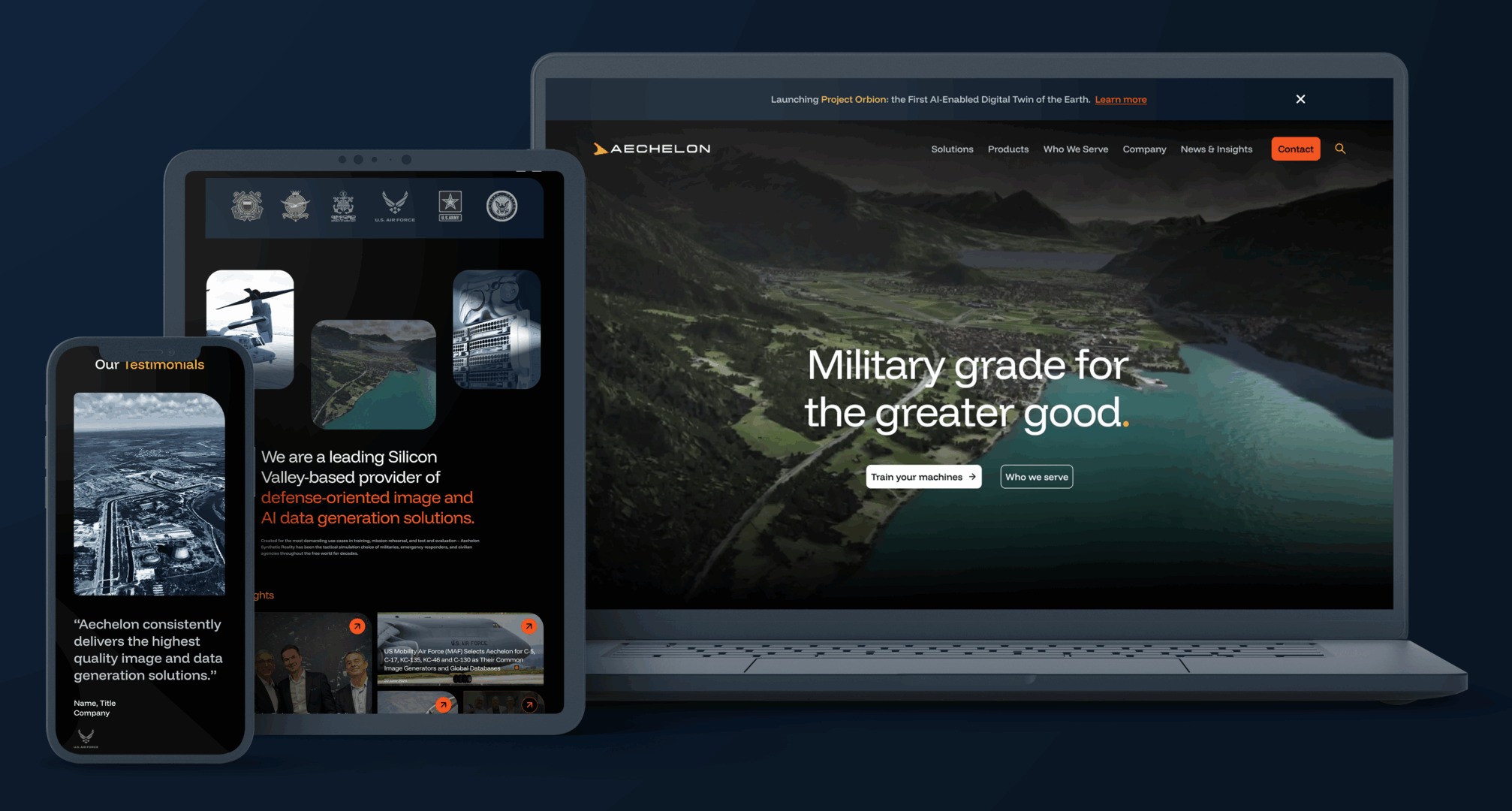
Where Capital Meets Brand in GovCon
That relationship between brand and enterprise value is also at the center of a recent episode of Digital Doorways.
Bluetext founder Jason Siegel sits down with Raj Kanodia, Co-Founder and President of Sagewind Capital, to explore one of the most interesting questions in government technology: how do investors build larger, more valuable platforms from founder-led businesses without losing what made those companies successful in the first place?
The conversation covers Sagewind’s buy-and-build approach across the GovCon market, including the challenges of integrating multiple companies under a larger platform while maintaining employee trust, customer credibility, and mission focus.
Raj and Jason also discuss how government technology companies must increasingly market to multiple audiences at once. Program offices need confidence in capabilities and mission execution. Employees need a reason to believe in the organization they are helping build. Investors and future acquirers need to see a differentiated platform with a clear growth story.
Brand sits at the intersection of all three.
Digital Strategy Requires More Than a Great Website
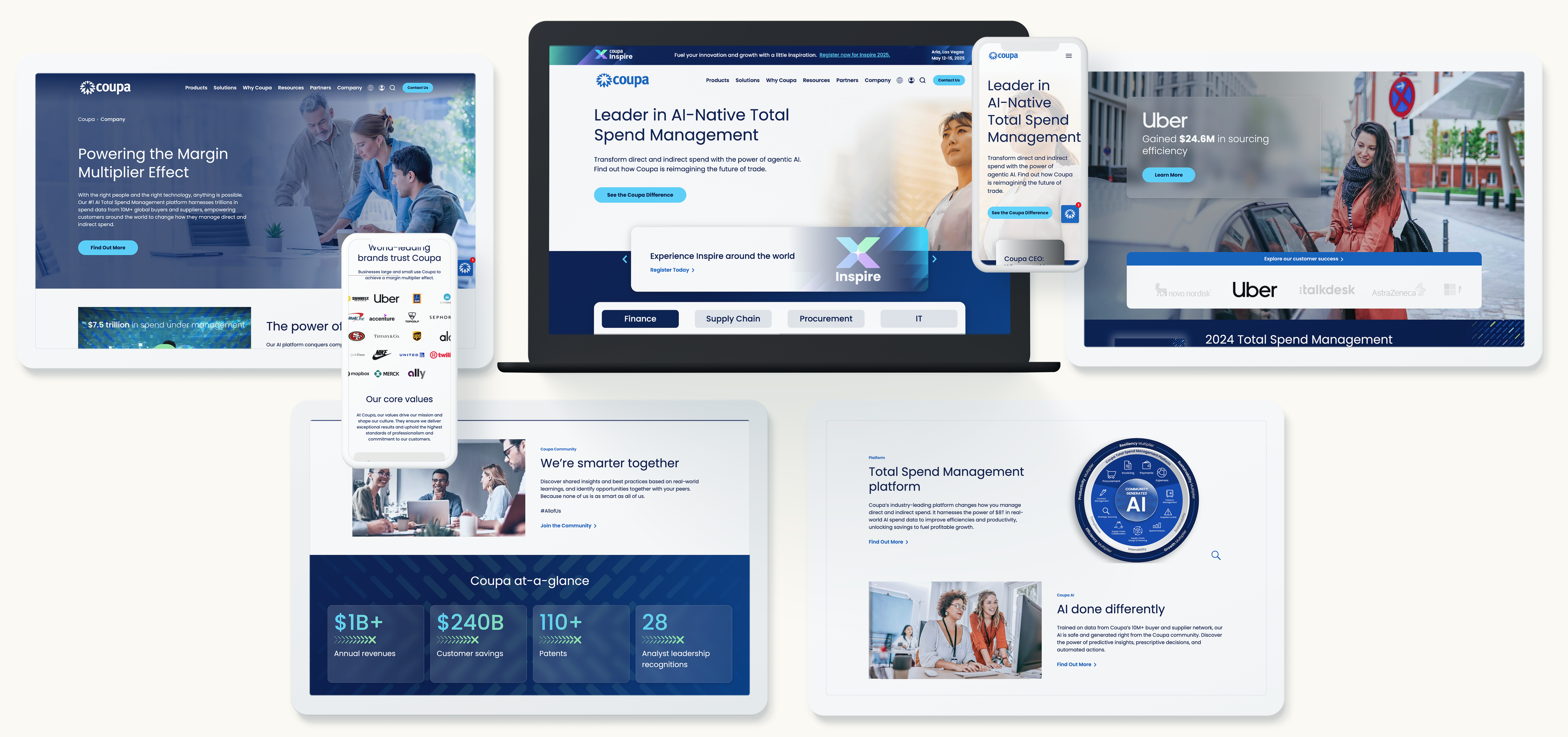
Building a growth-ready brand also requires a connected digital strategy.
Today’s most effective organizations are bringing together data, storytelling, technology, content, search, and user experience rather than treating them as separate marketing disciplines.
A strong digital presence should help audiences quickly understand the organization, find the information they need, and take the next logical step. That requires more than strong creative. It requires a clear understanding of user behavior, business goals, content strategy, technical performance, and the channels that influence the customer journey.
For B2B organizations in particular, the website increasingly serves as both a brand platform and a demand-generation engine.
SEO Is Evolving Alongside the Buyer
Search strategy is changing as well.
Traditional SEO tactics centered heavily on keywords and rankings. Modern B2B SEO requires a broader view of user intent, technical performance, content authority, AI-driven search experiences, and measurable business outcomes.
The objective is no longer simply to rank for more terms. It is to create useful, authoritative content that answers the questions buyers are asking while strengthening the organization’s credibility across both traditional search engines and emerging AI-powered discovery platforms.
That shift makes SEO a larger part of brand strategy. The organizations that consistently demonstrate expertise, clarity, and relevance are better positioned to earn visibility and trust throughout increasingly complex buying journeys.

Build for the Next Milestone
Whether a company is preparing for acquisition, integrating multiple businesses, modernizing its digital presence, or competing for visibility in search, the underlying requirement is the same.
The brand needs to reflect where the business is going.
Bluetext helps B2B, B2G, and technology organizations build brands, digital experiences, and marketing strategies designed to support growth and transformation.
Recent Posts
The Role of Simplified Logos in Corporate Rebranding
Top Brand Agencies and the Rise of Experiential Marketing
Bluetext’s Recent Work