In today’s quickly moving digital landscape, engaging with the public sector through effective digital design has become a critical component for success. As government agencies and public institutions increasingly embrace digital transformation, the demand for a seamless, user-centric experience is more important than ever. For marketing leaders, understanding how digital design can enhance public sector engagement is crucial to meeting the expectations of a tech-savvy audience.
The Role of User Experience in Public Sector Digital Design
User experience (UX) is at the heart of effective digital design, especially in the public sector. Government websites and applications must be accessible, intuitive, and efficient to serve diverse user groups. A digital design agency specializing in UX can help create interfaces that cater to these needs, ensuring that information is easy to find and services are straightforward to use. By prioritizing UX, agencies can significantly improve user satisfaction and engagement.
Accessibility: Oft-overlooked
Accessibility is a legal and moral imperative for public sector digital initiatives. Ensuring that digital platforms are usable by people with disabilities is not just about compliance; it’s about inclusivity. Design elements such as screen reader compatibility, keyboard navigation, and text-to-speech functions must be integrated from the start. This commitment to accessibility can enhance engagement by making public services available to all citizens, thus broadening the reach and impact of digital campaigns.
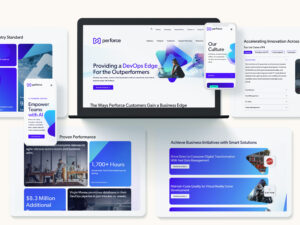
Consistency is what makes a message compound. See for yourself how we modernized Perforce’s image.
Leveraging Data to Inform Design Decisions
Data-driven design is a powerful tool for enhancing public sector engagement. By analyzing user behavior and feedback, agencies can gain insights into how their digital platforms are used and where improvements are needed. A digital design agency can employ analytics tools to gather this data, allowing for informed decisions that optimize user pathways and streamline interactions. This iterative process ensures that digital solutions evolve to meet user expectations effectively.
Personalization in Public Sector Design
Personalization is a growing trend in digital design, offering customized experiences that resonate with individual users. For the public sector, this means tailoring content and services based on user preferences and past interactions. While personalization must be balanced with privacy concerns, it can lead to more meaningful engagement by delivering relevant information and services directly to users. Agencies looking to implement personalization strategies can benefit from the expertise of a digital design agency that understands the nuances of public sector requirements.
The Importance of Visual Design in Public Sector Engagement
Visual design plays a crucial role in capturing and retaining user attention. In the public sector, where information can often be dense and complex, clear and compelling visual design can make all the difference. A well-crafted visual identity not only enhances brand recognition but also aids in the communication of key messages. By working with an experienced digital marketing design agency, public sector organizations can ensure that their visual design aligns with their engagement goals.
Consistency Across Channels
Maintaining a consistent visual identity across all digital channels is essential for building trust and recognition. Whether it’s a government website, social media presence, or mobile application, users should experience a cohesive design that reinforces the brand’s values and mission. This consistency helps establish credibility and makes it easier for users to navigate different platforms seamlessly.
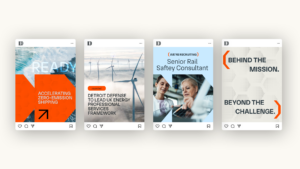
Growth stalls when the story doesn’t scale. Walk through our repositioning of Detroit Defense.
Enhancing Engagement Through Strategic Content
Content is the backbone of digital engagement strategies. For the public sector, content must be clear, concise, and tailored to the audience’s needs. A content marketing company with expertise in public sector communications can help develop content strategies that resonate with diverse audiences. This includes everything from educational materials to interactive tools that engage users and encourage active participation.
Interactive and Multimedia Content
Incorporating interactive and multimedia content can significantly boost user engagement. Videos, infographics, and interactive tools offer dynamic ways to present information and encourage user interaction. These formats can simplify complex topics, making them more accessible and engaging for a wider audience. By leveraging these tools, public sector agencies can foster a deeper connection with their constituents.
Enhancing public sector engagement through digital design requires a strategic approach that integrates user experience, data-driven insights, visual identity, and effective content strategies. By partnering with a leading public sector digital marketing agency like Bluetext, organizations can navigate the complexities of digital transformation and deliver impactful, user-centric solutions. To learn more about how Bluetext can support your digital design needs, contact us today.
Recent Posts
Bluetext’s Recent Work