The NFL season has not even started, and one of advertising’s most valuable commodities is already gone.
Disney has sold out its advertising inventory for Super Bowl LXI, which will air on ABC and ESPN in February 2027. The sellout includes dozens of brands across a wide range of categories, with several advertisers making their Super Bowl debut.
On the surface, the story is another reminder of the enduring power of the Super Bowl as an advertising platform. But the more important takeaway is what the early sellout says about the modern media landscape.
At a time when audiences are increasingly fragmented across streaming platforms, social networks, digital channels, podcasts, connected TV, and countless other media environments, large-scale shared attention is becoming harder to find.
And that is making the moments that can still command it more valuable than ever.
Attention Is Becoming the Scarce Resource
Marketers have access to more inventory than at any point in history.
Brands can reach highly specific audiences through paid social, search, programmatic media, streaming, retail media, influencers, podcasts, digital out-of-home, and dozens of other channels.
But more ways to reach people do not necessarily translate into more attention.
Consumers are splitting their time across an increasingly complex media ecosystem, making it harder for brands to create moments when large groups of people are simultaneously focused on the same thing.
Live sports remain one of the clearest exceptions.
The Super Bowl represents the extreme end of that spectrum, but the underlying dynamic applies across industries. When attention concentrates around a major event, launch, conference, announcement, or cultural moment, the value of that opportunity can increase dramatically.
Brands are not simply buying impressions.
They are buying concentrated attention.
The Event Is No Longer the Entire Campaign
Another important shift is taking place in how advertisers approach major media moments.
A Super Bowl investment is no longer just about securing a 30-second spot.
Disney is positioning Super Bowl LXI as a broader, yearlong marketing ecosystem spanning ESPN, ABC, digital platforms, content, fan experiences, and other activations leading up to the game.
That same thinking should apply to any major marketing opportunity.
A conference should not begin and end with a booth.
An acquisition announcement should not begin and end with a press release.
A product launch should not be confined to launch day.
The strongest campaigns build before the moment, maximize attention during it, and extend momentum afterward.
A major event can fuel executive thought leadership, social content, paid media, earned media, customer communications, sales enablement, video, experiential activations, and follow-up campaigns.
The media placement becomes the center of an ecosystem rather than a standalone tactic.
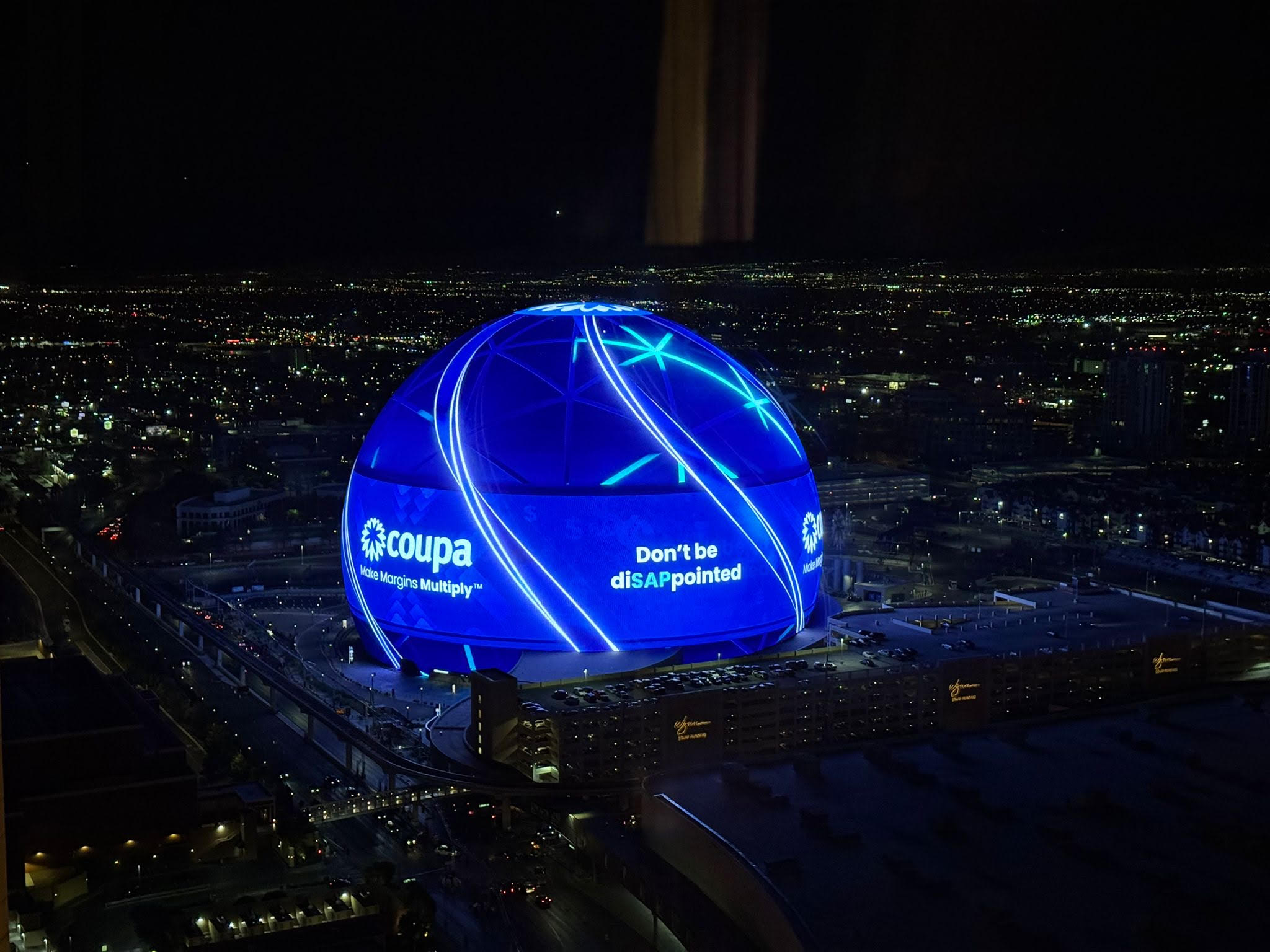
Think in Campaigns, Not Placements
This is where the Super Bowl offers a lesson for brands with much smaller budgets.
The strategic question should not simply be, “What does this placement cost?”
It should be, “What can we build around this opportunity?”
For a cybersecurity company, that moment might be RSA Conference or Black Hat.
For a government contractor, it might be AUSA.
For a B2B technology company, it could be a major product launch, industry report, acquisition, funding announcement, or category-defining event.
Every market has moments when customer attention concentrates.
The opportunity is to identify those moments early and create an integrated campaign capable of owning a larger share of the conversation.
Reach Is Easy. Relevance at Scale Is Hard.
Modern marketing platforms have made reach remarkably accessible. Almost any brand can generate impressions.
The harder challenge is creating relevance and memorability at scale.
Performance marketing, targeting, attribution, and conversion optimization all matter. But when efficiency becomes the entire strategy, brands risk becoming very good at producing advertising that audiences barely remember.
The strongest marketing strategies balance precision with impact.
They capture existing demand while also creating new demand.
And they recognize that the cheapest impression is not always the most valuable one.
Sometimes the most valuable impression is the one delivered when your audience is genuinely paying attention.
Disney’s early Super Bowl sellout is a useful reminder of that reality.
In an increasingly fragmented media environment, the moments that bring audiences together may be becoming more valuable, not less.
The brands that identify those moments early and build around them strategically will be best positioned to turn attention into meaningful business impact.
Ready to Turn Attention Into Impact?
Whether you’re planning around a major industry event, product launch, acquisition, or broader brand campaign, Bluetext can help you build an integrated strategy that extends far beyond a single moment. Contact Bluetext today to learn how we can help you capture attention, amplify your message, and turn high-value opportunities into measurable business results.
Recent Posts
Top Cybersecurity Marketing Trends to Watch in 2027
Bluetext’s Recent Work