Launching a new product is an exciting, but often challenging endeavor. Whether you’re expanding into a new market or introducing an innovative solution, success hinges on a well-crafted go-to-market (GTM) strategy. Without the right approach, even the most groundbreaking products can struggle to gain traction. In this post, we’ll break down the key components of a successful GTM strategy and provide actionable insights to ensure your product hits the ground running.
1. Conduct Thorough Market Research & Competitive Analysis
Before launching any product, it’s critical to understand the landscape in which you’re operating. Market research should reveal customer pain points, trends, and opportunities while competitive analysis uncovers where your product can stand out.
Start by identifying:
- Customer needs: What problems does your product solve?
- Market trends: What external factors could influence demand, such as technological shifts or regulatory changes?
- Competitor positioning: Where do competitors excel, and where are the gaps you can fill?
Surveys, industry reports, customer feedback, and tools like Google Trends can be invaluable in this phase. By gathering robust insights, you can fine-tune your product’s features and positioning to meet market demand.
At Bluetext, we guide clients through detailed research processes, providing data-driven insights to inform every stage of the product launch. Our experience helps ensure that your GTM strategy is rooted in a deep understanding of the market and your competition.
2. Define Your Target Audience & Craft Messaging
Identifying your target audience is crucial to a successful launch. The better you understand your customers, the more effectively you can speak to their needs. This starts with developing detailed buyer personas that include demographic, psychographic, and behavioral characteristics.
Once you know your audience, craft messaging that resonates with their specific pain points and desires. Focus on creating a narrative that communicates your product’s unique value in a way that speaks directly to your target market.
3. Establish a Clear Product Positioning & Value Proposition
Your product’s value proposition is the foundation of your GTM strategy. It should clearly articulate why your product is better than alternatives in the market and how it meets the needs of your target audience.
A strong value proposition:
- Addresses specific customer pain points.
- Highlights key benefits that differentiate your product from the competition.
- Speaks to the outcomes or results customers can expect.
Bluetext works closely with clients to develop compelling value propositions and positioning strategies that ensure products are set for maximum impact from day one.
4. Align Sales Enablement & Channel Strategy
Sales teams are the frontline advocates for your product, so it’s critical to provide them with the tools they need to sell effectively. This includes:
- Sales collateral: Product brochures, pitch decks, and case studies that emphasize product benefits.
- Training: Regular training sessions to keep sales teams informed on key product features and messaging.
- CRM tools: Ensure your team has the right tools to track and manage customer relationships.
Additionally, consider your distribution channels. Will you rely on direct sales, resellers, or strategic partnerships to bring your product to market? Defining this early will ensure your product reaches the widest possible audience.
Bluetext has helped numerous clients refine their channel strategies, resulting in stronger partnerships and more effective sales efforts.
5. Execute a Comprehensive Promotional Tactics & Launch Plan
Your product launch is your opportunity to create buzz and generate excitement. A strong launch plan will include:
- Pre-launch activities: Build anticipation through teasers, beta testing, and influencer outreach.
- Launch day: Use a mix of PR, digital advertising, and social media campaigns to ensure maximum visibility.
- Post-launch engagement: Continue the momentum with follow-up campaigns, customer testimonials, and product demos.
Bluetext has executed numerous successful launch campaigns, leveraging a variety of promotional tactics tailored to each client’s audience and industry. From targeted digital ads to influencer partnerships, we ensure your launch garners the attention it deserves.
6. Measure Success & Optimize
Once your product is in the market, it’s important to track its performance and adjust your strategy as needed. Key performance indicators (KPIs) to monitor include:
- Sales figures: Are you meeting your sales targets?
- Market penetration: How well is your product performing against competitors?
- Customer acquisition: Are you attracting your target audience effectively?
With Bluetext’s data-driven approach, we help clients not only track success but also refine their strategies based on performance. Regular analysis and optimization can make the difference between a product that performs well and one that dominates the market.
Setting Your Product Up for Long-Term Success
Launching a new product is no small feat, but with the right GTM strategy, you can significantly increase your chances of success. From market research to promotional tactics, each step of the process should be carefully planned and executed to ensure maximum impact.
At Bluetext, we specialize in creating tailored go-to-market strategies that deliver results. Ready to launch your next product with confidence? Contact us today to see how we can help.
For SaaS companies, content marketing is more than a buzzword—it’s a core driver of user acquisition, engagement, and retention. At Bluetext, we’ve worked with leading SaaS brands to build strategic content marketing campaigns that not only attract users but keep them engaged long-term. In this post, we’ll share advanced tactics to help your SaaS company build high-performance content campaigns that drive product adoption and increase retention.
The Unique Challenges of SaaS Content Marketing
Unlike traditional products, SaaS offerings live in a fast-evolving digital environment where product updates are frequent, user education is critical, and retention is key to growth. For this reason, your content marketing must do more than just capture attention—it needs to nurture users, demonstrate ongoing value, and reduce churn.
At Bluetext, we understand that SaaS marketing requires a customer-first approach that meets users at every stage of their journey. From initial awareness to retention strategies, your content should deliver value, solve pain points, and provide the information users need to succeed with your product.
Key Tactics for High-Performance SaaS Content Campaigns
1. Customer-Centric Content Strategy
Your SaaS customers have different needs depending on where they are in their journey, and your content should reflect that. A strategic content marketing plan focuses on the following stages:
- Awareness: Attract potential customers with educational content that highlights industry challenges and trends. Think of blog posts, infographics, and whitepapers that position your brand as a thought leader.
- Consideration: Offer detailed comparisons, case studies, and solution-specific content to help users evaluate your product against competitors.
- Decision: Showcase product demos, free trials, and testimonials that reinforce the value of your SaaS solution and encourage sign-ups.
At Bluetext, we prioritize creating targeted, customer-centric content that speaks directly to each stage of the buyer’s journey—whether the goal is driving product sign-ups or nurturing current users.
2. Maximizing SEO for SaaS
SEO is a cornerstone of any SaaS content marketing strategy. High-intent, long-tail keywords that address specific problems your software solves are essential for capturing qualified traffic. But it’s not just about traffic volume; it’s about attracting the right audience.
Our team at Bluetext uses data-driven SEO strategies that combine technical optimization with high-quality, informative content. For SaaS companies, how-to guides, feature-focused blog posts, and use-case articles are particularly effective in driving organic traffic. These types of content not only rank well but also educate users and showcase your product’s capabilities.
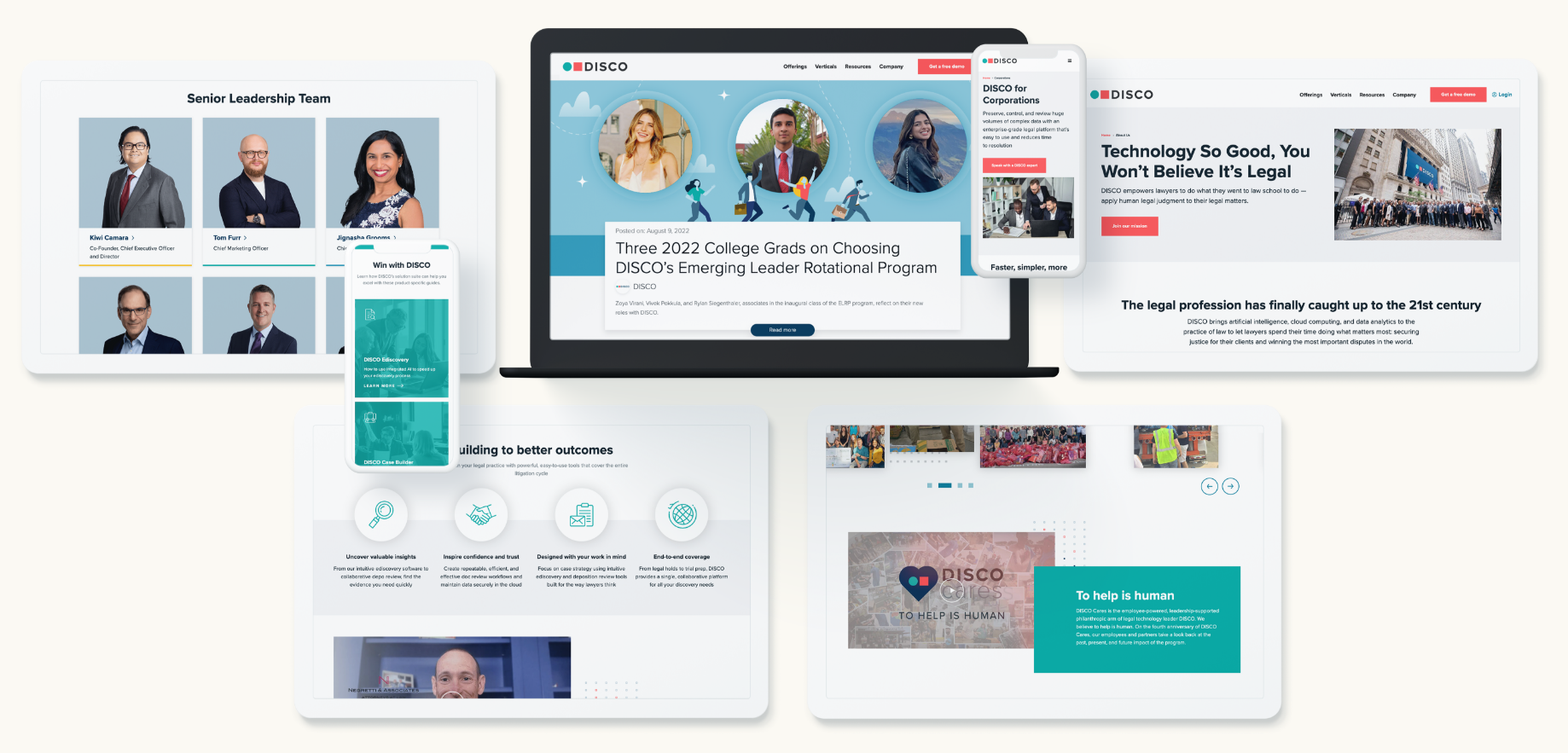
3. Product-Led Content
SaaS users need more than just promises—they need to see how your product works and how it can solve their problems. That’s where product-led content comes in. From in-depth feature breakdowns to video tutorials, product-led content helps users understand how to extract maximum value from your software.
At Bluetext, we focus on creating product-centric content that empowers users to make informed decisions. This approach ensures that potential customers feel confident adopting your SaaS solution, while existing users stay engaged and continue to explore more features.
4. Building Credibility with Case Studies & User Stories
One of the most effective ways to build trust and credibility for your SaaS product is through the success of your customers. Case studies and user stories highlight real-world applications of your software and provide social proof that potential customers are looking for.
Whether it’s a Fortune 500 company or an emerging startup, the team at Bluetext knows how to craft compelling case studies that showcase measurable results. These narratives help potential customers see how your product fits into their own success story, boosting conversions and driving deeper engagement.
Distributing Content Effectively
Creating high-quality content is just one piece of the puzzle. For SaaS companies, how you distribute and amplify that content can make all the difference. At Bluetext, we build multi-channel distribution strategies to ensure content reaches your audience in the right place, at the right time.
1. Email Marketing for User Engagement
Email remains one of the most effective tools for SaaS marketers to nurture leads and retain customers. Onboarding emails, drip campaigns, and product update newsletters are all critical touchpoints to keep users engaged. Bluetext specializes in creating personalized email marketing strategies that ensure your users get the content they need when they need it.
2. Social Media Amplification
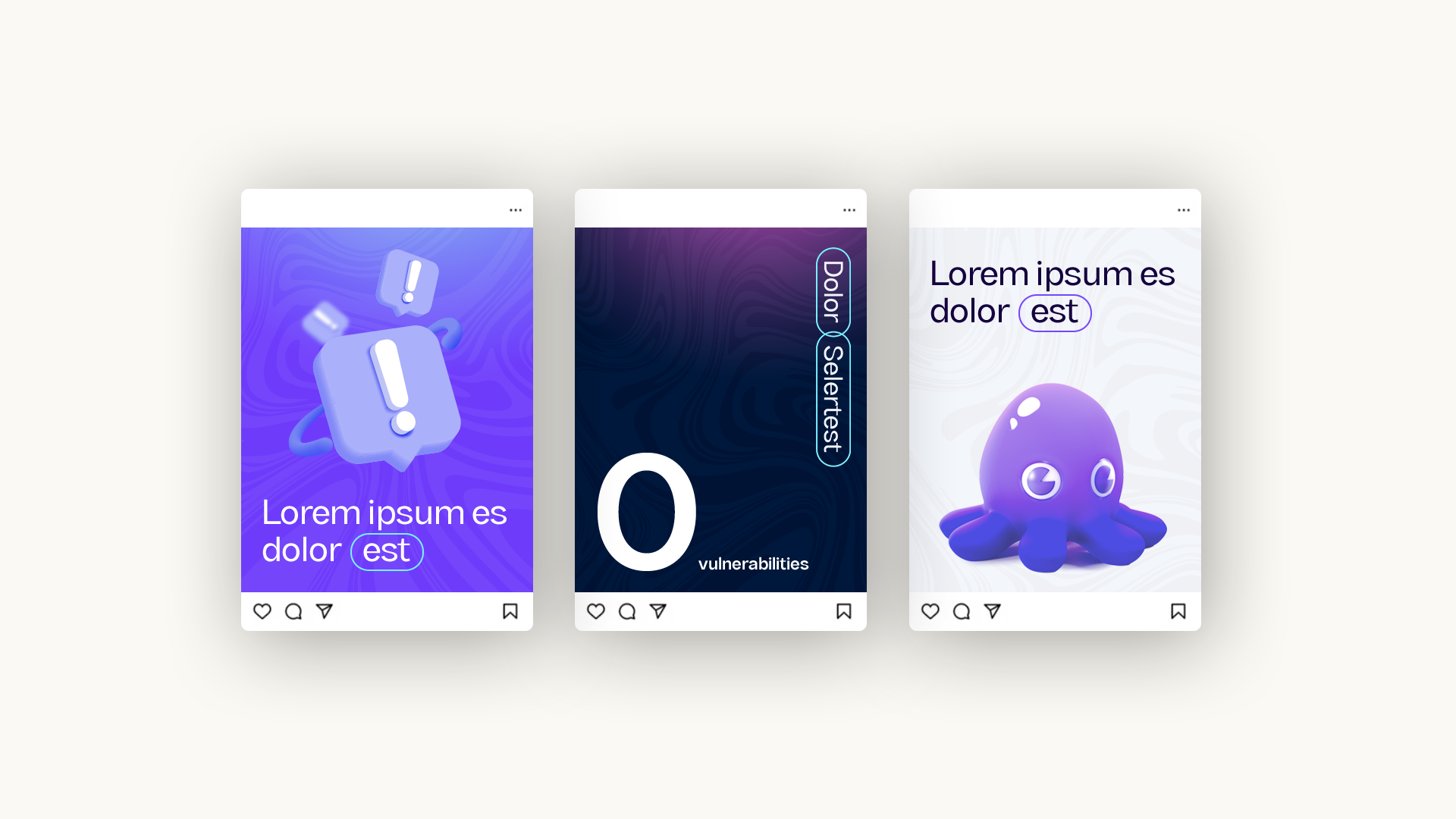
Social media is another powerful channel for SaaS companies to share content and engage users. Our team leverages platforms like LinkedIn, Twitter, and Facebook to promote blog posts, webinars, and case studies to targeted audiences. Whether it’s through organic posts or paid campaigns, we ensure your content is reaching decision-makers and influencers in your industry.
3. Partnerships and Co-Marketing
Expanding your reach through strategic partnerships is another effective way to grow your audience. At Bluetext, we help SaaS brands collaborate with complementary companies or thought leaders to share content and co-market campaigns. These partnerships not only increase brand visibility but also build valuable backlinks that improve SEO.
Measuring Success and Optimizing Campaigns
Content marketing isn’t static—it’s an ongoing process of analysis and refinement. For SaaS companies, success is measured by more than just clicks and traffic. At Bluetext, we use key performance indicators (KPIs) like content-driven conversions, churn reduction, and user engagement to track the success of our campaigns.
Our team continuously optimizes campaigns based on performance data, employing A/B testing for headlines, call-to-actions, and content formats to ensure that your content is always working toward its full potential.
Conclusion
High-performance content marketing for SaaS products requires a deep understanding of your customers, a tailored content strategy, and a robust distribution plan. At Bluetext, we’ve helped SaaS brands craft content campaigns that drive adoption, boost engagement, and foster long-term customer retention. By using these advanced tactics, you can turn your content into a powerful engine for SaaS growth.
Ready to elevate your content marketing strategy? Contact Bluetext today to see how we can help you drive SaaS adoption and retention through data-driven, high-performance content campaigns.
In today’s fast-paced digital landscape, brands must continually evolve to stay relevant and competitive. One of the most transformative forces in modern branding is artificial intelligence (AI). From automating design processes to creating personalized visual experiences, AI is changing how brands are developed and perceived. But how do you leverage this cutting-edge technology to enhance your brand design while staying true to your core identity? In this post, we’ll explore how integrating AI into your brand design strategy can help you stay ahead of the curve.
The Importance of AI in Brand Design
Artificial intelligence has infiltrated almost every industry, and brand design is no exception. Traditional brand design workflows, which used to be time-intensive and reliant on human intuition, are now becoming more efficient and data-driven thanks to AI tools.
AI can assist in logo creation, generate brand color palettes, suggest fonts, and even layout entire webpages or advertisements in seconds. These tools allow businesses to produce consistent and aesthetically pleasing visuals more quickly and with fewer resources. But beyond speed and convenience, AI also introduces a level of precision and adaptability that wasn’t possible before, allowing brands to make informed, data-backed design decisions.
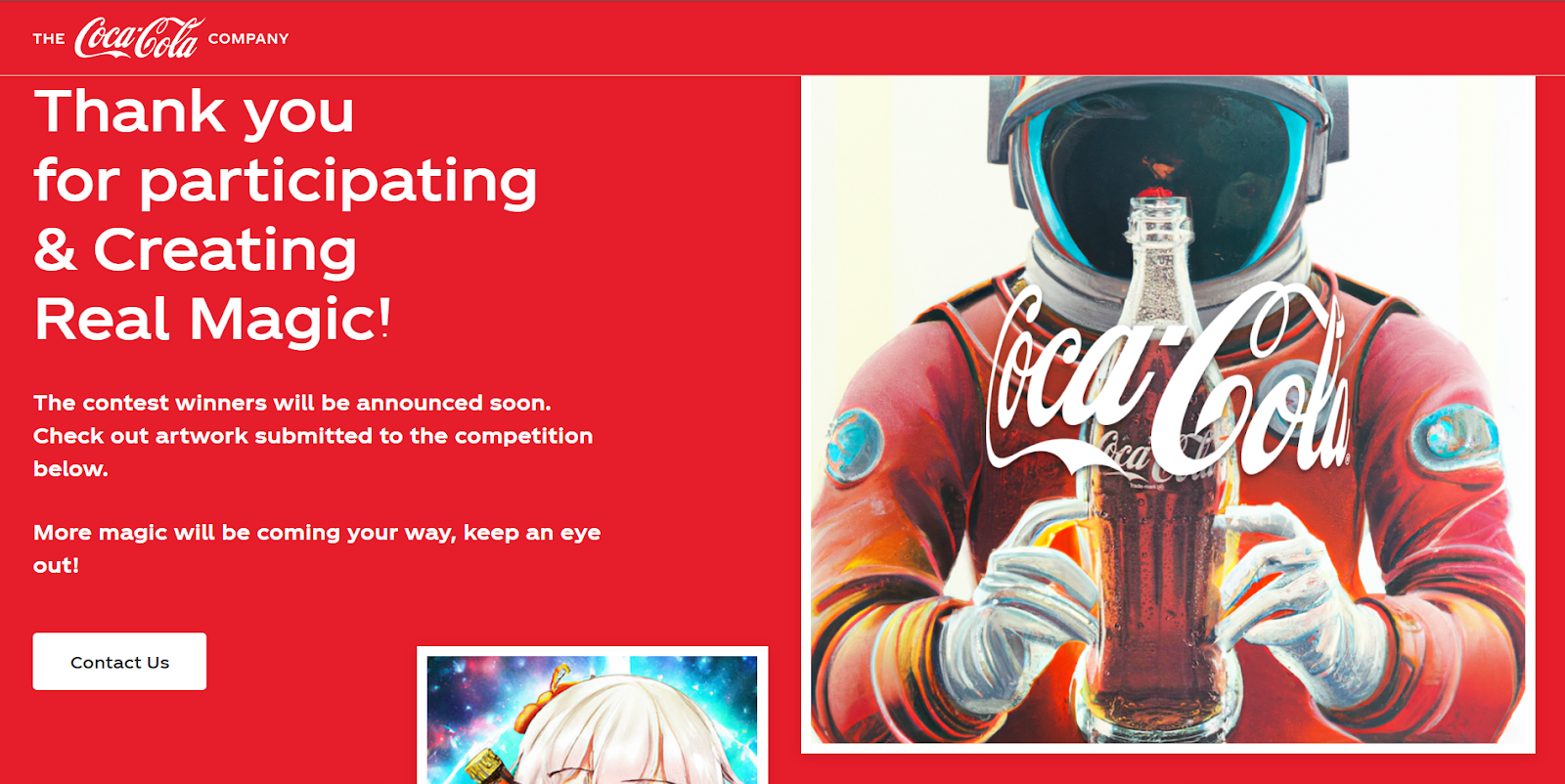
AI Tools Revolutionizing Brand Design
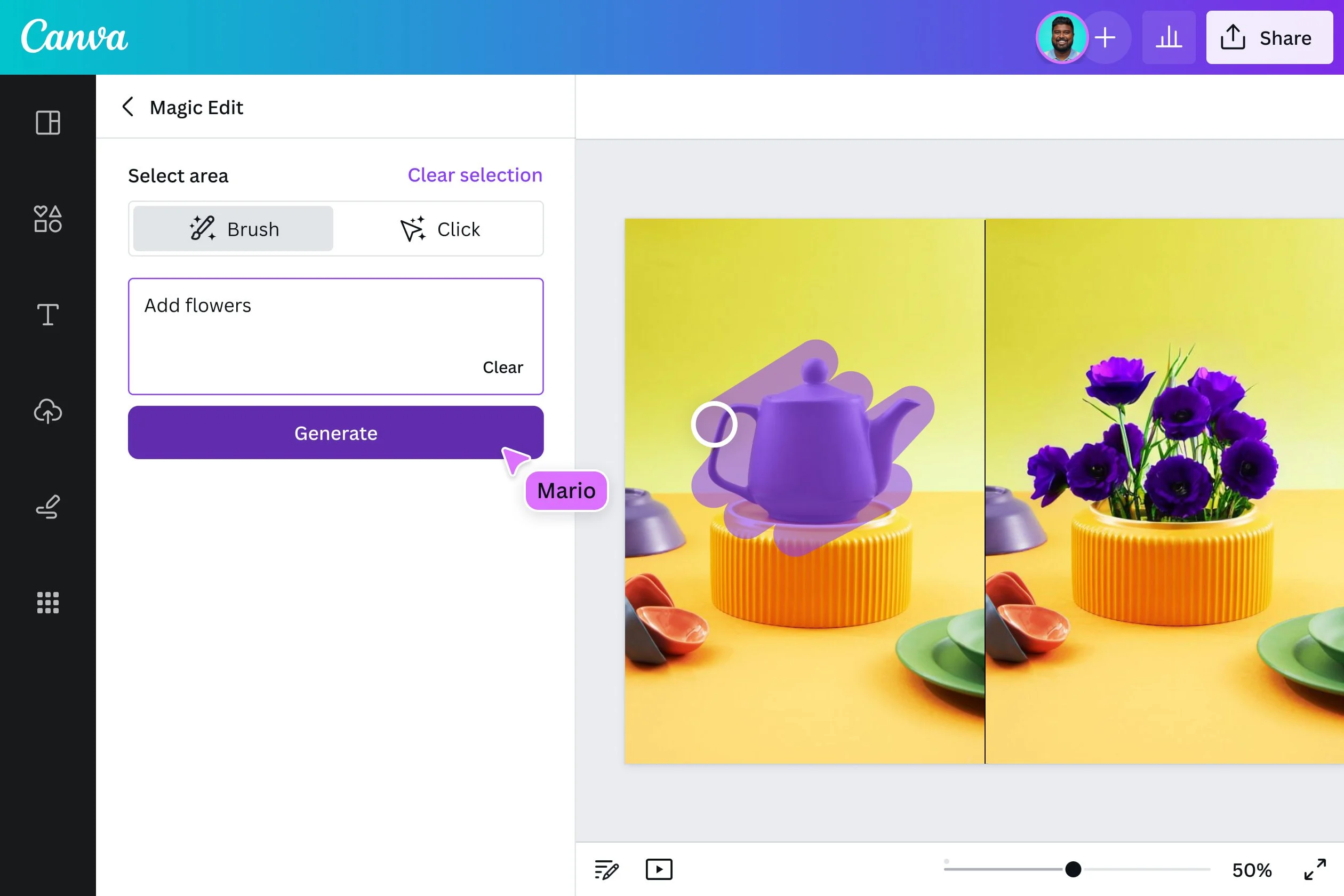
A host of AI-driven tools are already making waves in the design world, democratizing access to professional-level design. Tools like Adobe Firefly and Canva’s AI features enable both novice and professional designers to experiment with design elements like colors, typography, and layouts in real time. Looka, an AI logo design platform, allows users to create logos that fit their brand aesthetic in just a few clicks, using intelligent algorithms that adapt to user input.
These tools not only streamline processes but also give designers the creative freedom to focus on bigger-picture thinking while the AI handles the more repetitive aspects of design. Whether it’s generating mockups or automating the application of branding across multiple formats, AI tools are helping companies achieve consistent and impactful visual identities at scale.
Personalization and Dynamic Design Through AI
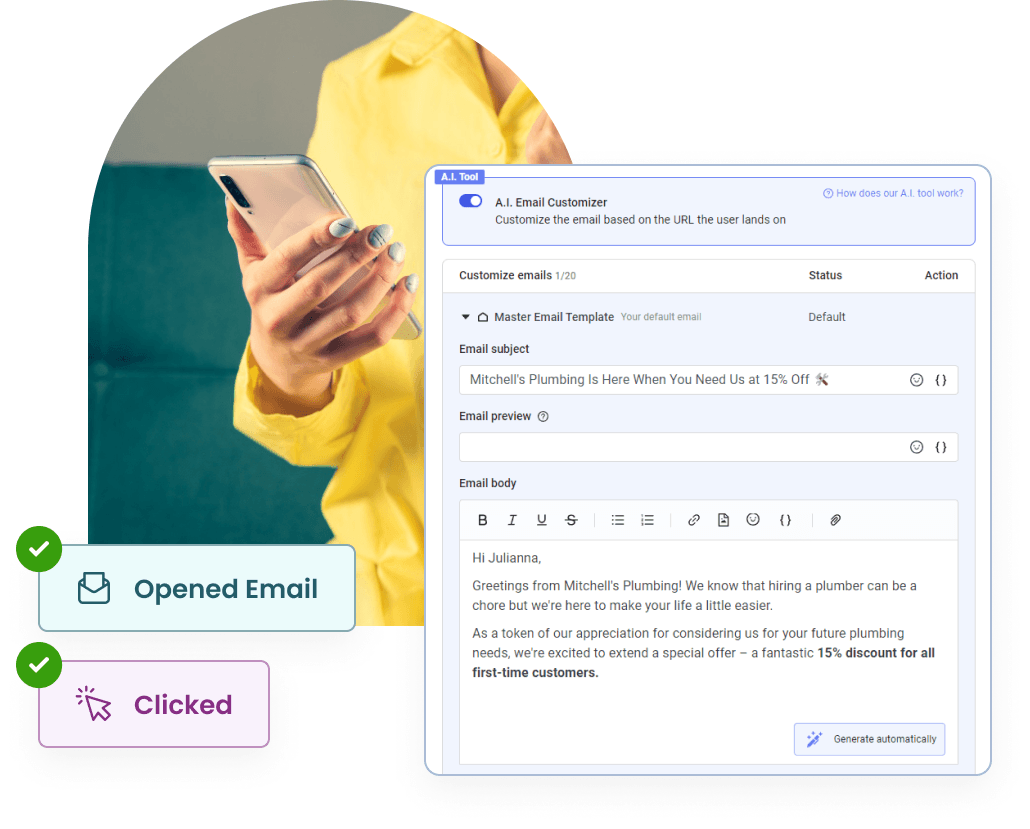
One of AI’s most exciting applications in brand design is its ability to create personalized, dynamic visuals. By analyzing user data, AI can tailor brand experiences in real-time to better match individual preferences. This means brands can deploy personalized content, from custom website designs to targeted email visuals, based on user behavior and engagement patterns.
This level of personalization fosters a deeper connection between the brand and its audience, improving engagement and loyalty. For instance, AI can help e-commerce platforms generate product recommendations that are reflected in personalized brand designs, ensuring customers see visuals that resonate with their tastes and needs. This dynamic approach makes the brand feel more responsive, relevant, and customer-centric.
Maintaining Creativity and the Human Touch
While AI has proven itself to be a powerful tool in the designer’s toolkit, it’s important to remember that it’s not a replacement for human creativity. AI can enhance efficiency and produce data-backed designs, but the human touch is still crucial to infusing authenticity and emotion into your brand.
To maintain the balance, brands should view AI as a complement to human creativity, not a substitute. While AI can generate a polished logo in minutes, it takes a designer’s artistic vision to ensure that the logo communicates the right message and aligns with the brand’s ethos. Incorporating AI into your workflow should free up time for more strategic, creative thinking rather than completely automating the creative process.
How to Stay Ahead of the Curve
So, how can you stay ahead in this AI-driven design revolution? Here are a few practical tips:
- Start Small: Introduce AI tools incrementally into your design process. Use them to optimize repetitive tasks like resizing visuals or applying brand guidelines across platforms.
- Keep Learning: AI tools are evolving rapidly. Stay updated on new AI-powered design platforms and features to keep your workflow cutting-edge.
- Blend Creativity with AI: Don’t rely entirely on AI for design. Leverage its strengths in efficiency while maintaining human creativity to ensure your brand remains authentic and original.
- Experiment with Personalization: Use AI to create dynamic, personalized visual experiences that engage your audience. The more tailored your content is, the more effective it will be.
Conclusion
The integration of AI into brand design is not just a trend—it’s the future. AI offers unparalleled speed, precision, and customization that allow brands to innovate and compete on a global scale. However, the key to leveraging AI successfully lies in balancing its technological strengths with the creativity and emotional intelligence only humans can provide.
By embracing AI-driven tools and staying informed on the latest innovations, brands can maintain a competitive edge while still delivering designs that are authentic, personal, and aligned with their values. The future of brand design is a partnership between human creativity and AI’s efficiency—one that, when done right, will allow brands to thrive in the evolving digital landscape. Contact us today to explore how AI-powered design can elevate your brand to new heights!
In today’s competitive marketplace, customer loyalty is more valuable—and harder to earn—than ever before. Consumers have endless options at their fingertips, and brands must go above and beyond to stand out. One powerful way to secure long-term customer loyalty is through personalized rewards programs. These programs not only incentivize repeat business but also strengthen the emotional connection between the brand and the customer by making every interaction feel more meaningful.
But what does it take to design and implement a personalized rewards program that keeps customers coming back? Let’s explore the key elements of an effective, customer-centric loyalty strategy.
The Importance of Personalization in Loyalty Programs
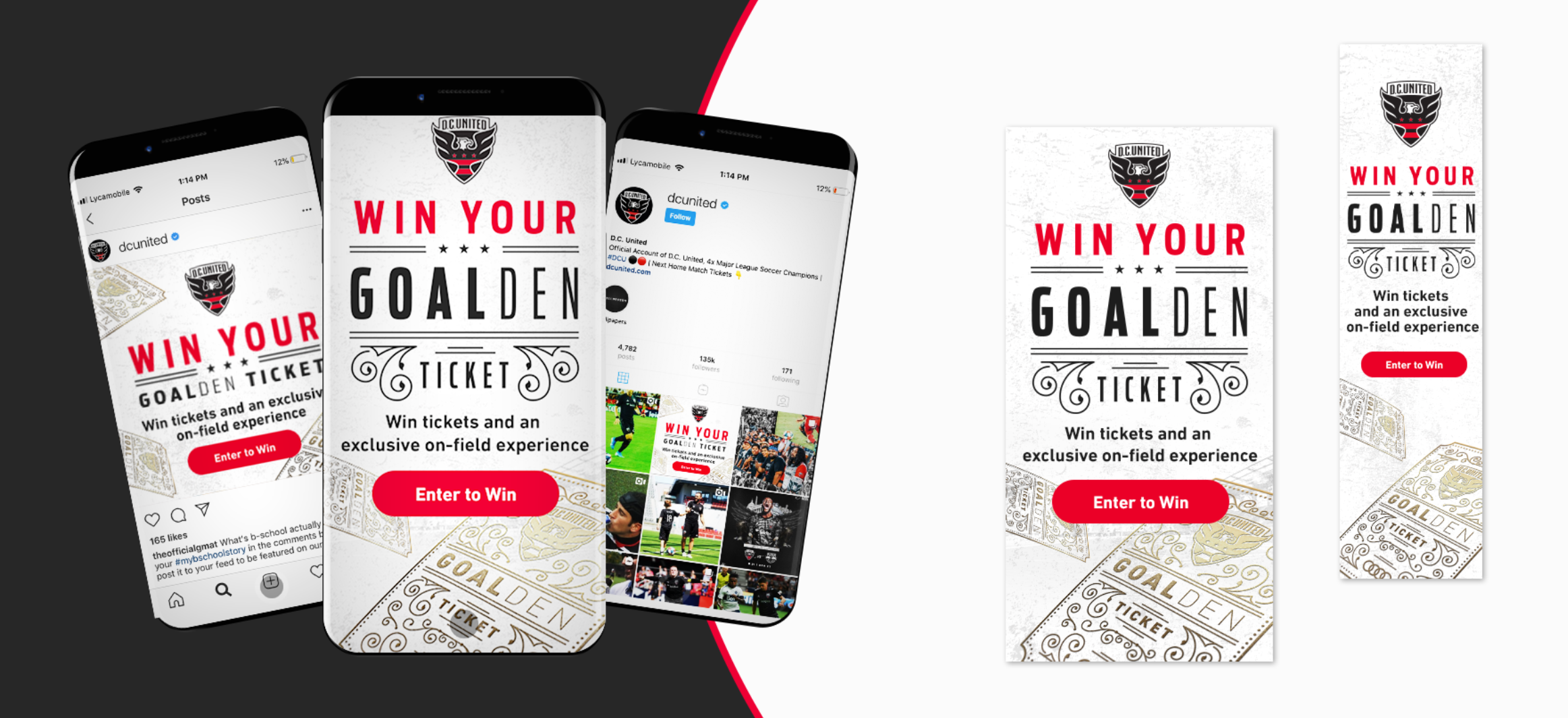
Traditional rewards programs that offer generic incentives—such as blanket discounts or point systems—are quickly losing their appeal. Today’s customers expect more personalized, relevant experiences. Personalized rewards programs tailor benefits and incentives to individual preferences and behaviors, making customers feel valued and understood by the brand.
When done right, personalized programs can significantly boost customer retention, increase lifetime value, and enhance brand loyalty by creating unique, one-on-one relationships with customers. Instead of feeling like just another number, customers feel like they’re part of an exclusive club, which strengthens their emotional attachment to the brand.
Key Elements of an Effective Personalized Rewards Program
Designing a successful personalized rewards program requires a careful balance of data, creativity, and strategy. Here’s how you can get started:
1. Understand Your Customers’ Preferences
Personalization starts with a deep understanding of your customers. The more data you can gather about their behaviors, preferences, and purchasing habits, the more tailored and relevant your rewards can be. Leverage data analytics to track what products or services each customer is most interested in, their frequency of interaction, and any other insights that can inform personalized offerings.
For instance, if you notice a customer frequently purchases specific items, offering rewards related to those products—or even personalized recommendations—will feel much more relevant than a generic discount on unrelated merchandise.
2. Segment and Customize Rewards
Not all customers are the same, so your rewards shouldn’t be either. Implement customer segmentation to categorize users into distinct groups based on behaviors, preferences, or purchasing history. Then, create customized rewards that appeal to each group.
For example, loyal customers who consistently spend above a certain threshold could be offered exclusive VIP rewards like early access to new products or events. On the other hand, customers who haven’t engaged recently might receive personalized offers to reignite their interest, such as discounts on products they’ve shown interest in previously.
3. Offer Flexible Redemption Options
One common frustration customers have with rewards programs is the rigidity of redemption options. To maximize engagement, offer flexibility in how and when customers can use their rewards. Personalized offers, such as time-limited discounts on products they love or points they can use across a variety of categories, give customers more freedom to choose the rewards that matter most to them.
This flexibility makes your program more appealing and gives customers more reasons to engage with your brand regularly.
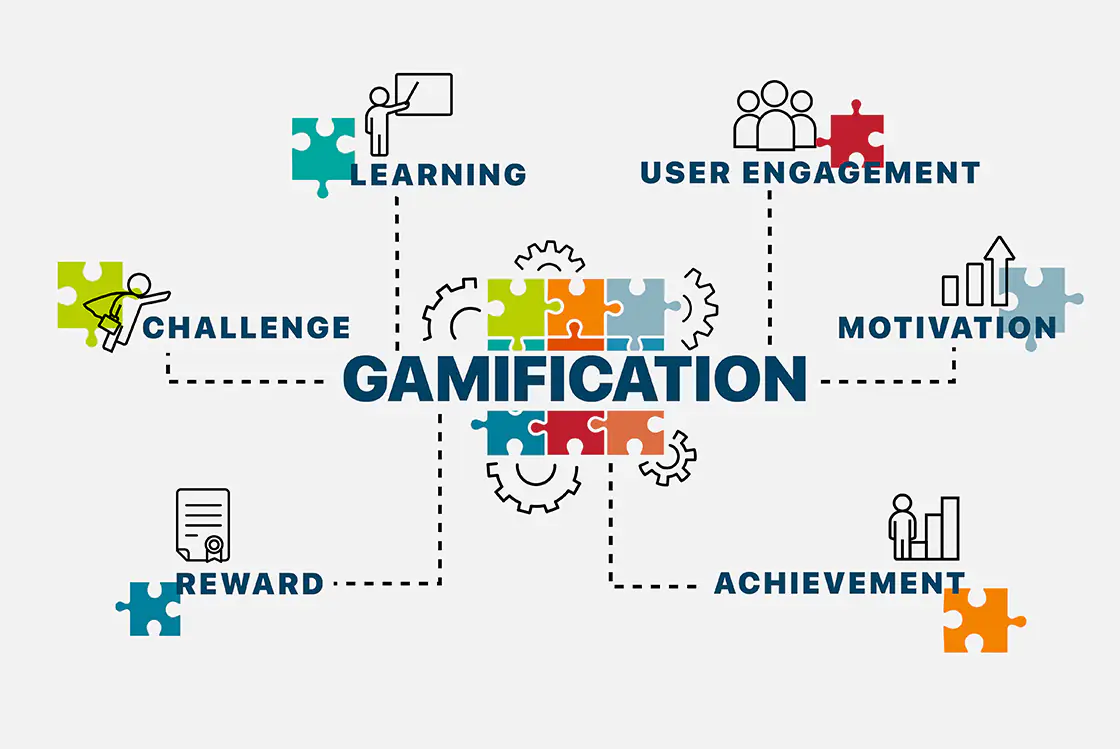
4. Incorporate Gamification
Gamification is a powerful way to keep customers engaged with your loyalty program. By adding an element of fun and competition, you can motivate customers to earn more rewards. Personalization can take this further by tailoring the gamified experience to each user’s preferences.
For instance, creating challenges or missions that align with a customer’s interests (e.g., completing a series of purchases in a product category they favor) can make the experience more enjoyable and encourage continued participation.
The Benefits of a Well-Designed Personalized Rewards Program
When customers feel recognized and rewarded in a meaningful way, it fosters a strong emotional connection with your brand. This connection translates into tangible business benefits, including:
- Increased Customer Retention: Personalized rewards programs keep customers engaged and incentivize repeat purchases, reducing churn and increasing retention over time.
- Higher Lifetime Value: Engaged, loyal customers tend to spend more. Offering personalized rewards based on purchasing habits encourages customers to keep interacting with your brand, resulting in a higher lifetime value.
- Word-of-Mouth Referrals: Customers who feel special and valued are more likely to recommend your brand to others. Personalized loyalty programs help create brand advocates who spread the word, driving new customer acquisition through referrals.
Implementing Your Own Personalized Rewards Program
Implementing a personalized rewards program may seem complex, but with the right tools and strategy, it can transform customer engagement and brand loyalty. Start by integrating data-driven insights to understand your audience, then build a rewards system that feels personal and relevant to each customer.
At Bluetext, we specialize in helping brands create loyalty programs that drive customer retention and build emotional connections. Whether you’re looking to launch a new program or refine an existing one, we can help you design and implement a personalized rewards strategy that delivers results.
Conclusion
In an era where customer loyalty is becoming harder to earn, personalized rewards programs offer a unique way to build long-lasting relationships with your audience. By offering relevant, tailored incentives that speak directly to individual customers, you not only increase retention but also foster a sense of belonging and brand affinity.
If you’re ready to take your customer loyalty strategy to the next level, Bluetext can guide you in designing and launching a personalized rewards program that enhances your brand’s connection with its customers. Contact us today to learn more!
In today’s competitive government contracting landscape, standing out is no small feat. While pricing and technical capabilities are critical to winning contracts, there’s another crucial factor that can make or break a contractor’s success: thought leadership. Establishing yourself as a trusted authority in your industry is essential, not just for differentiating your business but also for influencing the decision-makers in government agencies.
But what exactly is thought leadership, and how can it help government contractors build credibility and win contracts? Let’s explore.
The Importance of Thought Leadership in Government Contracting
Government contracting is highly competitive, with multiple firms often vying for the same contract. While many contractors may offer similar technical expertise or pricing, one element that can set them apart is their authority within the industry. Thought leadership provides that edge by positioning a company as a trusted advisor to government agencies and procurement officers.
In the public sector, trust and credibility are crucial factors in the decision-making process. Agencies are often risk-averse, preferring to work with companies they believe have a deep understanding of their unique challenges and long-term needs. Contractors that establish themselves as thought leaders demonstrate their commitment to the industry, forward-thinking approach, and ability to provide solutions tailored to government challenges.
This credibility is invaluable in the procurement process, helping to influence perceptions and potentially tipping the scales in your favor when contracts are being awarded.
The Benefits of Thought Leadership
Thought leadership offers several benefits for government contractors:
- Building Trust: By sharing valuable insights, analysis, and solutions, your company becomes a go-to resource for government decision-makers. This positions your firm as more than just a vendor—you’re seen as a strategic partner capable of delivering long-term value.
- Enhancing Visibility: Thought leaders naturally gain more attention, both online and offline. Consistently providing industry insights through articles, white papers, and speaking engagements raises your profile, making your company more recognizable to key stakeholders.
- Creating Opportunities: By engaging with the public sector through thought leadership, you open doors for networking, collaboration, and partnerships. Government contractors who are recognized as industry experts are often sought out for high-level conversations, giving them access to new opportunities.
How to Establish Thought Leadership in Government Contracting
Building a thought leadership strategy requires a concerted effort across various channels. Here are key strategies to consider:
1. Leverage Executive Visibility
Your executives are often the most credible voices within your company. Encourage them to share insights through blogs, white papers, and case studies that address common government contracting challenges. For example, a white paper on improving cybersecurity in public sector IT systems can help position your company as a forward-thinking solution provider in a key area of concern.
2. Engage in Speaking Opportunities
Participating in industry events and conferences is a powerful way to demonstrate expertise. By delivering talks or sitting on panels, your company leaders can showcase their deep industry knowledge, while making valuable connections with procurement officers and other stakeholders in the government space.
3. Media and Content Opportunities
Take advantage of media opportunities to expand your company’s reach. Podcasts, radio tours, and guest articles in respected industry publications can amplify your firm’s voice. Providing expert commentary on emerging trends or challenges, such as the impact of AI on government operations, is a smart way to remain top of mind with key audiences.
4. Create Content That Solves Problems
Government agencies are constantly dealing with complex, evolving issues. Create content that directly addresses these pain points, offering actionable solutions and insights. A case study on how your company helped an agency streamline its procurement process can demonstrate your practical knowledge and ability to deliver results.
Measuring the ROI of Thought Leadership
Like any marketing initiative, thought leadership should be measurable. Key performance indicators (KPIs) might include:
- Engagement metrics: Track the performance of your thought leadership content by monitoring web traffic, social shares, and media mentions.
- Media coverage: A well-placed article or interview can enhance visibility and credibility.
- Business outcomes: Keep an eye on contract inquiries and wins that are linked to your thought leadership activities, as this can indicate direct impact on your bottom line.
By regularly reviewing these metrics, you can adjust your thought leadership strategy to focus on the areas delivering the most value.
Why Thought Leadership Matters for Government Contractors
Thought leadership is more than just a marketing buzzword. For government contractors, it’s a powerful tool for building trust, enhancing visibility, and ultimately winning more contracts. By positioning your company as an authority in your field, you not only differentiate yourself from the competition but also create long-term value for your public sector clients.
Ready to establish your firm as a leader in government contracting? Bluetext can help you develop a customized thought leadership strategy that drives results. Contact us today to get started.
Prefer listening over reading? Check out the podcast version of this blog below and enjoy insights on the go!
As the gaming industry continues to grow, it’s becoming one of the most promising avenues for brand exposure. In-game advertising, once a niche strategy, has evolved into a powerful tool for marketers looking to reach highly engaged, diverse audiences. At Bluetext, we’ve seen first-hand how brands can capitalize on this trend to build awareness and connect with consumers in a unique, immersive environment. Here’s a closer look at in-game advertising, its effectiveness, and how brands can tap into the gaming market.
The Rise of In-Game Advertising
The gaming industry now rivals the film and music industries in terms of revenue, with billions of players globally. This makes it an appealing space for advertisers. Gamers spend hours immersed in virtual worlds, offering brands the chance to engage audiences where they are most attentive. The rise of mobile gaming, eSports, and virtual reality (VR) has only expanded these opportunities, creating more diverse ad placements that can be seamlessly integrated into gameplay.
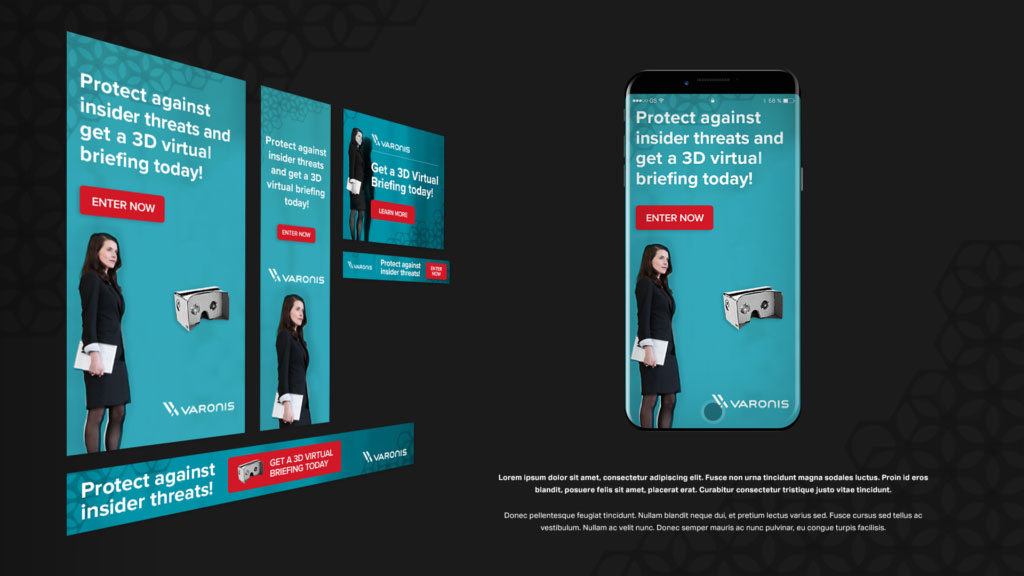
Types of In-Game Advertising
- Static In-Game Ads
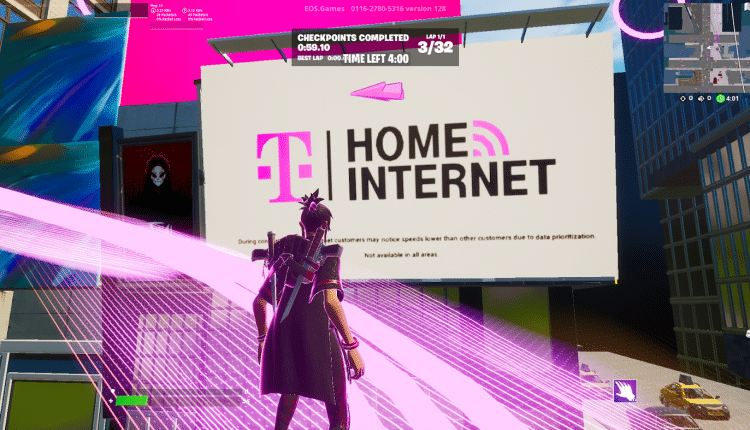
These are non-interactive advertisements that are built directly into the game environment. Think of billboards, posters, or branded elements within a game’s virtual world. These ads are often baked into the game’s design, allowing them to blend naturally without interrupting gameplay. Sports and racing games, for example, frequently incorporate real-life ads into stadiums or on vehicles. - Dynamic In-Game Ads
Unlike static ads, dynamic in-game ads are flexible and can be updated in real-time. This allows brands to change messaging or switch out ads based on factors like region, time of day, or player demographics. These ads are typically served via programmatic platforms, making it easy for marketers to optimize performance throughout a campaign. - Advergaming
Some brands take it a step further by creating their own custom games—known as advergames. These games are designed specifically around a brand’s products or services. While this requires more investment, it can result in deeper engagement, as players interact with branded content for extended periods. - Rewarded Ads
A popular option in mobile games, rewarded ads offer players in-game incentives—like extra lives or bonus points—in exchange for watching an ad. This ad format benefits both players and advertisers: players get rewards, and brands get guaranteed views. It’s a non-intrusive way to serve ads, as players voluntarily opt-in, creating a more positive experience. - In-Game Product Placement
Product placement is common in TV and movies, but it’s also gaining traction in the gaming world. This method involves placing real-world products or brand elements directly into gameplay. A notable example includes branded cars in racing games or having a well-known soft drink appear as an interactive item. This subtle form of advertising can make brands feel more integrated into the gaming experience.

Effectiveness of In-Game Advertising
In-game advertising offers brands several key advantages. For one, gamers are deeply engaged with the content they’re playing, meaning ads placed in these environments are more likely to be noticed and remembered. Studies have shown that in-game ads often lead to higher brand recall and positive brand associations. Moreover, the flexibility of dynamic ads allows for hyper-targeted messaging, ensuring that brands are reaching the right audience at the right time.
Additionally, in-game ads are non-intrusive compared to other digital ads. Since they are part of the gaming environment, they don’t disrupt the user experience. This makes them more palatable to audiences who are increasingly resistant to traditional ads like banners or pre-roll videos.
How Brands Can Tap Into the Gaming Market
To effectively tap into the gaming world, brands need to understand the unique dynamics of this community. Authenticity is key—gamers can quickly spot inauthentic or forced marketing attempts. Brands that take the time to learn about gaming culture and integrate their ads in a way that adds value to the experience are more likely to see success.
Additionally, brands should consider partnering with popular game developers or streamers to create custom content or sponsor events. Influencer marketing in gaming has become a powerful way to connect with large, engaged audiences. Partnering with well-known gaming influencers or streamers can help boost credibility and trust among gamers.
In-Game Advertising: A Powerful Marketing Strategy
In-game advertising is no longer just a novel concept—it’s a powerful marketing strategy that can help brands connect with diverse, engaged audiences in a way that feels natural and engaging. At Bluetext, we specialize in helping brands navigate the gaming landscape, leveraging data-driven insights and creative ad placements to build lasting connections with gamers. Ready to level up your advertising strategy? Let’s talk about how in-game advertising can work for your brand.
Launching a new product is an exciting milestone for any company, but it requires a well-thought-out strategy to ensure success. In today’s digital world, reaching your target audience across multiple touchpoints is crucial for standing out in a crowded market. At Bluetext, we understand that a multi-channel go-to-market (GTM) strategy is the key to executing a seamless product launch. Here’s how to plan and execute a successful GTM campaign using multiple channels.
1. Define Clear Goals and Objectives
Before diving into tactics, it’s essential to identify what you want to achieve with your product launch. Are you aiming for brand awareness, lead generation, or increasing market share? Setting clear objectives helps guide every aspect of your campaign, ensuring that each channel works towards a unified goal.
2. Know Your Audience
Understanding your audience’s behaviors, pain points, and preferences allows you to tailor messaging across channels. Build detailed buyer personas to uncover which platforms—social media, email, paid search, or industry publications—will resonate most. A thorough audience analysis ensures you spend time and budget on channels that maximize impact.
3. Choose the Right Channels
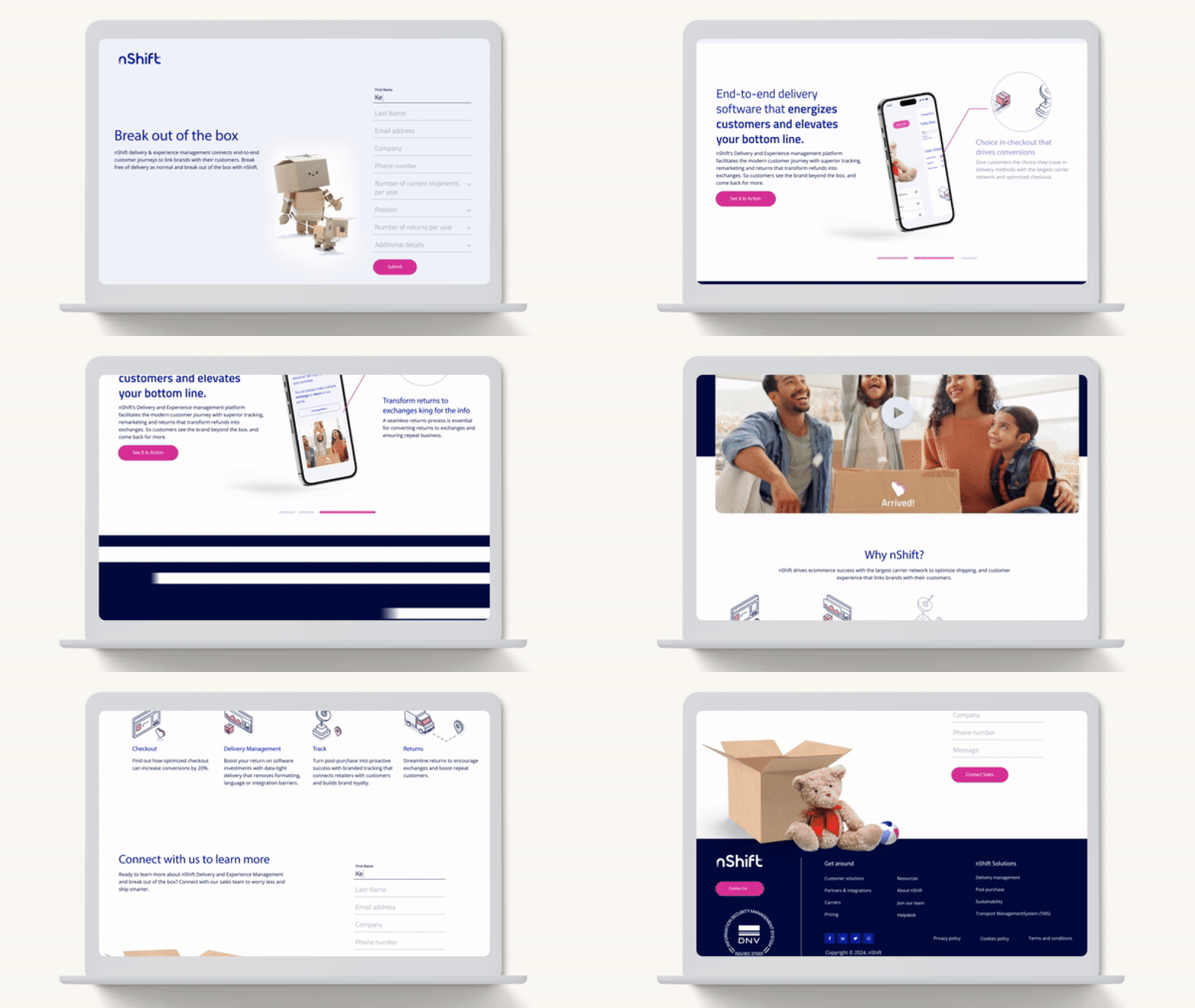
Not every platform is suitable for every product. Choose your marketing mix wisely. For example, social media is excellent for creating buzz, while email marketing can deliver personalized messaging. Paid media, such as PPC and programmatic ads, can help quickly build visibility, while content marketing positions your brand as an authority. At Bluetext, we often recommend a mix of digital and traditional channels to capture your audience at every stage of the buying cycle.
4. Craft Consistent Messaging
A multi-channel approach doesn’t mean you have to reinvent the wheel for every platform. Instead, create a core message that can be adapted to fit the tone and style of each channel. Consistent messaging ensures brand cohesion, while tailoring the content for each platform maximizes relevance.
5. Leverage Data and Analytics
Real-time data is a vital component of a successful multi-channel GTM strategy. By tracking the performance of each channel, you can quickly pivot if certain tactics aren’t delivering results. Tools like Google Analytics, marketing automation platforms, and social listening tools allow you to refine your campaigns as they run.
6. Align Sales and Marketing Teams
For a product launch to succeed, marketing and sales teams must work in harmony. Ensuring that both teams are aligned on messaging, goals, and KPIs helps guarantee a seamless transition from awareness to conversion. Regular communication between departments is key to resolving any potential gaps in the customer journey.
7. Prepare for Post-Launch
The work doesn’t end after the initial product launch. To maintain momentum, it’s important to nurture leads generated from your launch. Consider developing retargeting campaigns, post-launch content, and ongoing customer engagement strategies to sustain interest and drive conversions long after your initial GTM push.

Launch Your Next Product Effectively
A successful product launch requires more than a single channel or touchpoint. A well-executed multi-channel go-to-market strategy ensures that your brand is positioned in front of the right audiences at the right time, across various platforms. At Bluetext, we specialize in developing holistic, data-driven GTM strategies that not only create buzz but also drive long-term business results. Ready to launch your next big product? Let’s talk.
Whether you’re a reader or a listener, we’ve got you covered! Listen to the podcast version of this post for a fresh take.
As brands increasingly compete for attention, delivering immersive experiences has become essential. At Bluetext, we believe Augmented Reality (AR) and Virtual Reality (VR) offer untapped potential for transforming video content into interactive, engaging experiences. Let’s explore how incorporating AR and VR into your video strategy can captivate your audience and drive meaningful engagement.
Why AR and VR?
Both AR and VR bring depth and interactivity to traditional video formats. AR overlays digital elements onto the real world, allowing users to experience enhanced realities through their mobile devices or smart glasses. VR, on the other hand, transports viewers into entirely new environments using headsets, creating fully immersive experiences. By combining these technologies with video content, brands can engage customers on a deeper level, offering them an experience they won’t forget.
1. AR in Video Content: Layered Engagement
Integrating AR into video content allows for a layered experience. Imagine viewers scanning a video with their smartphone and accessing additional product details, 3D models, or virtual try-ons. This technology enables personalized and interactive customer journeys, which can significantly increase engagement and conversion rates. For example, a retail brand could showcase a video of a new product line, while AR allows users to visualize the items in their own space, bringing an added sense of practicality and excitement to the viewing experience.
2. VR in Video: Full Immersion
VR, while requiring more specialized equipment, offers a fully immersive environment that can revolutionize customer experiences. This technology is particularly effective in industries like real estate, travel, and entertainment, where the ability to transport viewers into another location or scenario can influence purchasing decisions. Imagine walking through a luxury hotel suite or exploring a new car model without leaving your home. VR allows your audience to interact with your product in an unparalleled way, turning passive viewing into an active experience.
3. Best Practices for AR and VR Integration
- Understand Your Audience: Not all customers are ready for AR or VR experiences, so it’s crucial to gauge their tech savviness before implementation.
- Focus on Storytelling: AR and VR should complement your narrative, not overshadow it. The content must remain engaging and relevant to your audience.
- Optimize for Platforms: Ensure that your AR and VR content is optimized for the platforms your audience uses most, such as mobile devices or VR headsets.
- User Experience First: Don’t overload users with too many interactive elements. The goal is to enhance the experience, not complicate it.
The Bottom Line
The future of video content lies in creating immersive and engaging experiences that go beyond the traditional screen. AR and VR provide the perfect tools to do just that. By incorporating these technologies, brands can deliver innovative, memorable content that resonates with their audience and drives higher levels of engagement. At Bluetext, we specialize in helping companies leverage cutting-edge technologies like AR and VR to enhance their video strategies and create unforgettable customer experiences.
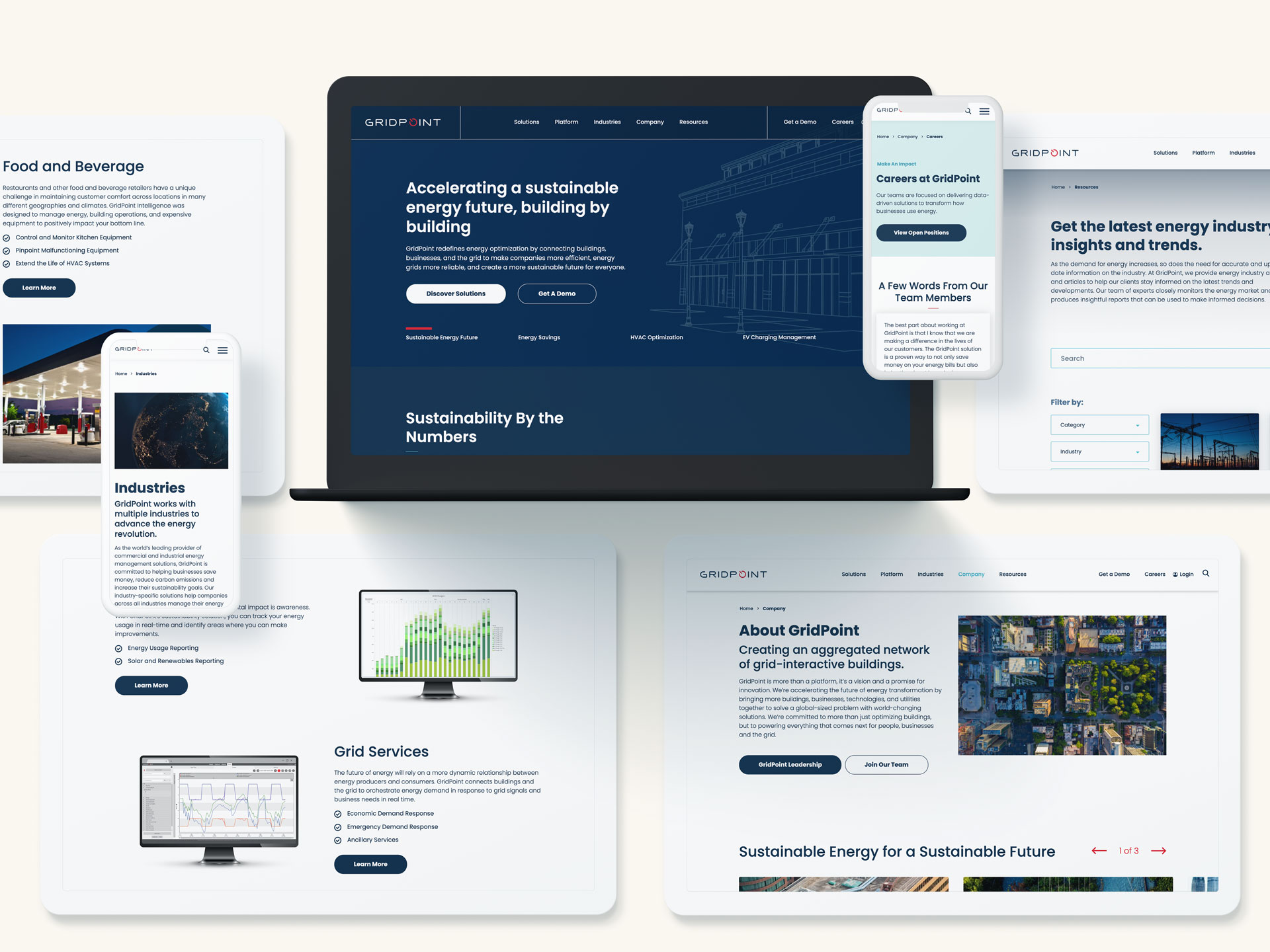
In a sector as dynamic and essential as energy, where global shifts toward sustainability, renewable resources, and technological innovation are constant, marketing requires a new level of creativity and strategy. Traditional marketing approaches, while still effective, may no longer be sufficient to set brands apart or to engage increasingly informed and eco-conscious customers. Bluetext specializes in helping energy companies redefine their marketing strategies with innovative solutions that drive growth and deliver measurable results.
1. Data-Driven Personalization
The energy sector has an enormous amount of customer data at its fingertips, from consumption patterns to geographic preferences and renewable energy interest. Leveraging this data for personalized messaging can make marketing campaigns more relevant and impactful. Dynamic content that adjusts based on user behavior, smart segmentation, and AI-powered insights allow energy companies to deliver the right message at the right time, improving both customer satisfaction and conversion rates.
2. Interactive Digital Experiences
Beyond static advertising, interactive digital experiences are rapidly gaining popularity in the energy sector. Virtual reality (VR) tours of renewable energy facilities, augmented reality (AR) apps that demonstrate energy consumption in real-time, and gamified platforms that educate users about sustainability can turn otherwise passive audiences into engaged participants. These tools not only enhance brand awareness but also build stronger emotional connections by making complex topics more accessible.
3. Thought Leadership and Educational Content
As the energy industry evolves, companies that position themselves as thought leaders have a significant competitive advantage. Providing educational content around topics like renewable energy, energy efficiency, or grid modernization establishes credibility and builds trust with customers, investors, and regulators. Long-form content such as whitepapers, in-depth blog series, and podcast interviews with industry experts can solidify a brand’s reputation as a forward-thinking leader.
4. Sustainability Storytelling
With the global push toward sustainability, energy companies must communicate their environmental impact effectively. But simply stating eco-friendly initiatives isn’t enough—successful brands in the energy space are embracing narrative-driven approaches. By humanizing data through real-world case studies, testimonials, and behind-the-scenes stories of how energy projects improve local communities, brands can better engage emotionally with their audiences and create deeper brand loyalty.
5. Cross-Industry Partnerships
Innovation in the energy sector doesn’t happen in a silo. Cross-industry partnerships—such as collaborations with tech firms for IoT solutions or fintech partnerships for green energy financing—can extend the reach of marketing campaigns and offer unique value propositions. These collaborations create buzz and offer customers more comprehensive solutions, further distinguishing a brand in a crowded marketplace.
6. Leveraging Social Media for Advocacy
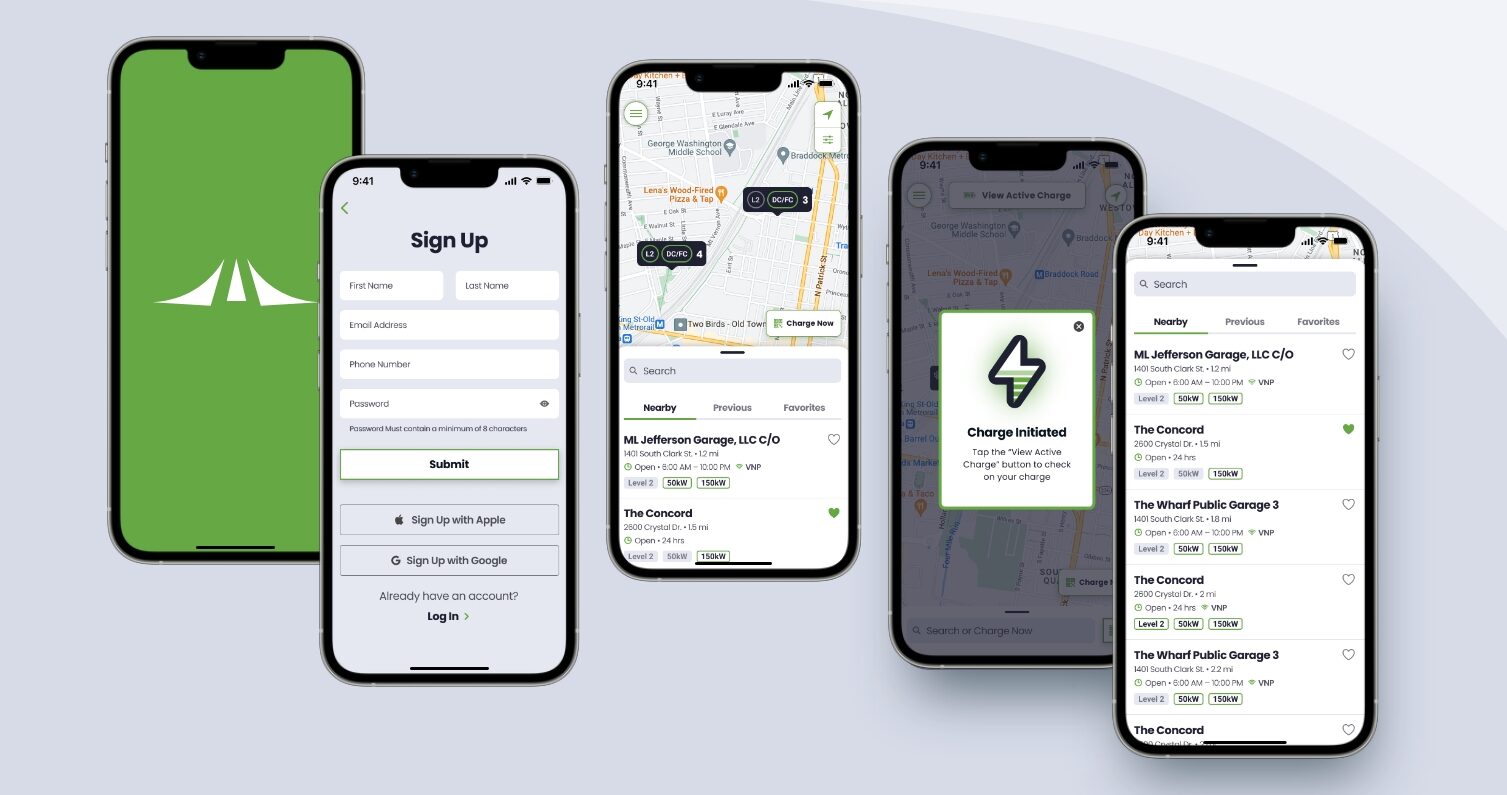
Social media is often underutilized by energy companies, yet it holds great potential for advocacy-driven campaigns. Energy brands can build community and engage users by amplifying sustainability movements, promoting green energy initiatives, and fostering conversations around energy efficiency. By encouraging user-generated content and engaging with influencers in the sustainability space, energy companies can boost their visibility and establish themselves as champions for a greener future.
Conclusion
As the energy sector evolves, so too must its marketing strategies. By going beyond traditional methods and embracing innovative, digital-first approaches, energy companies can stand out in a competitive landscape, connect meaningfully with their audiences, and drive measurable growth. At Bluetext, we understand the unique challenges and opportunities within the energy industry, and we are ready to help brands shape their future with creative, impactful marketing solutions. Contact us today.
Even though the weather still feels like summer, now’s the perfect time for businesses to start developing their fall marketing strategies. For B2B companies, seasonal marketing is often underutilized, but it can offer a significant edge in building connections, driving engagement, and generating leads. As we transition into autumn, the season brings a host of opportunities for businesses to create timely, impactful campaigns that resonate with their audience.
At Bluetext, we know how powerful seasonal campaigns can be in the B2B world. From autumn-themed promotions to messaging aligned with the traditions of fall, companies that strategically plan their marketing initiatives around this season can stand out in a competitive marketplace.
1. Back-to-Business: Align with the Post-Summer Push
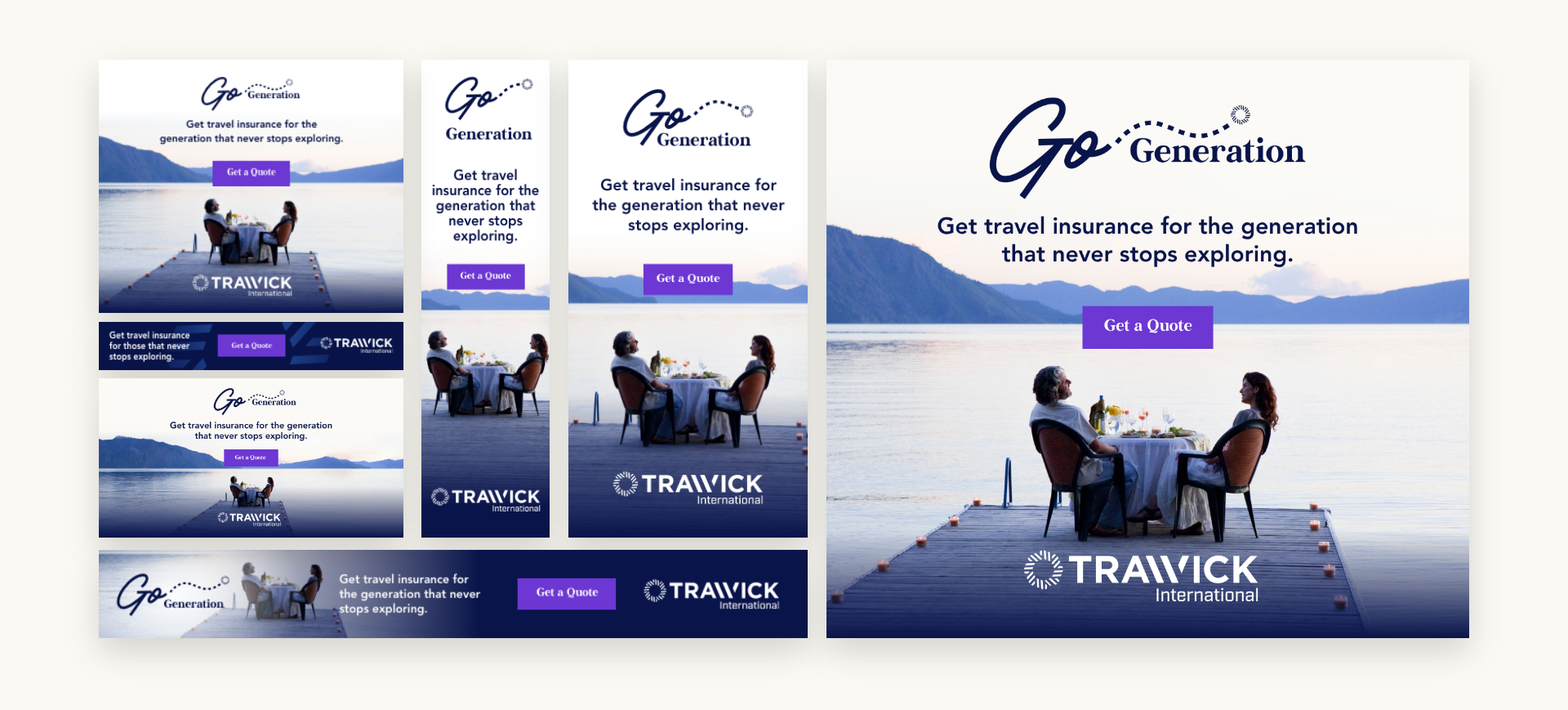
As we move out of the summer slowdown, many businesses are refocusing on year-end goals. This presents an ideal time to target decision-makers who are getting back into full swing. Position your services or products as tools to help companies finish the year strong. Consider launching Q4-specific campaigns that emphasize solutions for increased productivity, streamlining operations, or hitting revenue targets before the close of the fiscal year.
2. Leverage Fall Conferences and Trade Shows
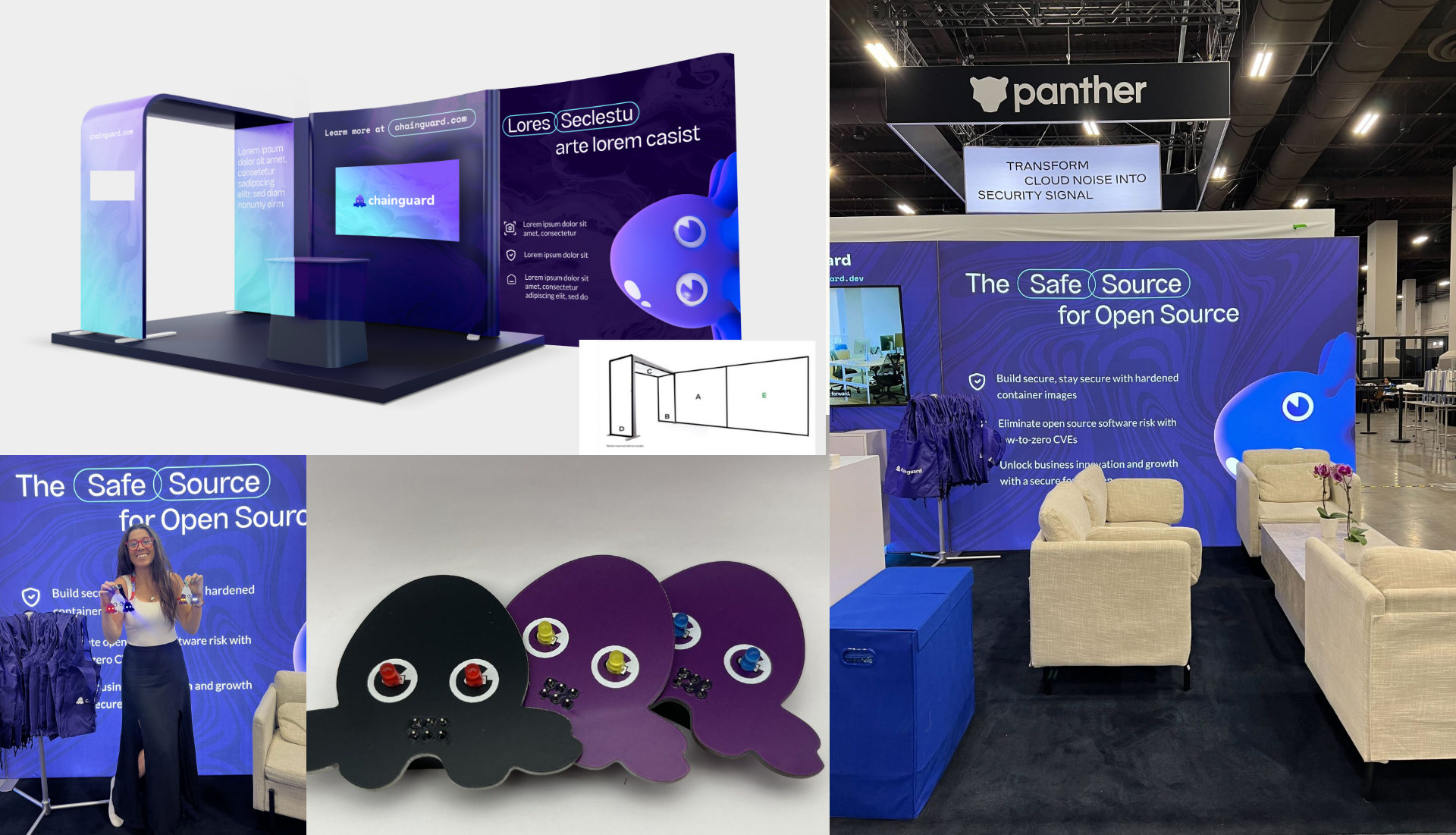
Autumn is a key season for B2B events, including trade shows, conferences, and networking opportunities. Make sure your marketing aligns with the industry calendar. A targeted email campaign or social media strategy that ties your offerings to specific events can help you capture the attention of potential clients. You can also create fall-themed content for event collateral, such as white papers or case studies, that highlights your ability to meet the changing needs of businesses during this crucial period.
3. Seasonal Content that Engages and Educates
B2B buyers are often looking for informative, insightful content to guide their decisions. Align your thought leadership with fall trends by publishing articles, case studies, or webinars that focus on Q4 challenges and solutions. Highlight industry-specific insights that show how your business can help others adapt to seasonal shifts, budget reallocation, or end-of-year planning. For example, you could create content about optimizing operations ahead of the holiday rush or preparing for the following fiscal year.
4. Harvest Opportunities: Focus on End-of-Year Business Needs
As fall signals the final quarter, many businesses are re-evaluating their budgets and making strategic purchases to close out the year. This is the perfect opportunity for B2B companies to promote services or products that address immediate needs. Consider offering limited-time pricing or service bundles that provide value before the year-end. Highlight how your solutions can help businesses tackle Q4 objectives, such as streamlining operations, achieving compliance, or meeting customer demands before the calendar flips.
5. Embrace Fall Traditions and Themes
While B2C brands often lean into seasonal aesthetics, B2B companies can also incorporate fall themes into their messaging. Subtle touches, such as incorporating fall colors, seasonal imagery, or metaphors about the harvest and growth, can make your campaigns more relatable and engaging. For instance, you could develop a campaign around “reaping the rewards” of your business solution or helping clients “gather insights” to fuel future growth.
As summer starts to wind down, it’s the perfect time to start planning your autumn-inspired marketing strategies. By leveraging fall themes, traditions, and the changing season, your brand can stay top of mind and create meaningful connections with your audience. Need help developing a fall campaign that drives engagement? Bluetext is here to help you navigate the season with creativity and success. Contact us today.