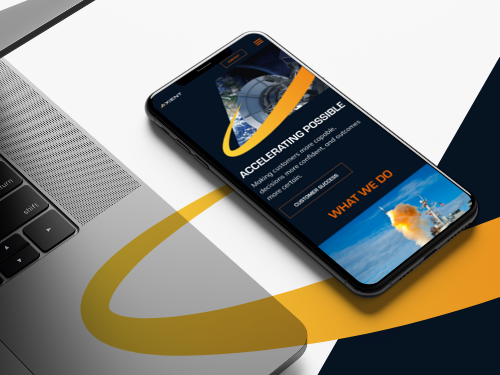
In today’s rapidly evolving global marketplace, leading branding agencies face unprecedented challenges and opportunities. As businesses expand across borders and digital landscapes, branding strategies must adapt to stay relevant and competitive. Marketing leaders must navigate these changes to ensure their brands resonate with diverse audiences while maintaining a consistent global identity. This post explores how top branding agencies are adapting to these market dynamics, providing insights for businesses aiming to thrive in this complex environment.
Embracing Digital Transformation
Digital transformation is at the forefront of how leading branding agencies are reshaping their strategies. The proliferation of digital channels requires brands to be agile, responsive, and data-driven. Agencies are leveraging advanced analytics to gain insights into consumer behavior, enabling more personalized and impactful branding efforts. By integrating technologies such as artificial intelligence and machine learning, agencies are enhancing their ability to predict trends and optimize campaigns in real-time.

Learn how we helped TrendAI move into new markets while remaining unmistakably itself.
Focusing on Authenticity and Purpose
Consumers today demand authenticity and purpose from the brands they engage with. Leading branding agencies are helping businesses articulate their core values and align them with customer expectations. This involves crafting narratives that resonate on an emotional level, fostering trust and loyalty. Agencies are also guiding brands in taking meaningful stances on social and environmental issues, which has become crucial in differentiating a brand in a crowded marketplace.
Adapting to Cultural Nuances
As brands venture into new markets, understanding and respecting cultural differences becomes essential. Leading branding agencies are adept at tailoring messages to fit local contexts without diluting the brand’s global identity. This involves in-depth research and collaboration with local experts to ensure campaigns are culturally relevant and sensitive. By doing so, brands can connect more deeply with local audiences and enhance their global reach.
Leveraging Data-Driven Insights
Data is a powerful tool for branding agencies aiming to adapt to global market changes. Through sophisticated data analytics, agencies can track consumer trends, measure campaign effectiveness, and make informed decisions. This data-driven approach allows for more precise targeting and personalization, ensuring that branding efforts resonate with the intended audience. Agencies like Bluetext are at the forefront of utilizing data to drive successful branding strategies.
Enhancing Brand Experience Through Technology
Technology is transforming how consumers interact with brands. Leading agencies are using virtual reality, augmented reality, and immersive experiences to create memorable brand interactions. These technologies allow consumers to engage with brands in novel ways, increasing brand recall and affinity. Agencies are also focusing on optimizing digital touchpoints, ensuring that the brand experience is seamless across all platforms and devices.
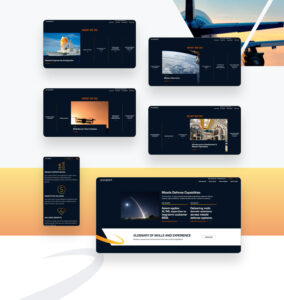
Uncover how we designed Axient’s brand to stay with the customer, even after a first pass.
Fostering Collaboration and Innovation
Collaboration and innovation are key to staying ahead in the global branding landscape. Leading agencies foster environments where creativity can thrive, encouraging cross-functional teams to work together. This collaborative approach not only sparks innovative ideas but also ensures that diverse perspectives are considered in branding strategies. By embracing innovation, agencies can develop unique solutions that differentiate their clients in the marketplace.
Building Resilient Brand Strategies
In an unpredictable world, resilience is crucial for brand survival. Leading branding agencies are building strategies that can withstand market volatility and adapt to change. This involves scenario planning and risk management to anticipate potential disruptions. By preparing for various contingencies, agencies ensure that brands remain resilient and continue to deliver value to their customers.
Creating Comprehensive Content Strategies
Content remains a vital component of effective branding. Agencies are developing comprehensive content strategies that leverage storytelling, multimedia, and digital platforms to engage audiences. By creating compelling and consistent content, brands can maintain a strong presence across channels. Agencies like Bluetext excel in crafting content that captures the essence of a brand and communicates it effectively to diverse audiences.
Partnering with Experts for Success
Adapting to global market changes requires expertise, creativity, and a strategic approach. Leading branding agencies are well-equipped to guide businesses through these challenges, offering innovative solutions that drive growth and engagement. For companies looking to navigate this complex landscape, partnering with an experienced agency like Bluetext can provide the strategic support needed to succeed. Contact us today to learn how we can help elevate your brand’s presence in the global market.
Recent Posts
What Makes a Brand Impossible to Ignore?
Unlocking Growth: SEO Evolution Strategies for Enterprises
Navigating B2B Brand Messaging in a Digital Era
Bluetext’s Recent Work