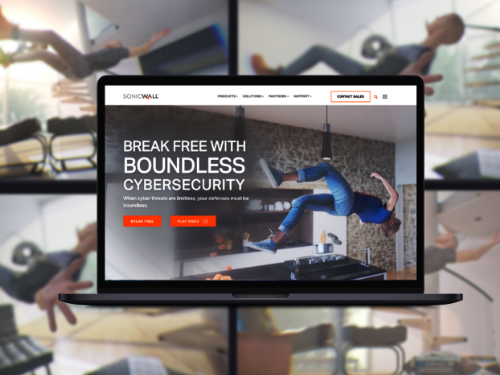
In today’s digital landscape, the evolution of cyber security marketing strategies has become a focal point for B2B and B2G marketing leaders. As cyber threats grow increasingly sophisticated, the demand for robust cybersecurity solutions has surged. This dynamic environment presents unique challenges and opportunities for marketers aiming to differentiate their offerings and communicate effectively with decision-makers. Understanding the nuances of cyber security marketing is essential for staying competitive and ensuring that businesses are well-protected against potential threats.
Adapting to the Changing Threat Landscape
The cyber threat landscape is continuously evolving, with new vulnerabilities and attack vectors emerging regularly. This necessitates a proactive approach to cyber security marketing. Marketers must stay ahead of trends and provide relevant, timely information to potential clients. Educating audiences on the latest threats and how specific solutions can mitigate these risks is crucial. By doing so, marketers can position their brands as thought leaders and trusted partners in cybersecurity.
Leveraging Data-Driven Insights
Data-driven marketing is no longer optional in the cybersecurity sector. With vast amounts of data generated daily, marketers have the opportunity to harness these insights to tailor their campaigns. Understanding customer behavior, preferences, and pain points allows for more personalized and effective marketing strategies. Utilizing analytics tools can help marketers identify trends, measure campaign performance, and optimize efforts for better engagement and conversion rates.
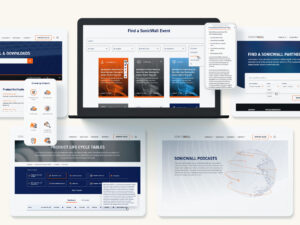
Learn how we helped leader cyber firm SonicWall cut through the noise
Building Trust Through Transparency
Trust is a cornerstone of successful cyber security marketing. In a field where credibility is paramount, transparency in communication is essential. Companies must clearly articulate their security protocols, privacy policies, and compliance with industry standards. Providing case studies, whitepapers, and testimonials can further establish trust and credibility. Clients need assurance that their data and systems are in safe hands, and transparent marketing efforts can reinforce this confidence.
Integrating Multi-Channel Strategies
Effective cyber security marketing strategies require a multi-channel approach. With diverse audiences across different platforms, marketers must leverage various channels to maximize reach and impact. This includes digital advertising, social media, content marketing, and events. By aligning these channels with a cohesive message, marketers can enhance brand visibility and foster deeper connections with potential clients. Understanding the preferences and behaviors of target audiences on each platform is key to crafting tailored messages that resonate.
The Role of Thought Leadership
In the competitive cyber security market, thought leadership can be a powerful differentiator. By sharing expert insights, predictions, and analyses, companies can position themselves as industry leaders. This not only builds brand authority but also attracts potential clients seeking reliable partners. Thought leadership can be demonstrated through blogs, webinars, speaking engagements, and media appearances, providing valuable content that addresses the industry’s most pressing challenges.
Emphasizing User Experience
As with any industry, user experience (UX) plays a critical role in cyber security marketing. Ensuring that digital touchpoints, such as websites and applications, are user-friendly and informative can significantly impact client perceptions. A seamless and intuitive UX can enhance customer satisfaction and foster loyalty. Marketers must collaborate with UX designers to create engaging interfaces that effectively communicate complex cybersecurity concepts.

Check out how Bluetext revolutionized Security Scorecard’s website
Fostering Collaboration with Stakeholders
Collaboration between marketing and cybersecurity teams is vital for crafting effective strategies. By working closely with IT and security professionals, marketers can gain deeper insights into the technical aspects of their offerings. This collaboration ensures that marketing messages are accurate, relevant, and resonate with technical and non-technical audiences alike. Cross-departmental teamwork can also lead to innovative solutions and campaigns that address the nuanced needs of clients.
Exploring Innovative Technologies
The integration of innovative technologies, such as artificial intelligence and machine learning, is transforming cyber security marketing. These technologies can enhance threat detection, automate responses, and provide predictive analytics. Marketers can leverage these advancements to showcase cutting-edge solutions and demonstrate their company’s commitment to innovation. Highlighting the use of advanced technologies can appeal to tech-savvy clients and set a brand apart from competitors.
Partnering with Experts
As cyber security marketing strategies continue to evolve, partnering with a knowledgeable marketing agency can provide a competitive edge. Bluetext, a leading cybersecurity marketing agency, offers expertise in crafting strategies that resonate with B2B and B2G audiences. By understanding the intricacies of the cyber landscape and leveraging data-driven insights, Bluetext helps businesses effectively communicate their value propositions and build lasting relationships with clients. For tailored strategies and expert guidance, contact Bluetext today.
Recent Posts
Bluetext’s Recent Work