In the rapidly evolving digital landscape, selecting the right website design company in DC is a pivotal decision for businesses aiming to enhance their online presence. As companies strive to stand out in a crowded marketplace, the importance of a well-designed website cannot be overstated. It serves as the digital face of a brand, influencing customer perceptions and engagement. For B2B and B2G marketing leaders, the challenge lies in choosing a partner who not only understands the technical intricacies of web design but also aligns with their strategic vision and business goals.
Understanding Your Project Needs
Before you begin your search for a web design partner, it’s crucial to have a clear understanding of your project requirements. Are you looking for a complete website overhaul, or do you need specific enhancements such as improved user interface or mobile optimization? Defining your goals will help you communicate effectively with potential partners and ensure alignment from the outset. This clarity will also aid in evaluating whether a prospective partner has the necessary expertise, such as experience in WordPress development services or custom CMS solutions.
Evaluating Experience and Expertise
Experience and expertise are critical factors in selecting the right website design company in DC. Look for agencies with a proven track record in your industry or sector. This ensures they understand the specific challenges and nuances of your market. Review their portfolio to assess the quality and diversity of their work. For instance, if you are in the public sector, you might seek a partner experienced in public sector projects. Additionally, inquire about their technical skills, including proficiency in modern design tools and technologies.

Take a look at how Rithum’s brand was born
Assessing Cultural Fit and Communication
The best partnerships thrive on mutual understanding and effective communication. As you evaluate potential partners, consider their company culture and values. Do they align with your own? A cultural fit can significantly impact the collaboration process, ensuring smoother interactions and a more cohesive project outcome. Moreover, assess their communication style. Are they transparent and responsive? Regular updates and open lines of communication are essential for tracking progress and addressing any issues promptly.
Considering Budget and Timeline
Budget and timeline are often the most tangible constraints in a web design project. It’s important to discuss these factors upfront with potential partners to ensure there are no surprises later. A reputable agency will provide a detailed proposal outlining the scope of work, associated costs, and an estimated timeline for completion. While it’s tempting to opt for the cheapest option, remember that quality and expertise often come at a price. Investing in a reputable web design firm can yield substantial long-term benefits.
Evaluating Post-Launch Support
A website launch is not the end of the journey; it’s the beginning of ongoing maintenance and optimization. Ensure that your chosen partner offers post-launch support services. This includes regular updates, troubleshooting, and performance monitoring. An agency that provides comprehensive support can help you adapt to evolving digital trends and maintain a competitive edge. Consider partners who also offer additional services such as SEO or content marketing to further enhance your website’s effectiveness.
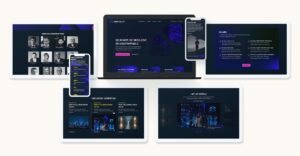
Explore how Bluetext created a dynamic new website for Obrela
Reviewing Client Testimonials and Case Studies
Client testimonials and case studies offer valuable insights into an agency’s performance and client satisfaction. They provide real-world examples of how the agency has helped other businesses achieve their goals. Look for detailed case studies that highlight challenges, solutions, and outcomes. This can be especially useful for understanding how the agency approaches complex projects or unique requirements. A well-documented portfolio can be an indicator of reliability and success.
Making the Final Decision
Once you have gathered all the necessary information, it’s time to make your decision. Consider all aspects, from technical expertise and industry experience to cultural fit and budget alignment. Trust your instincts and choose a partner who not only meets your criteria but also inspires confidence. The right website design company in DC will become an extension of your team, committed to driving your digital strategy forward.
Choosing the right web design partner is a strategic decision that can significantly impact your business’s online success. At Bluetext, we specialize in crafting digital experiences that resonate with target audiences and drive engagement. Whether you’re looking to revamp your existing site or launch a new digital presence, our team is ready to help. Contact us today to explore how we can support your strategy, branding, and campaign efforts.
Recent Posts
The Role of Simplified Logos in Corporate Rebranding
Top Brand Agencies and the Rise of Experiential Marketing
Bluetext’s Recent Work