User expectations have never been higher. In 2026, digital experiences are judged not only on how they look, but on how efficiently they guide users, anticipate needs, and remove friction across every interaction. As technology ecosystems grow more complex and competition intensifies, UX is no longer a downstream design activity. It is a core business capability.
This shift is redefining the role of the modern UX design agency. Agencies are expected to bring strategic insight, data fluency, and deep understanding of user behavior—not just polished interfaces. The most effective UX partners are helping organizations design experiences that scale, adapt, and deliver measurable impact.
Below are the top five UX design trends agencies are actively implementing in 2026 to help brands stay ahead of the curve.
1. AI-Augmented Personalization at Scale
UX design agencies are increasingly leveraging artificial intelligence to move beyond static user journeys. In 2026, personalization is dynamic, contextual, and continuously evolving based on real user behavior.
Rather than designing a single experience for broad audiences, agencies are building UX frameworks for their clients that adapt content, navigation, and interactions in real time. Predictive UX models help anticipate user intent, while machine learning enables experiences to refine themselves over time.
Importantly, leading agencies are pairing AI-driven personalization with transparency and control. Clear user feedback loops, ethical data usage, and explainable design choices are critical to maintaining trust while delivering relevance at scale.
2. UX for Complex Enterprise and B2B Platforms
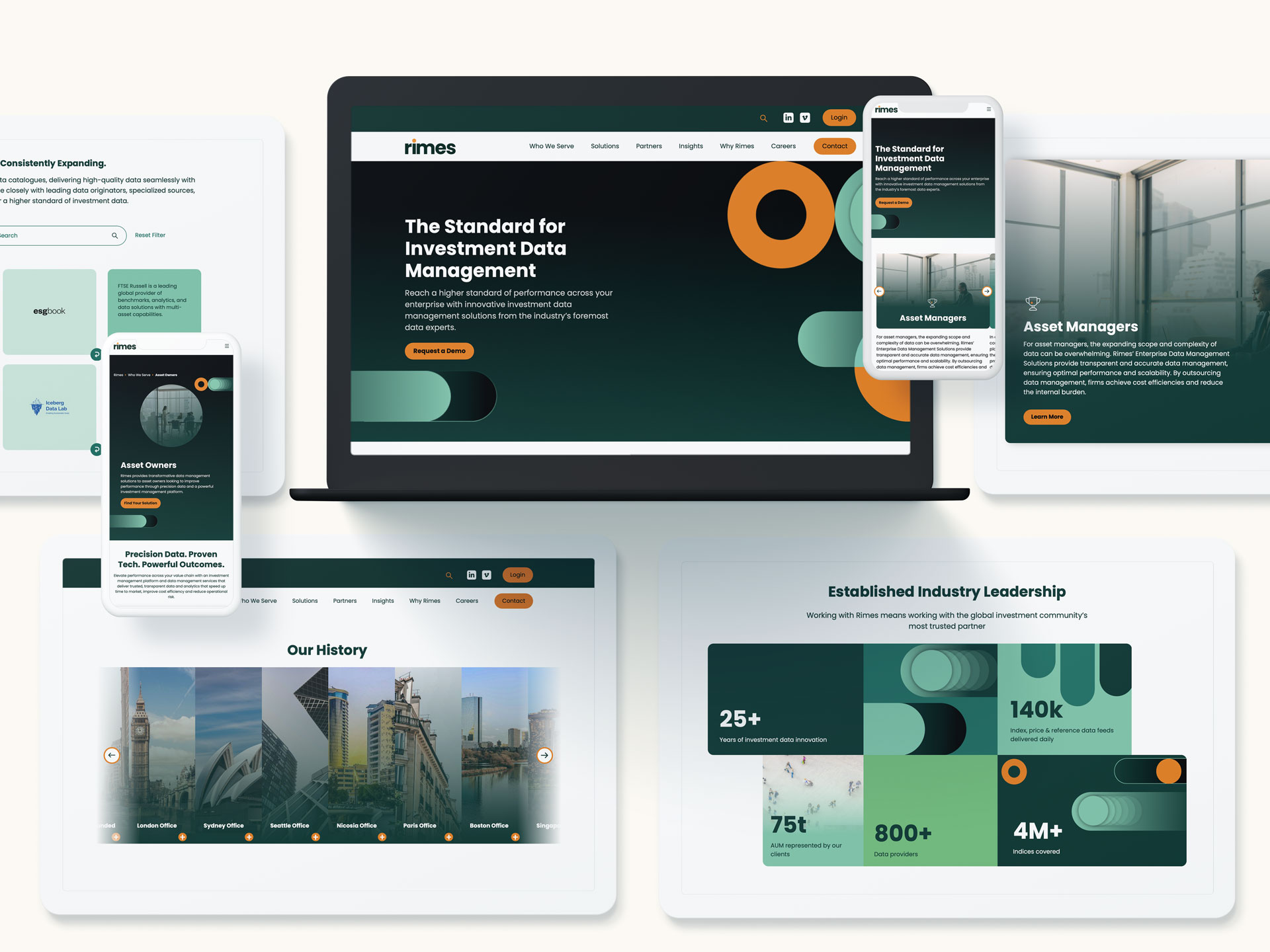
As enterprise platforms continue to expand in scope and functionality, UX design agencies are focused on simplifying complexity without diluting capability. In 2026, some of the most impactful UX work is happening in B2B, government, and highly regulated environments.
Agencies are designing experiences that support real workflows through role-based interfaces, progressive disclosure, and decision-support patterns. Instead of overwhelming users with every feature at once, UX is structured around context and intent.
This approach requires deep user research and close collaboration with stakeholders. A strong UX design agency understands that usability in enterprise environments is inseparable from operational realities and business objectives.
3. Accessibility-First and Compliance-Driven Design
Accessibility has moved from a best practice to a baseline expectation. In 2026, UX design agencies are embedding accessibility into the foundation of digital experiences rather than treating it as a retroactive requirement.
Designing with accessibility in mind improves usability for all users, not just those with disabilities. Clear navigation, readable typography, logical interaction patterns, and adaptable layouts benefit every audience.
Agencies are also helping organizations navigate evolving compliance standards by integrating accessibility into design systems, component libraries, and governance processes. The result is UX that is inclusive, resilient, and future-ready.
4. UX Integrated Across the Full Digital Ecosystem
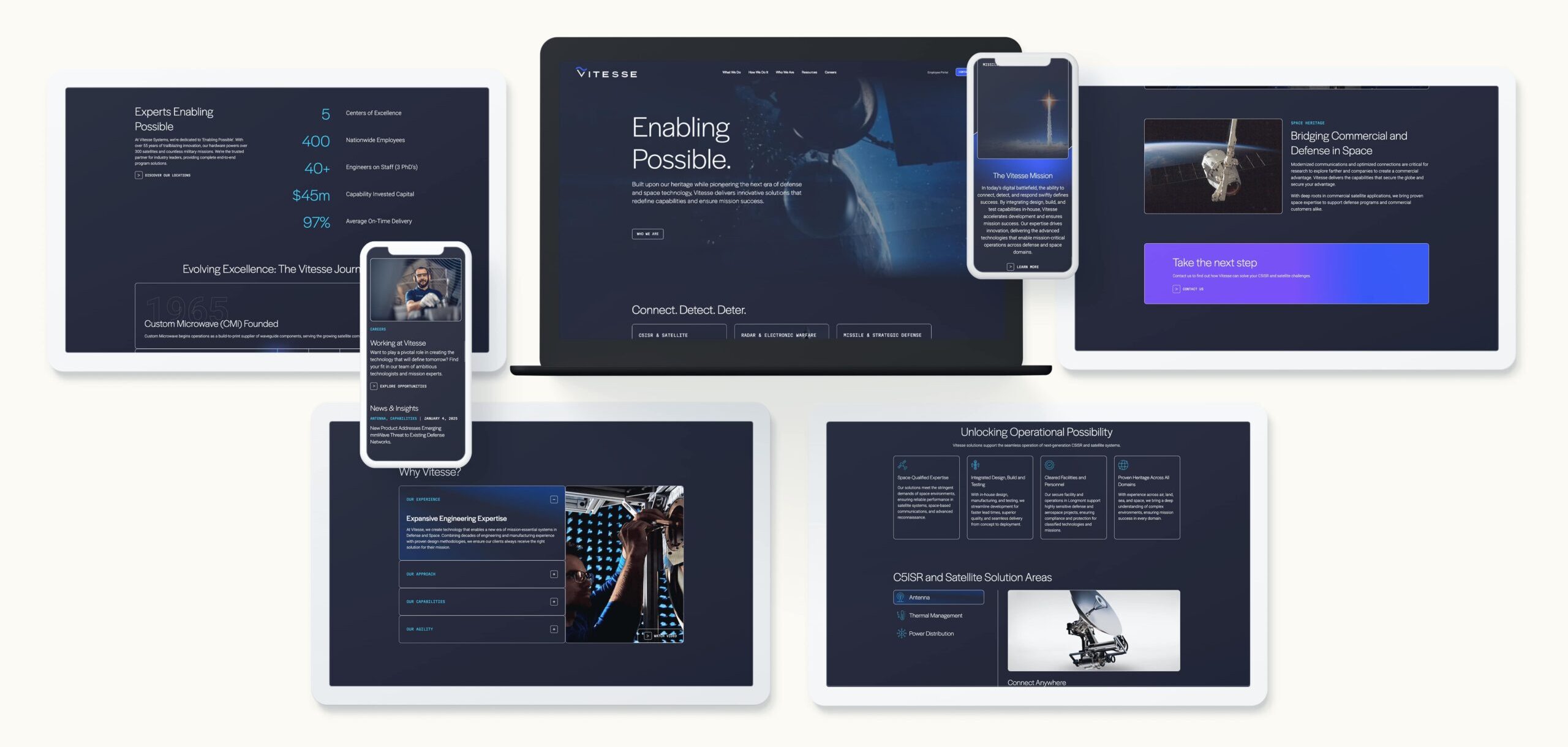
UX in 2026 extends far beyond the website. Users interact with brands across portals, applications, dashboards, marketing platforms, and internal tools—and they expect consistency across all of them.
UX design agencies are responding by designing cohesive experience ecosystems. This includes shared interaction patterns, unified design systems, and consistent language across touchpoints.
By aligning UX across marketing, product, and service environments, agencies help organizations reduce friction, strengthen brand trust, and scale experiences more efficiently. UX success is no longer about isolated wins; it is about system-wide cohesion.
5. Data-Informed UX Design and Continuous Optimization
The most effective UX design agencies in 2026 treat UX as a living system. Design decisions are guided by both qualitative insight and quantitative data, enabling teams to validate assumptions and iterate continuously.
User testing, behavioral analytics, and performance metrics inform ongoing refinement. Rather than launching and moving on, agencies help organizations optimize experiences over time as user needs evolve.
This data-informed approach ensures UX remains aligned with business goals while delivering consistent value to users. Optimization is not a phase—it is a mindset.
What This Means When Choosing a UX Design Agency
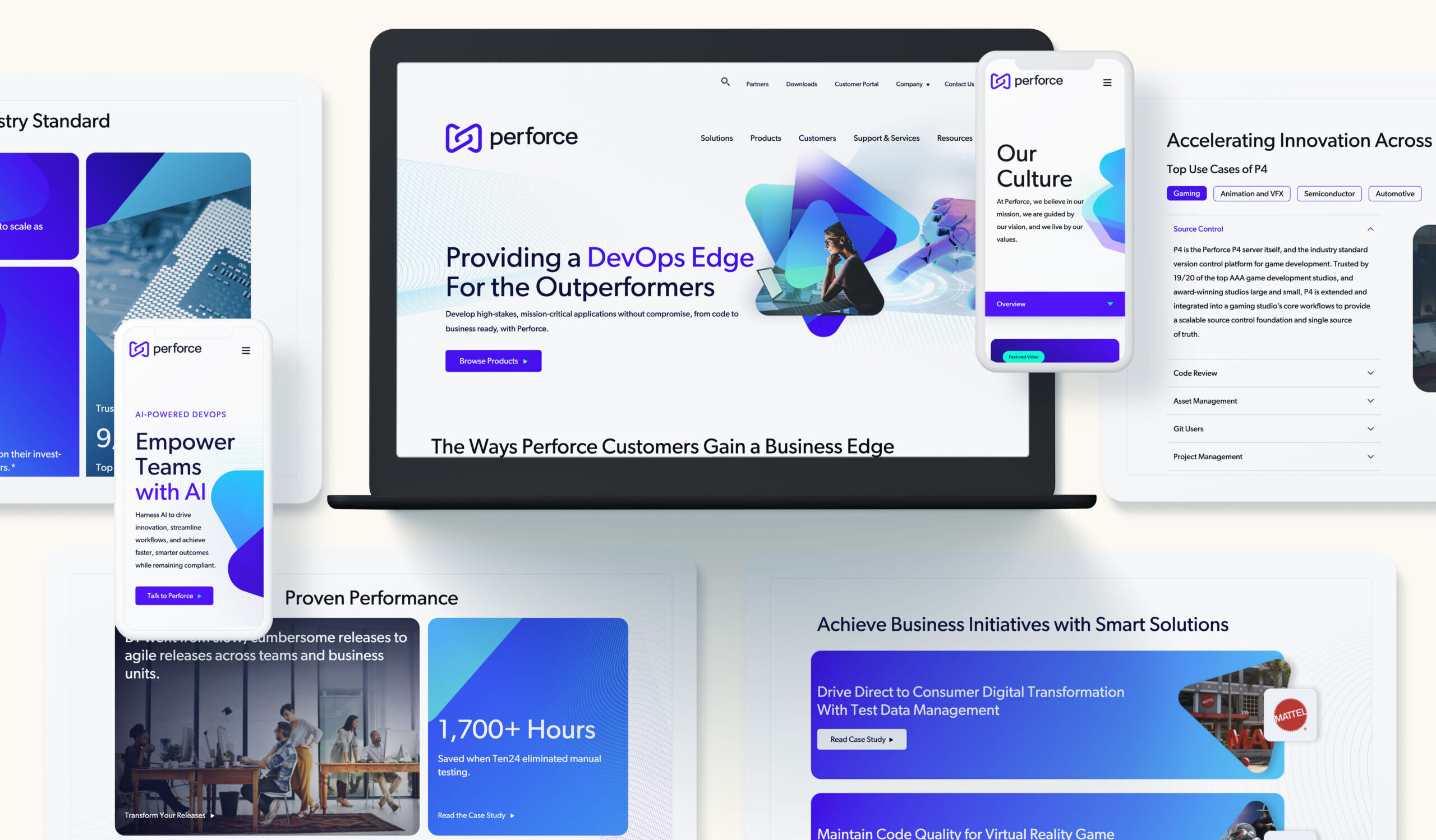
For organizations evaluating a UX design agency, these trends highlight an important reality: UX success depends on more than visual design expertise. The right agency brings strategic thinking, research rigor, and the ability to scale UX across platforms and teams.
In 2026, a strong UX partner understands how to connect user needs with measurable outcomes. They help organizations design experiences that are intuitive, inclusive, and built to adapt as technology and expectations continue to change.
Partner With a UX Design Agency Built for What’s Next
Bluetext partners with organizations to design UX strategies that drive clarity, engagement, and performance across complex digital ecosystems. Our approach combines research, strategy, and design to create experiences that work for users and the businesses behind them.
If you are looking to future-proof your digital experience strategy, connect with Bluetext to discuss how a UX design agency can support your goals in 2026 and beyond.
Recent Posts
The Role of Simplified Logos in Corporate Rebranding
Top Brand Agencies and the Rise of Experiential Marketing
Bluetext’s Recent Work